Table of Contents: Definition – Ancient
“Ancient”
Pronunciation: /ˈeɪnʃənt/ (AYN-shunt)
Part of Speech: Adjective; Noun
Ancient Definition (General Context)
Ancient is an adjective that describes something belonging to the distant past, especially to the time period before the end of the Classical era. As a noun, it refers to a person who lived in that period. The term usually refers to the historical period before the Middle Ages, or roughly before 500 CE. It is used to describe civilizations, artifacts, literature, or languages from that very early time.
Origin of the Word “Ancient”
The word comes from the Old French term ancien. This word meant “old” or “of old times.” It is ultimately derived from the Latin word ante, which means “before.” The meaning has always referred to a time long past.
Examples:
General Use: “In addition, she enjoyed studying the philosophies of the ancient Greeks.”
Historical Context: “Similarly, the collapse of the Roman Empire is often considered the end of the Ancient world.”
Archaeological Context: “Consequently, excavators found coins and pottery fragments dating to the Ancient period.”
Linguistics Context: “Moreover, scholars translate texts written in Ancient Sumerian and Egyptian hieroglyphs.”
Vocabulary and Language Resources
Terms Related to Ancient
- Classical: Referring specifically to the civilizations of Ancient Greece and Rome, for example.
- Prehistoric: Referring to the time before written records, which precedes the Ancient world.
- Medieval: The time period following the Ancient era (roughly 500 CE to 1500 CE).
- Antiquity: A noun referring to the Ancient past, especially the Greek and Roman period.
- Archaic: Referring to a very early stage within the Ancient world, such as early Greek art.
- Byzantine: The continuation of the Roman Empire in the East after the Western Empire’s fall.
Etymology
Ancient: From Old French ancien (old), from Latin ante (before).
Synonyms
Aged, archaic, classical, primordial, olden, long-ago, bygone.
Antonyms:
Modern, contemporary, new, recent, current, futuristic.
Thesaurus
Old, historical, past, former, traditional, primitive, time-worn.
Ancient Historical & Cultural Context
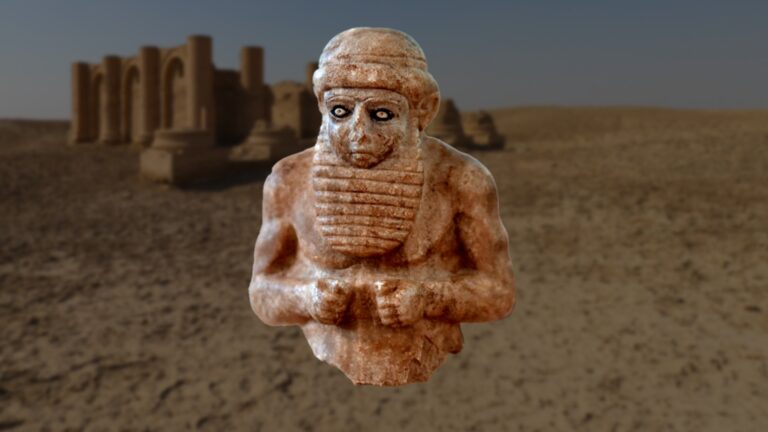
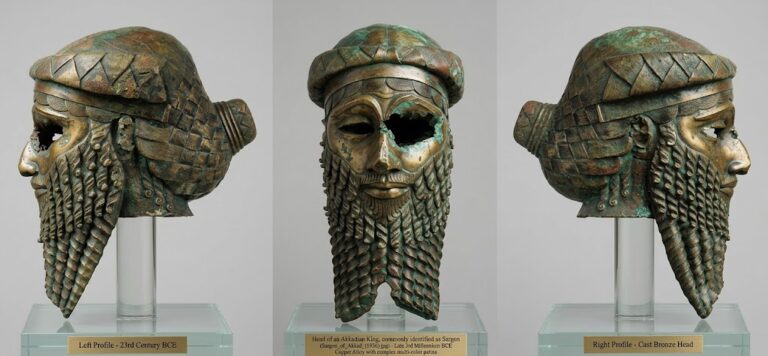
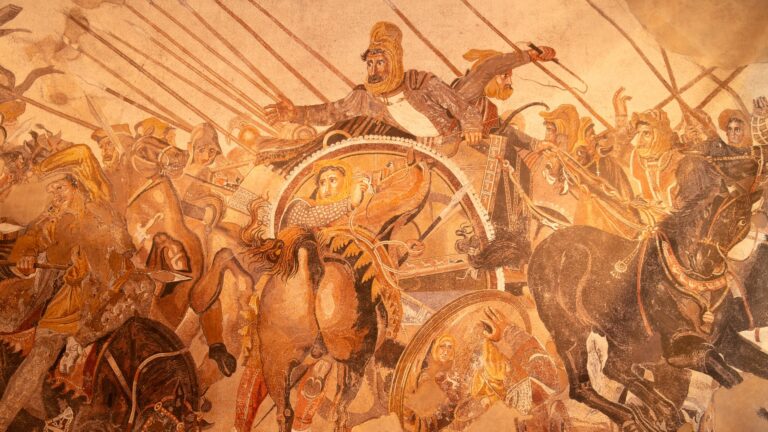
The Ancient period encompasses the rise of the first complex, literate urban societies. This era includes Mesopotamia, Egypt, the Indus Valley, China, Greece, and Rome. A key development was the creation of permanent laws, centralized governments, and monumental architecture. The period also saw the establishment of major philosophical and religious traditions. It set the intellectual and political foundations for many later global civilizations.
Principles or Key Aspects of Ancient:
- Literate Society: The widespread use of writing systems is a defining feature of this period.
- Urban Centers: Civilizations were characterized by large, densely populated cities.
- Centralized Power: Rule was typically concentrated in kings, emperors, or complex state bureaucracies.
- Foundation Building: Major legal, mathematical, and architectural forms were established during this time.
- Diverse Geography: The term covers distinct but often interconnected civilizations across the globe.
Ethical Considerations for Ancient
- Eurocentrism: The term often defaults to a focus on Greek and Roman history, overlooking other Ancient civilizations.
- Colonialism: The study of non-Western Ancient cultures has sometimes been tied to colonial practices and biases.
- Artifact Ownership: Debates over the rightful ownership of Ancient artifacts remain a major ethical concern.
- Destruction: Ancient sites are constantly threatened by conflict, development, and climate change.
Relevance to Ancient Worlds
The term Ancient is crucial for understanding the past because it:
- Establishes Chronology: It provides a necessary demarcation point for studying world history.
- Defines Sources: Historians rely on the written records and material culture from this era.
- Highlights Foundations: The achievements of Ancient civilizations still influence modern law, politics, and art.
- Identifies Systems: It helps classify early examples of complex state-level organization.
- Informs Identity: The history and mythology of the Ancient world remain central to many cultures today.