Table of Contents: Definition – Annona
“Annona”
Pronunciation: /əˈnoʊnə/ (uh-NOH-nuh)
Part of Speech: Noun
Annona Definition (Roman Historical Context)
Annona refers to the Roman state’s complete system for managing the grain supply and distribution. It includes the mandatory purchase, transport, storage, and dispensing of food, primarily wheat. This vast infrastructure was essential for feeding the large population of the city of Rome. Control of the Annona was a critical function of the Roman emperors. The system ensured basic sustenance for the urban poor through subsidized or free distributions.
Origin of the Word “Annona”
The word comes from the Latin term annus, meaning “year.” Originally, Annona meant the yearly produce or harvest. Over time, the meaning shifted to denote the state’s role in managing that annual supply.
Examples:
General Use: “In addition, the failure of the harvest led to a crisis in the metropolitan Annona.”
Administrative Context: “Similarly, the officials managing the Annona held immense bureaucratic power in the empire.”
Historical Context: “Consequently, disruptions in the supply chain caused rapid increases in the price of bread.”
Economic Context: “Moreover, Egyptian grain shipments were crucial to the functioning of the urban food supply.”
Vocabulary and Language Resources
Terms Related to Annona
- Cura Annonae: The office responsible for overseeing the grain supply system, for example.
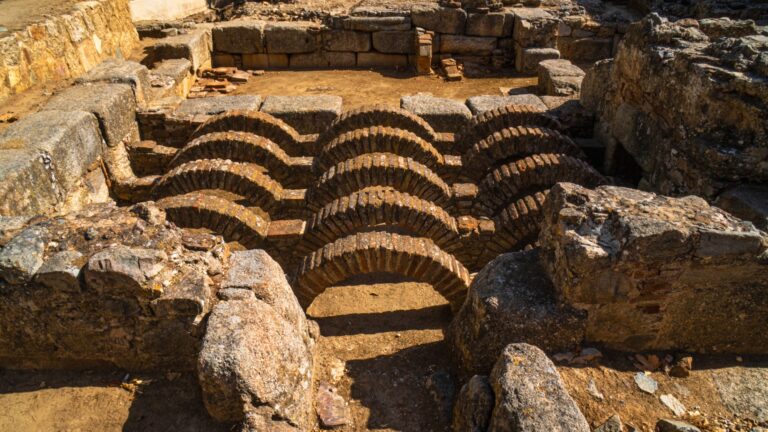
- Horrea: Large public storehouses used for stockpiling grain and other provisions.
- Frumentatio: The direct distribution of subsidized or free grain to eligible citizens.
- Egypt: The major imperial province considered the “breadbasket” supplying Rome.
- Ostia: The port city near Rome where imported grain was unloaded and stored.
- Plebs: The common people of Rome who relied heavily on the state’s food supply.
Etymology
Annona: From Latin annus (year), referring to the annual harvest.
Synonyms
Public grain supply, food management system, imperial food control, Roman distribution.
Antonyms:
Private trade (unregulated commercial activity), Subsistence farming (small-scale self-supply).
Thesaurus
Supply, provision, distribution, stockpile, reserve, logistics, sustenance.
Annona Historical & Cultural Context:
The system began during the Roman Republic as a political tool to placate the poor. Early attempts were sporadic and dependent on individual magistrates. Emperor Augustus formalized the Cura Annonae, making the system permanent and centrally controlled. The state used specialized ships and extensive port facilities for transport. The efficient operation of the system was vital to maintaining peace and stability in the capital. The failure of the system often led to riots and political upheaval.
Principles or Key Aspects of Annona:
- State Control: The imperial government centrally managed all aspects of the grain procurement.
- Subsidization: Grain was often sold at low fixed prices or distributed freely to Roman citizens.
- Logistical Challenge: The system required a vast fleet of ships and organized storage facilities.
- Political Tool: Control over the food supply was a major source of imperial power and popularity.
- Focus on Rome: The primary goal was ensuring the stability and feeding of the capital city.
Ethical Considerations for Annona:
- Rural Impact: The state’s demand distorted agricultural economies in key grain-producing provinces.
- Inequality: The free distribution only applied to registered citizens, excluding many poor residents.
- Political Bribery: The system was often used by emperors and politicians to secure public loyalty.
- Forced Sale: Producers in provinces like Egypt were often compelled to sell their grain to the state at set prices.
Relevance to Ancient Worlds
The Annona is crucial for understanding ancient worlds because it:
- Explains Roman Stability: Demonstrates the imperial commitment required to sustain a large ancient metropolis.
- Illustrates Logistics: Reveals the incredible complexity of Roman shipping and supply chain management.
- Shows Imperial Power: Control over the essential food source was a fundamental pillar of the Emperor’s authority.
- Informs Economics: Provides a key example of state-controlled markets and price ceilings in antiquity.
- Defines Citizenship: Entitlement to the frumentatio was a defining privilege of Roman citizenship..