Table of Contents: Definition – Aquatint
“Aquatint”
Pronunciation: /ˈækwətɪnt/ (AK-wuh-tint)
Part of Speech: Noun
Aquatint Definition (Art History Context)
Aquatint is a type of intaglio printmaking that produces areas of tone rather than just lines. The technique involves dusting a metal plate with rosin powder and heating it. This creates a porous ground that resists acid in a network of tiny dots. The acid bites between these dots, creating pits that hold ink. Varying the etching time creates different shades and tonal effects.
Origin of the Word “Aquatint”
The name is a compound word formed from two Latin elements. Aqua means “water,” referring to the fluid, wash-like effect of the finished print. Tinctus or tinctura means “dye” or “tint.” The combined term accurately describes the finished look of the print.
Examples:
General Use: “In addition, the museum featured a famous Goya print created using the Aquatint technique.”
Art History Context: “Similarly, the tonal gradations in the print were achieved through multiple acid baths and stopping-out.”
Technical Context: “Consequently, the artist prepared the copper plate by dusting it with fine rosin powder before heating.”
Printmaking Context: “Moreover, the artist often combined Aquatint with traditional etching for both line and tone.”
Vocabulary and Language Resources
Terms Related to Aquatint
- Intaglio: A printmaking technique where the image is incised into a surface, for example.
- Etching: A method using acid to bite into the metal plate to create recessed lines.
- Rosin: A brittle, natural resin used to create the porous ground on the plate.
- Stopping-out: The process of covering areas with an acid-resistant varnish to control tone.
- Engraving: A printmaking technique where lines are incised directly by a sharp tool.
- Mezzotint: A non-acidic intaglio technique that also creates rich tonal areas.
Etymology
Aquatint: From Latin aqua (water) + tinctus (tint, dye).
Synonyms
Etched wash, tonal etching, dusted ground printmaking, rosin-ground technique.
Antonyms:
Line engraving (only lines), woodcut (relief printmaking), lithography (planographic printmaking).
Thesaurus
Printmaking, technique, method, process, art form, engraving, etching.
Aquatint Historical & Cultural Context:
The technique developed in Europe in the mid-18th century. Before this, printmakers relied on dense parallel lines for creating shadows and tones. The invention of Aquatint allowed artists to achieve softer, painterly effects that resembled ink or watercolor washes. Francisco Goya popularized the technique in the late 18th and early 19th centuries. His powerful Caprichos and Disasters of War series utilized this tonal method extensively.
Principles or Key Aspects of Aquatint:
- Tonal Control: Different immersion times in the acid yield varying depths and ink holding capacity.
- Rosin Ground: The finely powdered rosin creates the essential granular texture.
- Intaglio Process: Like etching, the recessed areas hold the ink that transfers to the paper.
- Painterly Effect: The resulting print has the appearance of a subtle, monochrome watercolor.
- Multiple Biting: The plate may be immersed in the acid several times to achieve layered tones.
Ethical Considerations for Aquatint:
- Materials Safety: The process involves the safe handling and disposal of strong acids and solvents.
- Originality: The distinction between an original print and a reproduction must be clear for valuation.
- Plate Damage: Repeated use can wear down the delicate grain, necessitating restoration of the plate.
- Fume Control: Proper ventilation is necessary to protect the artist from acid fumes.
Relevance to Ancient Worlds
Aquatint is crucial for understanding ancient worlds because it:
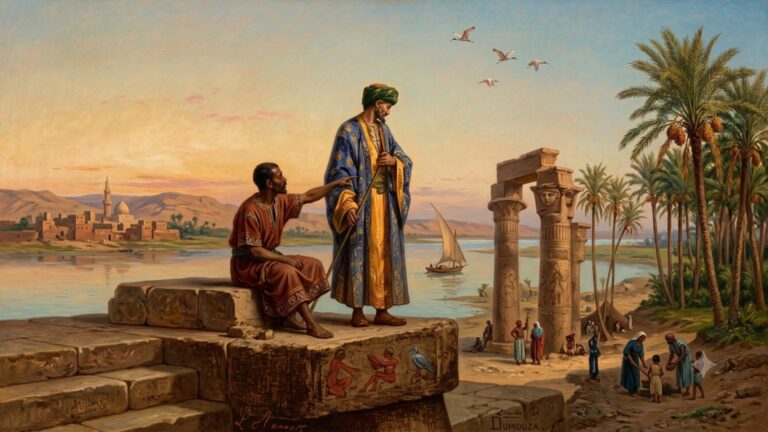
- Documented Sites: Prints of famous ancient ruins were widely disseminated using this technique in the 18th century.
- Spread Knowledge: Tonal prints made ancient sculptures and monuments accessible to broader audiences.
- Aided Antiquarians: The visual quality allowed for detailed illustration in early archaeological publications.
- Influenced Art: The technique helped bridge the gap between drawn studies of antiquity and mass-produced prints.
- Supported Education: Art academies used detailed aquatint reproductions to teach classical form and history.