Table of Contents: Definition – Archaeology
“Archaeology “
Pronunciation: /ˌärkiˈäləji/ (ar-kee-OL-uh-jee)
Part of Speech: Noun (uncountable, academic field)
Archaeology Definition:
Archaeology is the systematic study of past human societies and their cultures through the recovery and analysis of material remains. This interdisciplinary field examines artifacts, architecture, landscapes, and environmental data to reconstruct human history and prehistory. It seeks to understand past technologies, behaviors, social structures, and belief systems, tracing the long-term evolution of human civilizations across time and space. Unlike history, which primarily uses written records, archaeology provides the primary evidence for periods before or lacking extensive textual documentation, relying on careful excavation, scientific dating methods, and the contextual interpretation of physical evidence to build narratives about past lifeways.
Etymology
From Greek arkhaiologia (“ancient history”), combining arkhaios (“ancient”) + logia (“study of”). First appeared in English in the early 17th century.
Synonyms
Antiquarianism (historical, less scientific), prehistory (focuses on periods before written history), paleontology (study of ancient life, including but not limited to humans).
Antonyms
History (primarily relies on written records), futurology (study of the future), contemporary studies.
Related Terms
Excavation: The systematic digging and recovery of archaeological remains.
Stratigraphy: The layering of archaeological deposits, used to establish relative dating.
Dating Methods: Techniques like radiocarbon dating and dendrochronology used to determine the age of archaeological materials.
Material Culture: The physical objects created and used by a society.
Biofacts: Natural materials (e.g., plant remains, animal bones) that provide information about past environments and human interactions with them.
Cultural Landscape: The human-modified environment that reflects cultural values and practices.
Archaeology Historical & Cultural Context:

Cultures & Archaeology:
- Egyptology: Focused on the archaeology of ancient Egypt (pyramids, tombs, mummies).
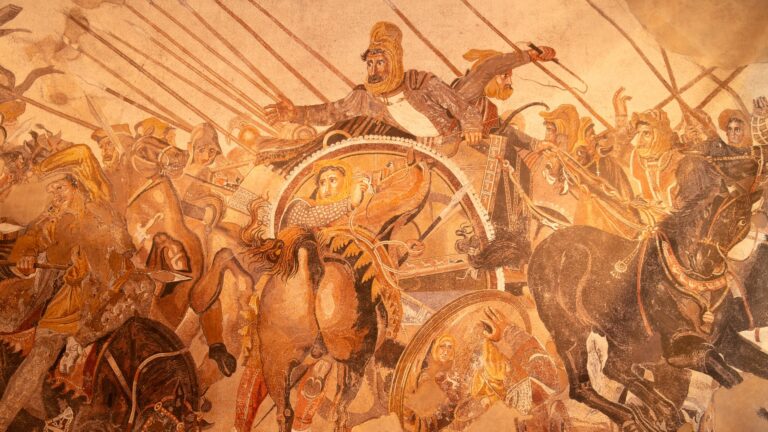
- Classical Archaeology: Studies the civilizations of ancient Greece and Rome (temples, cities, art).
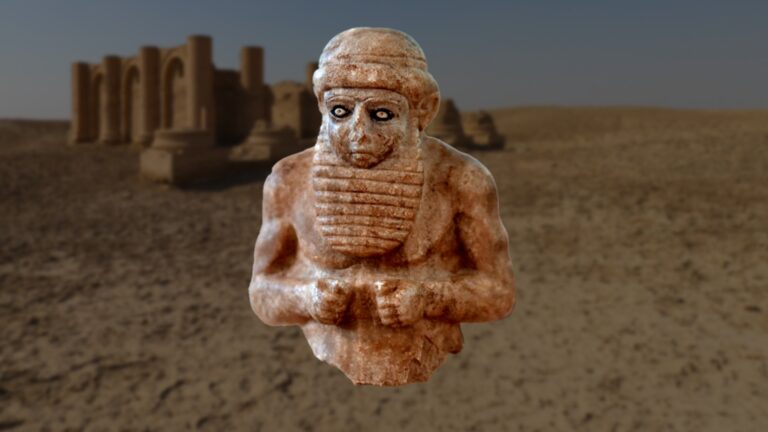
- Near Eastern Archaeology: Explores the ancient cultures of Mesopotamia, the Levant, and Anatolia (tells, cuneiform tablets).
- Prehistoric Archaeology: Investigates human history before the development of writing (Paleolithic tools, cave paintings).
- Historical Archaeology: Studies more recent periods with the aid of historical texts (colonial settlements, industrial sites).
Civilizations & Archaeology:
- Indus Valley Civilization: Archaeological discoveries revealing sophisticated urban planning and artifacts.
- Minoan Civilization: Excavations at Knossos uncovering palaces and unique art.
- Olmec Civilization: Archaeological sites with monumental stone heads and early Mesoamerican culture.
- Angkor Civilization: The vast temple complexes of Angkor Wat and Angkor Thom.
Landmarks and Archaeology:
- Olduvai Gorge (Tanzania): Rich site of early hominin fossil and tool discoveries.
- Pompeii and Herculaneum (Italy): Roman cities preserved by volcanic eruption, offering a snapshot of daily life.
- Göbeklitepe (Turkey): Earliest known megalithic structures, predating agriculture.
- Mesa Verde (USA): Ancestral Puebloan cliff dwellings.
Relevance to Ancient Worlds
Archaeology provides the primary evidence for understanding:
- Early Human Migration: Tracing the movement of hominin populations across the globe through fossil and tool finds.
- The Development of Agriculture: Identifying the origins and spread of farming practices through plant and animal remains.
- The Rise of Cities and States: Excavating urban centers and analyzing their social and political organization.
- Lost Languages and Writing Systems: Discovering and deciphering ancient scripts on tablets and monuments.
- Technological Innovations: Uncovering early tools, metallurgy, and engineering feats.
Art2Fact Society Nuance
Archaeology, for the Art2Fact Society, is the essential process of unearthing the tangible remnants of human ingenuity and cultural expression throughout history. It is the meticulous work that brings forth the artifacts – the ancient tools, artworks, and everyday objects – that serve as direct links to the creative spirit of past civilizations. These unearthed treasures are not viewed as static relics confined to museum displays but as dynamic catalysts for contemporary creativity. Archaeology provides the factual grounding for the “ancient revival project,” offering a deep understanding of historical techniques, materials, and aesthetic principles that can inspire modern artists, designers, and technologists to reinterpret and reimagine the past in innovative ways. The insights gained from archaeological discoveries challenge conventional understandings and provide a rich foundation for a continuous dialogue between the artistry and ingenuity of the ancient world and the creative potential of the present.