Table of Contents: Definition – Historical and Ancient Artifacts
“Artifact “
Pronunciation: /ˈär-tə-ˌfakt/ (AR-tuh-fakt)
Part of Speech: Noun (common, concrete)
“Artifact” Definition
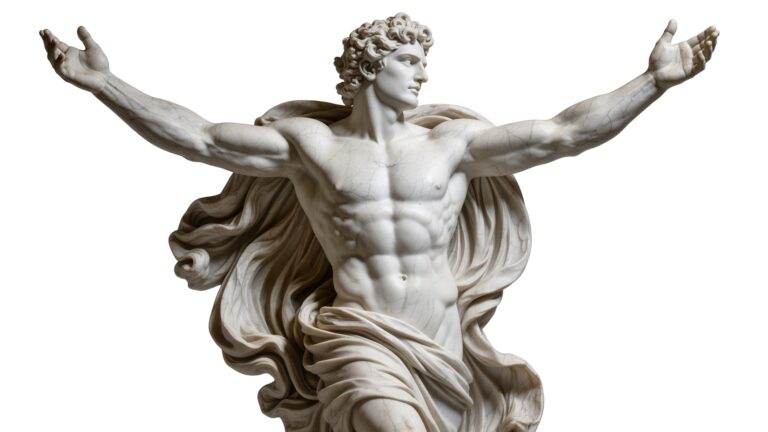
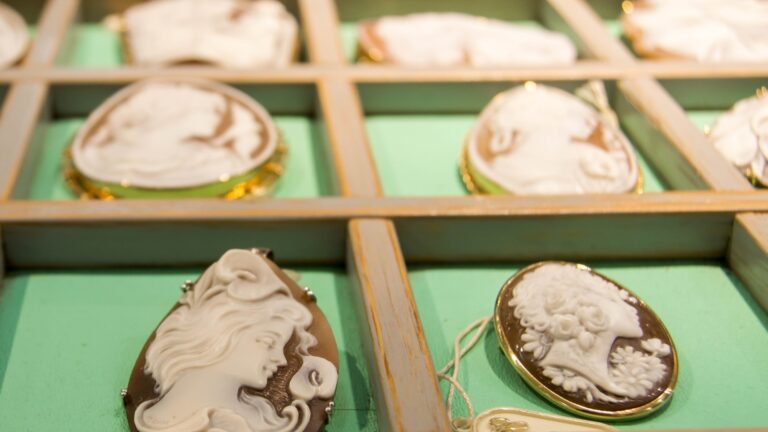
An artifact is any object made, modified, or used by humans, offering a tangible connection to past cultures, technologies, and belief systems. From ancient tools and ceremonial items to everyday household objects, artifacts serve as crucial evidence for understanding how societies lived, traded, worshipped, and evolved. Unlike mere relics confined to museums, artifacts in the Art2Fact Society are seen as dynamic sources of inspiration— sparking modern reinterpretations through art, design, and technology. Whether it’s a Mesopotamian clay tablet, an Egyptian amulet, or a Viking-age brooch, each artifact carries layers of meaning, revealing stories about craftsmanship, trade networks, and cultural exchange. The Society emphasizes their role not just as remnants of history, but as active participants in an ongoing dialogue between antiquity and contemporary creativity. By studying relics, we uncover lost techniques, challenge historical assumptions, and reimagine their relevance in today’s world.
Etymology
From Latin arte (“by skill”) + factum (“thing made”). First used in the 1820s to describe archaeological finds.
Synonyms
Relic, antiquity, cultural object, echo artifact (Art2Fact term for modern re inventions).
Antonyms
Natural object (e.g., un-worked stone), mondernity, now, convention, newness
Related Terms
Echo Artifact: A contemporary object mirroring ancient techniques (e.g., 3D-printed cuneiform tablets).
Cultural Patrimony: Debates over artifact repatriation (e.g., Parthenon Marbles).
Symbology: Study of recurring motifs (e.g., serpent imagery in Aztec and Hindu art).
“Artifact” Historical & Cultural Context

Cultures
Egyptian (e.g., ushabti figurines, canopic jars)
Mesopotamian (e.g., cuneiform tablets, cylinder seals)
Greco-Roman (e.g., pottery, sculptures, coins)
Indigenous Americas (e.g., Olmec jade masks, Inca quipus)
Civilizations
Ancient Egypt (funerary artifacts reflecting afterlife beliefs)
Classical Greece (vases that depict myths and daily life)
Maya Civilization (jade and obsidian ceremonial objects)
Viking Age (runestones, weaponry, and hoards)
Landmarks
The Rosetta Stone (British Museum) – Key to deciphering hieroglyphs.
Terracotta Army (Xi’an, China) – Funerary art guarding an emperor’s tomb.
Lascaux Cave Paintings (France) – Paleolithic art showing early symbolism.
Machu Picchu’s Artifacts (Peru) – Inca tools and textiles.
Relevance to Ancient Worlds
Artifacts are primary sources for understanding:
- Trade (e.g., Phoenician glass beads found in Scandinavia).
- Religion (e.g., Oracle bones of Shang Dynasty China).
- Technology (e.g., Antikythera Mechanism as an ancient “computer”).
- Social Hierarchy (e.g., Gold death masks of Mycenaean kings).
Art2Fact Society Nuance
An object made, modified, or used by humans, typically of historical, cultural, or artistic significance, serving as tangible evidence of past societies. To the Art2Fact Society, an artifact is not merely a relic of the past but a conversation starter—a bridge between ancient and modern creativity. It embodies the “ancient revival project” by inspiring contemporary reinterpretations, whether through art, technology, or philosophy.