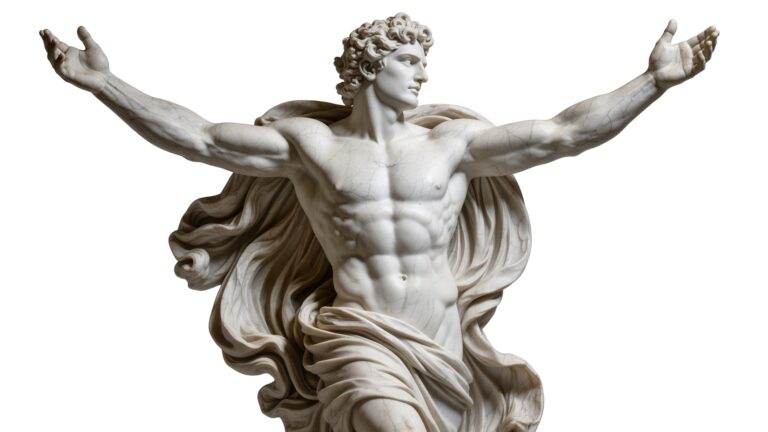
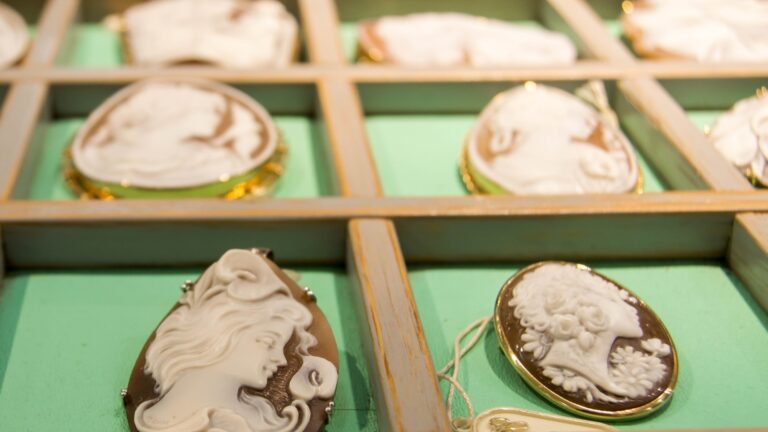
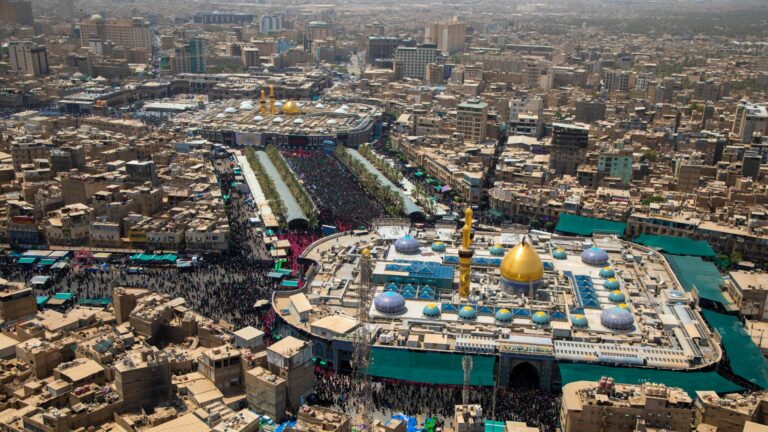
“Backlighting “
Pronunciation: /ˈbæklʌɪtɪŋ/ (BAK-lye-ting)
Part of Speech: Noun
Quick Definition: Illumination technique where the light source is positioned behind the subject relative to the observer or camera.
General Use: “A museum curator may use controlled Backlighting on a piece of ancient stained glass. Consequently, this allows the vivid colors and internal details of the artifact to be fully revealed to the visitor.”

Transillumination Effect – When Backlighting is used with translucent objects like stained glass or paper, it makes the object itself the light source. This is a monumental display that showcases the artwork’s intrinsic beauty.
Conservation Limits – While visually stunning, Backlighting on sensitive artifacts must be tightly regulated. The focused light, even from LEDs, must be monitored to ensure it delivers extremely low-intensity levels. This prevents light-induced fading.
Creating Drama – The deliberate contrast between a bright, rim-lit object and a dark surrounding space instantly creates a sense of solemnity and drama. This elevates the object to a monumental status within the exhibition space.
Did you know?
The principle of Backlighting in display design is not just artistic but also practical. For instance, in an exhibition of ancient papyri, light placed behind the fragile document can make faded ink inscriptions much clearer and easier to read. Furthermore, the use of fiber optic cables allows light to be piped into small, sensitive cases. This delivers the effect without the heat damage associated with traditional bulbs.
Backlighting Definition (Primary Context)
In a museum setting, Backlighting is a controlled, focused application of illumination from the rear. It is used primarily on two types of artifacts: opaque objects, to create a sharp rim light that defines their form; and translucent objects, through a technique called transillumination, to reveal internal features and color saturation. This technique is highly valued for creating a dramatic and dimensional presentation. The lighting fixtures used must be discreetly concealed to enhance the mystery of the glowing artifact.

English: Compound of back (behind) and lighting (illumination), describing the placement of the light source.

Transillumination, Rim Lighting, Contre-Jour (French, against the light), Display Glow.

Front Lighting, Flat Lighting, Broad Lighting.

Illumination, Exhibit Design, Display Method, Visual Art.
Historical Context of Backlighting
The museum’s conscious use of dramatic Backlighting grew out of the shift toward immersive, theatrical exhibition design in the mid-20th century. Earlier museum practices favored flat, uniform lighting that prioritized accurate color rendering over emotional impact. The refinement of cool, precise light sources, such as fiber optics and LEDs, in the late 20th and 21st centuries made intricate Backlighting possible without posing a conservation threat to delicate organic and painted materials.

Social Context of Backlighting
The strategic use of Backlighting directly influences visitor engagement and the perception of an artifact’s value. By emphasizing visual drama and isolating an object from the general clutter of an exhibit, curators communicate its exceptional importance. Therefore, the technique transforms a simple artifact into a focal point of reverence and attention. Furthermore, it helps guide the visitor’s focus through a carefully curated narrative sequence.
| Area of Influence | Significance and Impact |
| Curatorial Focus | The technique isolates the most important pieces of an assemblage. This emphasizes their significance to the visitor experience. |
| Perceptual Depth | It separates the object from its casing or wall. This makes the artifact appear more three-dimensional and dynamic. |
| Material Revelation | Backlighting can uniquely reveal the internal structure of translucent materials. This includes ancient glass, minerals, or layered papyrus. |
| Emotional Impact | The use of high contrast lighting creates a dramatic, even sacred, effect. This enhances the object’s cultural or religious resonance. |
Terms Related to Backlighting
The application of Backlighting in museum settings involves specialized lighting equipment and concepts. Understanding these related terms provides essential context for display aesthetics. This provides a clearer view of the technical framework surrounding exhibition lighting.

| Term/Concept | Description and Relevance |
| Transillumination | The specific use of the technique on translucent artifacts. This allows light to pass through the material. |
| Fiber Optics | A system used to deliver cool, focused light to a display case. This enables safe and hidden backlighting. |
| Lux Level | The unit of measure for illuminance. This is strictly monitored to ensure the backlighting intensity does not damage sensitive items. |
| Rim Light | The bright contour of light that forms around the edge of an opaque object when backlighting is used. |
| Fill Light | Auxiliary light used to soften the shadows created by the backlighting. This ensures key details are not entirely lost. |
| Egress Lighting | Lighting used for safety and direction within the museum space. This contrasts with the dramatic accent lighting. |
Sources & Credits
Sources
- Thomson, G. “The Museum Environment.” Butterworth-Heinemann, 1986. [Historical source]
- Pevsner, N. “A History of Building Types.” Princeton University Press, 1976. [Historical source]
- “Lighting Design for Museum Exhibits.” The Getty Conservation Institute Newsletter, 2005. [Definition site]
- Light, S. “Museum Exhibition Design: A Practical Approach.” Routledge, 2018. [Historical source]
- Loe, D. L. “A Guide to Museum Lighting.” Museums & Galleries Commission, 1993. [Historical source]