“Biscuit Firing”
Pronunciation: /ˈbɪskɪt ˈfaɪərɪŋ/ (BIS-kit FY-er-ing)
Part of Speech: Noun
Quick Definition: The first firing of pottery, typically to a lower temperature than the final glaze firing, to harden the clay body.
General Use: “Before applying the delicate blue underglaze, the potter always ensures the bowl goes through the Biscuit Firing. Consequently, this makes the clay hard enough to handle without crumbling during the next stage.”

Preparing the Canvas – The monumental importance of the Biscuit Firing lies in creating a stable, porous surface. This is the canvas upon which all subsequent artistic glazing and decoration are applied, making the process fundamental to the final art.

The Biggest Risk – The greatest risk of the entire ceramic process occurs during the Biscuit Firing. Clay contains chemically bound water that must be slowly expelled. If heated too quickly, steam builds up inside the piece, causing it to explode.
Temperature Variability – The temperature for a Biscuit Firing varies significantly based on the clay type, ranging from cone 010 (876°C) for earthenware to cone 5 (1,186°C) for some high-fire stonewares. This monumental range is dictated by the chemical properties of the clay.
Did you know?
The term biscuit is derived from the Old French word meaning “twice-cooked.” While ceramics are typically fired twice (once for the bisque, and once for the glaze), the Biscuit Firing is technically the first step in this heating process. The resulting material is opaque and unvitrified. Therefore, it remains absorbent, which is its defining characteristic for the next stage.
Biscuit Firing Definition (Primary Context)
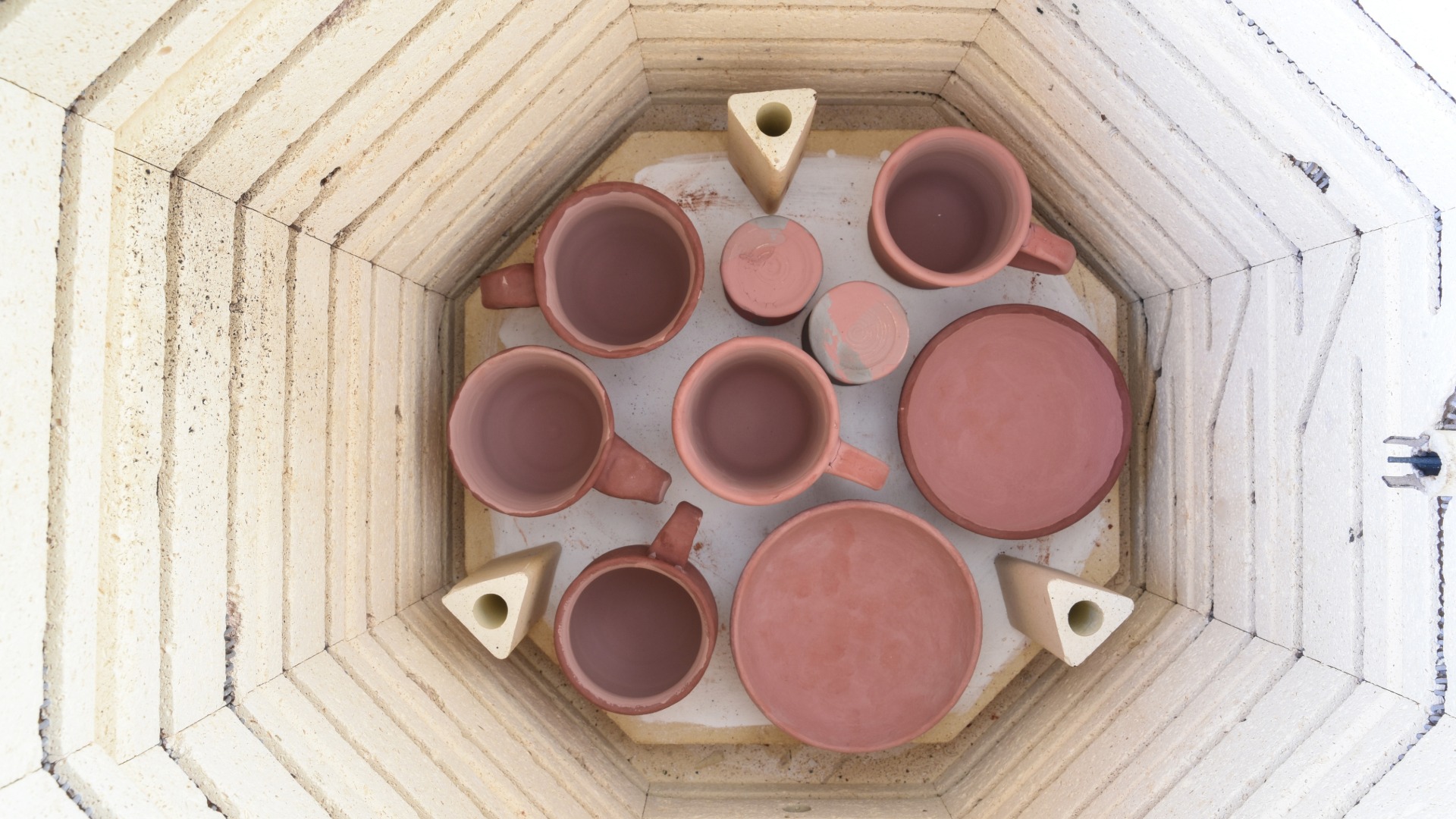
The Biscuit Firing transforms greenware (unfired, bone-dry clay) into bisque or biscuit ware. This firing typically involves a slow, careful temperature ramp-up to safely eliminate mechanical water and then chemically bound water. The temperature is usually high enough to initiate sintering (the fusing of particles) but low enough to prevent vitrification (becoming glass-like). The final bisque piece is durable, resistant to water, but still porous. This porosity is essential for the even application of liquid glazes, which soak into the surface.

Old French: bis cuit, meaning “twice cooked,” referring to the common two-step firing process in ceramics.

Bisque Firing, First Firing, Greenware Firing.

Glaze Firing (second firing), Raw Firing (single firing process).

Firing Cycle, Kiln Process, Ceramic Production, Heat Treatment.
Historical Context of Biscuit Firing
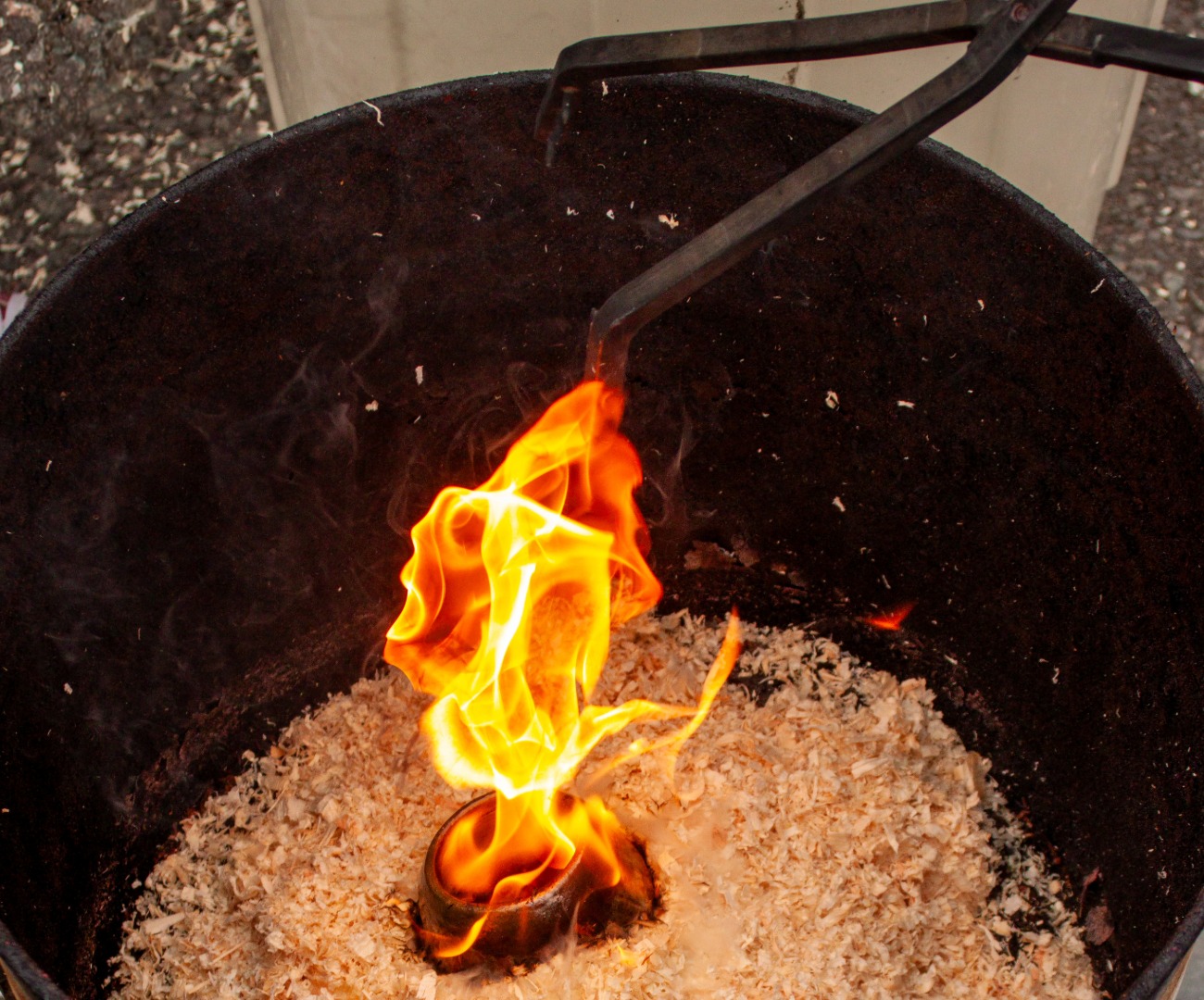
All ancient civilizations that developed pottery, including those in Mesopotamia, Egypt, and China, utilized a process equivalent to the Biscuit Firing. They recognized the necessity of a hardening phase before adding decoration. However, the precise two-step firing process (bisque followed by glaze) became standardized and refined with the introduction of high-fire porcelain in China during the Tang and Song Dynasties. In Europe, the Biscuit Firing was crucial for developing fine porcelain, notably in Meissen and Sèvres.
Social Context of Biscuit Firing
The need for a dedicated Biscuit Firing reflects the industrial specialization and high skill level required in ceramic production. It necessitates reliable, large-capacity kilns and precise temperature control, technologies often requiring significant investment. Therefore, the consistent production of high-quality bisque ware was a hallmark of sophisticated, centralized ceramic workshops. This specialization contributed to the ability to mass-produce complex, finely glazed luxury goods.
| Area of Influence | Significance and Impact |
| Glaze Adhesion | The porosity created by the Biscuit Firing is crucial. It allows the liquid glaze to adhere evenly before the final firing. |
| Handling Safety | The piece is strong enough after this step to be handled, dipped, and painted. This prevents breakage during the glazing phase. |
| Material Testing | Observing the finished bisque ware helps potters detect flaws in the clay body. This saves expensive glazing materials from being wasted in a second firing. |
| Energy Consumption | The duration and temperature of the Biscuit Firing are major factors in the overall energy use. This impacts the economic viability of the workshop. |
Terms Related to Biscuit Firing
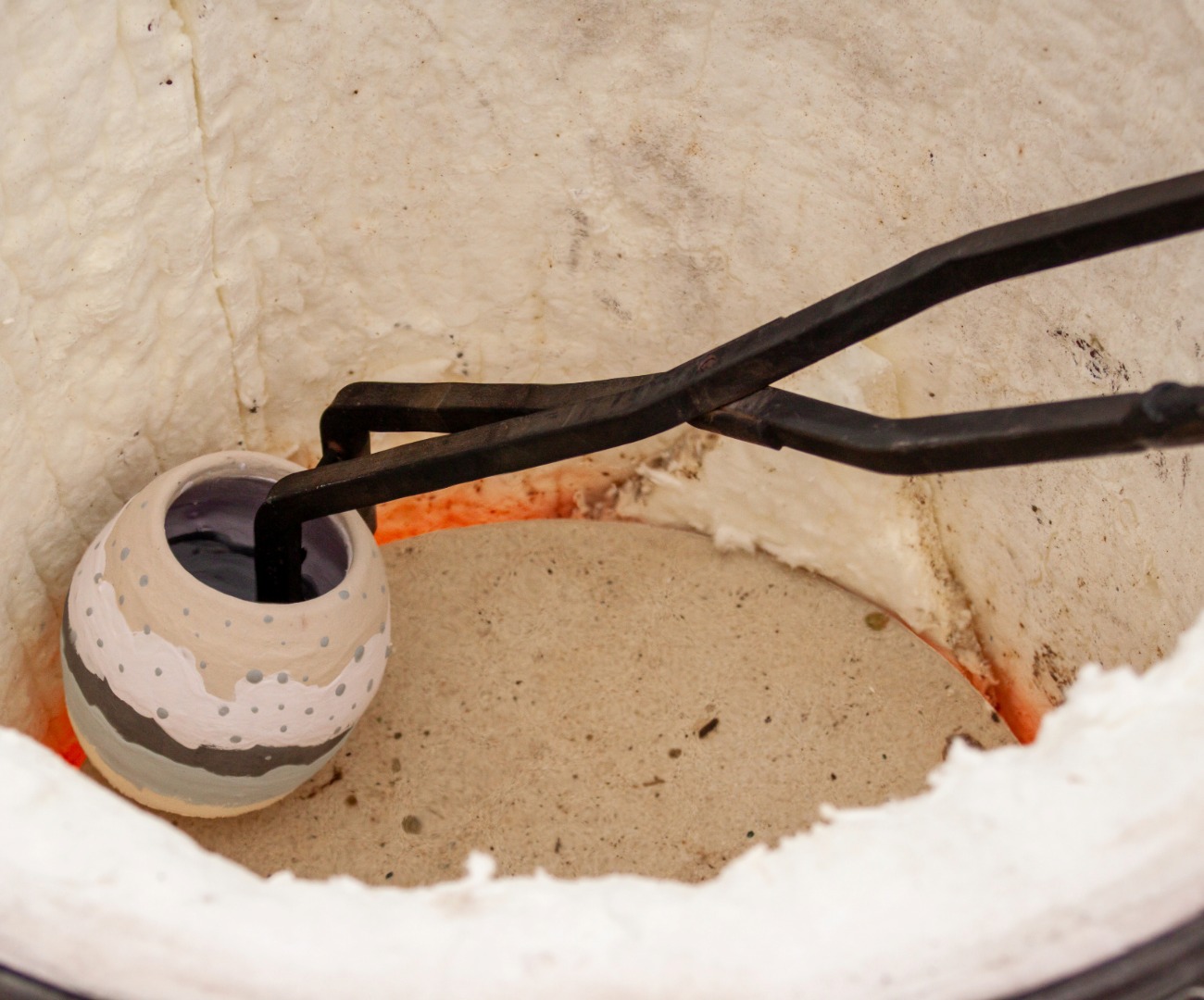
Understanding the process of Biscuit Firing requires context regarding the materials before and after this stage. This provides essential context for ceramic technology. This provides a clearer view of the technical framework surrounding pottery production.
| Term/Concept | Description and Relevance |
| Greenware | The unfired, bone-dry clay object that is placed into the kiln for the initial firing. |
| Glaze Firing | The second and usually hotter firing cycle. This melts the applied glaze to create a glassy surface. |
| Vitrification | The process where the clay body melts to form a non-porous, glassy mass. This is avoided in the biscuit stage. |
| Kiln | The specialized oven used to heat the ceramics. The controlled temperature is essential for a successful biscuit firing. |
| Pyrometric Cone | Small ceramic indicators placed in the kiln. These melt at specific temperatures to signal when the firing is complete. |
| Earthenware | A low-fire clay body. This clay requires a lower biscuit temperature than high-fire stoneware or porcelain. |
Sources & Credits
Sources
- Rhodes, D. “Clay and Glazes for the Potter.” Krause Publications, 2000. [Historical source]
- Hamer, F., and J. Hamer. “The Potter’s Dictionary of Materials and Techniques.” University of Pennsylvania Press, 2004. [Historical source]
- “Biscuit Firing.” The Ceramic Arts Network. [Definition site]
- The Victoria and Albert Museum. “Ceramics Manufacturing Processes.” Curatorial Notes. [Museum site]
- Nelson, G. F. “Ceramics: A Potter’s Handbook.” Thomson Delmar Learning, 2005. [Historical source]