“Blowpipe”
Pronunciation: /ˈbloʊpaɪp/ (BLOH-pipe)
Part of Speech: Noun
Quick Definition: A simple tube used for propelling lightweight darts or projectiles using the force generated by the human breath.
General Use: “The indigenous hunter silently raised the seven-foot Blowpipe toward the monkey high in the canopy. Consequently, the nearly soundless weapon was ideal for securing fast-moving prey without scaring away other animals.”

Toxicity and Silence – The monumental importance of the Blowpipe in certain cultures, like those in the Amazon and Southeast Asia, is its use with curare or other fast-acting poisons. This transformed a small dart into a deadly, silent weapon.

Internal Bore – The hidden engineering challenge of a reliable Blowpipe is maintaining a smooth, consistent internal bore. Any imperfection inside the tube drastically reduces the projectile’s velocity and accuracy.
Non-Lethal Use – Today, the Blowpipe is often used by researchers and conservationists. They propel anesthetic darts at animals for tagging, study, or relocation, giving the simple tool a monumental new role in conservation.
Did you know?
The effective range of a well-made Blowpipe can be surprisingly long, reaching over 30 meters (100 feet) with reasonable accuracy. The key to its power is the tight fit of the dart’s plug, which allows maximum force transfer from the breath to the projectile. Therefore, the combination of silence, accuracy, and poison made it one of the most effective ancient hunting tools.
Blowpipe Definition (Primary Context)
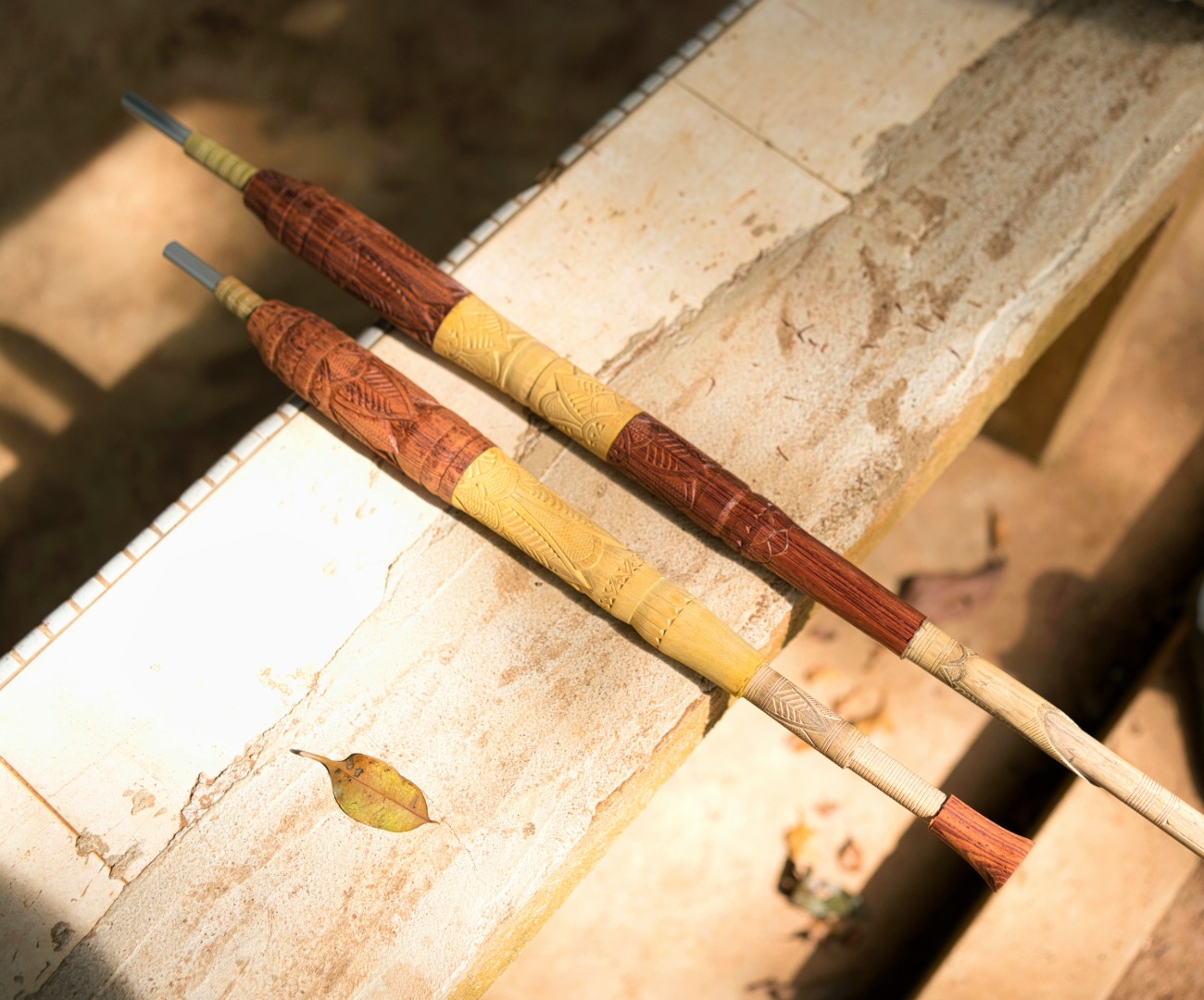
The Blowpipe is classified as a projectile weapon. It consists of a tube, usually made from a single length of hollowed-out cane (like bamboo) or wood, and a dart or pellet that is slightly smaller than the tube’s diameter. The dart has a fletching or stabilizer (often cotton or kapok) that seals the tube and channels the expelled air pressure. The projectile accelerates due to the pressure differential created by the sudden expulsion of air from the user’s lungs. The length and straightness of the Blowpipe are critical factors in achieving maximum velocity and accuracy.

English: Compound of blow (to expel air) and pipe (a hollow cylindrical object), describing the function and form.

Blowgun, Zarbatana (Spanish/Portuguese), Sumpitan (Malay/Indonesian), Air-Propelled Tube.

Bow and Arrow (string-propelled), Sling (centrifugal force-propelled), Atlatl (lever-propelled).

Weapon, Hunting Implement, Projectile Launcher, Tube.
Historical Context of Blowpipe
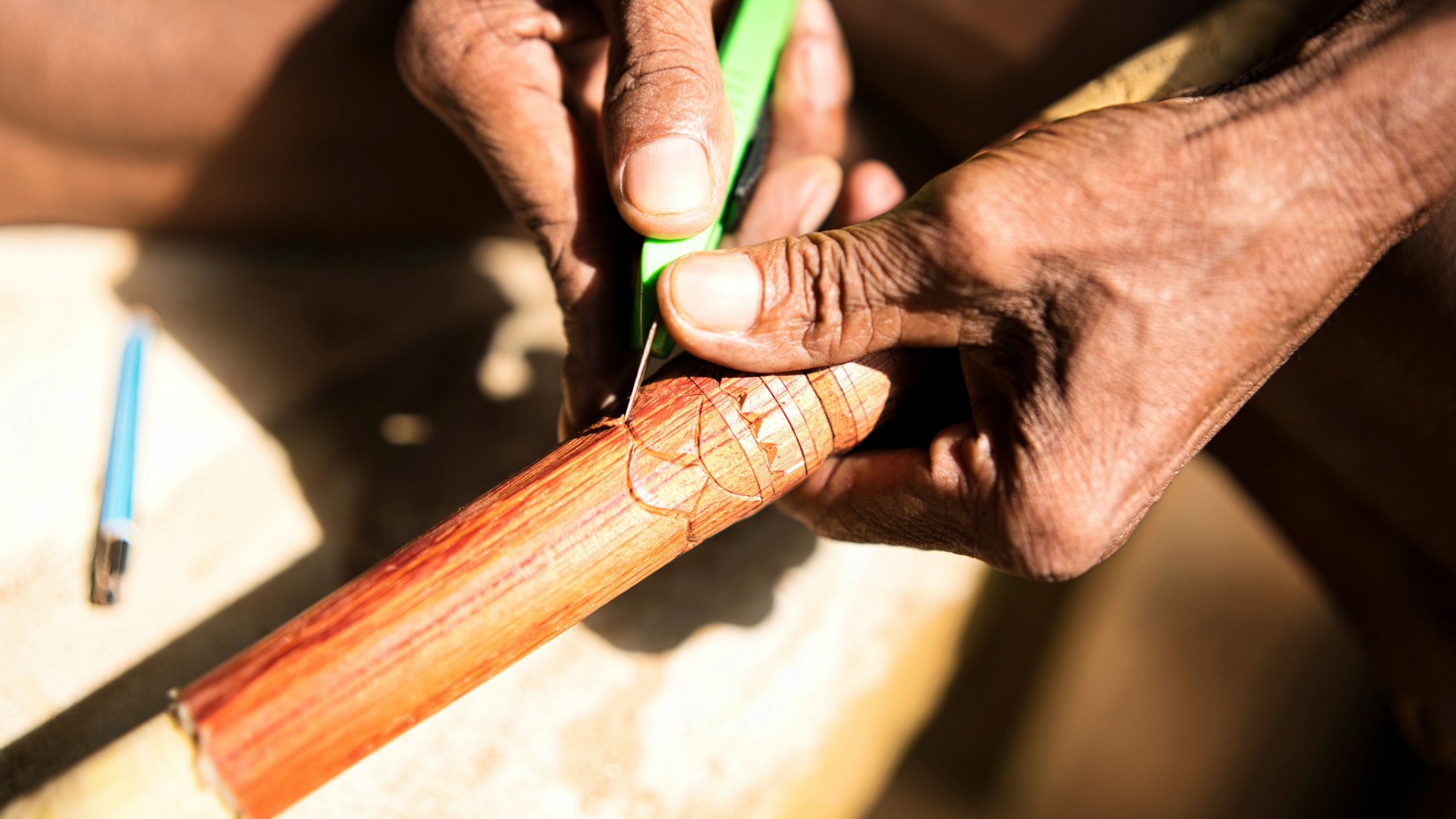
The Blowpipe developed independently in two major geographical regions: Southeast Asia (Indonesia, Malaysia, Philippines) and the Americas (Amazon Basin and parts of Central America). In both areas, the weapon was critical for hunting small, canopy-dwelling animals, particularly monkeys and birds. It dates back at least to the 1st century CE in some regions. While technologically simple, the manufacturing process for a perfectly straight tube required considerable skill. The weapon remained in use as a primary hunting tool until the introduction of firearms.
Social Context of Blowpipe
In cultures that used the Blowpipe, the preparation of the poison, often curare, was a highly specialized, ritualistic task reserved for elders or shamans. Therefore, the knowledge and control of the toxic substance held significant social and religious power. Furthermore, the crafting of a long, straight, and accurate Blowpipe was a mark of maturity and skill for a young male hunter, often marking his entry into the hunting profession.
| Area of Influence | Significance and Impact |
| Hunting Strategy | The weapon’s silence allows the hunter to shoot multiple targets without startling the herd or flock. |
| Poison Preparation | The effectiveness relies heavily on the quality of the paralytic poison used. This specialized knowledge became a guarded secret. |
| Cultural Diffusion | The existence of the weapon in two distinct global regions suggests it was invented independently. This highlights a universal technological need. |
| Tool Material | The local availability of materials, such as specific types of durable bamboo, dictated the size and range of the local Blowpipe design. |
Terms Related to Blowpipe
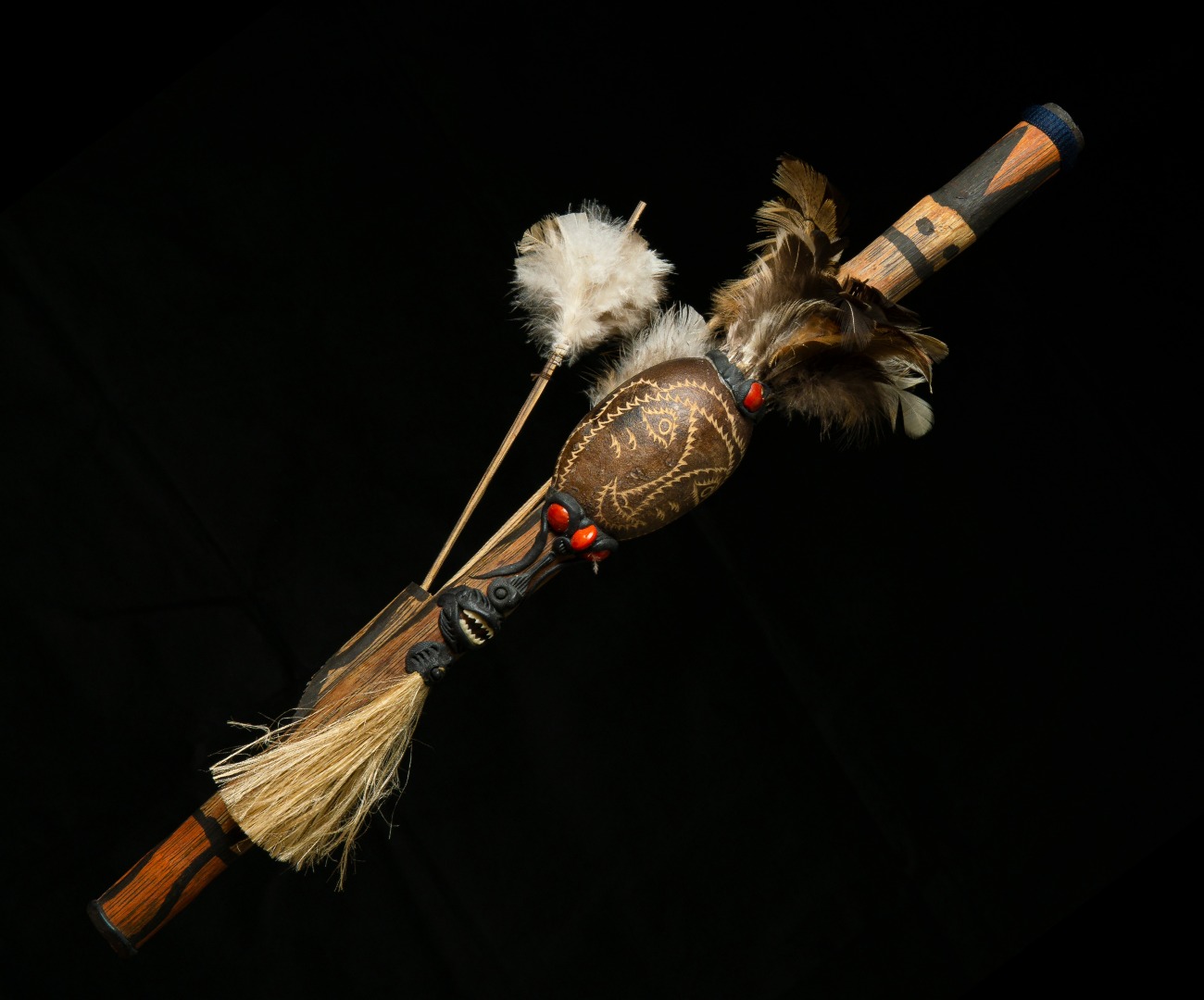
Understanding the use and structure of the Blowpipe involves related components and materials. This provides essential context for projectile technology. This provides a clearer view of the technological framework surrounding silent hunting.
| Term/Concept | Description and Relevance |
| Curare | A powerful neurotoxin derived from plants. This is the classic poison applied to the dart tips for hunting. |
| Dart | The light, thin projectile fired from the tube. Its tip is usually sharpened or poisoned. |
| Fletching | A stabilizing material (like cotton or pith) attached to the rear of the dart. This creates an air seal for propulsion. |
| Sarbacane | A French or Spanish term for the weapon. This is often used in modern sporting contexts. |
| Bore | The internal diameter of the tube. This must be uniform to ensure the dart flies straight and maintains velocity. |
| Quiver | The container used to safely carry the fragile, often poisoned darts. |
Sources & Credits
Sources
- Fardon, R. “African Hunter-Gatherers.” Routledge, 1999. [Historical source]
- Heizer, R. F. “Primitive Man as Hunter.” American Antiquity, 1955. [Historical source]
- “Blowgun.” Encyclopædia Britannica. [Definition site]
- National Museum of the American Indian. “Amazonian Hunting Tools.” Collection Notes. [Museum site]
- The Malaysian Heritage Foundation. “The Sumpitan: Design and Use.” Research Papers. [Historical source]