“Bodhisattva”
Pronunciation: /ˌboʊdiˈsɑːtvə/ (boh-dee-SAHT-vuh)
Part of Speech: Noun
Quick Definition: An awakened or enlightened being motivated by immense compassion (karuna) to aid others before entering final peace.
General Use: “Followers of Mahayana Buddhism strive to emulate the Bodhisattva ideal. Consequently, they take a vow to practice profound compassion and wisdom for the benefit of all living creatures.”

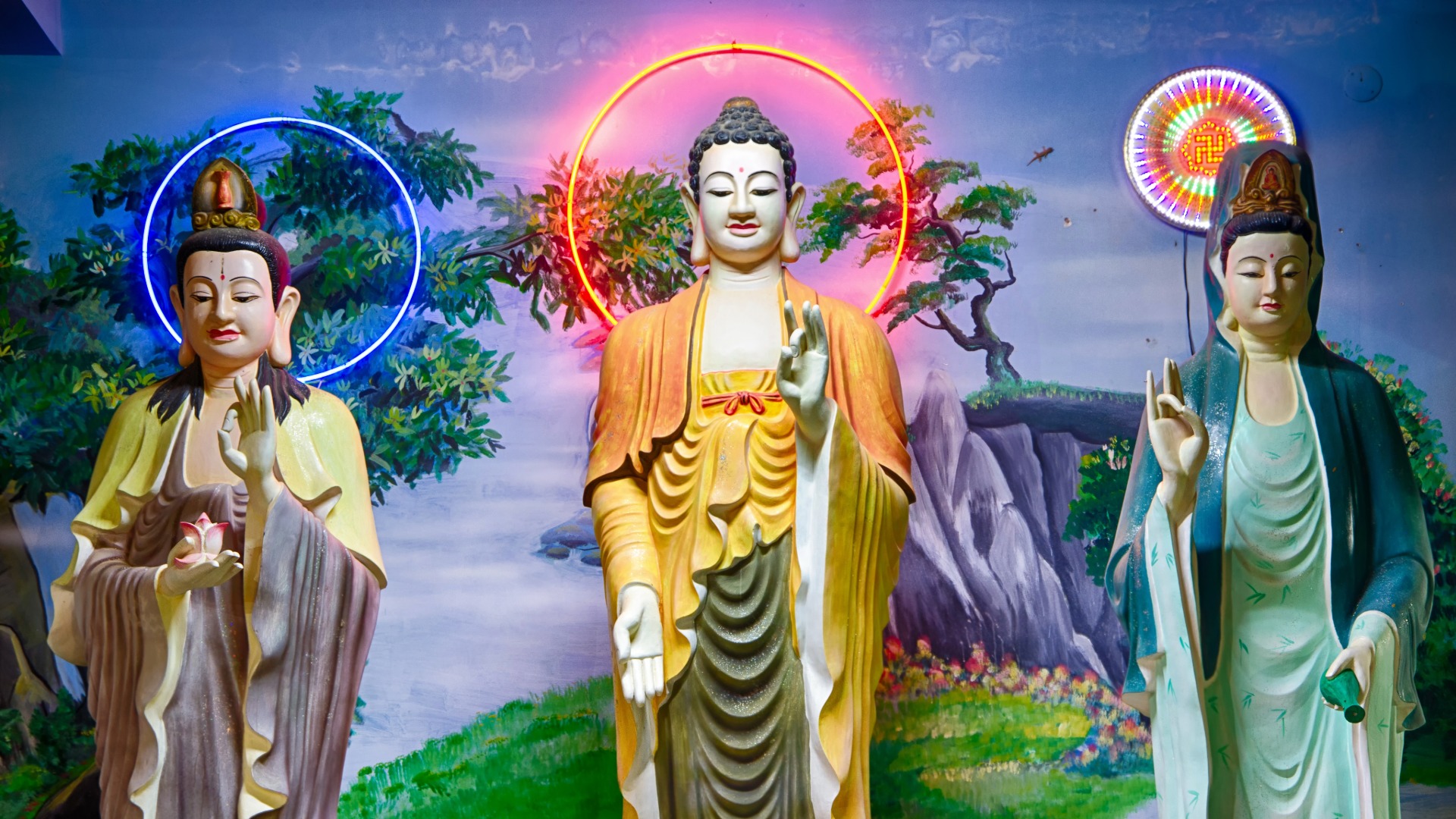
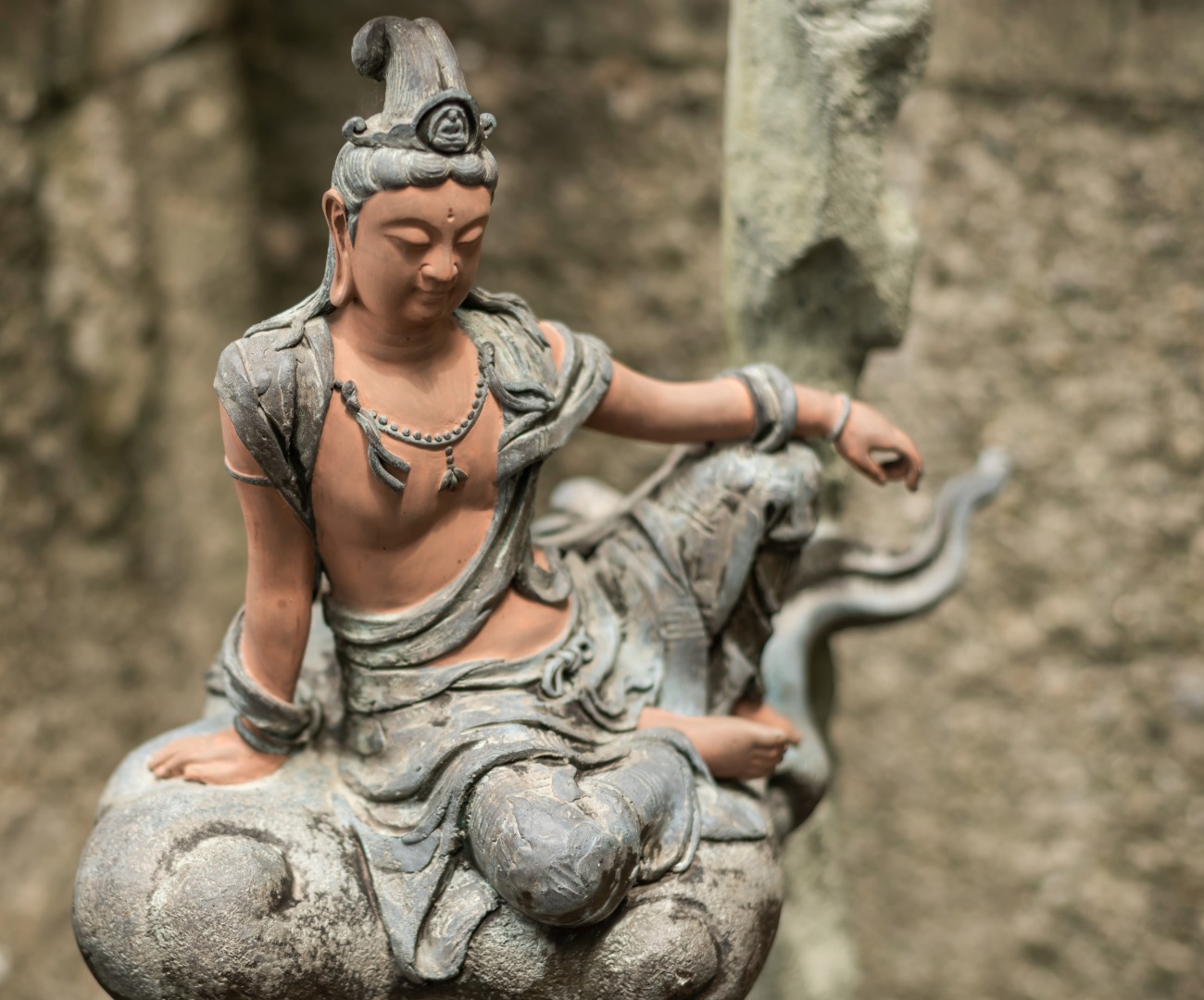
Avalokiteshvara – This figure is the monumental ideal of the Bodhisattva. Often depicted with many arms and heads, the figure represents infinite compassion, constantly reaching out to relieve the suffering of all beings in the world.

The Pratyekabuddha Contrast – The Bodhisattva ideal is sometimes implicitly contrasted with the Pratyekabuddha (Solitary Awakened One). The latter attains enlightenment on their own but then keeps the path secret, choosing a more isolated, less actively compassionate route.

The Tushita Heaven – Before attaining final Buddhahood, the final Bodhisattva is often believed to reside in the Tushita Heaven. From there, they await the optimal time to be reborn on Earth as a Buddha, making their celestial waiting monumental.
Did you know?
The defining characteristic of the Bodhisattva is the Bodhisattva Vow. This is a solemn promise to forgo personal final salvation until all beings are liberated from suffering. This immense compassion (karuna) coupled with deep wisdom (prajna) fundamentally distinguishes Mahayana Buddhism from earlier schools that focused primarily on individual salvation (arhatship).
Bodhisattva Definition (Primary Context)
The term Bodhisattva translates literally from Sanskrit as “enlightenment being” (bodhi meaning enlightenment or awakening, and sattva meaning being or essence). The path to becoming a Bodhisattva is long and arduous, typically described as moving through ten bhūmis (grounds or stages). At the completion of these stages, the being possesses perfect wisdom and power but chooses, out of profound compassion, not to pass into parinirvana. This path is open to everyone, regardless of monastic status, and represents the core spiritual goal of Mahayana Buddhism.

Sanskrit: bodhi (awakening, enlightenment) + sattva (being, existence), meaning “Enlightenment Being.”

Enlightenment Being, Compassionate One, Awakened Being (on the path), Mahasattva (Great Being).

Arhat (one who seeks individual salvation), Pratyekabuddha (solitary awakened one).

Spiritual Ideal, Deity (in popular reverence), Saint, Perfected Being.
Historical Context of Bodhisattva
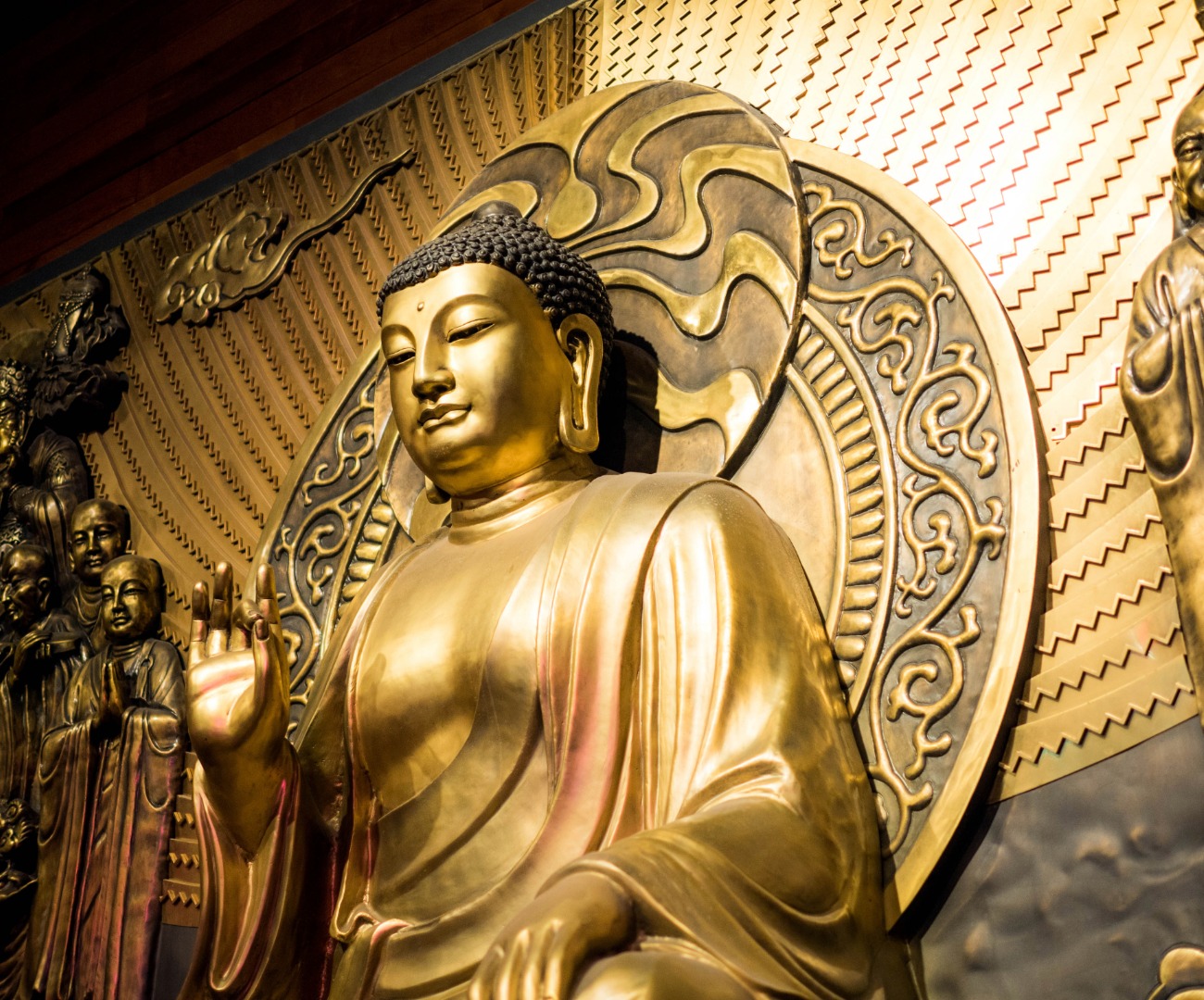
The concept of the Bodhisattva as the primary spiritual ideal emerged during the early centuries CE in India. This occurred with the rise of the Mahayana (“Great Vehicle”) school of Buddhism. The Mahayana promoted this ideal as a compassionate alternative to the arhat ideal of the earlier Hinayana (“Lesser Vehicle”) schools. The Bodhisattva ideal quickly spread across Asia, becoming central to Buddhist traditions in China, Korea, Japan, and Tibet, often absorbing and transforming local deities into compassionate figures.
Social Context of Bodhisattva
The Bodhisattva ideal profoundly shaped the social practice of Buddhism, particularly in East Asia. It shifted the focus from purely monastic self-perfection to active, ethical engagement with the suffering of the lay community. Therefore, the Bodhisattva serves as an accessible model of ethical living, prompting practitioners to engage in charitable works and selfless service. Worship and veneration of famous Bodhisattvas (like Avalokiteshvara and Manjushri) became a major feature of popular religious life.
| Area of Influence | Significance and Impact |
| Religious Goal | It is the universal goal for all practitioners in the Mahayana tradition. This contrasts with the individual goal of the arhat. |
| Ethical Action | The commitment to alleviating suffering (compassion) mandates ethical and active involvement in the world’s affairs. |
| Iconography | Images of famous Bodhisattvas (like Guanyin/Avalokiteshvara) are found throughout Asia. These serve as powerful devotional figures. |
| Vow Principle | The fundamental element is the solemn vow to postpone personal liberation until all sentient beings are freed from suffering. |
Terms Related to Bodhisattva
The understanding of the Bodhisattva involves several terms that define the philosophical and practical elements of Mahayana Buddhism. This provides essential context for the spiritual path. This provides a clearer view of the philosophical framework surrounding awakening.
| Term/Concept | Description and Relevance |
| Karuna | Profound compassion. This is the main motivating force behind the Bodhisattva’s actions and vow. |
| Prajna | Wisdom or transcendental insight. This is coupled with karuna to perfect the Bodhisattva path. |
| Samsara | The cycle of birth, death, and rebirth (suffering). The Bodhisattva chooses to remain in samsara to help others. |
| Nirvana | The ultimate goal of cessation of suffering and liberation. The Bodhisattva postpones entry into final nirvana. |
| Avalokiteshvara | The most widely venerated Bodhisattva in East Asia. This figure embodies boundless compassion. |
| Arhat | An individual saint in Hinayana Buddhism. This figure achieved liberation for themselves alone. |
Sources & Credits
Sources
- Williams, P. “Mahayana Buddhism: The Doctrinal Foundations.” Routledge, 2009. [Historical source]
- Powers, J. “Introduction to Tibetan Buddhism.” Snow Lion Publications, 2007. [Historical source]
- “Bodhisattva.” Encyclopædia Britannica. [Definition site]
- The Metropolitan Museum of Art. “The Bodhisatva Ideal.” Asian Art Collection Notes. [Museum site]
- Schumann, H. W. “The Historical Buddha: The Times, Life, and Teachings of the Founder of Buddhism.” Motilal Banarsidass, 2004. [Historical source]