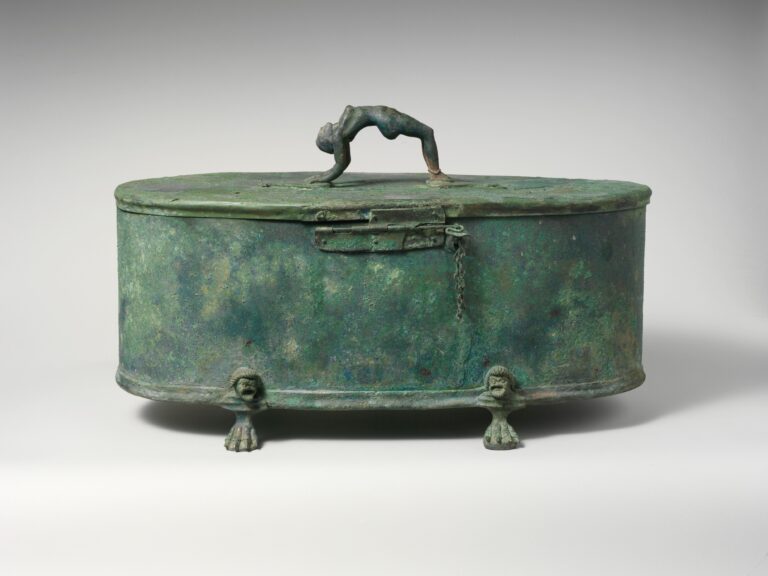
“Bucchero Ware”
Pronunciation: /ˈbuːkəroʊ/ (BOO-keh-roh)
Part of Speech: Noun
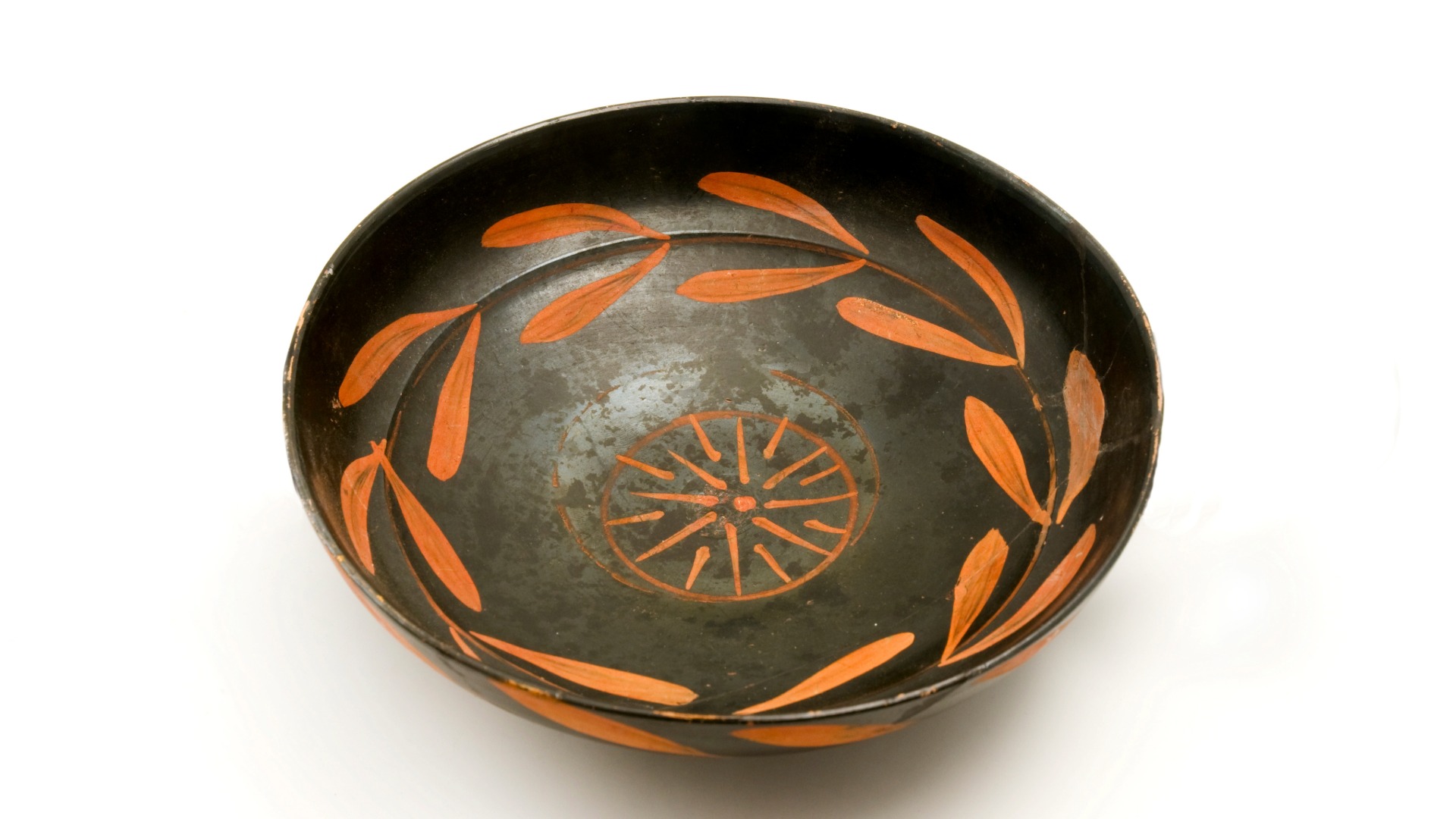
Quick Definition: A fine, black, polished ceramic produced by the Etruscans, designed to emulate the appearance of metal and often used for high-status banquet services.
General Use: “The excavators at Cerveteri found a wealth of Bucchero Ware in the tomb. Consequently, the monumental vessels provided excellent evidence of social rank and provided a window into the ritual life of the Etruscan elite.”

Lustrous Form – The monumental artistry of Bucchero Ware lies in the sculptural quality of its surfaces. The transition from the delicate, thin-walled bucchero sottile to the heavier, relief-decorated bucchero pesante shows an evolution in ceramic sculpture, where each piece was polished with a wooden or bone tool to achieve a unique, reflective finish.

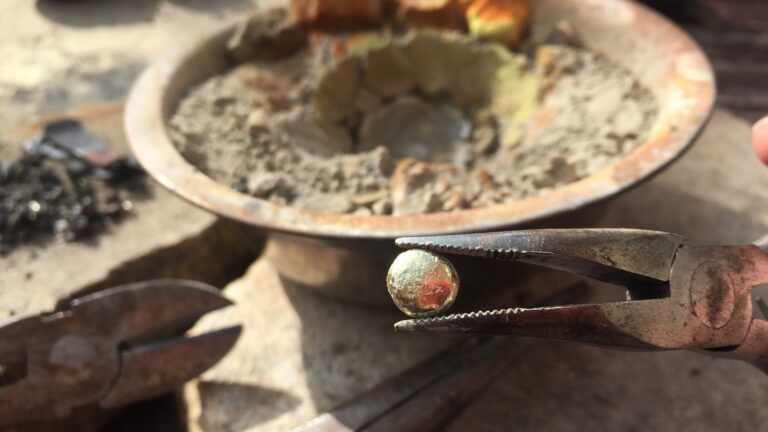
The Reduction Secret – The hidden technical truth about Bucchero Ware is the sophisticated control of the kiln atmosphere. By starving the fire of oxygen (reduction), the iron oxide in the clay turned from red to black throughout the entire body of the pot, linking the chemical transformation of the earth to the aesthetic desires of the potter.

A Signature Craft – The monumental cultural value of this pottery is its status as the national ceramic of Etruria. Unlike other styles that were heavily influenced by Greek imports, Bucchero Ware was a purely indigenous development, representing a monumental achievement in independent artistic identity.
Did you know?
The typical Etruscan household of high status viewed Bucchero Ware as a self-contained symbol of prosperity and hospitality. The vessels were arranged in large sets for banquets, providing a striking visual contrast to the brightly colored frescoes of the tombs, reflecting a monumental integration of dining rituals and funerary display.
Bucchero Ware Definition (Primary Context)
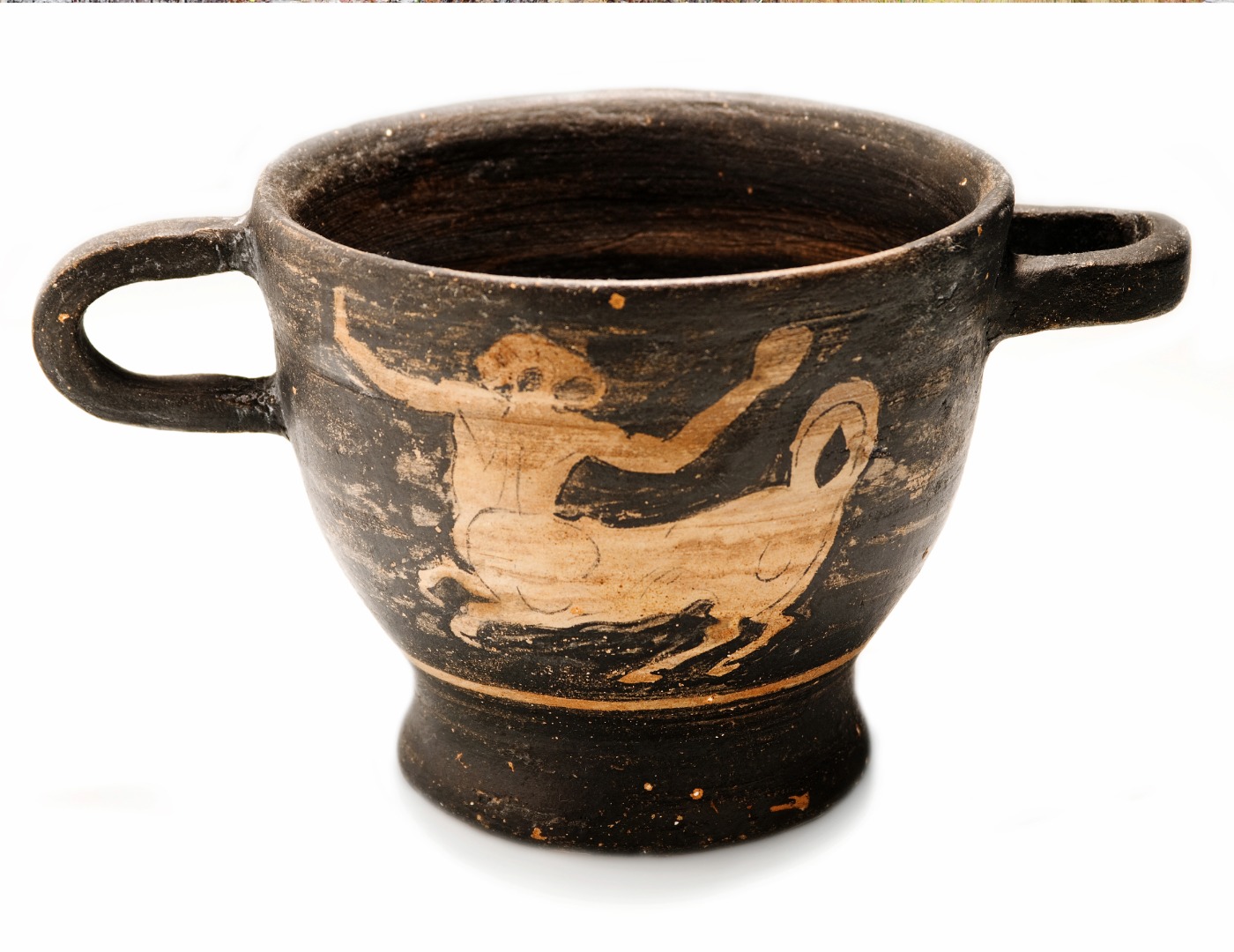
The monumental Bucchero Ware production is built almost entirely of local clay rich in iron oxide and organic matter. It typically consists of a dark, uniform body that is black both on the surface and in the break. The structure is often thin and delicate in early periods, leading to a durable yet refined vessel that resists fading over time.
Access to the decorative potential was managed through incised patterns or relief molding fashioned into the damp clay. The firing terrace is the primary locus of technical activity, where the kiln was sealed to create the reduction atmosphere. The entire vessel is continuously maintained in collections today, with the surfaces requiring careful handling to protect the high-gloss finish, making the conservation a communal and monumental task for museums.

Bucchero: Derived from the Portuguese bucáro, a type of aromatic black clay from South America, which early collectors thought the Etruscan pottery resembled.

Etruscan Black-ware, Reduced Pottery, Impasto (precursor), Sottile / Pesante.

Terracotta (red, oxidized clay), Porcelain (white, translucent), Majolica (tin-glazed).

Ceramics, Pottery, Etruscan Art, Antiquities.
Historical Context of Bucchero Ware
The development of monumental Bucchero Ware is historically linked to the Orientalizing period of Etruscan history between the 7th and 6th centuries BCE. The need for luxury goods drove the evolution of the craft from simple impasto to the monumental, high-gloss finishes capable of rivaling imported Greek and Near Eastern metalwork. The architectural style of the vessels has remained a key focus for archaeologists for centuries, representing a monumental continuity of Etruscan craft identity.
Social Context of Bucchero Ware
The Bucchero Ware process perfectly encapsulates the social structure of the Etruscan world. The production of these ceramics was likely organized according to specialized workshop hierarchies. The banquet table serves as a communal, monumental space linking the living to the dead through grave offerings. Internal roles within the workshop were highly prescribed: the master potter guarded the firing secrets, and the finished sets were treated with immense respect. Creating these pieces was a communal effort involving skilled craftsmen, reinforcing social cohesion and passing monumental ceramic knowledge down to the next generation.
| Area of Influence | Significance and Impact |
| Status Symbol | The ability to own a full set of Bucchero Ware provided monumental security of one’s social standing. |
| Trade | The export of these vessels across the Mediterranean provided monumental evidence of Etruscan maritime reach. |
| Funerary Rituals | Specific banquet shapes were dedicated to burial offerings. This makes the vessel a monumental spiritual center. |
| Technological Innovation | The mastery of reduction firing ensured the workshop’s ability to produce a unique and desirable product. |
Terms Related to Bucchero Ware
The study of Bucchero Ware involves specialized terminology related to its firing and texture. This provides essential context for Mediterranean archaeology. This provides a clearer view of the technical framework surrounding the monumental ceramic.
| Term/Concept | Description and Relevance |
| Reduction | The primary monumental firing technique. This involves removing oxygen to turn the clay black. |
| Sottile | The general term for “fine” or thin-walled bucchero, often found in early, high-status contexts. |
| Pesante | A specific “heavy” style of bucchero. This is characterized by thick walls and bold relief decorations. |
| Incision | The decorative technique of scratching lines into the clay. This is crucial for the monumental detail of the vessels. |
| Kyathos | A distinctive single-handled cup shape. This was a common form in Bucchero Ware production. |
| Burnishing | The monumental finishing process. This is the act of rubbing the clay to create a high, metallic shine. |
Sources & Credits
Sources
- Rasmussen, T. B. “Bucchero Pottery from Southern Etruria.” Cambridge University Press, 1979. [Historical source]
- Spivey, N. “Etruscan Art.” Thames & Hudson, 1997. [Historical source]
- “Etruscan Bucchero: The Black Pottery of Antiquity.” Metropolitan Museum of Art. [Museum site/definition site]
- Barker, G. and Rasmussen, T. “The Etruscans.” Blackwell Publishers, 1998. [Historical source]
- UNESCO World Heritage Centre. “Etruscan Necropolises of Cerveteri and Tarquinia.” [Government institutional body]