“Cameo”
Part of Speech: Noun
Quick Definition: A method of carving a gem, shell, or stone in relief, utilizing a material with bands or layers of different colors so that the carved figure stands out against a contrasting background.
General Use: The Hellenistic court lapidary selected a banded agate to carve a portrait cameo of the queen. By cutting deep into the white vein, the artist exposed the dark underlying layer to frame the profile beautifully, leaving behind a pristine record of royal propaganda.
Overview
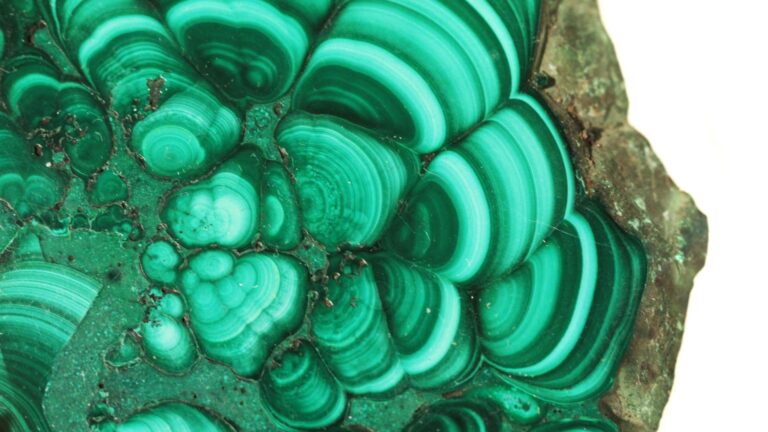
The history of classical portraiture and personal luxury finds its most refined expression in the art of the cameo. Unlike intaglios, which were carved into the stone to create a negative impression for sealing wax, cameos were cut in positive relief to be openly seen and admired. The technique reached its peak during the Hellenistic period and the early Roman Empire, when gem cutters exploited the natural, parallel strata of hardstones like sardonyx, agate, and onyx. By meticulously carving away upper layers of light-colored mineral to reveal a darker base layer underneath, artisans transformed raw geology into miniature, high-contrast political and mythological narratives.
As imperial systems consolidated power, these small, portable carvings became vital instruments of state messaging and elite gift-giving. A cameo was not simply a piece of jewelry; it was a concentrated statement of loyalty, lineage, and cultural sophisticated status. The mastery required to execute these pieces was extraordinary, demanding that a carver anticipate how varying stone thicknesses would alter light filtration and color shade. From ancient dynastic rings to massive, multi-figure state plaques, the cameo represents a flawless marriage of natural geological anomalies and deliberate human design, preserving the shifting faces of history on an nearly indestructible miniature canvas.

The creation of imperial gems was a highly calculated exercise in prestige. Master carvers utilized the natural color bands of stones to elevate the ruler’s image, often blending a white profile with a dark laurel wreath or armor. These miniature masterpieces allowed emperors to distribute their likeness to trusted inner circles, creating a refined visual currency of loyalty that was meant to endure across generations.

While small relief carvings were publicly celebrated as ultimate symbols of high artistic taste and religious devotion, their circulation often masked raw dynastic ambition and political survival. Imperial families routinely used cameos to reinvent their lineages, pairing their profiles with ancient gods or deified ancestors on the same stone. This artistic trick subtly claimed a divine right to rule, using the permanent beauty of a gemstone to make political takeovers look like natural, cosmic law.
The ancient lapidary workshop depended on sound and vibration long before the invention of optical magnification. Craft masters used iron drills driven by hand bows, applying a wet slurry of oil mixed with hard emery or corundum powder to eat away the stone face. Carvers listened intently to the subtle pitch changes and rhythmic hum of the drilling slurry, using the sound to judge the thickness of a color band without accidentally punching through the delicate background layer.
Quick Facts
| First Evidence | Hellenistic Greece (expanding rapidly after Alexander the Great’s eastern campaigns) |
| Common Features | Positive relief carving, distinct contrasting color planes, polished surfaces |
| Precious Materials | Banded sardonyx, multi-layered agate, onyx, marine sea shells, glass paste |
| Primary Function | Elite personal adornment, diplomatic state gifts, dynastic propaganda pieces |
| Archeological Term | Layered Hardstone Relief Gem |
| Cultural Variance | Shifted from large Greek historical plaques to miniature Roman signet rings |
| Symbolic Role | Exhibiting dynastic legitimacy, divine protection, and exceptional wealth |
| Economic Impact | Fueled high-value mineral trade routes from India and Arabia to Mediterranean ports |
| Key Discovery | Gemma Augustea in Vienna, the Grand Camée de France in Paris |
| Afterlife Concept | Placed in elite tombs to ensure the deceased retained their earthly rank in the underworld |
| Preservation | Cleaned using gentle non-acidic washes to protect delicate mineral crystalline borders |
| Modern Practice | Revived during the Renaissance and Victorian eras; still prized as a traditional luxury craft |

Primary Context of Cameo
A layered gemstone cameo stands as a direct indicator of a civilization’s trade reach and luxury craft organization, showing how a society controlled artistic talent to celebrate its leadership class. To produce these works, workshop networks relied on steady supply lines of rare, multi-colored minerals, which were mined under harsh conditions in distant regions like India or the Arabian desert and transported to imperial capital workshops. Carvers carefully studied the raw stone blocks, planning the layout of the figure around the uneven thickness of the color veins. This deliberate setup ensured that the highest points of the relief—such as a nose or a helmet crest—aligned perfectly with the thickest bands of the mineral, avoiding structural cracks during the carving process.

Etymology: Traced back to the Medieval Latin camaeus, a term of uncertain origin that emerged to describe carved, multi-layered stones, possibly linked to old Arabic roots for buds or raised ornaments.

Synonyms: Relief gem, Raised hardstone carving, Banded agate relief, Layered glyptic art, Embossed gemstone.

Antonyms: Sunken intaglio (gemma incisa), Flat signet stamp, Unworked mineral crystal.

Thesaurus: Gem, Relief, Carving, Agate, Ornament.
Today, museum vault collections, royal treasuries, and Mediterranean shipwreck sites form the primary landscapes for studying ancient glyptic art—the science of carving gems. Archaeologists analyze these miniature reliefs to trace how artistic styles and political symbols moved between ancient cultures. Preserving these artifacts requires stable climate environments, as sudden shifts in humidity can fracture the delicate boundaries between the stone’s natural layers. Mapping these gem styles gives historians a clear, permanent archive of the faces, fashions, and political goals that defined ancient empires.
Social Context of Cameo
The choice to execute intricate portraits on tiny, layered minerals shows how ancient communities adapted to material limits while protecting their cultural heritage. By studying old gem workshops, researchers can see how artists changed their tools to handle varying gemstone hardness, deep mineral fractures, or fuel shortages that limited furnace-driven metal arts over hundreds of years. For example, carvers in resource-scarce regions turned to local marine shells or poured colored glass pastes into clay molds to recreate the look of luxury stones, while masters in hot desert outposts used specialized oil-based polishes to prevent the stones from drying out and cracking under extreme seasonal heat. Therefore, these choices helped preserve critical royal icons and religious symbols from natural decay. Consequently, this glyptic approach became a vital tool for artistic survival, showing how human groups worked within the limits of their natural mineral pools while keeping their local style strong.

The ownership and display of a fine cameo maps out the social divide of the classical world with absolute clarity. Common soldiers wore simple iron bands, the ruling elite adorned their clothing and fingers with rich, multi-layered stone portraits. This deep demand for luxury jewelry created a high-paying market for specialized guilds of gem selectors, drill makers, and precision polishers whose secret carving skills were passed down through family lines. Keeping these micro-artworks safe was a serious security priority; a stolen or copied imperial signet ring could be used to forge official state documents, close trade deals, or compromise military commands. By controlling the production and gifting of these precious stones, the palace maintained its network of political favors, ensuring that loyalty remained intact across borders and generations.
Did you know? Cameo
Ancient gem carvers faced such an intense risk of eye strain from working on micro-details for hours that they developed early methods of vision care. The famous Roman writer Pliny the Elder recorded that stone carvers kept small, polished green emeralds on their workbenches.
When their eyes grew tired from focusing on the tiny lines of a cameo hilt or profile, the artists would look at the smooth green stone to rest their sight. This unique mixture of master craftsmanship and early workplace health shows that creating a cameo was never treated as a quick assembly job, but rather as a slow, life-consuming art form that tested the absolute limits of human eyesight and patience.
Terms Related to Cameo
| Sardonyx | A variety of quartz featuring parallel bands of brown sard and white chalcedony, ideal for cameos. |
| Glyptic Art | The specialized field of carving or engraving precious and semi-precious stones. |
| Intaglio | The mirror opposite of a cameo; an image cut into a stone’s surface to create a stamp seal. |
| Emery | A dark, granular rock powder used as an abrasive slurry to grind away hard gemstone faces. |
| Bow Drill | A hand tool powered by a stringed bow, used by ancient jewelers to rotate cutting tips rapidly. |
| Gemma Augustea | A massive, two-layered Arabian onyx cameo depicting Emperor Augustus as a god among mortals. |
| Relief | A sculptural technique where the carved subjects project out from a flat background plane. |
| Agate | A common banded mineral form of chalcedony used to create high-contrast color backgrounds. |
| Strata | The natural, parallel mineral layers found inside chalcedony stones that carvers exploited for color. |
| Phrygian Cap | A soft conical hat often carved on cameos to identify foreign or eastern figures in myths. |
| Signet Ring | A finger ring holding a carved gem, used by elite citizens to authorize legal papers. |
| Glass Paste | A molten silicate alternative poured into molds to mimic expensive hardstone cameos for lower classes. |
| Laurel Wreath | A carved leaf crown placed on imperial cameo heads to symbolize victory and authority. |
| Gorgoneion | A cameo carving of Medusa’s head worn on armor as a protective amulet against bad luck. |
| Lapidary | An artisan specialized in cutting, shaping, and polishing precious stones and minerals. |
| Grand Camée de France | The largest surviving ancient cameo, featuring twenty-four figures mapping Roman dynastic power. |
| Embossing | The broader metalworking equivalent of raising a design above a flat surface from behind. |
| Chalcedony | A cryptocrystalline form of silica that serves as the mineral family base for onyx and agate. |
| Dactyliotheca | A luxury box or cabinet built by wealthy collectors to hold and show off large gem collections. |
| Corundum | An exceptionally hard mineral powder used alongside emery to cut deep into stubborn onyx layers. |
Sources & Credits
Sources
- Engraved Gems of the Greeks, Etruscans and Romans – Richter, G. M. A. Phaidon Press, 1968. [Glyptic art and style history source]
- Roman Cameos in the Imperial Age – Henig, M. Society of Antiquaries, 1990. [Administrative and political archive]
- Ancient Gemstones and Finger Rings – Boardman, J. Thames and Hudson, 1970. [Jewelry and context source]
- Journal of Roman Archaeology – Hardstone Sourcing and Lapidary Mechanics in Early Imperial Rome. [Scientific and mineral preservation source]
- The Natural History – Pliny the Elder. Public Domain / Taylor and Francis. [Primary historical data source]