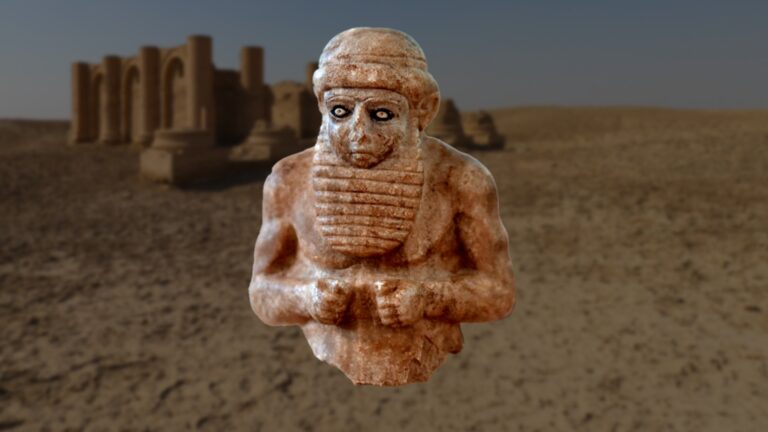
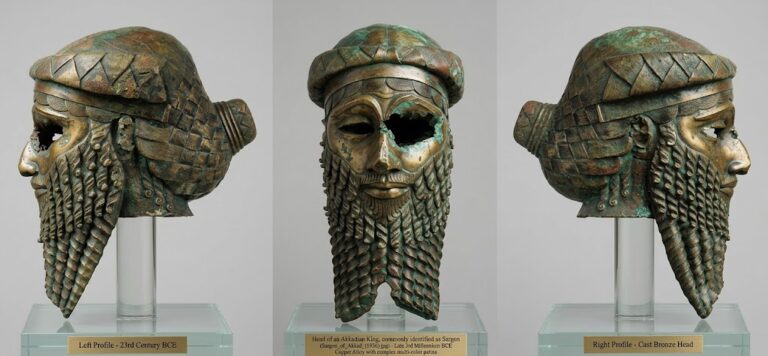
Table of Contents: Definition – Collection
“Collection”
Pronunciation: /kəˈlɛkʃən/ (kuh-LEK-shuhn)
Part of Speech: Noun
Collection Definition:
A collection, in the context of museums, archives, and similar institutions, refers to a curated and organized assembly of objects, artifacts, artworks, documents, or specimens that are acquired, preserved, studied, and exhibited for their cultural, historical, scientific, or artistic significance. Collections form the core of these institutions, representing a body of knowledge and heritage that is managed for the benefit of present and future generations. The process of building and maintaining a collection involves careful selection, documentation, conservation, and interpretation.
Origin of the Word “Collection”:
The term originates from the Latin word collectio, meaning “a gathering together, a collecting,” derived from colligere (“to gather together, collect”). It entered the English language in the late 14th century, initially with a general sense of gathering or accumulation. Its specific association with organized assemblies of objects for study or display developed later.
Examples:
General Use: “She has an extensive collection of antique stamps.”
Art Context: “The gallery’s permanent collection includes works by renowned local artists.”
Archaeological Context: “The museum’s archaeology collection features artifacts that span thousands of years of human occupation in the region.”
Historical Context: “The archive houses a significant collection of personal letters from the 19th century.”
Vocabulary and Language Resources
Related Terms
- Archive: A collection of historical records and documents.
- Repository: A place where things are stored, often for preservation or study.
- Holdings: The total items owned by a museum or similar institution.
- Acquisition: The process of obtaining new items for a collection.
- Deaccession: The process of permanently removing items from a collection.
Etymology
From Latin collectio (“a gathering together, a collecting”), from colligere (“to gather together, collect”) (com- “together” + legere “to gather, choose”).
Synonyms
Assembly, accumulation, aggregation, compilation, stock, store, hoard, accumulation.
Antonyms
Dispersion, scattering, individual item.
Thesaurus
accumulation, gathering, amassing, store, stock, hoard, mass, quantity, array, range, variety.

Collection Historical & Cultural Context:
The practice of forming collections dates back to antiquity, with individuals and institutions amassing objects for various reasons, including personal interest, prestige, and the preservation of knowledge. The rise of museums as public institutions in the 18th and 19th centuries led to the systematic development and management of these grouped pieces for education and research. Today, collections are central to the mission of cultural heritage organizations worldwide.
Principles or Key Aspects of Collections :
- Scope and Focus: They are typically defined by a specific subject, theme, or geographical area.
- Documentation: Comprehensive records are maintained for each item, including provenance, condition, and significance.
- Care and Conservation: Ensuring the long-term preservation of collection items through appropriate storage, handling, and treatment.
- Accessibility: Making these art works available for research, exhibition, and public engagement.
- Ethical Acquisition: Adhering to legal and ethical standards in acquiring new items.
Ethical Considerations for Collections:
- Provenance: Ensuring that collection items have a clear and ethical history of ownership.
- Repatriation: Addressing claims for the return of cultural property to its rightful owners or countries of origin.
- Decolonization: Critically examining the historical context of collections and addressing biases or imbalances.
- Community Consultation: Engaging with descendant communities and other stakeholders in collection management and interpretation.
Relevance to Ancient Worlds
Collections are the primary means through which we study and understand ancient civilizations:
- Archaeological: Dedicated to safeguarding artifacts unearthed from ancient sites, these holdings serve as direct physical connections to bygone civilizations. Each object—whether a tool, vessel, or fragment—offers empirical evidence of daily life, trade networks, and technological advancements across millennia.
- Art: This repository conserves and exhibits the aesthetic legacy of antiquity, including intricately carved sculptures, finely painted pottery, and ornamental jewelry. These works reflect cultural values, religious beliefs, and the evolution of artistic techniques in societies from the Mediterranean to the Far East.
- Epigraphic: A systematic archive of inscriptions etched into stone, pressed onto clay tablets, or engraved into metal. These texts—ranging from royal decrees to merchant receipts—provide primary-source narratives of laws, rituals, and interpersonal communications, bridging gaps in historical records.
- Numismatic: A curated assemblage of ancient coins, each a miniature canvas depicting rulers, deities, and symbols. Beyond their economic function, these pieces illuminate shifts in political power, cross-cultural influences, and the dissemination of ideological imagery through currency systems.
- Bioarchaeological: A preserved record of human and animal remains, analyzed to reconstruct past lifeways. Skeletal and dental studies yield data on nutrition, disease prevalence, migration patterns, and even evidence of social stratification or violent conflict.
Art2Fact Society Nuance
For the Art2Fact Society, collections held in museums and archives are invaluable resources for inspiration and knowledge. These carefully curated assemblies of historical artifacts provide a direct connection to the ingenuity and creative expressions of ancient cultures. By studying these various works , members gain a deeper understanding of historical materials, techniques, and aesthetics, informing their contemporary reinterpretations within the “ancient revival project.”