Table of Contents: Definition – Conservation
“Conservation “
Pronunciation: /ˌkɒnsəˈveɪʃən/ (kon-suh-VAY-shuhn)
Part of Speech: Noun
Conservation Definition:
Conservation, in the context of archaeology and cultural heritage, refers to the active measures taken to preserve, protect, and manage archaeological sites, artifacts, and cultural materials for the benefit of present and future generations. It involves understanding the processes of deterioration, stabilizing fragile remains, and implementing strategies to prevent further damage caused by environmental factors, human activity, or inherent material instability. Archaeological conservation aims to retain the integrity, authenticity, and significance of cultural heritage, ensuring its long-term survival and accessibility for study and appreciation.
Origin of the Word “Conservation”
The term “conservation” originates from the Latin word conservare, meaning “to keep safe, preserve.” It entered the English language in the 14th century, initially with a broader meaning of preservation. Its specific application to the preservation of natural resources and cultural heritage developed later, particularly in the 19th and 20th centuries.
Examples:
General Use: “Environmental conservation efforts are crucial for protecting endangered species.”
Archaeological Context: “Conservation of the mosaic floor involved careful cleaning and consolidation of the tesserae.”
Museum Context: “The museum’s conservation lab is responsible for the long-term care of the collection.”
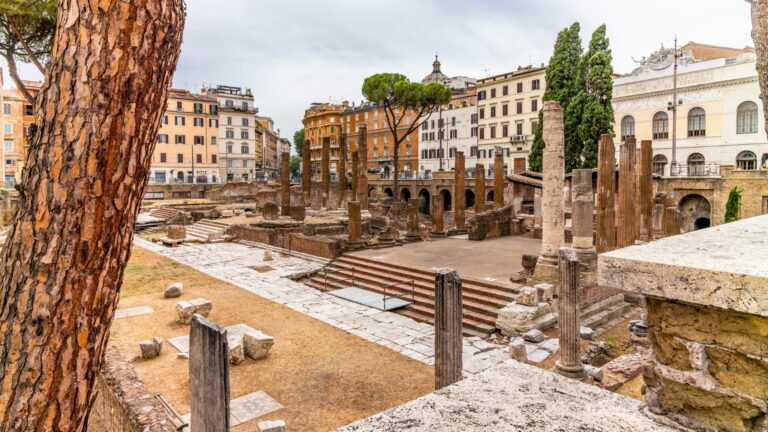
Site Management: “Conservation strategies for the ancient city included improved drainage and visitor management.”
Preventive Measures: “Controlling humidity and temperature in storage is a key aspect of preventive conservation.”
Vocabulary and Language Resources
Conservation: Related Terms
- Preservation: Maintaining the current state of an artifact or site without significant intervention.
- Restoration: Returning a damaged artifact or site to a known earlier state.
- Stabilization: Treating an artifact or structure to prevent further deterioration.
- Preventive Conservation: Actions taken to minimize future damage.
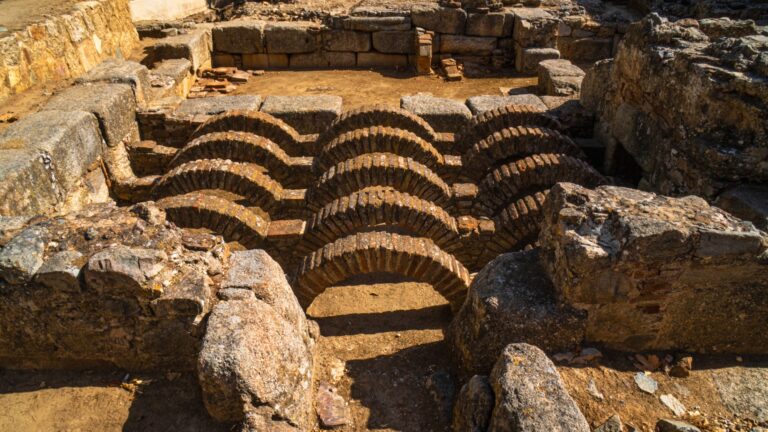
- In Situ Conservation: Preserving archaeological remains in their original place of discovery.
- Heritage Management: The broader framework of policies and practices for protecting cultural heritage.
Etymology
From Latin conservare (“to keep safe, preserve”) (con- “together” + servare “to keep, guard”).
Synonyms
Preservation, protection, safeguarding, maintenance, upkeep, stewardship.
Antonyms
Neglect, deterioration, destruction, damage, abandonment.
Thesaurus
safeguarding, keeping, care, custody, guardianship, security, defense, retention, salvation, cherishing, treasuring.
Conservation Historical & Cultural Context:
The formal development of archaeological conservation as a discipline emerged in response to the increasing scale of excavations in the 19th and 20th centuries and the realization that unearthed artifacts and sites were vulnerable to rapid decay once exposed. International charters and ethical guidelines, such as the Venice Charter, have shaped the principles and practices of conservation, emphasizing minimal intervention, reversibility of treatments, and respect for the authenticity of cultural heritage.
Principles or Key Aspects of Conservations :
- Minimal Intervention: Conservation actions should be the least intrusive necessary.
- Reversibility: Treatments should ideally be reversible, allowing for future interventions if needed.
- Documentation: Thorough recording of the condition of an object or site before, during, and after treatment.
- Appropriate Materials: Using conservation materials that are chemically stable and compatible with the original materials.
- Understanding Deterioration: Identifying the causes of decay to implement effective preventive measures.
Ethical Considerations in Considerations:
- Respect for Authenticity: Preserving the original materials and avoiding unnecessary reconstruction.
- Consultation: Collaborating with archaeologists, scientists, and descendant communities.
- Sustainability: Implementing long-term conservation strategies.
- Accessibility: Balancing preservation with the need for public access and education.
- Non-renewability: Recognizing that archaeological resources are finite and irreplaceable.
Relevance to Ancient Worlds
For understanding ancient worlds, provenance (including provenience) provides critical information:
- Fragile Artifacts: Conserving delicate materials like textiles, papyrus, and organic remains.
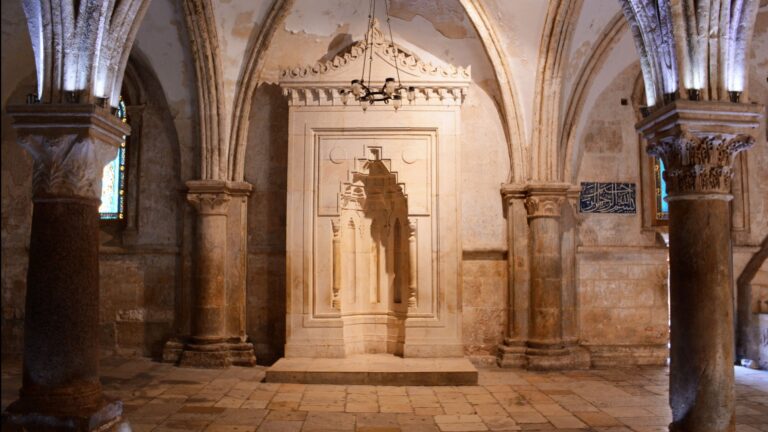
- Architectural Preservation: Stabilizing ancient structures, temples, and tombs.
- Wall Paintings and Mosaics: Protecting these integral parts of ancient sites from environmental damage.
- Underwater Archaeology: Developing specialized techniques to conserve waterlogged artifacts.
- Site Management: Implementing measures to protect entire archaeological landscapes from erosion and human impact.