AURIGNACIAN CULTURE (UPPER PALEOLITHIC)
43,000–26,000 BP
Table of Contents
- Overview
- I. Material Culture: Blade Tools, Bone Technology, and Portable Art
- II. Social Structure: Settlement Patterns and Early European Demographics
- III. Economy and Trade: Hunting, Raw Materials, and Resource Acquisition
- IV. Architectural Forms: Shelter and Early Structure
- V. Key Discoveries and Interpretations
- Related Content
- Click here for more Ancient Civilizations, Empires and Dynasties

The first culture in Europe definitively associated with anatomically modern humans (Homo sapiens), often referred to as Cro-Magnons.

Flourished during the Upper Paleolithic (Late Old Stone Age), spanning approximately 43,000 to 26,000 BP.

Widely distributed across Europe and parts of the Near East, with key finds in France (Aurignac Cave) and Germany (Swabian Jura).

Revolutionary tool industry based on blade tools (Mode 4 technology), including the burin (engraving tool) and sophisticated bone/antler points.

Known for extensive use of ivory, bone, and antler for both tools and personal ornamentation (beads, pendants).

Knowledge is derived primarily from cave excavations of stratified archaeological layers containing lithics, bone tools, and portable art.

Suggested high mobility, as evidenced by seasonal movement over great distances to follow reindeer herds in the cold, open Ice Age environment.

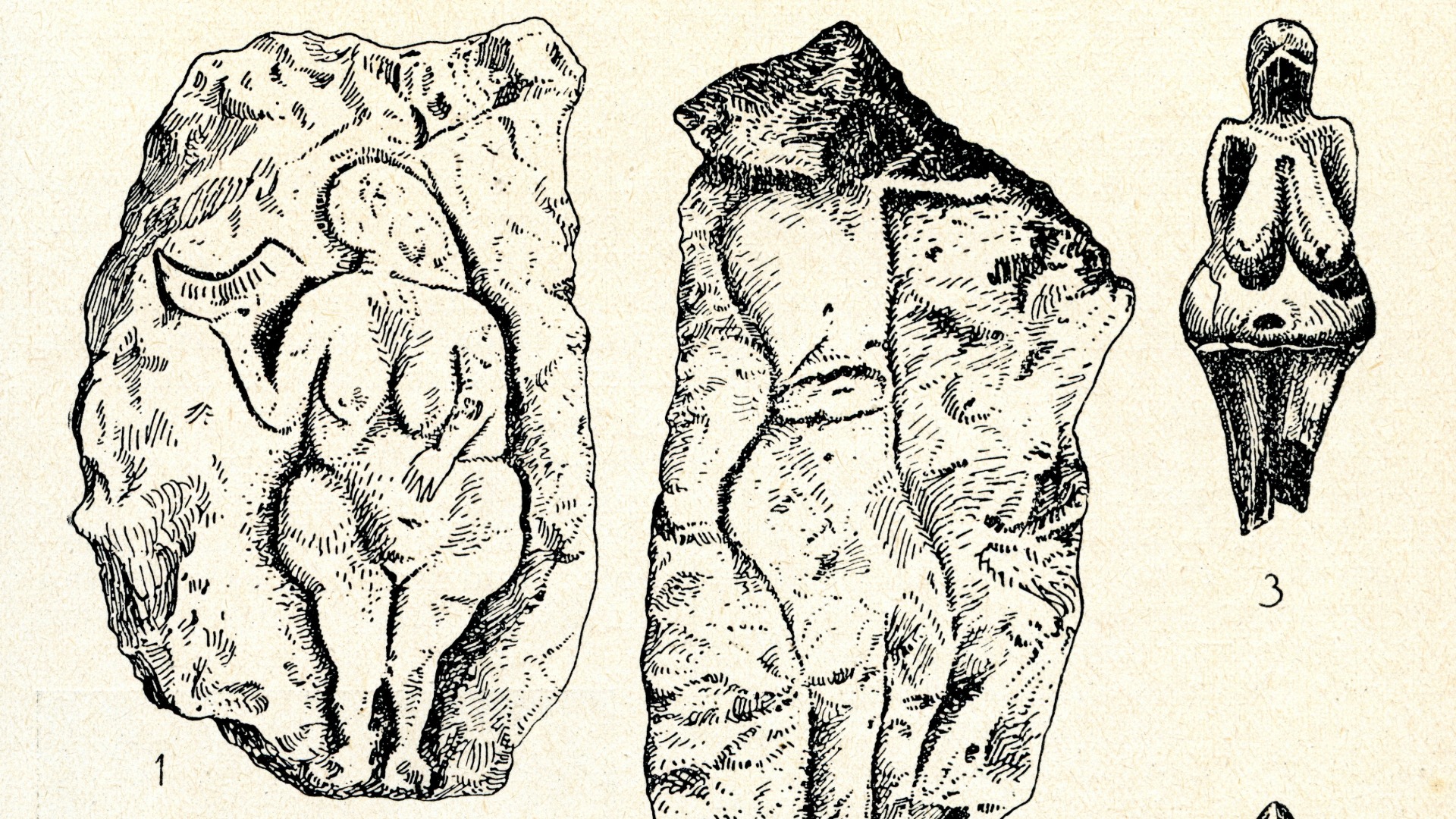
| Evidence of symbolic thought and possibly religious practice through the creation of Venus figurines (fertility figures) and complex zoomorphic carvings. |

| Directly preceded and was largely replaced by the Gravettian culture across much of Europe around 30,000 BP. |
Overview
The Aurignacian Culture represents a critical turning point in human history, marking the successful establishment of modern humans in Europe during the Ice Age. Furthermore, named after the French type-site of Aurignac, this period is synonymous with the Cro-Magnon people. Specifically, it brought a sophisticated new blade technology that quickly replaced the flake tools used by Neanderthals. Consequently, the Aurignacian is recognized globally for introducing the first widespread tradition of figurative art, sculpture, and music. In addition, this culture demonstrates a radical break from the preceding Mousterian culture. Therefore, it signals a significant cognitive and cultural leap.
I. Material Culture: Blade Tools, Bone Technology, and Portable Art
The Aurignacian tool kit was revolutionary for the Upper Paleolithic. It shifted focus from crude stone flakes to refined, standardized blades struck from prepared stone cores. Moreover, the effective use of bone and antler materials distinguishes this culture. Therefore, this adaptability allowed for the production of highly specialized implements.
The Signature Burin and Split-Base Points
The invention of the burin (a chisel-like engraving tool) was central to their artistic tradition. Hence, this tool enabled the engraving of rock and the carving of dense ivory and bone. In addition, the development of the split-base bone point is considered a defining tool of the early Aurignacian.
| Artifact | Description | Significance |
| Blade Tools | Long, rectangular stone flakes struck from prepared cores. | Allowed for greater efficiency and standardization in tool production. |
| Burin | A specialized stone tool with a sharp, chisel-like edge. | Essential for engraving and carving antler, bone, and ivory into art and tools. |
| Split-Base Bone Point | Antler or bone point with a grooved base. | Likely used for hafting onto spears or darts, representing advanced weapon technology. |
| Personal Ornaments | Beads, pendants, and bracelets made of ivory, bone, and animal teeth. | Suggests a developing sense of aesthetic interest, social status, and personal identity. |
II. Social Structure: Settlement Patterns and Early European Demographics
Aurignacian settlements typically comprised cave sites and rock shelters, though open-air camps were also utilized. Accordingly, their lifestyle was adapted to the harsh, glacial climate of Ice Age Europe. Moreover, the wide distribution of their unique artifact styles suggests broad communication networks across the continent. Burial practices were simple, usually involving a primary inhumation with grave goods.

Coexistence and Competition
For several millennia, the Aurignacian culture coexisted with the last surviving Neanderthal populations. Specifically, this interaction, whether through competition or exchange, remains a key area of study. Thus, the eventual replacement of Neanderthals by modern humans is inextricably linked to the Aurignacian expansion.
More
| Social Aspect | Detail | Evidence |
| Settlement | Primarily occupied well-protected caves and rock shelters. | High concentration of artifacts found in famous sites like Chauvet and Aurignac Cave. |
| Mobility | Groups moved over great distances, likely seasonally, to follow large game. | Scarcity of resources in the glacial environment necessitated a highly mobile strategy. |
| Population | Genetic research suggests all Europeans are partly descended from an early Aurignacian founder population. | Genetic markers indicate a common ancestry and establishment of Homo sapiens in Europe. |
III. Economy and Trade: Hunting, Raw Materials, and Resource Acquisition
The Aurignacian economy was based on hunting large megafauna, including mammoths, woolly rhinoceroses, and reindeer. Therefore, their tool kit was perfectly adapted for processing these large animals. Moreover, the acquisition of raw materials like flint and ivory (mammoth tusks) was crucial.

The Value of Ivory
Ivory was a highly valued, non-perishable resource used for everything from elaborate figurines to small decorative beads. Consequently, the ability to hunt mammoth and skillfully carve their tusks represents a high degree of technological and social organization.
More
| Raw Material | Source | Purpose |
| Flint/Chert | Sourced from geographically distinct quarries or nodules. | Used for making highly effective blades and specialized tools (burins, scrapers). |
| Mammoth Ivory | Acquired from hunted animals or scavenged tusks. | Used extensively for portable art, beads, and split-base points. |
| Bone/Antler | Sourced from hunted reindeer and other cervids. | Used for strong points, awls (piercing tools), and the construction of musical instruments. |
IV. Architectural Forms: Shelter and Early Structure
Aurignacian architecture primarily involves the use of natural shelters (caves and rock overhangs). In addition, evidence of open-air habitation suggests the construction of temporary dwellings. These likely consisted of wooden or bone frameworks covered with hides, similar to later Paleolithic cultures. Therefore, permanent, non-funerary structures are extremely rare.

Cave Sites as Focus Points
Caves functioned as central habitation and ritual sites, providing stable, protected spaces. Hence, the most important cultural remnants, including the spectacular cave art, are preserved within these shelters.
V. Key Discoveries and Interpretations
Our understanding of the Aurignacian Culture highlights its role as the source of behavioral modernity in Europe. Therefore, the discovery of art, music, and complex tools demonstrates a sophisticated cognitive leap. Consequently, these finds move beyond mere survival and into the realm of symbolic expression.
Art, Ritual, and the Afterlife
The discovery of the Lion-Man figurine and the Venus of Hohle Fels (the oldest undisputed human figure) offers profound insight. Moreover, these sculptures suggest early forms of therianthropic belief and focus on fertility. Hence, the practice of carving flutes from bird bones indicates that music and acoustic rituals were an established part of life.
The Primary Source and Hidden Truth
The sheer wealth of discoveries in the Swabian Jura caves (Germany) provides the primary, well-dated source for the earliest art. Specifically, the rapid spread of the Aurignacian Culture’s technological style across Europe suggests a powerful demographic expansion. Thus, the precise nature of the interaction and eventual replacement of the resident Neanderthals remains a mystery shrouded in wonder for archaeologists.