Table of Contents: Pink Tourmaline
“Pink Tourmaline
Pronunciation: pink tur-ma-leen
General use: Healing emotional wounds, alleviating anxiety, promoting compassion toward oneself and others, and encouraging a joyful, relaxed state of mind.
Location: Brazil serves as the primary global source, with additional high-quality deposits found in Afghanistan, Madagascar, Nigeria, and the United States (notably California and Maine).
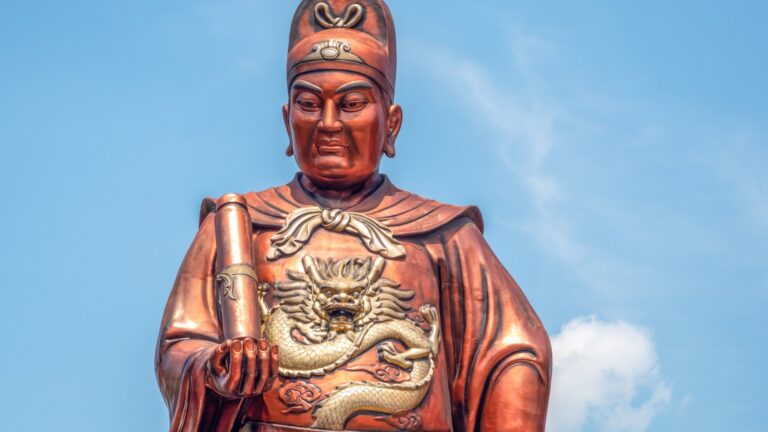
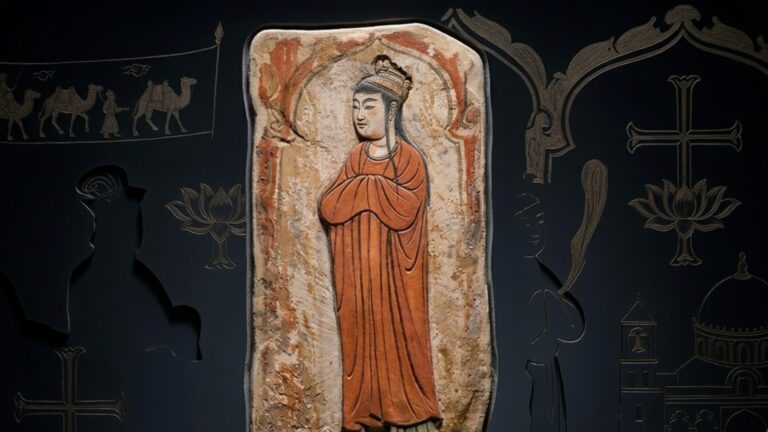
Time Period: While known for centuries, Pink Tourmaline gained significant prominence in the 1890s when it became the favorite gemstone of the Chinese Imperial Court.
Quick Facts
| Varieties | Rubellite (Deep Red/Pink), Pale Pink Tourmaline, Bubblegum Pink, Bi-color Pink |
| Chakra Alignment | Heart Chakra |
| Affirmation | I am safe to love and be loved; my heart is open, healed, and whole. |
| Vibration Number | Number 9 |
| Element | Water |
| Planet | Venus |
| Zodiac Sign | Libra and Sagittarius |
| Birthstone | October (Modern) |
| Metaphysical Realm | Emotional and Spiritual |
| Benefits | Emotional Healing, Compassion, Stress Relief, Self-Love, Joy, Empathy |
| Cleansing | Smudging, Selenite, or Moonlight. Generally safe for brief water rinses. |
| Mineral Class | Complex Borosilicate (Elbaite) |
| Chemical Formula | Na(Li,Al)3Al6(BO3)3Si6O18(OH)4 |
| Crystal System | Trigonal |
| Mohs Hardness | 7 to 7.5 |
| Primary Color | Pale Pink to Deep Rose Red |
| Transparency | Transparent to Translucent |
| Lustre | Vitreous |
| Refractive Index | 1.614 to 1.666 |
| Specific Gravity | 3.02 to 3.26 |

ART: Master carvers in the late Qing Dynasty utilized Pink Tourmaline for exquisite snuff bottles and floral carvings, often taking advantage of the stone’s internal fractures to create a “shimmering” effect within the artwork.
HIDDEN TRUTH: The pink color in these crystals arises from manganese impurities; however, natural radiation from the surrounding rock over millions of years activates these color centers to produce the vibrant rose hues we see today.
FACT: Pink Tourmaline often occurs alongside the lavender mineral Lepidolite and White Quartz, creating “matrix” specimens that are highly sought after by mineral collectors for their aesthetic contrast.
Did you know?
Did you know that the Empress Dowager Cixi of China so loved Pink Tourmaline that she eventually bought almost the entire output of the Himalaya Mine in California? Following her death in 1911 and the fall of the Chinese monarchy, the global tourmaline market collapsed overnight.
I. Geological Overview of Pink Tourmaline
Pink Tourmaline is a variety of elbaite that forms in granitic pegmatites through hydrothermal processes. It develops in elongated, prismatic crystals that frequently display vertical striations along their faces. Furthermore, the presence of manganese within the borosilicate structure generates the pink to red coloration. Because tourmaline is a “chemical sponge,” it often contains a complex mix of lithium and aluminum, which contributes to its stability. Consequently, the stone lacks a distinct cleavage plane, making it durable enough for various jewelry applications while remaining sensitive to extreme heat.
II. Traditional Applications of Pink Tourmaline
Historically, various cultures viewed Pink Tourmaline as a stone of “enlightened love” that could protect the wearer from a broken heart. Additionally, 18th-century Dutch traders used the stone’s pyroelectric properties to pull ash from their pipes, though they often confused it with rubies. In modern times, the mineral has become a premier symbol for breast cancer awareness and feminine health. Moreover, practitioners of alternative medicine utilize the stone to balance the nervous system and promote a sense of calm during chaotic life transitions.

III. Holistic Properties & Healing Benefits of Pink Tourmaline
Pink Tourmaline provides comprehensive holistic benefits by acting as a powerful frequency for emotional purification and the restoration of the “Heart Center.” It functions as an energetic cushion that protects the heart from excessive external stress while encouraging the release of old pain.
- Physical Level: Practitioners believe it supports the heart, lungs, and skin, while also being used to assist with the recovery of the endocrine system and reproductive health.
- Mental Level: The stone helps break patterns of obsessive thinking and worry, replacing them with a sense of “passive focus” and emotional objectivity.
- Emotional Level: It acts as a primary healer for those who have suffered abuse or trauma, helping to rebuild a sense of safety and the worthiness to experience joy.
- Spiritual Level: It serves as a conduit for the “Divine Feminine,” facilitating a connection to mothering energies and the nurturing aspects of the universe.
Metaphysically, the stone’s Trigonal System provides a frequency of expansion and movement, which helps the user “pump” stagnant emotional energy out of their aura. Furthermore, the Pyroelectric Property of Pink Tourmaline is spiritually interpreted as the ability to “light a fire” of passion and warmth in a cold or guarded heart. Because the stone possesses Strong Pleochroism, it is energetically used to help the wearer see a situation from multiple emotional perspectives. Additionally, the Manganese Content serves as an emotional purifier, while the Vertical Striations act as conductive channels that move healing light directly into the Heart Chakra.
IV. Care and Use of Pink Tourmaline
Proper care for Pink Tourmaline involves protecting its delicate color centers and maintaining its vibrant heart frequency. Owners must handle the stone with care to avoid sudden temperature shifts, which can cause the internal “gardens” or inclusions to expand and fracture the stone.
Clearing and Cleansing:
- Smudging: Pass the stone through the smoke of white sage or rose incense to clear away the “emotional weight” the stone absorbs during healing work.
- Moonlight Cleansing: Place the Pink Tourmaline on a windowsill during the Waxing Moon to replenish its creative and nurturing energies.
- Selenite Clearing: Rest the crystal on a Selenite charging plate for four to six hours to passively draw out stagnant vibrations without the use of water.

Charging:
- Flower Petal Charging: Place the stone in a bowl of fresh rose or peony petals for several hours; this infuses the crystal with the high-vibrational “signatures” of nature’s beauty.
- Heart-Link Charging: Hold the stone to your chest and visualize a warm pink light flowing from your heart into the crystal to “awaken” its protective properties.
- Earth Charging: Bury the stone in a pot of lavender-scented soil for 24 hours to ground its energy and reconnect it with the stabilizing forces of the Earth.
V. History of Pink Tourmaline
The history of Pink Tourmaline highlights a journey from being a “ruby imposter” to becoming a highly prized royal gem. For instance, many stones in the Russian Crown Jewels were eventually revealed to be pink tourmalines rather than the rubies they were assumed to be. Similarly, the American tourmaline boom of the late 19th century transformed the mining landscape of Southern California, making it the “Tourmaline Capital of the World.” Furthermore, the stone remains a central tool in modern lithotherapy for those seeking to heal “the inner child.” This enduring legacy confirms that Pink Tourmaline is a mineral of exceptional historical intrigue and lasting emotional value.
VI. Crystallography of Pink Tourmaline
| Crystal System | Trigonal: Forming three-sided prismatic crystals that often appear rounded or “hemimorphic.” |
| Prismatic Habit | Crystals grow in long, striated columns that serve as high-speed conduits for emotional energy. |
| Manganese Influence | The primary trace element that creates the pink color and provides the stone’s “purifying” frequency. |
| Pyroelectricity | The ability to generate an electric charge when heated; represents the stone’s “active” protection. |
| Refractive Index | 1.614 – 1.666: A high index that creates a brilliant lustre and symbolizes “Enlightened Emotion.” |
| Birefringence | 0.018 – 0.040: Strong double refraction that helps the user see multiple sides of an emotional truth. |
| Optical Character | Uniaxial Negative: A scientific trait that reflects the stone’s ability to ground and focus spiritual light. |
| Specific Gravity | 3.02 – 3.26: Provides a dense feel that helps in anchoring the heart during emotional upheavals. |
| Lattice Structure | Ring Silicate: A complex hexagonal ring of silica tetrahedra that provides immense structural stability. |
| Fracture Type | Conchoidal to Uneven: Breaks with irregular surfaces, signifying the raw and honest nature of the heart. |
Sources & Credits
Sources
- Mindat.org, Hudson Institute of Mineralogy. Elbaite (Pink Tourmaline) Mineral Data and Pegmatite Chemistry
- The Smithsonian Institution. Tourmaline: The Gemstones of the Himalaya Mine and the Qing Court
- The Gemological Institute of America (GIA). Pink Tourmaline Quality Factors, Treatments, and Historical Context
- “The Curious Lore of Precious Stones” by George Frederick Kunz (1913). Historical documentation of American tourmaline discoveries and Empress Cixi’s patronage (Source for Section II and V).
- “The Book of Stones” by Robert Simmons & Naisha Ahsian. The use of Pink Tourmaline for heart healing and emotional restoration (Source for Section III and IV).
- American Museum of Natural History. The Physics of Color in Tourmaline: Manganese and Irradiation (Scientific verification of color mechanics).
- San Diego Natural History Museum. The History of Tourmaline Mining in Southern California (Source for History and Location sections).