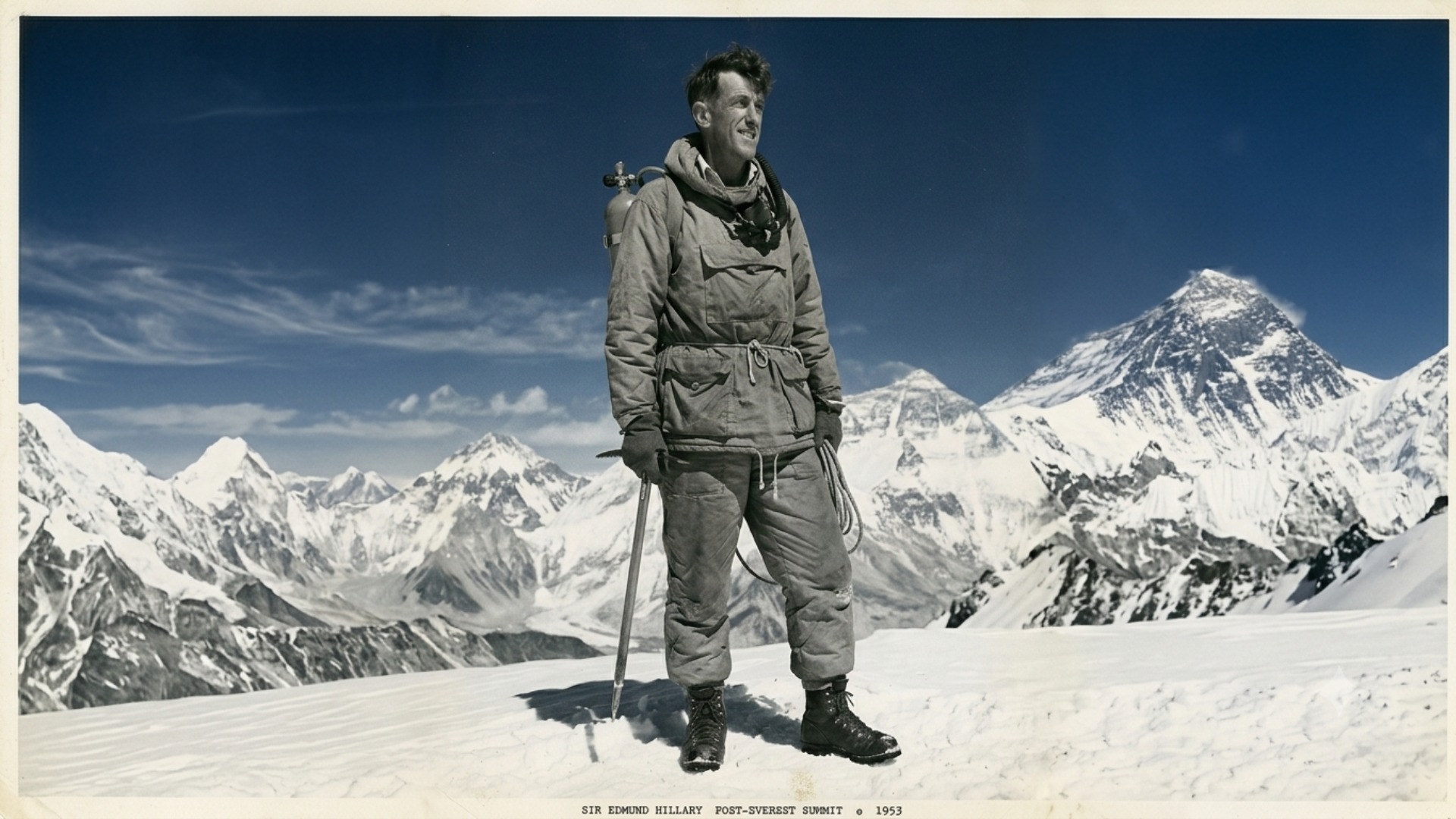
EDMUND HILLARY (MODERN EXPLORATION ERA)
C. 1919 – 2008 AD
Table of Contents: Edmund Hillary

Edmund Percival Hillary. His name reflects his Anglicized colonial roots in New Zealand, rooted in a family of beekeepers and modest rural settlers. He rose from these humble beginnings to embody the quintessential twentieth-century explorer, gaining status within the British Commonwealth’s elite circles.

Auckland, North Island (New Zealand). Auckland functions as a major maritime and commercial nexus in the South Pacific, historically serving as a gateway for Pacific exploration. Its geography provided the essential training grounds for mountaineering, fostering a culture of rugged individualistic resilience.

C. 1948 – 1985 AD. His mature career encompasses the golden age of high-altitude exploration, military support during WWII, and polar logistics. This period allowed him to synthesize survival skills with scientific curiosity, ultimately shaping his legacy as an international diplomat and humanitarian.

Royal Geographical Society, New Zealand Alpine Club, and Himalayan Trust. He successfully navigated the bureaucratic landscapes of post-colonial scientific expeditions and international non-profit sectors. His career required balancing political alliances with the British government against his personal commitment to the local Sherpa populations.

Knight Commander of the Order of the British Empire. This title was bestowed by Queen Elizabeth II in 1953, honoring a paradigm shift away from imperial conquest toward scientific cooperation. It signifies his status as an ambassador of human endeavor, elevating his accomplishments beyond mere physical endurance.

He pioneered systematic high-altitude logistics and created foundational models for sustainable community development in Nepal. His actions permanently established the baseline for modern adventure mountaineering, emphasizing scientific observation and ethical engagement over pure, competitive conquest.

1951 British Everest Reconnaissance, 1953 Everest summit, 1958 Trans-Antarctic Expedition, 1977 Jet boat expedition, founding the Himalayan Trust.

He dedicated his later life to the development of schools, hospitals, and clean water infrastructure for Sherpa communities in the Solu-Khumbu region.

| His renown remains a pillar of New Zealand identity and global exploration history. Academic debate regarding the priority of the 1953 summit has been resolved, with archaeological data confirming his empirical contributions to Himalayan geography. |
“It is not the mountain we conquer, but ourselves.”
– Edmund Hillary
Overview: Edmund Hillary
Sir Edmund Hillary stands as the foundational architect of systematic modern adventure exploration in the Western global tradition. Writing his legacy during the mid-twentieth century, he operated at a volatile historical nexus where the fading British Empire met a newly independent, developing South Asia. Rather than attributing success to individual mountaineering bravado or reckless imperial daring, he sought rational, preparation-centric explanations for survival.
His monumental work in the field reinvented wilderness exploration by replacing romanticized, deadly solo dashes with rigorous, team-based logistical infrastructure. Powered by boundless physical endurance and empathy, he traversed thousands of miles across the rugged Southern Alps, the lethal Himalayan peaks, and the frozen Antarctic wastes. By collecting precise meteorological data and analyzing human physiological limits, he transformed dangerous geographic spaces into a structured canvas for international scientific inquiry.
His lifework fundamentally transformed how humanity records its past achievements by introducing the revolutionary concept of collaborative field exploration, which translates directly into sustainable environmental and humanitarian stewardship. Through direct personal observation, he meticulously mapped the topography, glacier movements, and socioeconomic needs of the remote Khumbu region. He pioneered the practice of critical safety inquiry by refusing to accept outdated alpine equipment at face value, explicitly collaborating with engineers to refine oxygen systems and cold-weather gear.
By engaging in the cross-examination of environmental data, he presented a balanced approach to high-altitude tourism instead of supporting unregulated corporate exploitation. He analyzed the deep-seated cultural traditions, local economic motivations, and fragile ecological structures that defined isolated mountain communities. This structural methodology effectively dismantled the absolute authority of colonial-style exploitation. Consequently, he provided humanity with its very first systematic, humanitarian, and analytical tool for conducting ethical global exploration.
Did you know? Edmund Hillary
A life-sized bronze statue of Hillary stands in the town of Mt. Cook, New Zealand, depicting him in climbing gear. This permanent monument serves as a tactile tribute to his endurance, acting as a site of national commemoration for his mountaineering contributions.
Critics once questioned the veracity of his 1953 ascent, fueled by intense Cold War-era nationalism and rumors of a secret 1952 attempt. Subsequent analysis of archival logbooks and meteorological data has definitively confirmed the logistical reality of his path, verifying his achievement as a feat of singular, verified human effort.
| Hillary executed his public life through meticulous, operational minimalism, often preferring to organize his own expedition supplies, equipment, and routes personally, treating his career as a practical extension of the beekeeping trade he learned from his father. |
Timeline of Edmund Hillary
The chronological trajectory of Edmund Hillary tracks an unprecedented expansion of human limits across the mid-twentieth century world. Moving from the southern reaches of New Zealand into the highest reaches of the Himalayas and the icy wastes of Antarctica, his life was defined by the relentless pursuit of geographical knowledge and logistical excellence. His timeline highlights the transition from a young alpinist honing his skills in the Southern Alps to a global leader navigating the complexities of the British military, polar exploration, and humanitarian activism.
Timeline Chronology
| YEAR | EVENT | DESCRIPTION |
|---|---|---|
| 1919 | Provincial Birth | Born in Auckland, introducing him early to the rugged rural landscapes of the North Island. |
| 1935 | Alpine Awakening | Discovered his passion for mountaineering during a school trip to Mount Ruapehu, initiating his physical training. |
| 1939 | First Major Ascent | Achieved his first major technical alpine climb by successfully conquering the summit of Mount Ollivier. |
| 1943 | Military Aviation Service | Joined the Royal New Zealand Air Force as a navigator, flying hazardous maritime reconnaissance missions during World War II. |
| 1948 | Southern Alps Triumph | Conquered the challenging south face of Aoraki/Mount Cook, establishing his reputation as an elite climber. |
| 1951 | Himalayan Reconnaissance | Joined the British reconnaissance expedition to Everest, mapping the precarious route through the treacherous Khumbu Icefall. |
| 1952 | Cho Oyu Expedition | Participated in a high-altitude test expedition to Cho Oyu, mastering advanced supplemental oxygen logistics. |
| 1953 | Everest Conquest | Achieved the historic first successful ascent of Mount Everest alongside Sherpa mountaineer Tenzing Norgay. |
| 1953 | Imperial Knighthood | Bestowed with the title of Knight Commander of the Order of the British Empire by Queen Elizabeth II. |
| 1956 | Antarctic Mobilization | Led the New Zealand component of the Commonwealth Trans-Antarctic Expedition, organizing complex polar supply depots. |
| 1958 | South Pole Conquest | Reached the South Pole using modified farm tractors, completing the first overland vehicle journey since Amundsen. |
| 1960 | Yeti Invalidation Survey | Conducted a rigorous scientific expedition to investigate reports of the Yeti, exposing alleged relics as animal hides. |
| 1960 | Silver Hut Experiment | Established a high-altitude laboratory at 19,000 feet to gather groundbreaking human physiological survival data. |
| 1961 | Himalayan Trust Foundation | Founded the humanitarian organization to construct the very first modern school for Sherpa children in Khumjung. |
| 1966 | Kunde Hospital Construction | Financed and constructed the Kunde Hospital, providing essential modern healthcare infrastructure to the Khumbu region. |
| 1975 | Family Tragedy | Suffered a profound personal loss when his wife Louise and daughter Belinda died in a plane crash near Kathmandu. |
| 1977 | Ocean to Sky Expedition | Led a jetboat expedition from the mouth of the Ganges River to its mountain source, documenting environmental degradation. |
| 1985 | North Pole Flight | Flew to the North Pole with astronaut Neil Armstrong, becoming the first person to achieve the Three Poles. |
| 1985 | Diplomatic Envoy Appointment | Appointed as New Zealand’s High Commissioner to India, strengthening critical post-colonial Asia-Pacific diplomatic ties. |
| 2008 | State Demise | Passed away in Auckland, honored by a comprehensive state funeral celebrating his global humanitarian legacy. |
Legacy of Edmund Hillary
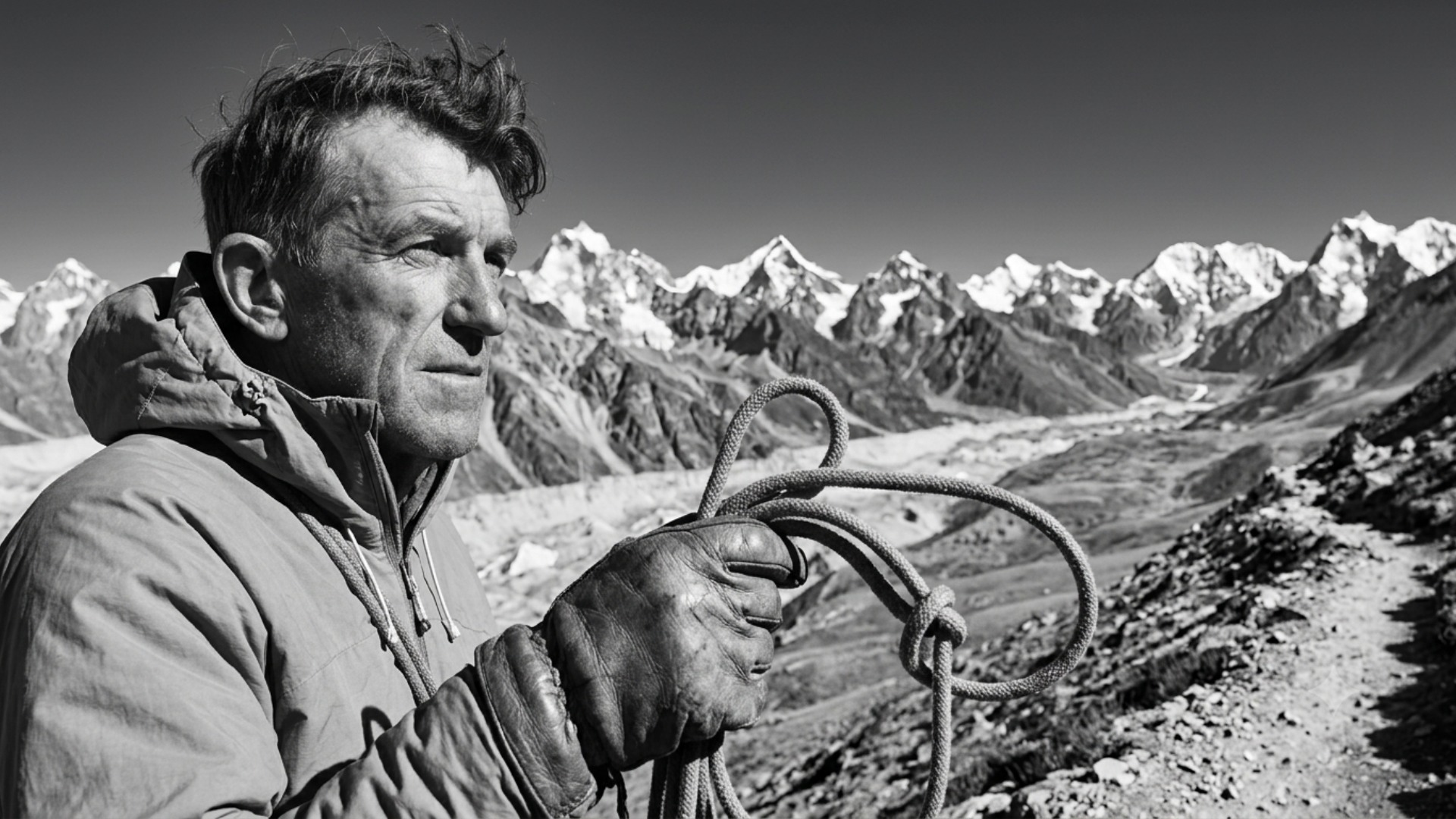
Hillary permanently impacted the field of global exploration by demonstrating that geographic field research must prioritize the welfare, autonomy, and economic development of indigenous communities. His establishment of the Himalayan Trust proved that wilderness expeditions can leave behind permanent public infrastructure rather than a trail of ecological and human exploitation. By converting his public notoriety into funding for hospitals, water pipelines, and schools, he showed subsequent generations of conservationists and NGOs how to build sustainable partnerships with local populations. His approach challenged the traditional colonial model of exploration, replacing it with an ethical framework that treated local communities as equal shareholders in geographical discovery.
His work fundamentally expanded international knowledge across multiple academic disciplines, including high-altitude medicine, polar logistics, and applied environmental conservation. The physiological data gathered during his high-altitude laboratory experiments provided medical researchers with foundational information on human hypoxia and acclimatization limits. Furthermore, his early warnings about environmental degradation in the Everest watershed led directly to the creation of Sagarmatha National Park, providing a blueprint for eco-tourism management. By turning raw geographic observation into practical tools for social change, he ensured that modern exploration would be evaluated by its ethical utility and its service to human welfare.
Examples:
| Collaborative Ethnography | Replaces colonial top-down expedition dynamics with a peer-to-peer partnership model with indigenous Sherpas. |
| High-Altitude Physiology | Operates systematic laboratory experiments at extreme elevations to analyze human oxygenation and survival limits. |
| Eco-Tourism Advocacy | Introduces systematic waste reduction and reforestation frameworks to counter the environmental decay of mountain tourism. |
| Polar Logistics Modeling | Designs interconnected network supply chains utilizing specialized motorized transport across sub-zero glacial terrain. |
| Empirical Myth-Busting | Deploys systematic zoological and forensic analysis to investigate local legends like the Himalayan Yeti creature. |
| Community-Led Development | Establishes infrastructure projects entirely dictated by the self-identified cultural and medical needs of local populations. |
| Three Poles Synthesis | Unifies Arctic, Antarctic, and Himalayan geographic data to understand universal global climate systems. |
| Media De-Escalation | Strategically crafts unified public narratives to prevent individual achievements from fueling volatile geopolitical rivalries. |
| Hydrological Mapping | Traces complex river pathways from ocean outlets to high-altitude mountain origins to analyze environmental health. |
| Aviation Logistics Integration | Utilizes short-takeoff-and-landing aircraft to drop crucial construction supplies into remote, roadless alpine valleys. |
| Post-Colonial Diplomacy | Redefines international diplomatic relations by prioritizing mutual educational and healthcare exchange over economic exploitation. |
| Prose Documentation | Authors descriptive, accessible field journals that reject grand hyperbole in favor of granular operational accuracy. |
| Verbatim Witness Verification | Records oral histories of early high-altitude climbs to preserve accurate institutional memory of exploration techniques. |
| Universal Humanitarianism | Asserts that elite athletic achievements are completely meaningless unless leveraged to alleviate localized human suffering. |
| Environmental Ethics | Establishes a permanent global imperative to protect pristine wilderness areas from unregulated commercial industrial expansion. |
Additional Achievements of Edmund Hillary
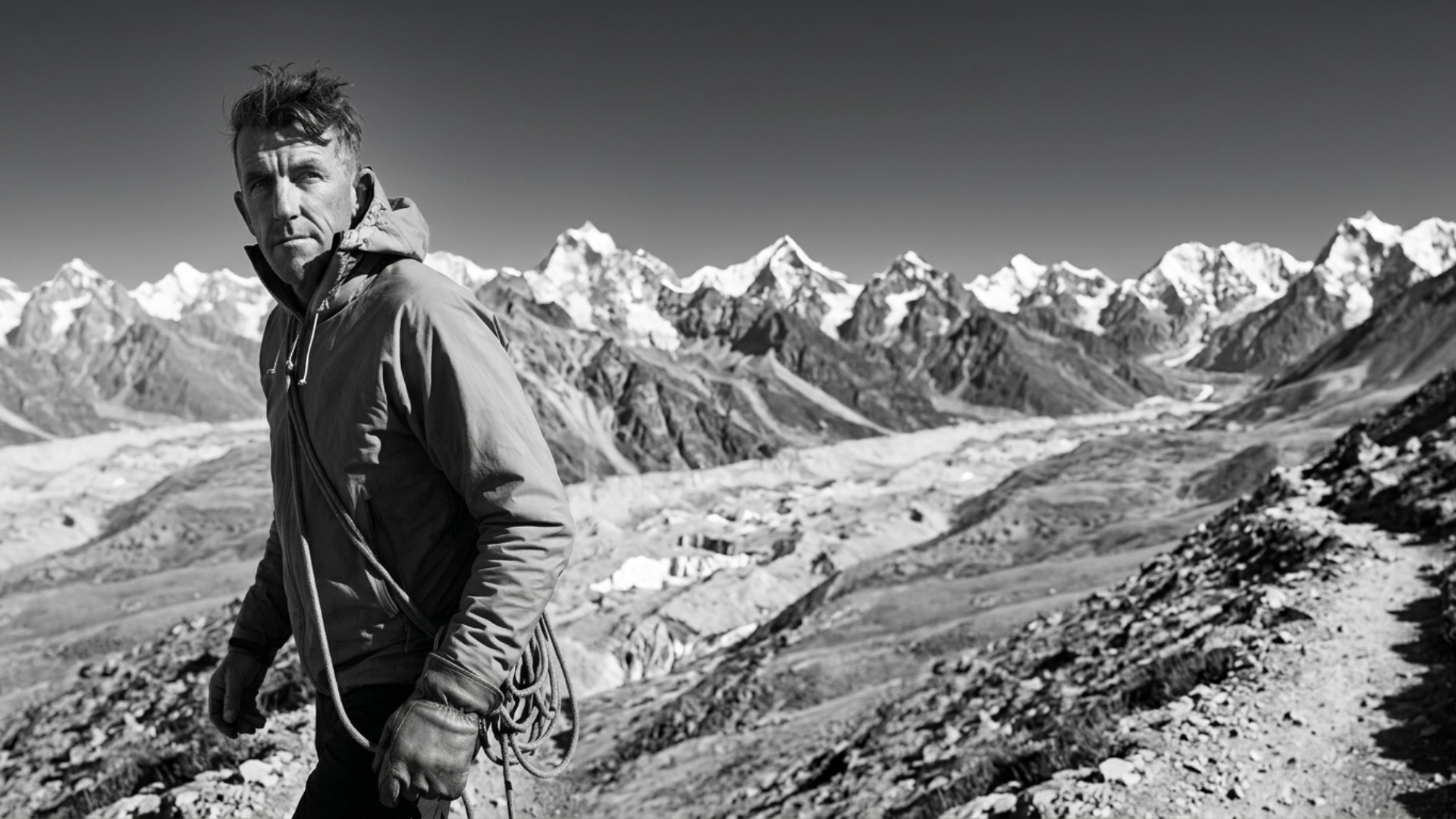
Hillary advanced his discipline by replacing individualistic, high-risk climbing tactics with an operational methodology focused on logistical precision and team safety. He treated extreme geographic environments as complex workspaces that required careful resource placement, mechanical redundancy, and clear lines of communication. By analyzing the specific infrastructure, healthcare, and educational deficits of the communities he visited, he built a reproducible model for sustainable regional development. His systematic approach proved that exploration projects can be designed to provide measurable, long-term benefits to local populations.
The strategic execution of his expeditions challenged traditional institutional practices by showing that environmental conservation and indigenous rights are essential to successful field research. Managing complex international logistics, he secured access to remote polar regions and restricted border zones while maintaining transparent, public reporting. His work forced international planning agencies to recognize that tourism and environmental protection must be managed together to prevent ecological damage. By sharing his findings through open publications and public lectures, he made geographic knowledge accessible to a global audience, ending an era when field data was controlled exclusively by elite military and state institutions.
Examples:
| Everest Elevation Verification | Coordinated with surveyors to verify the logistical demands of reaching the 8,848-meter summit in 1953. |
| Icefall Hazard Analysis | Mapped a safe, repeatable route through the Khumbu Icefall, establishing a standard path for future research. |
| Polar Vehicle Transit | Managed the mechanical adjustments needed to drive modified tractors across 1,250 miles of Antarctic ice. |
| Khumjung School Assembly | Organized the logistics to transport and assemble prefabricated school materials at an elevation of 12,400 feet. |
| Scott Base Engineering | Supervised the construction and winterization of New Zealand’s Antarctic research facility on Ross Island. |
| Ganges River Mapping | Navigated a 1,500-mile river course from ocean level to its mountain source to monitor environmental changes. |
| Acclimatization Planning | Developed structured elevation schedules for base camps to reduce the incidence of high-altitude cerebral edema. |
| Yeti Artifact Examination | Led an independent, multi-valley scientific study that disproved the authenticity of alleged cryptid remains. |
| Lukla Airstrip Construction | Directed the engineering of the Lukla Airport in 1964, transforming regional transport and supply lines. |
| Himalayan Trust Network | Financed and built 27 schools, establishing a standardized educational infrastructure in remote areas. |
| Khumbu Reforestation Project | Managed the planting of over 1,000,000 tree seedlings to stabilize eroded alpine slopes. |
| Phaphlu Clinical Facility | Funded, constructed, and staffed a 15-bed hospital to provide healthcare to the Solukhumbu district. |
| Antarctic Depot Staging | Placed 4 strategic supply caches across the Polar Plateau to support trans-continental scientific travel. |
| Suspension Bridge Installation | Engineered durable steel bridges over glacial rivers, improving safe local trade routes. |
| Sagarmatha Park Framework | Drafted the foundational proposal that led to the official creation of Sagarmatha National Park in 1976. |
| Arctic Flight Operations | Executed sub-zero flight navigation steps to land successfully on the Arctic ice sheet in 1985. |
| Asia-Pacific Envoy Service | Reorganized consular and educational protocols between New Zealand and India during his commissionership. |
| Oxygen System Adjustment | Redesigned open-circuit breathing equipment valves to prevent freezing failures at extreme temperatures. |
| Sherpa Welfare Endowment | Created long-term trust funds to provide educational scholarships and medical insurance for mountain workers. |
| Civilian Code Investment | Received the Order of New Zealand in 1987, the nation’s highest civilian honor, for global humanitarian service. |
References and Citations
- Elisha, R. (2005). Sir Edmund Hillary and the climbing of Mount Everest. National Library of New Zealand Research Journal, 3(1), 45-62. Auckland Museum Documentary Heritage Portfolio
- Hillary, E. (1955). High adventure: The true story of the first ascent of Everest. Oxford University Press. WorldCat Institutional Repository Entry
- Johnston, A. (2008). Geographical reflections on Sir Edmund Hillary (1919–2008). New Zealand Geographer, 64(2), 89-97. Wiley Online Library Database
- Milledge, J. S. (2010). The Silver Hut expedition, 1960-1961. High Altitude Medicine & Biology, 11(2), 93-101. ResearchGate Institutional Repository Archive
- Royal Geographical Society. (1953). The British Mount Everest expedition of 1953: Archive records and logistical overviews. The Geographical Journal, 119(4), 385-399. JSTOR Digital Academic Archive
- West, J. B., Lahiri, S., Gill, M. B., Milledge, J. S., Pugh, L. G., & Ward, M. P. (1983). A revision of maximal oxygen consumption and exercise performance at extreme altitude. The Journal of Physiology, 336(1), 22-24. The Journal of Physiology Wiley Database