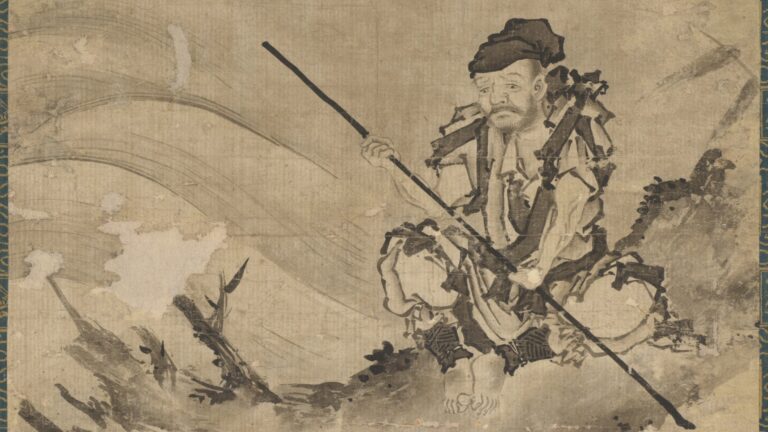
“The Arts”
The study of The Arts is built almost entirely upon the exploration of human expression and the application of creative mastery. It typically consists of a diverse array of modalities, including iconographic analysis, pigment science, and formal criticism, which allow individuals to access the aesthetic and ideological priorities of the past. The structure of these practices is often meticulous and forensic, leading to a profound reconstruction of the visual and tactile languages that defined vanished civilizations. Access to these creative states is managed through the cultivation of analytical powers like stylistic dating and semiotics.

The Visuals of the Past – The artistry of The Arts often manifests through the depiction of cultural narratives and symbolic forms. Artists throughout history have used precision and stylistic innovation to represent the radiant legacy surrounding their social identity. Furthermore, the use of intricate craftsmanship in metalwork and the application of complex perspectives in painting reflect a deep-seated belief that aesthetic expression is a permanent signature of a society’s intellectual depth.
The Hidden Truth: The Continuity of Human Expression – The hidden symbolic truth about The Arts is the principle that every creative work in existence consists of both a physical medium and a metaphysical message. While styles appear distant and disconnected, they are actually composed of a single, flowing narrative of human ingenuity moving through different centuries. Thus, the goal of many artistic studies is to align one’s modern perspective with the sensory reality of ancestors, effectively dissolving the illusion of time.
Fact: Universal Legacy – Historical records show that every major human civilization has maintained a drive to decorate its environment and record its history through visual media. From the ochre handprints in Paleolithic caves to the complex oil portraits of the Renaissance, these legacies serve as a cultural anchor. This widespread presence recognizes the inherent human drive to seek answers about beauty, communication, and the preservation of culture through canvas, clay, and precious metals.
Did you know?
This primary group explores the fundamental essence of the human journey and the diverse creative languages that exist within the physical remains of the earth. Researchers often focus on Symbolic Iconography to achieve a deeper connection with the minds of those who visualized the world’s mythologies. Furthermore, this section addresses the presence of Lost Masterpieces, Ancient Pigments, and Ritual Objects that interact with our understanding of history.
I. Fine Arts & Painting
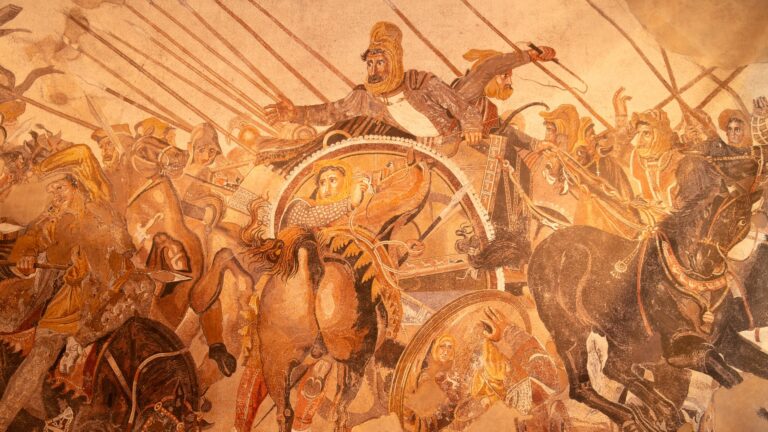
The scientific investigation of fine arts serves as the gateway to understanding the complex ideological frameworks that enabled societies to record their history through two-dimensional media. By analyzing the chemical composition of Ancient Pigments and the application of Fresco Techniques, researchers reconstruct the technical sophistication of extinct cultures. Furthermore, this section explores the narrative mechanisms of Mural Art, examining how public imagery influenced social cohesion and religious devotion.

The study of Illuminated Manuscripts and Calligraphy reveals the diverse methods of elite communication that thrived within monastic and royal circles. Additionally, this field documents the stylistic achievements of diverse societies, mapping the rise of linear perspective and the expansion of chiaroscuro. By examining the surfaces of Pottery Decoration and Canvas Works, we uncover the foundational laws of composition and color theory that governed early human creativity.
- Fine Arts & Painting
- Ancient Pigments & Dyes
- Fresco & Wall Painting
- Mural Art
- Illuminated Manuscripts
- Calligraphy & Scripts
- Pottery Decoration
- Canvas & Oil Works
- Tempera & Encaustic
- Linear Perspective
- Chiaroscuro & Shading
- Iconography & Symbolism
- Portraiture
- Landscape Painting
- Narrative Art
- Religious Art
- Secular Art
- Abstract Patterns
- Miniature Painting
- Mosaics & Inlays
- Pigment Sourcing
- Binder Analysis
- Artistic Schools
- Style Revivals
- Master-Apprentice Lineages
- Artistic Mediums
II. Sculpture & Plastic Arts
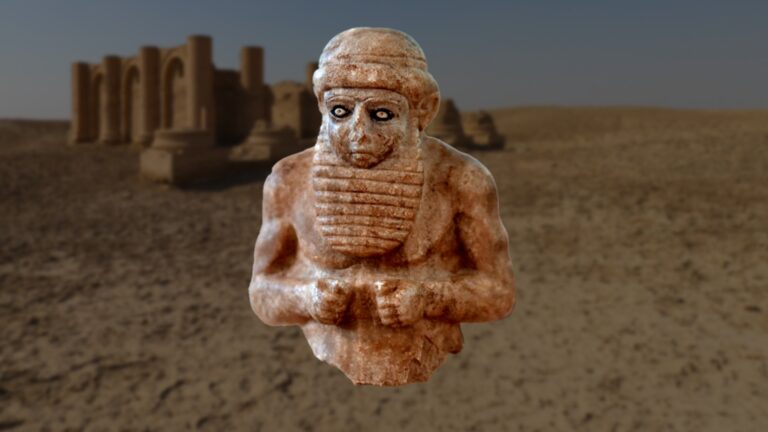
Sculpture serves as the empirical foundation for three-dimensional inquiry, leveraging the physical remnants of carved and molded forms to validate the social values found in written records. This section is dedicated to the identification and systematic analysis of Statuary, which functions as a high-fidelity temporal capsule of human anatomy and idealization. The analysis of the proportions within Classical Sculptures and Relief Carvings provides critical insights into how societies visualized power and the divine. Furthermore, the exploration of Terracotta Figures and Votive Offerings offers an unparalleled look into the daily spiritual and domestic lives of the human species.

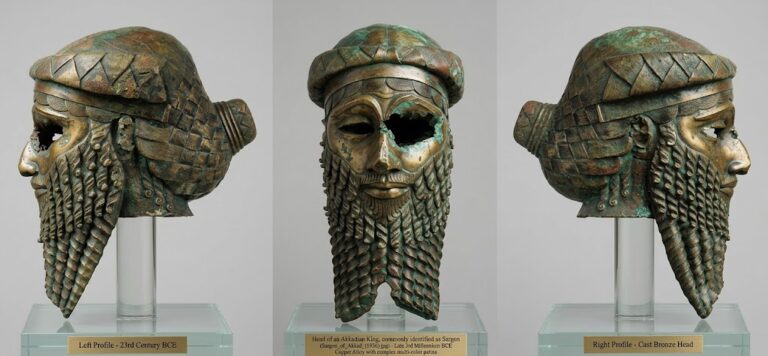
Specialized artifacts, such as Glyptic Art and Intaglios, yield quantifiable data regarding the precision of ancient tools and the status of the owners. Moreover, the study of Monumental Sculpture and Totem Poles reveals how ancient artisans utilized scale to facilitate political governance and tribal identity. These physical objects provide the objective evidence necessary to reconstruct the physical ideals of populations that defined their existence through form.
- Sculpture & Plastic Arts
- Statuary & Figurines
- Relief Carvings (High and Low)
- Classical Sculptures
- Terracotta & Clay Modeling
- Votive Offerings
- Glyptic Art (Engraved Gems)
- Intaglios & Seals
- Monumental Sculpture
- Totem Poles
- Bronze Casting (Lost Wax)
- Marble & Stone Carving
- Wood Carving
- Ivory & Bone Carving
- Anatomical Idealism
- Stylistic Evolution in Form
- Busts & Effigies
- Sarcophagi Decoration
- Colossal Statues
- Pediment Sculptures
- Chryselephantine Art
- Kinetic & Mobile Art
- Soft Sculpture (Historical)
- Tool Mark Analysis
- Surface Texturing
- Patina & Polishing
III. Decorative Arts & Craftsmanship
The forensic analysis of Decorative Arts involves the study of functional objects modified by humans, serving as the tangible link between ancient utility and aesthetic pride. This section examines Jewelry & Adornments that represent the social and ritualistic priorities of past cultures, often functioning as indicators of wealth and protection. Furthermore, the recovery of Textiles & Weavings provides the primary datasets for historians to decipher ancient trade networks and material availability.
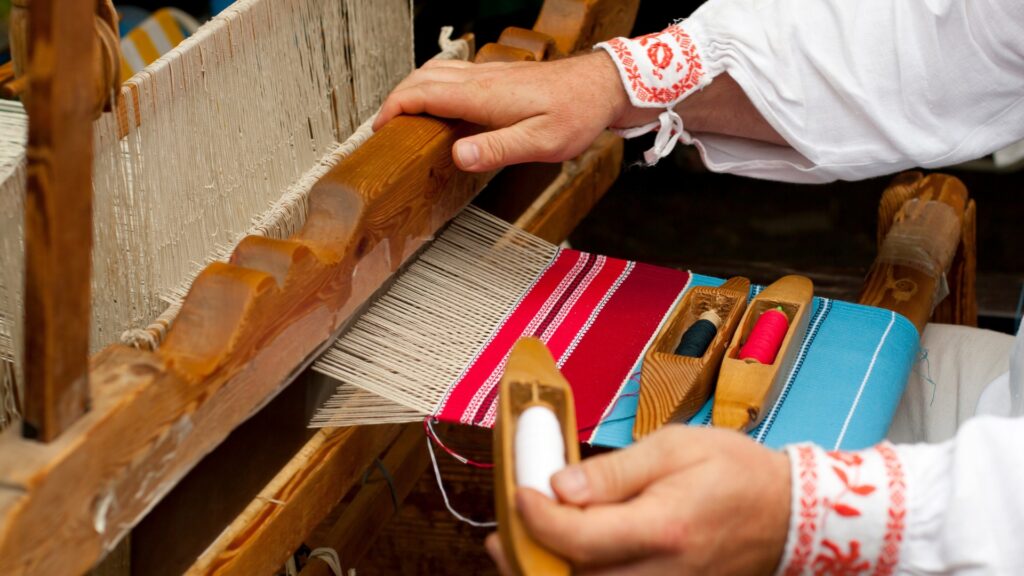
By studying Metalwork and Enameling, researchers reconstruct the metallurgical cycles and craft specialization of vanished societies. Moreover, the technical sophistication evident in Furniture Design and Glassmaking reveals the domestic values and technological ingenuity inherent within a culture. Consequently, the meticulous cataloging of these items, from Ceramic Vessels to Lapidary Work, allows for the establishment of artistic exchange routes and technological timelines that define the progression of human craftsmanship across the globe.
- Decorative Arts & Craftsmanship
- Jewelry & Adornments
- Textiles & Weavings
- Metalwork & Smithing
- Enameling & Cloisonné
- Furniture Design & Inlay
- Glassmaking & Faience
- Ceramic Vessels & Kilns
- Lapidary Work
- Gemstone Cutting
- Basketry & Cordage
- Leatherwork & Tooling
- Armour Decoration
- Weaponry Artistry
- Tapestries & Embroidery
- Gilding & Gold Leaf
- Lacquerware
- Beadwork & Shell Art
- Cloak & Garment Design
- Household Finery
- Guilds & Craft Societies
- Material Sourcing
- Trade in Luxury Goods
- Artisanal Tools
- Technical Innovation
- Functional Aesthetics
IV. Artistic Eras & Movements
To establish a coherent narrative of the human past, historians utilize Eras (Timelines) as a chronological framework for organizing historical data. This section utilizes absolute and relative dating methods to divide time into Millenniums, Centuries, and specific Years and Months. By categorizing history into distinct periods—such as the Stone Age, Bronze Age, and Iron Age—researchers can track the global diffusion of technology and the evolution of social complexity.

- Artistic Eras & Movements
- Prehistoric Art (Rock & Cave)
- Ancient Near Eastern Art
- Egyptian Art Periods
- Classical Antiquity
- Byzantine Art
- Medieval & Romanesque
- Gothic Art
- Renaissance (Early & High)
- Mannerism
- Baroque & Rococo
- Neoclassicism
- Romanticism
- Realism
- Impressionism
- Post-Impressionism
- Art Nouveau
- Expressionism
- Cubism & Surrealism
- Modernism
- Post-Modernism
- Contemporary Movements
- Indigenous Art Eras
- Asian Art Dynasties
- Islamic Art Periods
- Pre-Columbian Art Styles
V. Tools, Materials & Techniques
The study of Tools, Materials & Techniques examines the critical role of technology and physical resources in the creation of artistic works. This section focuses on the deep logistics of Pigment Grinding and Metal Smelting, investigating the supply chains required to maintain large-scale artistic production across diverse regions. Furthermore, researchers analyze the technical skill of Ancient Artisans through the documentation of Chisels, Brushes, and Kilns that acted as catalysts for innovation in the ancient world.

The evolution of Oil Chemistry and Dye Extraction reflects the constant scientific race to achieve more durable and vibrant creative expressions. Additionally, this field investigates the organization of Artisan Workshops and their complex relationship with state and religious patronage. Moreover, the study of Conservation Science and material degradation provides vital insight into the environmental pressures that have historically challenged the survival of cultural treasures, revealing the immense cost of maintaining a society’s artistic legacy.
- Tools, Materials & Techniques
- Pigment Grinding & Mixing
- Brush Construction
- Metal Smelting & Alloys
- Ceramic Kilns & Firing
- Oil & Binder Chemistry
- Dye Extraction
- Chisel & Carving Tools
- Paper & Papyrus Making
- Vellum & Parchment Prep
- Casting Molds
- Weaving Looms
- Lathes & Turning Tools
- Lapidary Wheels
- Measuring & Gridding
- Material Degradation
- Conservation Science
- Restoration Techniques
- Scientific Dating (C14, etc.)
- Infrared & X-ray Analysis
- Workshop Organization
- Patronage Systems
- Apprenticeship Records
- Technical Treatises
- Lost Techniques
- Experimental Archaeology
VI. Performance & Ritual Arts
The field of Performance & Ritual Arts focuses on the temporal and experiential factors that dictated how civilizations expressed their values through movement and sound. This section utilizes historical records and ethnographic data to reconstruct the Ancient Music and Dance Traditions that served as central components of social life. Furthermore, the mapping of Theatrical Venues and Ritual Spaces reveals how ancient societies managed large-scale communal experiences. The platform also includes a focus on Masks and Costumes, which catalogs the physical transformations used in religious ceremonies and dramatic storytelling, documenting the persistent human interaction with the performative unknown.

By analyzing the Musical Instruments and Choreographic Records used by ancient performers, historians reconstruct the auditory and rhythmic environments of the past. Consequently, these records provide the conceptual map required to navigate the complex social and spiritual atmosphere of the ancient world.
- Performance & Ritual Arts
- Ancient Music & Instruments
- Dance Traditions
- Theatrical Arts (Drama, Comedy)
- Masks & Ceremonial Wear
- Ritual Choreography
- Oral Traditions & Storytelling
- Acoustic Architecture
- Lyres, Harps & Flutes
- Percussion History
- Chanting & Vocal Arts
- Costume Design & Status
- Stage Craft & Machinery
- Processional Arts
- Religious Festivals
- Shadow Puppetry
- Martial Arts as Performance
- Courtly Entertainment
- Bardic Traditions
- Hymns & Sacred Music
- Notational History
- Performance Venues
- Social Roles of Performers
- Ephemeral Art (Sand, Ice)
- Body Art & Scarification
- Ritual Sacrifice Visuals
Sources & Credits: the Arts Section
Sources
- Renfrew, C., & Bahn, P. (2020). Archaeology: Theories, Methods, and Practice. Thames & Hudson.
- Keegan, J. (1993). A History of Warfare. Vintage.
- Rediker, M. (2004). Villains of All Nations: Atlantic Pirates in the Golden Age. Beacon Press.
- Eliade, M. (1951). Shamanism: Archaic Techniques of Ecstasy. Princeton University Press. Link to Princeton Press
- Diamond, J. (1997). Guns, Germs, and Steel. W.W. Norton & Company.
- Schiffer, M. B. (1987). Formation Processes of the Archaeological Record. University of New Mexico Press.
- Trigger, B. G. (2006). A History of Archaeological Thought. Cambridge University Press.
- Braudel, F. (1949). The Mediterranean and the Mediterranean World. Harper & Row.
- Robinson, A. (2009). Lost Languages: The Enigma of the World’s Undeciphered Scripts. Thames & Hudson.
- Cline, E. H. (2014). 1177 B.C.: The Year Civilization Collapsed. Princeton University Press.