Countries That Start With H
The evolution of early human societies is written across the landscapes they inhabited and the physical objects they left behind. Looking closely at countries that start with H reveals a diverse path of state-building, ranging from revolutionary island bastions to massive mountain ceremonial complexes. Long before modern registries documented these territories, localized cultures shapes their identities by constructing deep-set fortifications, crafting unique pottery styles, and establishing long-range maritime and trade networks. Analyzing these physical remains lets us evaluate early engineering skills and political structures, turning abstract historical timelines into an objective record of human adaptation.
To make comparing these global milestones straight forward, this index presents a concise overview of each country’s background alongside a standardized data template. Each profile features an identical four-part reference table that highlights foundational societies, major figures, architectural monuments, and iconic archeological artifacts. This consistent layout enables quick data scanning and clean copying for academic reference or cross-regional study. Explore this structured collection to see how the early creations and material records of the past continue to anchor our global heritage.
Countries That Start With H
🇭🇹 Haiti
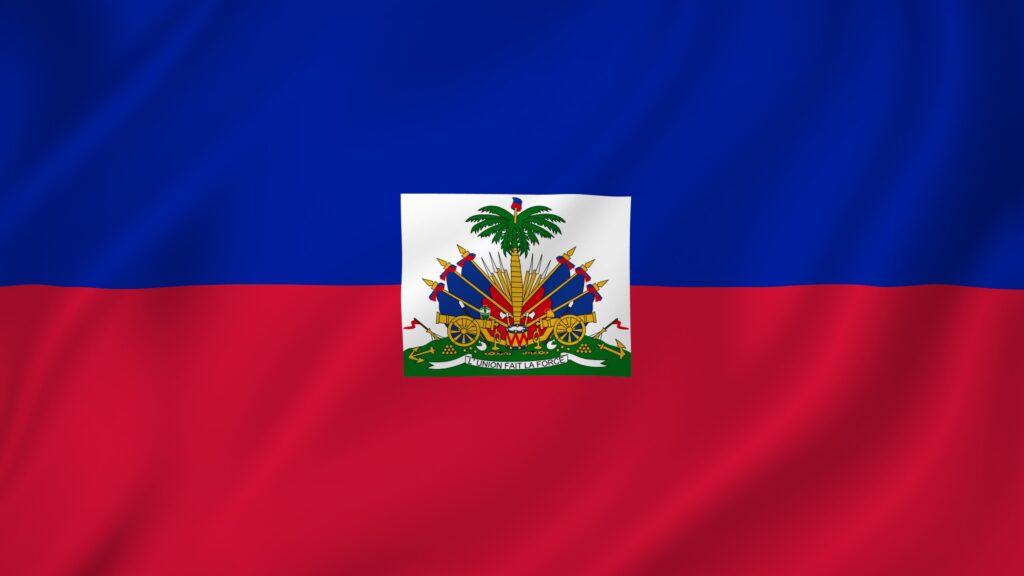
Haiti occupies the western third of Hispaniola, a mountainous Caribbean island bounded by the Atlantic Ocean and the Caribbean Sea. Originally home to the advanced agricultural Taíno chiefdoms, the territory was colonized sequentially by Spain and France. Developing into the wealthiest sugar and coffee colony of the French global empire through the forced migration of enslaved West Africans. In 1804, a brilliantly executed, successful anti-colonial slave revolution completely shattered French rule, establishing Haiti as the world’s first independent Black-led republic. Today, the nation protects its vast mountain fortifications, royal architectural ruins, and ancestral Afro-Caribbean religious traditions that record its epic struggle for universal human freedom.
More
| Civilizations / Societies | Taíno Chiefdoms (Xaragua/Marien), French Colony of Saint-Domingue, Republic of Haiti |
| Historical Figures | Toussaint Louverture, Jean-Jacques Dessalines, Henri Christophe |
| Landmarks | Citadelle Laferrière, Sans-Souci Palace, Historic Center of Cap-Haïtien |
| Artifacts | Taíno stone zemi carvings, revolutionary military weaponry, early iron chains of captivity |
Countries That Start With H
🇭🇳 Honduras
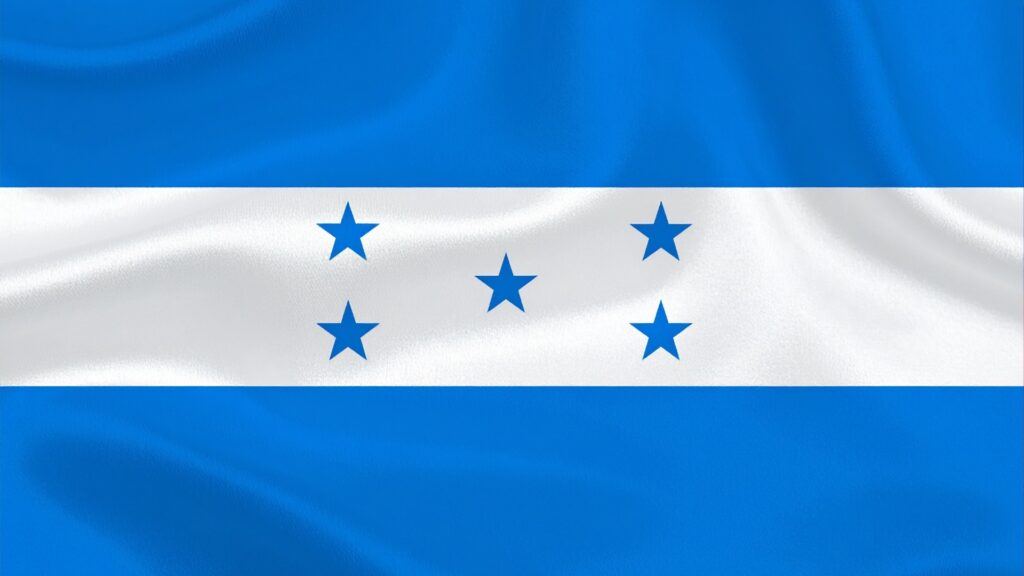
Honduras spans a geographically diverse landscape in Central America, transitioning from rugged interior mountain ranges to expansive Caribbean and Pacific coastlines. The western valleys functioned for centuries as a vital southern cultural heartland for the ancient Maya civilization, hosting monumental stone plazas, intricate hieroglyphic stair cases, and advanced astronomical observatories. Spanish military conquest in the sixteenth century instituted extensive silver mining operations that radically altered indigenous land distribution patterns and attracted fierce anti-colonial resistance. Modern state frameworks focus on cataloging these vast rainforest archaeological ruins alongside the complex wood carvings and textile arts preserved by its contemporary indigenous and Garifuna communities.
More
| Civilizations / Societies | Classical Maya Civilization, Lenca Chiefdoms, Spanish Kingdom of Guatemala |
| Historical Figures | Lempira (Lenca ruler), Francisco Morazán, José Cecilio del Valle |
| Landmarks | Maya Site of Copán, Fortress of San Fernando (Omoa), Trujillo Colonial Outposts |
| Artifacts | Copán Hieroglyphic Staircase, Mayan jade jewelry, Lenca poly-chrome ritual ceramics |
Countries That Start With H
🇭🇰 Hong Kong
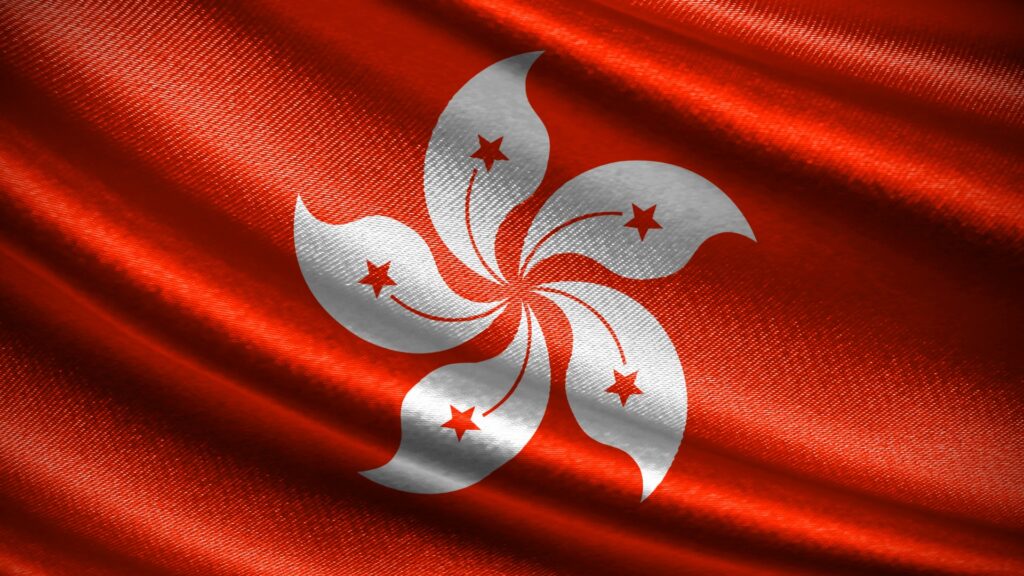
Hong Kong is a dynamic special administrative region located on the southern coast of China, bounded by the Pearl River Delta and the South China Sea. Initially settled by Neolithic coastal communities and ancient Chinese dynastic fishers, the territory evolved into a wealthy maritime trading axis under the Tang and Song dynasties. British colonial annexation in the mid nineteenth century transformed this mountainous archipelago into a highly critical international deepwater port and financial clearinghouse, completely restructuring its architectural and economic landscapes. Following its 1997 handover to Chinese sovereignty, Hong Kong blends futuristic high tech skyscrapers with the preservation of its ancient maritime shrines, walled villages, and early trading junks.
More
| Civilizations / Societies | Neolithic Yue Tribes, Tang and Song Dynasties, British Crown Colony |
| Historical Figures | Sir Henry Pottinger, Sun Yat-sen (regional focus), Lui Seng Chun |
| Landmarks | Tai Kwun (Old Central Police Station), Sung Wong Toi Monolith, Man Mo Temple |
| Artifacts | Lei Cheng Uk Han Tomb brick structures, ancient bronze bells, traditional wooden fishing junks |
Countries That Start With H
🇭🇺 Hungary
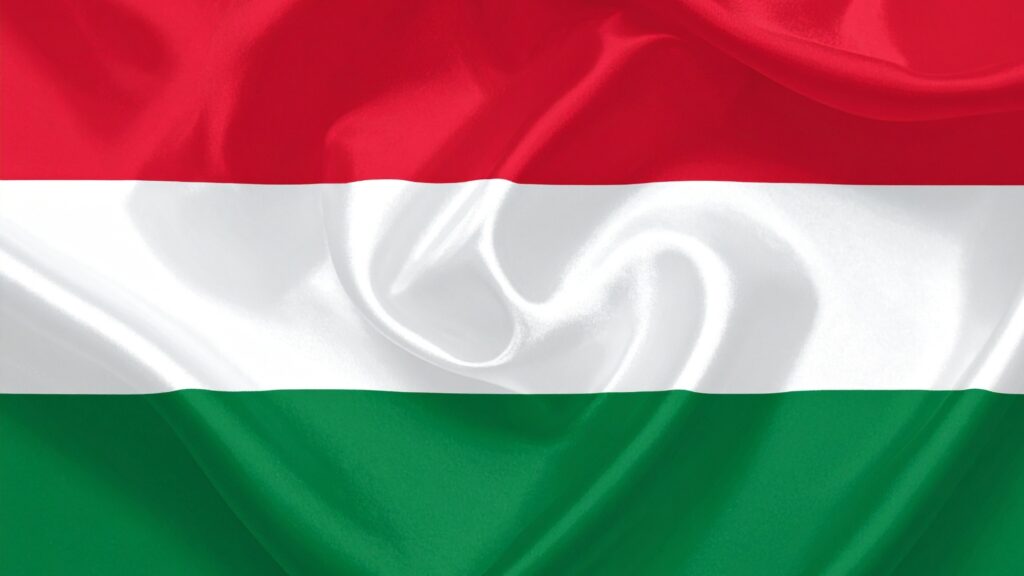
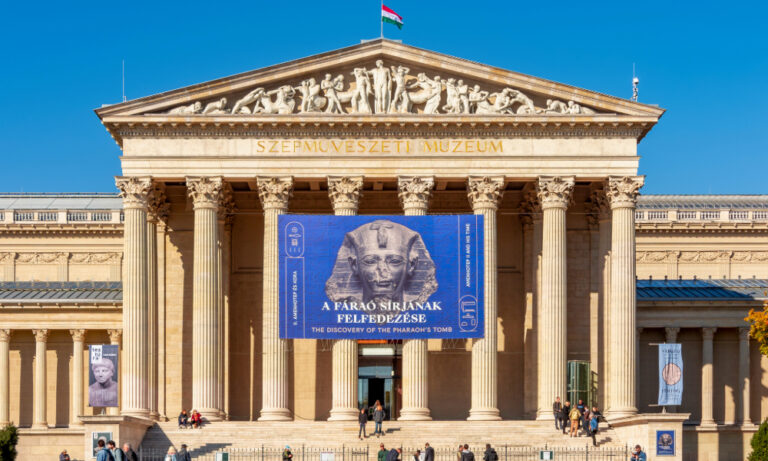
Hungary is a land locked nation situated in the geographic heart of Central Europe, centered within the fertile Carpathian Basin and divided by the Danube River. Bounded by rolling hills and ancient plains, the region was heavily shaped by Roman military colonies before the late ninth-century arrival of migratory Magyar tribes who established a powerful medieval Christian kingdom. For centuries, Hungary functioned as a heavily fortified frontier zone protecting Central Europe from expanding Ottoman armies, resulting in a deeply layered landscape of thermal baths, gothic citadels, and baroque palaces. Reclaiming its full democracy in 1989, the nation balances a highly sophisticated modern economy with the detailed archiving of its unmatched dynastic treasures and grand urban architecture.
More
| Civilizations / Societies | Roman Pannonia, Principality of Hungary, Kingdom of Hungary, Austro-Hungarian Empire |
| Historical Figures | King Stephen I (Saint Stephen), King Matthias Corvinus, Lajos Kossuth |
| Landmarks | Buda Castle District, Hungarian Parliament Building, Esztergom Basilica, Aquincum Roman Ruins |
| Artifacts | Holy Crown of Hungary (Crown of St. Stephen), Roman aqueduct remnants, medieval illuminated manuscripts |
More Countries
Citations and References
Sources
- National Profiles & Geographics: The primary sovereign categorization, geographical borders, and foundational data for nations starting with H—from Haiti to Hungary—are sourced from the global Worldometer H-Country Index.
Sovereign & Territory Status: Geopolitical coordinates, territorial designations, and boundary parameters are verified against tracking metrics hosted on the World Population Review H-Country Master Index and the World Atlas Letter H Geography Registry.
Historical & Material Overviews: Architectural milestones and archeological artifacts—such as the Copán Hieroglyphic Staircase, the Citadelle Laferrière, and the Holy Crown of Hungary—are cross-referenced with the digital catalogs of the QuillBot Regional Reference Database and localized historical folders compiled by the U.S. Department of State Office of the Historian.