Table of Contents: Countries of the World
- Dependent Territories
- Disputed Territories
- Special Regions
- A COUNTRIES
- B COUNTRIES
- C COUNTRIES
- D COUNTRIES
- E COUNTRIES
- F COUNTRIES
- G COUNTRIES
- H COUNTRIES
- I COUNTRIES
- J COUNTRIES
- K COUNTRIES
- L COUNTRIES
- M COUNTRIES
- N COUNTRIES
- O COUNTRIES
- P COUNTRIES
- Q COUNTRIES
- R COUNTRIES
- S COUNTRIES
- T COUNTRIES
- U COUNTRIES
- V COUNTRIES
- W COUNTRIES
- Y COUNTRIES
- Z COUNTRIES
Our world is a vast network of nations built upon the deep foundations of ancient civilizations, each holding a unique legacy that shaped human history. From the enduring monuments of Egypt, Italy, and Greece to the sprawling historic empires of China, Iran, and Peru, modern borders encompass centuries of human achievement. Exploring these lands reveals the enduring footprints of early societies, where monumental architecture, early laws, and spiritual traditions first emerged. Every country guards archaeological treasures, forgotten ruins, and oral histories that tell the story of our shared past. Understanding this historical landscape allows us to appreciate how early innovations continue to influence modern governance, culture, and science. This historical journey connects us directly to the ancestral roots that define our global story. [1, 2, 3, 4]
Across the globe, diverse geographic environments directly shaped the rise and fall of great historical powers. Major river valleys, fertile plains, and rugged mountain ranges dictated where early kingdoms like India, Iraq, and Mexico would flourish. These unique landscapes influenced ancient trade routes, military strategies, and agricultural breakthroughs, driving the expansion of powerful dynastic states. From the sun-bleached citadels of the Mediterranean to the hidden jungle temples of Cambodia and Guatemala, humanity adapted beautifully to different terrains. Studying these ancient nations fosters a deeper respect for human ingenuity and preserves the memory of civilizations that laid the groundwork for today. Learning about these historic regions expands our perspective and deepens our appreciation for the enduring wonders of our ancient earth. [1, 2]
“The world is a book, and those who do not travel read only one page.” — Saint Augustine
 Dependent Territories
Governance Beyond Sovereignty
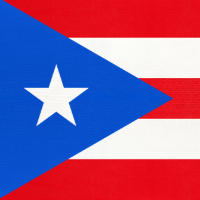
These territories, while linked to administering states, showcase unique identities. Examples include Greenland (autonomous Danish territory) with its Arctic landscapes and Inuit culture, Puerto Rico (U.S. Commonwealth) boasting Caribbean heritage, French Polynesia (French overseas collectivity) with its idyllic islands, Guam (U.S. territory) holding strategic importance, Bermuda (British overseas territory) known for its pink-sand beaches, and Aruba (constituent country of the Kingdom of the Netherlands) with its distinct Dutch and Caribbean influences. These diverse locales, each with their own wonders, navigate governance and cultural identity in relation to their administering powers.
 Disputed Territories
Contested Lands of Claims & Conflict
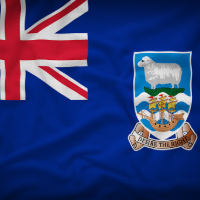
Regions with contested sovereignty often hold significant historical and cultural weight for multiple claimants. Examples include the Golan Heights (claimed by Syria, occupied by Israel), Kashmir (claimed by India, Pakistan, and China), the West Bank (claimed by Palestinians, largely under Israeli control), the Falkland Islands (Malvinas) (claimed by Argentina, administered by the UK), Western Sahara (claimed by Morocco, contested by the Polisario Front), and the Senkaku/Diaoyu Islands (claimed by China and Taiwan, administered by Japan). These areas, frequently possessing strategic value or cultural significance, remain focal points of international tension and competing narratives.
 Special Regions
Governance Within National Borders
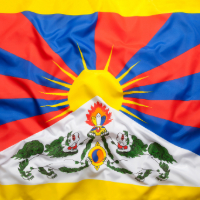
These autonomous entities within sovereign states possess distinct systems and cultures. Hong Kong and Macau (China) maintain unique legal, economic, and customs territories from their colonial past. Åland (Finland) enjoys extensive self-rule with its own parliament and demilitarized status, reflecting its Swedish-speaking heritage. The Kurdistan Region (Iraq) operates with significant autonomy, including its own government and security forces. Additionally, Tibet Autonomous Region (China) is designated for its distinct cultural and religious identity, although its level of practical autonomy is a subject of debate. The Autonomous Community of Catalonia (Spain) possesses significant devolved powers, including its own language and cultural institutions.
Examples
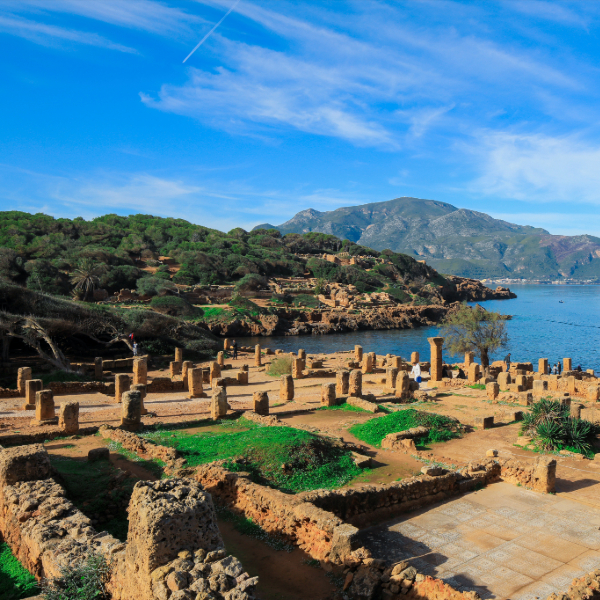
Explore ancient wonders in “A” countries. Algeria boasts Tipasa, a significant Roman trading post with well-preserved coastal ruins reflecting Mediterranean life. Armenia’s Garni Temple, a unique Greco-Roman structure, stands as a testament to pre-Christian architectural traditions in the Caucasus. Afghanistan, once home to the Bactrian civilization along the Silk Road, reveals a blend of Greek and Central Asian cultures. Azerbaijan’s Gobustan preserves millennia of history in its rock art. Albania’s Apollonia, a Greek colony, became a vital intellectual and commercial hub on the Adriatic.
More
- Algeria: Tipasa – This coastal city contains remnants of Roman baths and a theater overlooking the sea.
- Armenia: Garni Temple – Its peristyle structure and intricate carvings are characteristic of Hellenistic architecture.
- Afghanistan: Bactria (Ai-Khanoum) – Archaeological evidence reveals a Greek-style gymnasium and a temple with Central Asian influences.
- Azerbaijan: Gobustan – The petroglyphs depict scenes of hunting, animal husbandry, and possibly early astronomical observations.
- Albania: Apollonia – The city was strategically located on the Via Egnatia, a major Roman road connecting East and West.
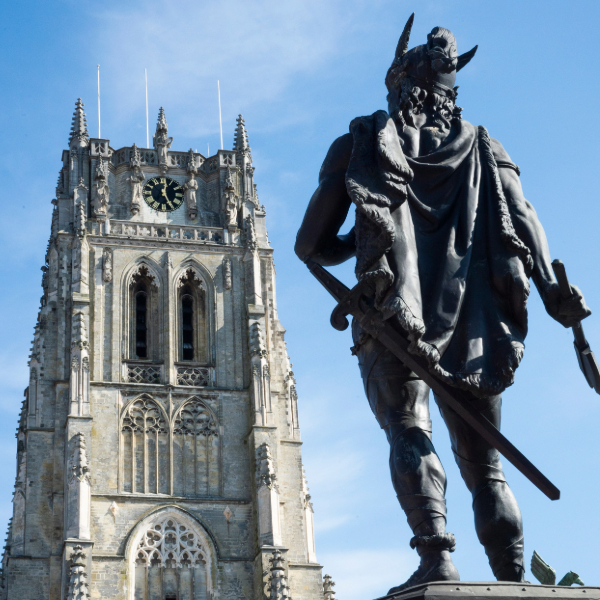
Examples
Discover ancient legacies in “B” countries. Bahrain’s Dilmun civilization was a major Bronze Age trading center. Bangladesh’s Wari-Bateshwar reveals early urban settlements. Barbados, while its pre-colonial history is less documented in grand structures, holds archaeological significance. Belarus has evidence of early Slavic settlements and burial mounds. Belgium, though known for medieval history, contains remnants of Roman presence.
More
- Bahrain: Dilmun – Considered by some to be the land of immortality in Mesopotamian texts.
- Bangladesh: Wari-Bateshwar – Predates other known major urban centers in Bengal.
- Barbados: (Pre-colonial sites) – Evidence suggests early Amerindian habitation.
- Belarus: Burial Mounds (Kurgan) – Indicate early Slavic and Baltic cultures.
- Belgium: Tongeren – One of the oldest cities in Belgium, with Roman origins.
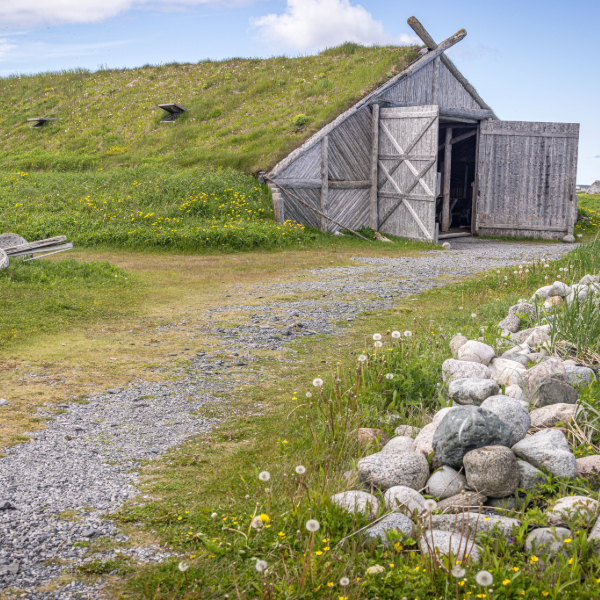
Examples
Unearth ancient pasts in “C” countries. Cambodia’s Angkor Wat, a monumental temple complex, showcases the grandeur of Khmer architecture and cosmology. Canada’s L’Anse aux Meadows offers the only confirmed Viking settlement in North America. Cabo Verde’s pre-colonial history reveals early human interaction with its volcanic landscape. Cameroon’s Shum Laka rock shelter holds ancient human remains and tool technology. Central African Republic’s archaeological sites suggest early settlement patterns in the heart of Africa.
More
- Cambodia: Angkor Wat – Its intricate carvings depict scenes from Hindu epics and Khmer history.
- Canada: L’Anse aux Meadows – Remains of Norse longhouses provide evidence of their transatlantic voyages.
- Cabo Verde: (Pre-colonial sites) – Archaeological research is uncovering early settlement patterns on the islands.
- Cameroon: Shum Laka – The rock shelter has yielded some of the oldest human remains in West Africa.
- Central African Republic: (Early settlements) – Archaeological findings contribute to understanding the region’s prehistory.
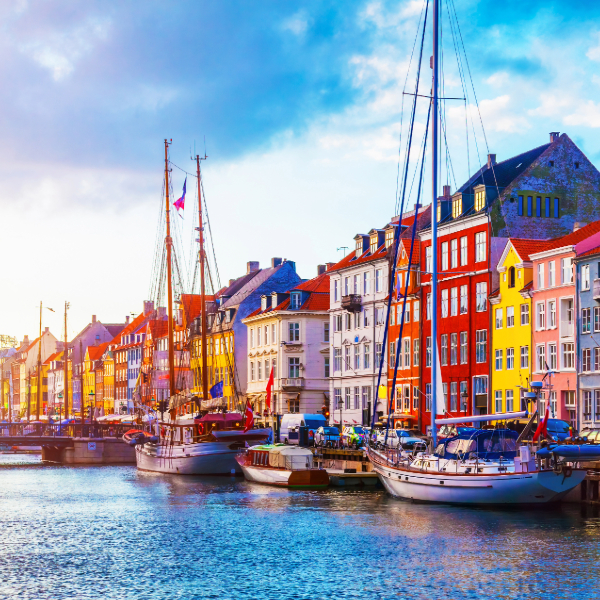
Examples
Explore ancient realms in “D” countries. Democratic Republic of the Congo’s Ishango bone suggests early mathematical understanding in prehistoric Africa. Denmark’s Jelling Stones mark the pivotal conversion of the Vikings to Christianity and the unification of their kingdom. Djibouti, the ancient Land of Punt, was a crucial trade partner with Egypt, exchanging exotic goods. Dominica’s pre-colonial history is rich with the culture and settlements of the indigenous Carib people. Dominican Republic was home to the Taíno civilization, who developed complex social structures and artistic traditions across the island.
More
- Democratic Republic of the Congo: Ishango bone – Its notched markings may represent a lunar calendar or early arithmetic.
- Denmark: Jelling Stones – These rune stones provide key historical information about early Danish rulers.
- Djibouti: Land of Punt – Egyptian records detail voyages to this land for incense and other valuable resources.
- Dominica: (Pre-colonial Carib settlements) – Archaeological sites reveal evidence of their unique way of life.
- Dominican Republic: (Taíno sites) – Caves on the island contain significant examples of Taíno rock art.
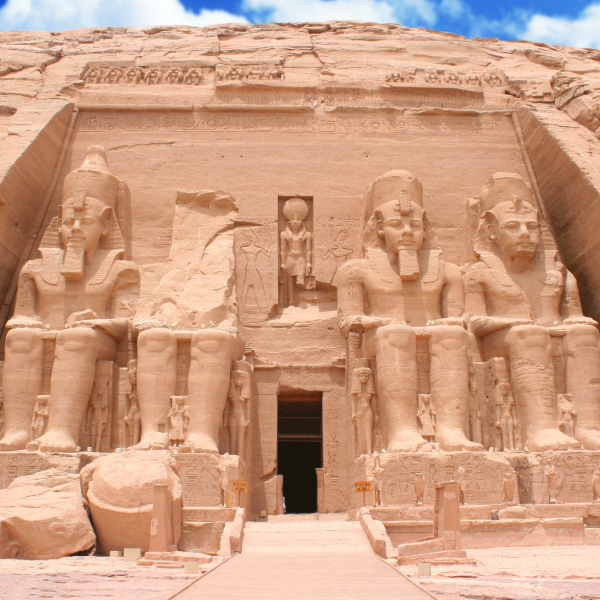
Examples
Discover ancient heritage in “E” countries. Ecuador’s Valdivia culture represents one of the earliest sedentary societies in the Americas, known for its distinctive ceramic figurines. Egypt’s monumental pyramids and temples along the Nile stand as iconic symbols of one of the world’s oldest and most influential civilizations. El Salvador’s Joya de Cerén offers a unique, preserved snapshot of everyday Mayan life in a farming village due to a volcanic eruption. Equatorial Guinea’s pre-colonial history includes evidence of early human migration and settlement patterns across its diverse geography. Eritrea’s ancient Aksumite Kingdom was a powerful trading empire that left behind impressive stelae and early Christian influences.
More
- Ecuador: Valdivia – Their “Venus” figurines are among the oldest ceramics found in the Western Hemisphere.
- Egypt: Giza Pyramids – The Great Pyramid remains one of the Seven Wonders of the Ancient World.
- El Salvador: Joya de Cerén – The volcanic ash preserved not only structures but also household tools and food remains.
- Equatorial Guinea: (Pre-colonial sites) – Archaeological research continues to uncover details of early populations.
- Eritrea: Aksum – Its massive granite obelisks marked royal tombs and celebrated the kingdom’s power.
Examples
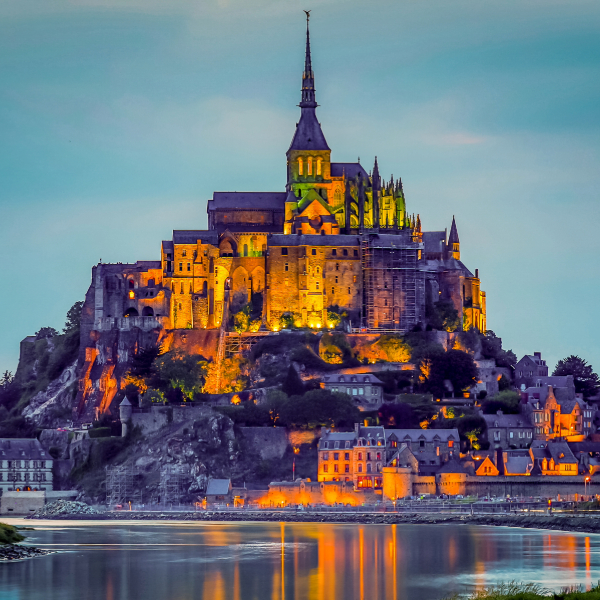
Uncover ancient stories in “F” countries. Fiji’s archaeological sites reveal evidence of the Lapita culture, the early seafaring people who spread across the Pacific, leaving behind distinctive pottery. Finland’s prehistory is marked by ancient dwelling sites, rock paintings like those at Astuvansalmi depicting shamanistic beliefs, and burial grounds reflecting early settlement after the Ice Age. France is exceptionally rich in Roman heritage, with well-preserved aqueducts like the Pont du Gard, amphitheaters such as the one in Arles, and Paleolithic cave paintings in Lascaux, showcasing a long and significant history.
More
- Fiji: Lapita Sites – Fragments of their pottery with intricate geometric designs are found across many Pacific islands.
- Finland: Astuvansalmi Rock Paintings – These depict human figures, boats, and elk, offering insights into ancient beliefs.
- France: Pont du Gard – This impressive Roman aqueduct still stands as a testament to Roman engineering skills.
- France: Lascaux Cave – Its Paleolithic paintings are some of the most famous and well-preserved examples of early human art.
Examples
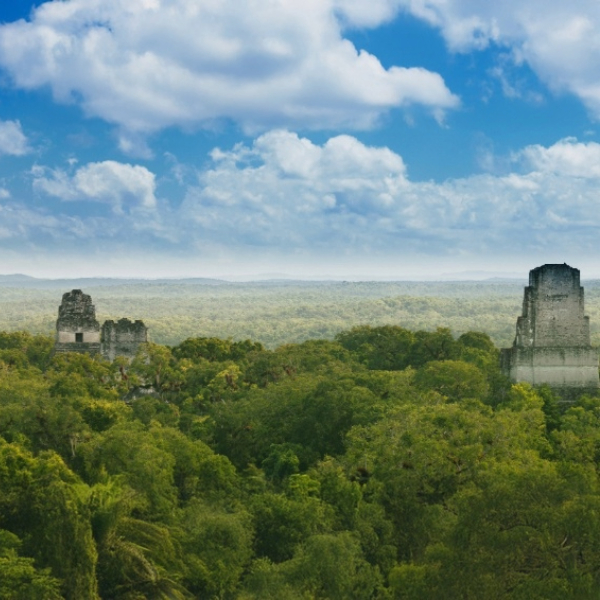
Explore ancient legacies in “G” countries. Gabon has archaeological evidence suggesting very early multicellular life in the Franceville Basin. Gambia’s Wassu Stone Circles represent a significant megalithic tradition, likely associated with burial rituals. Georgia’s ancient kingdoms left behind impressive fortresses like Ananuri and early Christian architecture. Germany is rich in Roman archaeological sites, including sections of the Limes Germanicus. Ghana’s ancient kingdoms, while more recent, built upon earlier traditions. Greece, the cradle of Western civilization, boasts countless iconic ancient sites. Grenada’s pre-colonial history involves Carib populations. Guatemala is home to significant Mayan cities like Tikal. Guinea has evidence of early human settlements.
More
- Gambia: Wassu Stone Circles – The purpose of these megalithic monuments, dating back over a millennium, remains debated.
- Germany: Limes Germanicus – This extensive Roman frontier included forts, watchtowers, and palisades.
- Ghana: (Ancient Kingdoms) – The Ashanti Empire, known for its rich gold trade, built upon earlier cultural foundations.
- Greece: Acropolis of Athens – Features iconic structures like the Parthenon, a symbol of ancient Greek democracy and philosophy.
- Guatemala: Tikal – This major Mayan city features towering pyramids and intricate carved stelae.
Examples
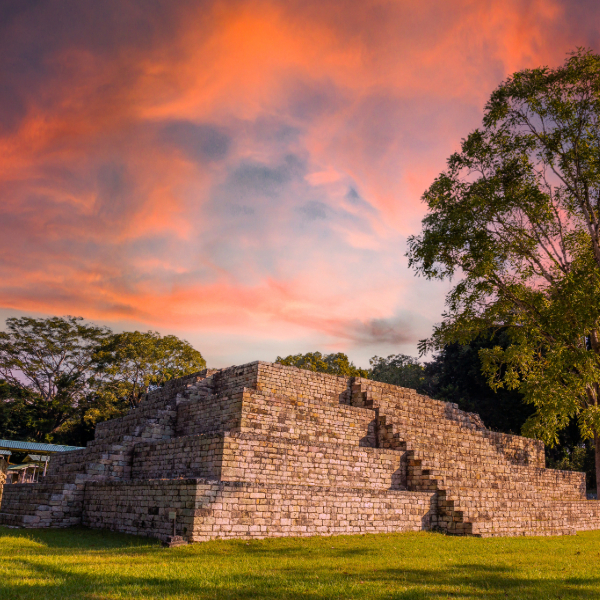
Discover ancient heritage in “H” countries. Haiti, sharing the island of Hispaniola, was part of the Taíno civilization, who developed complex agricultural systems and intricate artistic expressions. Honduras is home to Copán, a major Mayan city renowned for its remarkably well-preserved stelae and hieroglyphic inscriptions. Hungary’s archaeological landscape includes Aquincum, the capital of the Roman province of Pannonia Inferior, boasting extensive ruins of a Roman city.
More
- Haiti: (Taíno sites) – The National Pantheon Museum in Port-au-Prince houses artifacts from the pre-Columbian era.
- Honduras: Copán – Its Temple 11 features the famed Hieroglyphic Stairway, one of the longest Mayan inscriptions.
- Honduras: El Puente – Another significant Mayan site showing connections with Copán’s political center.
- Hungary: Aquincum – The site includes a reconstructed organ and remnants of a Roman military camp.
- Hungary: Százhalombatta-Földvár – A large Bronze Age tell settlement indicating long-term habitation.
Examples
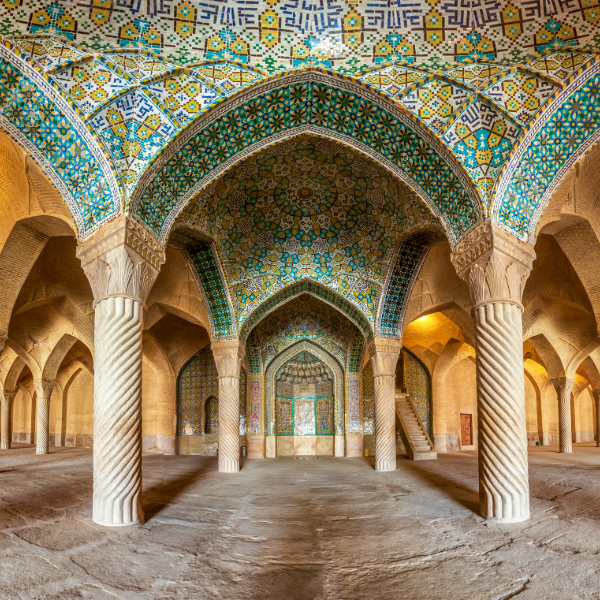
Uncover ancient pasts in “I” countries. Iceland’s Viking Age origins are evident at Þingvellir, the site of their ancient parliament. India’s Indus Valley Civilization left sophisticated cities like Mohenjo-daro with advanced planning. Indonesia boasts Borobudur, a massive Buddhist temple, and the Hindu complex of Prambanan. Iran, the heart of the Persian empires, features the grand ruins of Persepolis. Iraq, the cradle of Mesopotamia, holds the remains of Babylon and Ur. Ireland’s landscape is dotted with prehistoric tombs like Newgrange. Israel’s Jerusalem bears layers of ancient history sacred to many faiths. Italy, the center of the Roman Empire, offers iconic sites like the Colosseum and Pompeii.
More
- Iceland: Þingvellir – The Althing is one of the oldest parliamentary sites in the world.
- India: Mohenjo-daro – Its Great Bath suggests ritual purification practices.
- Indonesia: Borobudur – Contains numerous carved panels depicting Buddhist teachings.
- Iran: Persepolis – The Gate of All Nations was a monumental entrance.
- Iraq: Babylon – The Ishtar Gate was adorned with vibrant glazed brick depictions of animals.
- Ireland: Newgrange – Its passage aligns with the winter solstice sunrise.
Examples
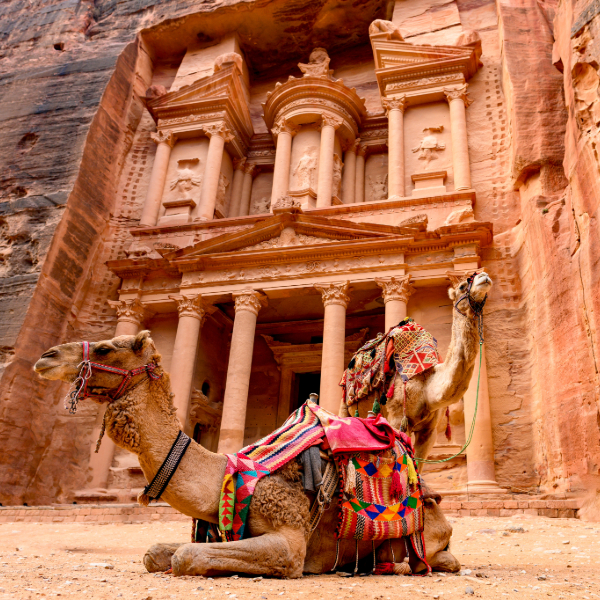
Explore ancient connections in “J” countries. Jamaica’s pre-colonial history includes settlements and cultural practices of the Taíno people, evidenced by archaeological finds across the island. Japan boasts ancient Shinto shrines like Ise Grand Shrine, reflecting indigenous beliefs predating Buddhism, alongside early Buddhist temples such as Horyu-ji, showcasing the introduction of new religious and architectural styles. Jordan is home to Petra, the remarkable rock-carved city of the Nabataean kingdom, a crucial hub on ancient trade routes known for its intricate water systems and impressive monumental architecture carved directly into sandstone cliffs.
More
- Jamaica: (Taíno sites) – Archaeological excavations reveal zemis, spiritual objects central to Taíno beliefs.
- Japan: Ise Grand Shrine – Dedicated to the sun goddess Amaterasu, it is rebuilt every twenty years.
- Japan: Horyu-ji Temple – Features some of the oldest wooden structures in the world, reflecting early Buddhist art.
- Jordan: Petra – The Siq, a narrow canyon entrance, was a key defensive feature of the city.
K COUNTRIES
K
Examples
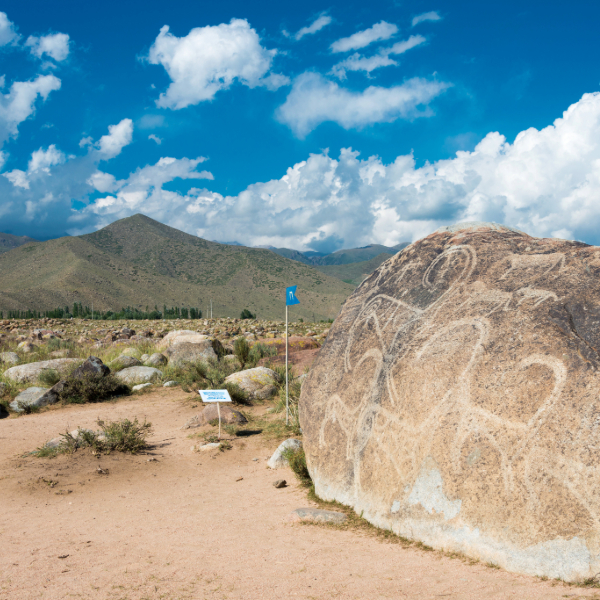
Discover ancient heritage in “K” countries. Kazakhstan’s vast steppes are dotted with ancient burial mounds (kurgans) of nomadic peoples like the Scythians, yielding rich gold artifacts reflecting their culture. Kenya is renowned for Olduvai Gorge, a crucial paleoanthropological site with significant early hominid fossil discoveries. Kiribati’s prehistory involves Micronesian seafaring traditions evidenced by archaeological finds. Kuwait’s Failaka Island holds Bronze Age and Hellenistic remains indicating early settlements and trade. Kyrgyzstan’s Tian Shan mountains feature ancient petroglyphs at Cholpon-Ata, depicting nomadic life and beliefs.
More
- Kazakhstan: Saka Burial Mounds – The “Golden Man” burial exemplifies the artistry of nomadic goldsmiths.
- Kenya: Olduvai Gorge – Louis and Mary Leakey’s discoveries here advanced our understanding of human origins.
- Kiribati: (Prehistoric sites) – Archaeological evidence helps trace Micronesian migration patterns.
- Kuwait: Failaka Island – Ruins of Greek temples and fortifications from Alexander the Great’s era exist.
- Kyrgyzstan: Cholpon-Ata Petroglyphs – Thousands of rock carvings illustrate the region’s ancient inhabitants.
L COUNTRIES
L
Examples
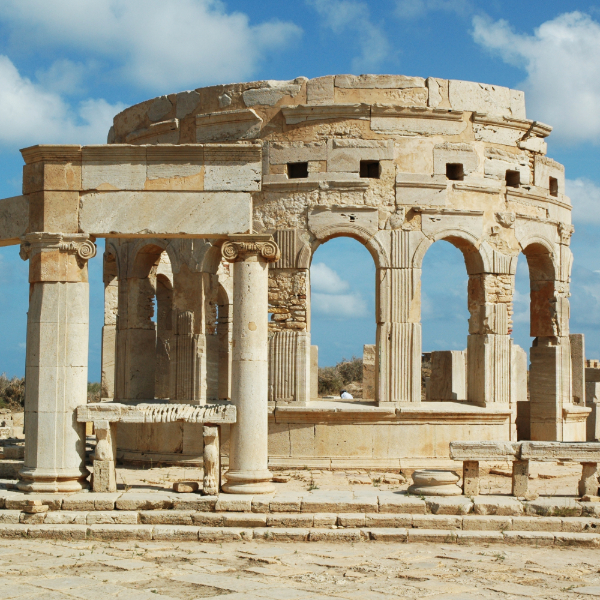
Uncover ancient stories in “L” countries. Laos’ Plain of Jars, a mysterious megalithic landscape, features thousands of stone jars of unknown origin and purpose. Latvia’s territory holds ancient hillforts and burial mounds from Baltic tribes, reflecting their pre-Christian culture. Lebanon is home to Byblos, one of the world’s oldest continuously inhabited cities, with Phoenician roots and an early alphabet. Lesotho’s rock art sites in the Maloti Mountains preserve the artistic expressions of the San people. Libya boasts Leptis Magna, a remarkably preserved Roman city on the Mediterranean coast. Lithuania’s pagan past is evidenced by sites like Kernavė.
More
- Laos: Plain of Jars – Theories suggest the jars were used for burial rituals or rice wine fermentation.
- Latvia: Turaida Hillfort – A significant center for the Livonian people before the arrival of crusaders.
- Lebanon: Byblos – The Phoenician alphabet developed here had a profound impact on writing systems.
- Lesotho: Liphofung Cave – Contains significant examples of San rock art.
- Libya: Leptis Magna – Features impressive Roman public buildings, including a theater and baths.
- Lithuania: Kernavė – A complex of hillforts representing a major pre-Christian political and religious center.
M COUNTRIES
M
Examples
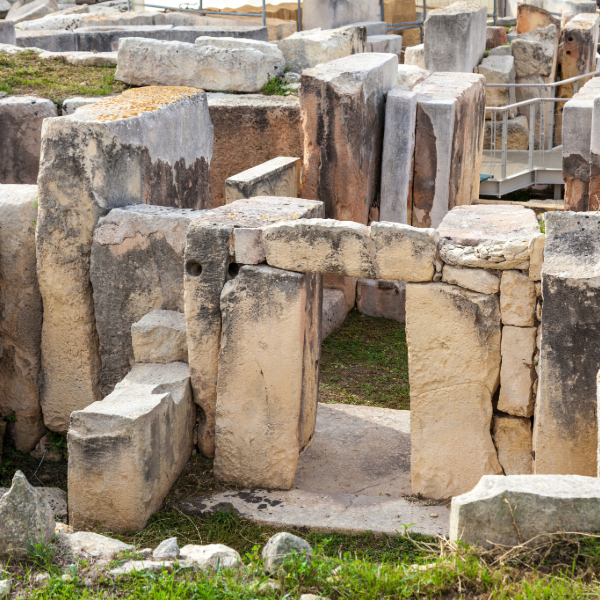
Explore ancient wonders in “M” countries. Madagascar features ancient megalithic sites and burial grounds, reflecting early Malagasy social structures and ancestor veneration. Malawi’s Chongoni Rock Art Area preserves numerous examples of Chewa rock paintings illustrating their cosmology. Malaysia’s Lembah Bujang reveals the presence of an ancient Hindu-Buddhist kingdom involved in maritime trade. Maldives’ early history includes Buddhist stupa remains predating its conversion to Islam. Mali was home to the great medieval empires of Ghana and Mali, with Timbuktu as a center of learning. Malta boasts megalithic temples older than Stonehenge. Mexico is rich in Mesoamerican civilizations like the Maya and Aztec, with iconic sites.
More
- Madagascar: Royal Hill of Ambohimanga – While later, it holds connections to older sacred sites.
- Malawi: Chongoni Rock Art Area – The paintings often depict elongated human figures and animals.
- Malaysia: Lembah Bujang – Archaeological finds include Hindu and Buddhist statues.
- Mali: Timbuktu – Its ancient libraries housed important Islamic manuscripts.
- Malta: Ħaġar Qim – One of the oldest free-standing stone structures globally.
- Mexico: Teotihuacan – A massive ancient city with impressive pyramids.
N COUNTRIES
N
Examples
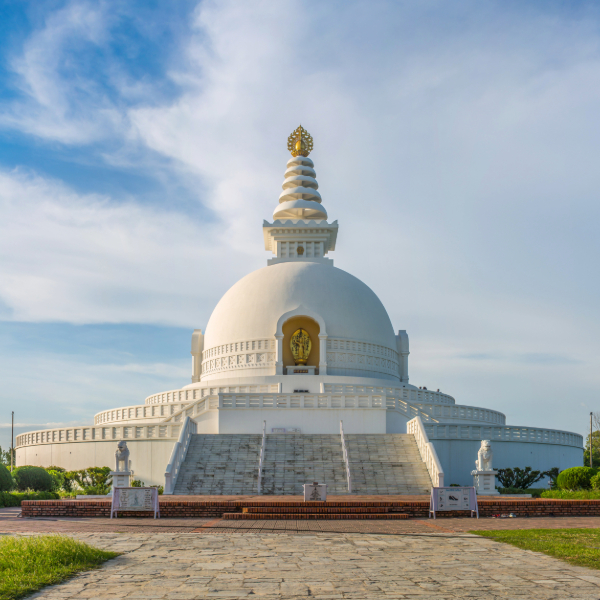
Discover ancient legacies in “N” countries. Namibia’s Twyfelfontein boasts thousands of ancient rock engravings, offering insights into the beliefs of early hunter-gatherer societies in southern Africa. Nepal’s Lumbini is the revered birthplace of Siddhartha Gautama (Buddha), marked by ancient stupas and gardens. Netherlands’ archaeological record includes Roman settlements like Forum Hadriani along the empire’s northern frontier. New Zealand (Aotearoa) features significant Māori archaeological sites such as pā, fortified villages revealing their social organization. Nicaragua’s Ometepe Island contains numerous petroglyphs and stone idols, evidence of pre-Columbian indigenous beliefs.
More
- Namibia: Twyfelfontein – The rock art depicts animals, human figures, and abstract symbols.
- Nepal: Lumbini – The Maya Devi Temple marks the sacred spot of Buddha’s birth.
- Netherlands: Forum Hadriani – Served as a key Roman administrative and trade center.
- New Zealand (Aotearoa): Pā – These fortified sites demonstrate sophisticated defensive strategies.
- Nicaragua: Ometepe Island – The island’s volcanic landscape was significant to its ancient inhabitants.
O COUNTRIES
O
Examples
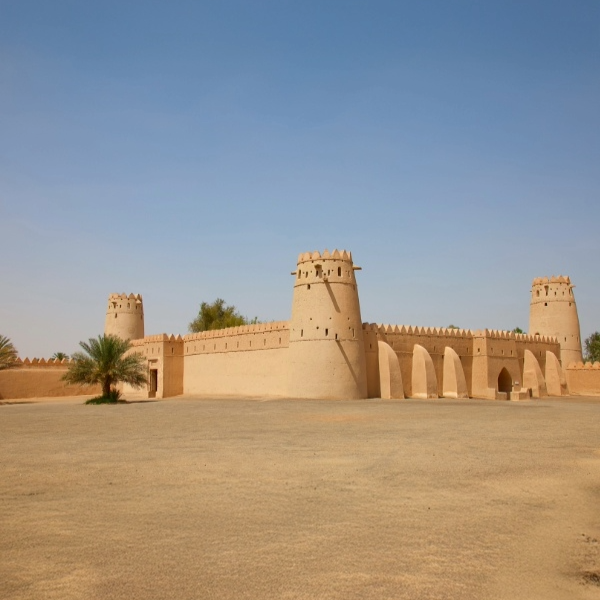
Explore ancient connections in “O” countries. Oman’s rich archaeological landscape reveals significant ancient copper mining operations, particularly in the interior, dating back to the Bronze Age and indicating sophisticated resource management and early metallurgical skills. This wealth of copper facilitated extensive maritime trade networks that connected ancient Oman with major civilizations like Mesopotamia and the Indus Valley Civilization, evidenced by the discovery of Omani pottery and copper artifacts in those regions, and vice versa. These interactions highlight Oman’s crucial role as a hub for the exchange of goods and ideas in the ancient world, contributing to the economic and cultural development of the broader region.
More
- Oman: Salut – Excavations have revealed pottery from Mesopotamia and the Indus Valley, indicating active trade.
- Oman: Ras al-Jinz – A copper Indus seal was discovered here, further evidencing Indus Valley connections.
- Oman: Bat – Features well-preserved tombs, and some artifacts found show links to wider trade networks.
- Oman: (Copper Mines) – Ancient workings demonstrate the scale of copper extraction in the region.
- Oman: Soft Stone Vessels – These Omani-produced items have been found in Mesopotamian and Indus Valley sites.
P COUNTRIES
P
Examples
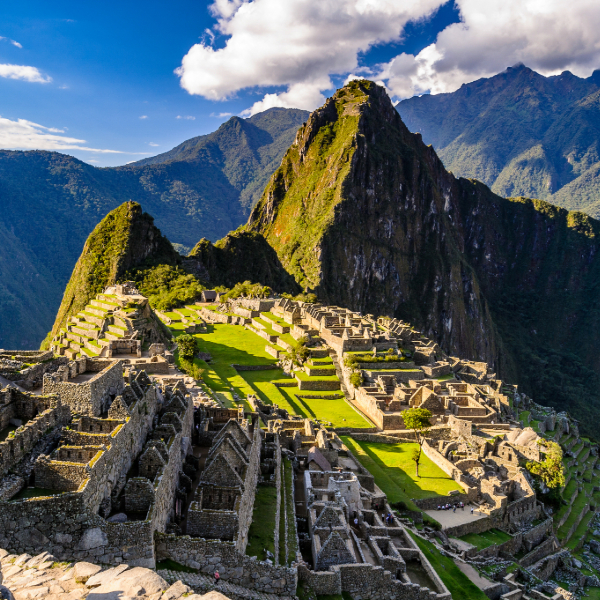
Uncover ancient pasts in “P” countries. Pakistan’s Indus Valley Civilization left urban marvels like Harappa and Mohenjo-daro with advanced planning. Palau features Badrulchau’s enigmatic stone monoliths, their purpose still debated. Panama’s Gran Chiriquí holds pre-Columbian sites revealing early agriculture and stone carvings. Papua New Guinea’s Kuk site shows early independent farming. Paraguay’s pre-colonial history involves the Guarani people. Peru’s Inca Empire built Machu Picchu. Philippines’ Manunggul Jar highlights ancient burial rituals. Poland’s Biskupin is a preserved Iron Age settlement. Portugal’s Almendres Cromlech suggests prehistoric astronomical knowledge.
More
- Pakistan: Mohenjo-daro – Its Great Bath indicates sophisticated engineering.
- Palau: Badrulchau – Local legends explain the origin of the stones.
- Panama: Gran Chiriquí – Artifacts include grinding stones and petroglyphs.
- Papua New Guinea: Kuk Early Agricultural Site – Evidence of early taro cultivation exists.
- Paraguay: (Pre-colonial Guarani sites) – Pottery and dwelling remnants have been found.
- Peru: Machu Picchu – A remarkable example of Inca architecture in the Andes.
- Philippines: Manunggul Jar – The boat on its lid may symbolize the afterlife journey.
- Poland: Biskupin – Reconstructed longhouses show early Slavic life.
- Portugal: Almendres Cromlech – Its stone arrangement aligns with celestial events.
Q COUNTRIES
Q
Examples
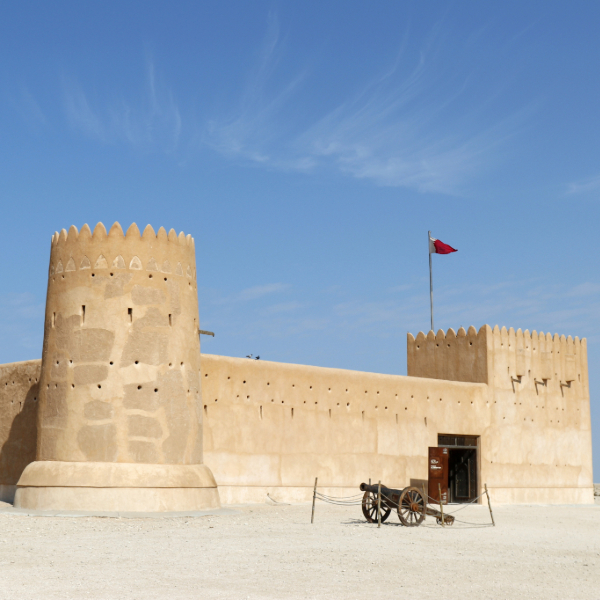
Explore ancient heritage in “Q” countries. Qatar’s significant archaeological find, Al Zubarah, reveals a relatively recent yet historically important 18th-19th century pearling and trading settlement on the Arabian Gulf. This UNESCO World Heritage site showcases the urban fabric and economic activities of a crucial period in the region’s development, demonstrating the intricate connections between maritime trade, social organization, and architectural styles that evolved from earlier, potentially less visible, ancient roots in the peninsula.
More
Qatar
- Jebel Jassassiyeh: This site features numerous rock carvings (petroglyphs) depicting boats, animals, and geometric patterns, offering insights into prehistoric artistic expression and possibly maritime activities.
- Al Khor Island (Purple Island): Archaeological excavations here have revealed evidence of human activity dating back to the Neolithic and Bronze Ages, with findings including pottery and flint tools, suggesting early settlement and resource utilization. The island may have also been involved in dye production in antiquity.
- Murwab Archaeological Site: Dating back to the Abbasid period (9th-11th centuries AD), Murwab represents an early Islamic settlement with the remains of houses, a fort, and mosques, highlighting Qatar’s role in the wider Islamic world and its trade connections during that era.
- Ras Abrouq: This coastal area has yielded evidence of prehistoric settlements and encampments, with finds including flint tools and pottery fragments.
R COUNTRIES
R
Examples
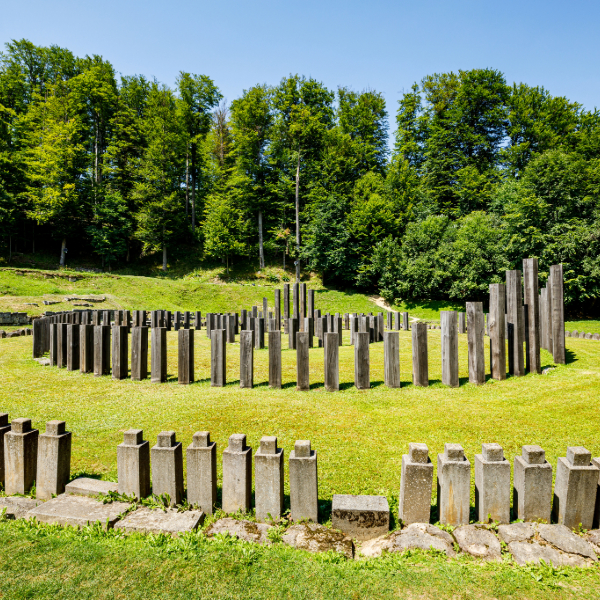
Discover ancient legacies in “R” countries. Romania is rich in Dacian archaeological sites, such as Sarmizegetusa Regia, the capital with its unique sanctuaries, and Roman cities like Constanța (ancient Tomis) boasting impressive mosaics. Russia’s vast landscape includes Scythian burial mounds (kurgans) in the Altai Mountains, revealing intricate goldwork and nomadic burial customs, alongside the ancient Greek colony of Chersonesus in Crimea, showcasing Hellenistic urban planning and trade networks along the Black Sea. These nations offer profound insights into the interactions and distinct characteristics of ancient civilizations across Eastern Europe and Asia.
More
- Romania: Sarmizegetusa Regia – Features circular stone and timber sanctuaries reflecting Dacian religious beliefs.
- Romania: Constanța (Tomis) – Roman mosaics depict mythological scenes and maritime life in this ancient port city.
- Russia (Altai): Pazyryk Burials – Frozen tombs preserved elaborate textiles and tattooed human remains of nomadic elites.
- Russia (Crimea): Chersonesus – The well-preserved grid plan includes a basilica and agricultural land divisions (chora).
S COUNTRIES
S
Examples
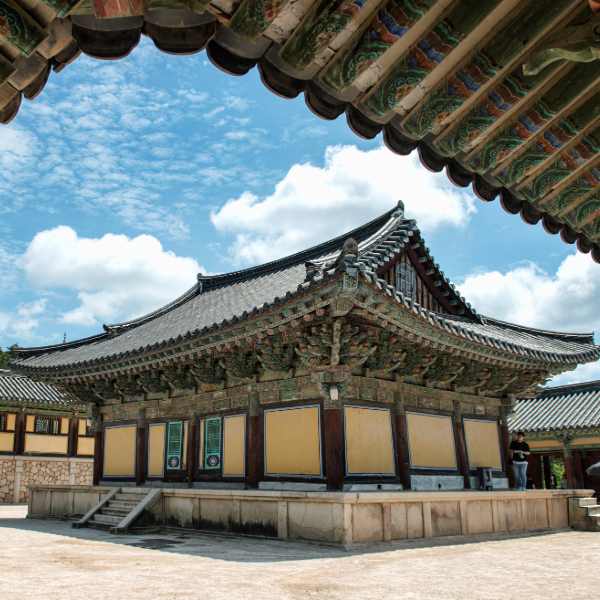
Uncover ancient pasts in “S” countries. Saudi Arabia was home to the Nabataean kingdom, with Hegra’s (Mada’in Saleh) rock-cut tombs showcasing their architecture and trade. Senegal’s Sine Ngayène features megalithic stone circles, likely linked to burial rituals. Serbia boasts Viminacium, a Roman city with remains including baths and an amphitheater. South Africa’s Cradle of Humankind holds early hominid fossils. South Korea’s ancient kingdoms left tombs and temples like Bulguksa. Spain is rich in Roman sites like Mérida and prehistoric wonders like Altamira Cave. Sri Lanka’s Anuradhapura and Polonnaruwa showcase ancient Sinhalese civilization. Sudan’s Meroë features Nubian pyramids. Syria, a cradle of civilization, contains ancient cities like Damascus and Palmyra.
More
- Saudi Arabia: Hegra (Mada’in Saleh) – Its elaborate tombs blend Nabataean and Roman styles.
- Senegal: Sine Ngayène – The stone circles are thought to be burial-related.
- Serbia: Viminacium – This Roman city was once a provincial capital.
- South Africa: Sterkfontein – “Mrs. Ples” is a significant early hominid find.
- South Korea: Bulguksa Temple – A Silla Buddhist architecture masterpiece.
T COUNTRIES
T
Examples
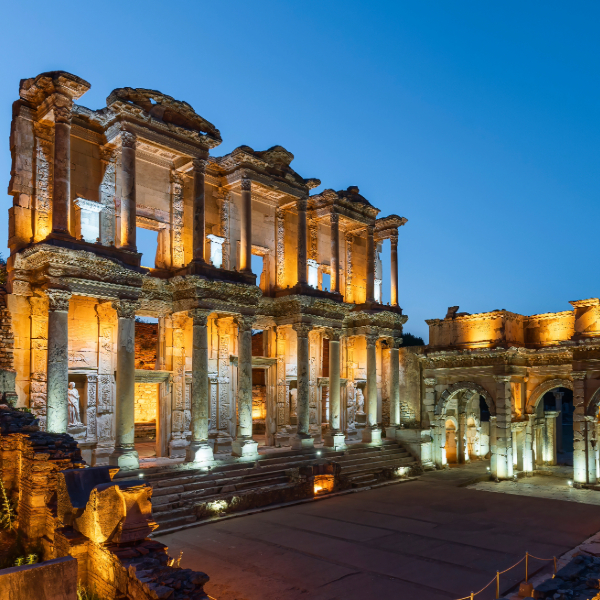
Explore ancient crossroads in “T” countries. Taiwan’s prehistory includes Austronesian settlements with evidence of early agriculture. Tajikistan was part of ancient Bactria and Sogdiana, with Silk Road cities like Panjikent showcasing ancient art. Tanzania is home to Olduvai Gorge, crucial for early hominid fossils, and rock art sites. Thailand’s ancient kingdoms like Sukhothai left impressive temple ruins. Turkey is a treasure trove of ancient civilizations, including Hittite Hattusa, Greek Ephesus, and Neolithic Çatalhöyük. Turkmenistan was part of ancient Margiana and Parthia, with sites like Merv.
More
- Taiwan: Tapenkeng Culture Sites – Reveal early Neolithic pottery.
- Tajikistan: Panjikent – Shows well-preserved Sogdian urban life.
- Tanzania: Olduvai Gorge – Significant early human fossil discoveries were made here.
- Thailand: Sukhothai Historical Park – Features ruins of the early Siamese kingdom.
- Turkey: Ephesus – Its Library of Celsus was a grand ancient structure.
U COUNTRIES
U
Examples
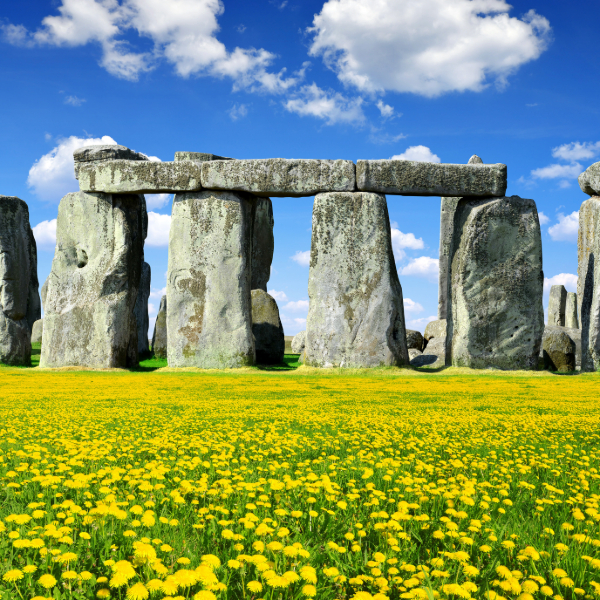
Explore ancient heritage in “U” countries. Uganda has early human fossil sites and the Bigo bya Mugenyi earthworks of uncertain origin. Ukraine’s southern regions hold Scythian burial mounds with rich finds and ancient Greek colonies along the Black Sea like Olbia. UAE (United Arab Emirates) reveals early human habitation, the Umm an-Nar culture, and ancient trade with Mesopotamia. United Kingdom is rich in prehistoric monuments like Stonehenge, Roman settlements like Hadrian’s Wall, and Anglo-Saxon sites like Sutton Hoo. United States features significant Native American archaeological sites such as Cahokia Mounds and Mesa Verde. Uzbekistan was a key region along the Silk Road with ancient cities like Samarkand.
More
- Uganda: Bigo bya Mugenyi – Large earthworks suggesting early social organization.
- Ukraine: Olbia – Remains of an important ancient Greek trading colony.
- United Arab Emirates: Umm an-Nar Culture Sites – Distinctive circular tombs from the Bronze Age.
- United Kingdom: Stonehenge – A prehistoric monument with possible astronomical significance.
- United States: Cahokia Mounds – The largest pre-Columbian settlement north of Mexico.
- Uzbekistan: Samarkand – A major city on the Silk Road with ancient foundations.
V COUNTRIES
V
Examples
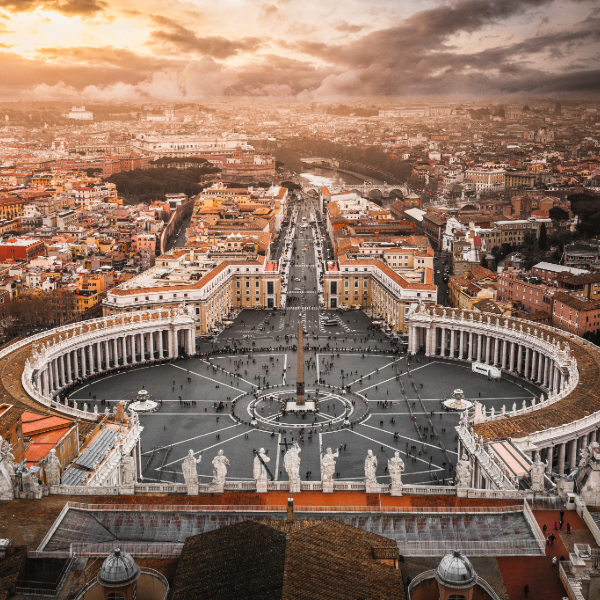
Explore ancient connections in “V” countries. Vanuatu has Lapita culture archaeological sites, marking early Pacific migrations. Vatican City’s history is intertwined with ancient Rome, built upon significant Roman sites. Venezuela has pre-Columbian archaeological sites, including petroglyphs from various indigenous cultures. Vietnam boasts the ancient Đông Sơn culture, known for its bronze drums, and later kingdoms with sites like Mỹ Sơn.
More
- Vanuatu: Lapita Sites – Evidence of early Pacific Islander culture.
- Vatican City: (Built upon ancient Rome) – Located on historically significant Roman land.
- Venezuela: (Pre-Columbian petroglyphs) – Evidence of early indigenous artistic expression.
- Vietnam: Đông Sơn Culture Sites – Famous for their distinctive bronze drums.
- Vietnam: Mỹ Sơn – Temple ruins of the ancient Champa kingdom.
W COUNTRIES
W
Examples
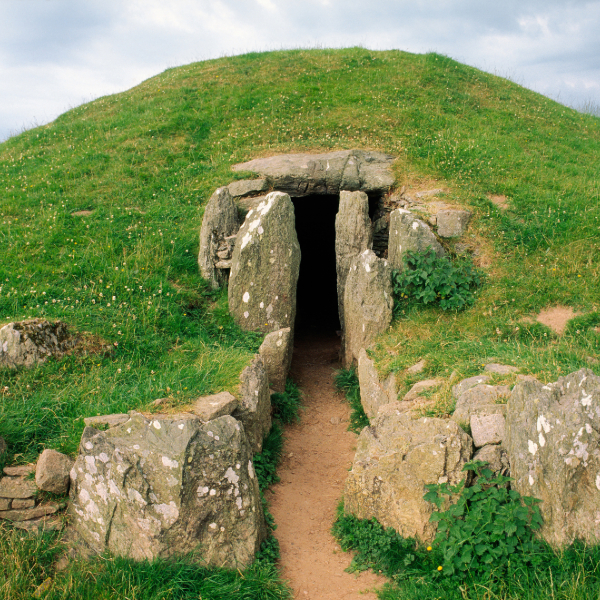
Discover ancient legacies in “W” regions. Wales, a constituent country of the United Kingdom, boasts numerous prehistoric sites, including Neolithic burial chambers like Bryn Celli Ddu and Iron Age hillforts such as Tre’r Ceiri, reflecting early human settlement and social organization. Western Australia, a state of Australia, holds significant Aboriginal rock art sites like those in the Pilbara region, some dating back tens of thousands of years and providing insights into ancient beliefs and ways of life. Samoa (formerly Western Samoa), an independent island nation, has significant Polynesian archaeological sites, including star mounds (malae) and ancient settlements, indicating early voyaging and complex social structures. Wallis (part of the French overseas collectivity of Wallis and Futuna) features the Talietumu fortress, a substantial ancient Tongan construction indicating connections and influence in the region.
More
- Wales: Bryn Celli Ddu – A Neolithic passage tomb with a possible henge preceding it.
- Wales: Tre’r Ceiri – One of the largest and most impressive Iron Age hillforts in Britain.
- Western Australia: Pilbara Rock Art – Features depictions of extinct megafauna and early human figures.
- Western Samoa: Star Mounds (Malae) – These raised platforms served ceremonial and social purposes in ancient Samoan society.
- Wallis: Talietumu – A significant ancient Tongan fortress, demonstrating historical connections.
Y COUNTRIES
Y
Examples
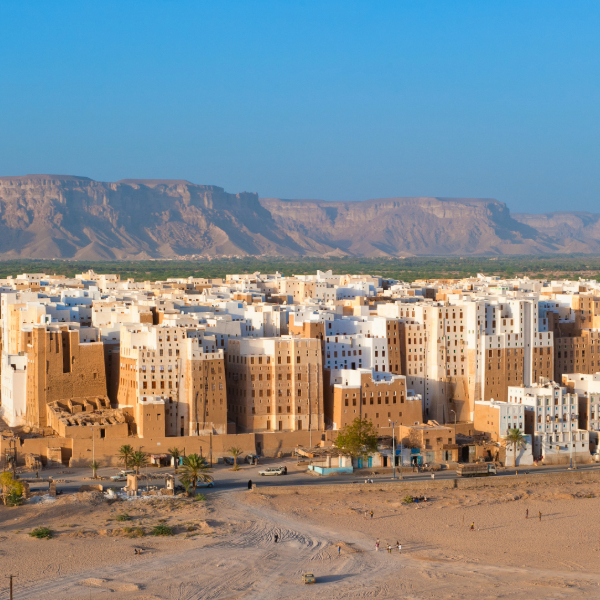
Explore ancient heritage in “Y” countries. Yemen is home to the ancient Sabaean kingdom, renowned for the impressive Marib Dam and its pivotal role in the incense trade across the Arabian Peninsula. Archaeological sites throughout Yemen reveal a rich history of pre-Islamic civilizations, showcasing remarkable architectural and engineering achievements that facilitated cultural and economic exchange with the Mediterranean and East Africa.
More
- Yemen: Marib Dam – An ancient engineering marvel that supported agriculture and urban development in the Sabaean kingdom.
- Yemen: Shibam – Known as the “Manhattan of the Desert” for its ancient mud-brick high-rise buildings.
- Yemen: Old City of Sana’a – A UNESCO World Heritage site with a history spanning over 2,500 years and significant early Islamic heritage.
- Yemen: Baraqish – An ancient walled city that was a significant center of the Minaean Kingdom.
- Yemen: Landmarks of the Ancient Kingdom of Saba, Marib – A UNESCO site comprising seven archaeological locations illustrating the Sabaean civilization.
Z COUNTRIES
Z
Examples
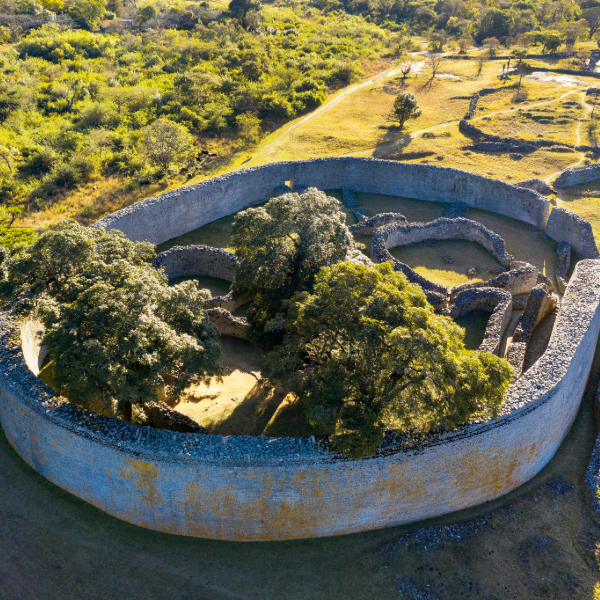
Explore ancient heritage in “Z” countries. Zambia and Zimbabwe, while sharing a border in Southern Africa, possess distinct ancient histories. Zambia’s archaeological record includes evidence of early human habitation and later Bantu migrations, with sites revealing rock art and Iron Age settlements. Zimbabwe is renowned for Great Zimbabwe, a significant Iron Age city showcasing impressive stone architecture and the center of a powerful kingdom that traded extensively. These nations hold important clues to the pre-colonial history and cultural developments of the African continent.
More
- Zambia: (Rock Art Sites) – Numerous sites across Zambia feature ancient rock paintings and engravings.
- Zambia: (Iron Age Settlements) – Archaeological finds indicate early metallurgical practices.
- Zimbabwe: Great Zimbabwe – Its massive stone enclosures and towers are a testament to a sophisticated civilization.
- Zimbabwe: Khami Ruins – Another significant Iron Age city with terraced stone walls.
- Zimbabwe: Mapungubwe – A predecessor to Great Zimbabwe, with evidence of early gold trading.