Roman Empire, Hunnic tribes, Germanic peoples, Slavic settlements, and nomadic Magyar confederations shaped early lands.

Roman Empire, Hunnic tribes, Germanic peoples, Slavic settlements, and nomadic Magyar confederations shaped early lands.

Danube river valley basins, Pannonian steppe plains, Transdanubian hilly uplands, and the Northern mountain range borderlands.

Budapest metropolis, historic Debrecen squares, Mediterranean Szeged streets, cultural Pécs venues, and industrial Győr hubs.

Holy Crown, Seuso Treasure silver, Herend porcelain ceramics, Venus of Kökénydomb, and ancient Roman mosaics.

Hungarian language dominates, Uralic roots persist, German minorities speak, English spreads widely, Romani tongues endure.

Roman Catholicism prevails, Calvinist Protestantism thrives, Lutheran communities exist, Jewish heritage remains, secularism grows steadily.

King Saint Stephen, Ferenc Liszt composer, Ernő Rubik inventor, Lajos Kossuth leader, and János Neumann.

Buda Castle palace, Parliament building, Fisherman’s Bastion towers, Chain Bridge, and Lake Heviz thermal waters.
Overview: Hungary
The founding of modern Hungary occurred when nomadic Magyar tribes arrived in the Carpathian Basin during the late 9th century. According to documented historical timelines from BBC News, Grand Prince Árpád led this historic migration across central Europe. Later, King Saint Stephen I established a centralized Christian state around the year 1000. This newly consolidated kingdom successfully defended its frontiers against multiple foreign invaders for centuries. However, a catastrophic defeat at the Battle of Mohács in 1526 split the realm under Ottoman and Habsburg control. Historical scholar Paul Lendvai, writing for the Princeton University Press, notes that this fractured political landscape initiated generations of resilient resistance.
Subsequently, a dual monarchy emerged via the Austro-Hungarian Compromise of 1867, fueling industrialization and immense architectural growth. The tragic aftermath of World War I shattered this massive empire, stripping the nation of massive territories under the Treaty of Trianon. Official state archives from the US Department of State Office of the Historian show that the country lost two-thirds of its original population. Decades of totalitarian dominance followed, highlighted by a brutal Soviet occupation and the courageous, yet suppressed, 1956 Hungarian Revolution. Ultimately, a peaceful democratic transition in 1989 restored complete national sovereignty. Today, Hungary thrives as a democratic European Union member state, proud of its profound heritage.
Geography
Landscapes and Geography
The landlocked nation of Hungary occupies the sprawling Carpathian Basin in the heart of Central Europe. According to detailed environmental surveys documented by the World Bank Open Knowledge Repository, flat to rolling plains dominate roughly two-thirds of this territory. Geographically, the iconic Danube River serves as a vital axis, bisecting the nation into distinct Eastern and Western halves. This massive waterway historically provided a natural barrier and defensive frontier for medieval kings combating foreign expansions. West of the river lies Transdanubia, a highly picturesque terrain defined by undulating hills and low limestone mountains. Conversely, the expansive regions stretching toward the east feature the immense, unyielding topography of the Great Hungarian Plain. [1, 2, 3, 4, 5, 6]
Centuries of calculated human intervention have drastically altered the native vegetation across these Pannonian lowlands. Comprehensive geographical entries from the Encyclopaedia Britannica state that massive nineteenth-century engineering projects tamed volatile river systems. Consequently, engineers successfully redirected natural floodplains to create exceptionally rich agricultural fields out of former swamplands. Beyond farming zones, unique karst landscapes puncture the Slovakian border, forming complex, underground limestone cave systems. Volcanic peaks also rise along the northern frontier, hosting dense beech forests and famous historic vineyards. Today, this diverse environment supports a prosperous agricultural economy while simultaneously safeguarding vital ecological sanctuaries. [1, 2, 3, 4, 5, 6]
Geography Examples
- Great Hungarian Plain: The vast, flat lowland expanse covering eastern Hungary, heavily utilized for intensive agricultural production.
- Danube River: A monumental European waterway that flows southward through Budapest, splitting the country into halves.
- Lake Balaton: Central Europe’s largest freshwater lake, functioning historically as a major resort and ecological haven.
- Mátra Mountains: A northern volcanic mountain range containing Mount Kékes, which represents Hungary’s highest geographical peak.
- Hortobágy Puszta: A protected, alkaline grassland plain that preserves traditional Magyar pastoral habits and heritage.
- Transdanubian Hills: The rolling, fertile upland terrain positioned west of the Danube, famous for ancient viticulture.
- Tisza River: A major eastern river prone to severe meanders, historically tamed by massive engineering projects.
- Aggtelek Karst: A northern limestone region famous for hundreds of underground caves, designated a UNESCO site.
- Lake Hévíz: The planet’s largest biologically active thermal lake, celebrated for its historic mineral-rich healing waters.
- Visegrád Gorge: A dramatic river bend where the Danube cuts through mountains, forming a strategic medieval stronghold. [1, 2, 3, 4, 5]
Culture
Culture and People
The cultural identity of the Hungarian population remains profoundly anchored in their unique Finno-Ugric linguistics and nomadic lineage. According to extensive ethnographic profiles published by the Encyclopaedia Britannica, the initial Magyar settlers incorporated distinct Slavic, Turkic, and Germanic customs over centuries of European integration. This complex blending process eventually yielded a remarkably resilient national consciousness that successfully resisted forced assimilation during Ottoman and Habsburg domination. Later, rural communities excellently preserved authentic folk traditions, complex textile arts, and ancient oral storytelling through isolated village networks. This preserved heritage serves as a foundational pillar for modern societal identity across the country today.
Subsequently, twentieth-century modernization transformed these historic lifestyles while simultaneously formalizing traditional arts into celebrated national institutions. Anthropological overviews provided by the UNESCO Intangible Cultural Heritage Directorate highlight how regional communities continuously revitalized ancient practices to safeguard communal solidarity. For instance, collective performing traditions and regional artisanal crafts were safely transmitted across generations through organized urban folk movements. Today, a deep pride in classical music composition, distinct culinary traditions, and literary achievements unifies the ethnically homogeneous population. This vibrant cultural landscape masterfully bridges ancient steppe ancestry with a progressive, contemporary European lifestyle.
Cultural Examples
- Magyar Language: A unique Uralic tongue completely unrelated to surrounding Indo-European languages, forming the absolute core of national identity.
- Táncház Movement: A traditional urban folk dance-house method utilized to preserve and perform authentic regional village choreography.
- Busójárás Carnival: An ancient winter-scaring festival in Mohács featuring frightening carved wooden masks and traditional woollen costumes.
- Matyó Embroidery: A celebrated needlework style from northeastern regions defined by vibrant, dense floral patterns on textiles.
- Halotti Beszéd: The oldest surviving funeral sermon text representing the earliest major monument of written Hungarian language.
- String Band Tradition: An ancient musical arrangement using fiddles and violas to transmit historic regional melodies completely by memory.
- Herend Ceramics: A prestigious porcelain manufacturing heritage famous for hand-painted luxury tablewares favoured historically by European royalty.
- Gulyás Culinary Art: A traditional, slow-cooked meat stew heavily seasoned with native paprika, symbolizing authentic Hungarian hospitality.
- Cymbalom Instrumentation: A complex, struck string chordophone historically integrated into regional folk ensembles and classical compositions.
- Szekler Folklore: The unique mythological tales, distinct architecture, and wooden gates preserved by eastern frontier Magyar communities.
Economy
Economy and Industry
The economic trajectory of Hungary reflects a deep historical transition from medieval trade monopolies to an export-driven market. During the fourteenth century, the kingdom emerged as an absolute powerhouse of European metallurgy, capitalizing on rich mineral resources. Research essays on royal economic policy from the Research Centre for the Humanities demonstrate how domestic mints generated immense revenue through sophisticated tax administrations. Furthermore, lucrative agricultural trade routes thrived, facilitating the massive export of Hungarian cattle to prominent Italian trade hubs. This early commercial prosperity laid a foundational network for regional market networks, although political fragmentation later disrupted progress. Subsequently, a difficult shift from socialist central planning to private enterprise occurred following the geopolitical transformations of 1989. [1]
Today, this Central European country operates as a highly integrated node within complex continental manufacturing supply chains. According to comprehensive reports from the International Trade Administration, substantial foreign direct investment continually reshapes the modern industrial landscape. International corporate entities spearhead massive manufacturing operations, establishing highly efficient production hubs across prominent northern and eastern urban zones. Consequently, advanced machinery, electronics, and automotive engineering comprise the overwhelming majority of contemporary national export profiles. The state also focuses intensively on cultivating a robust green transition, specifically attracting multi-billion euro investments. Through these calculated strategic modernizations, the nation successfully maintains a highly competitive edge inside global markets.
Economic Examples
- Medieval Gold Mining: The historic fourteenth-century extraction network that positioned Hungary as Europe’s premier producer of precious bullion. [1]
- Thirtieth Customs Duty: An ancient royal taxation system levied on all foreign merchant goods passing across medieval borders. [1, 2]
- Cattle Export Supply: The lucrative historic trade routes delivering thousands of Hungarian beef cattle straight to Venetian markets. [1]
- Automotive Manufacturing Hubs: The modern industrial cluster dominated by major assembly operations for brands like Audi and Suzuki. [1]
- Electric Vehicle Revolution: Massive contemporary investments aimed at transforming provincial industrial zones into specialized battery production centers. [1]
- Bratislava Mint Operations: A crucial historical financial center responsible for producing highly valued currency during medieval periods. [1, 2]
- Electronics Manufacturing Services: Advanced contemporary factories producing high-tech computer parts, optical devices, and sophisticated machinery components. [1]
- Pannonian Agricultural Commerce: The highly organized cultivation and distribution of wheat, specialized maize, and regional wine products. [1]
- Guild Craft Specialization: Historic urban labor associations that strictly regulated the quality and trade of handcrafted merchant goods. [1]
- Export-Oriented Trade Single market: The comprehensive framework enabling tariff-free movement of manufactured equipment throughout the European Union. [1]
Nature
Nature and Conservation
The origins of institutional nature preservation in Hungary trace back to medieval royal forest regulations and early environmental protections. According to research published by the Cambridge University Press, early monarchical decrees during the fifteenth century strictly prevented massive deforestation and uncontrolled wildlife poaching across the realm. Centuries later, progressive forester Károly Kaán formalized modern conservation theories in 1931, spearheading a structured state environmental policy. This movement laid the critical groundwork for establishing the country’s vast protected areas following decades of intensive economic growth. Consequently, the government enacted comprehensive environmental legislation to safeguard endangered wetland ecosystems and disappearing native bird species from industrial expansion. Through these pioneering legislative initiatives, the nation successfully established a strong institutional framework dedicated to active ecological management. [1]
Subsequently, contemporary conservation efforts rely heavily on expansive national park directorates and strict international environmental treaties. Analytical overviews maintained by the UNESCO World Heritage Centre confirm that extensive alkaline grasslands and historic cultural landscapes receive stringent structural protections. These designated biosphere reserves foster critical habitats for migratory waterfowl while simultaneously preserving rare, indigenous domestic livestock breeds. Additionally, collaborative European programs actively rewild fragmented woodland areas to stimulate balanced, native biodiversity levels across regional boundaries. Environmental authorities constantly monitor critical water quality markers within major lakes to combat global climate shifts. Today, this sophisticated, multi-tiered network actively balances historical pastoral land use with progressive, modern wilderness preservation practices. [1, 2, 3, 4]
Nature Examples
- Hortobágy National Park: The nation’s oldest, vast protected alkaline grassland safeguarding ancient European pastoral traditions and diverse bird populations. [1, 2]
- Károly Kaán Foundation: The historical 1931 framework that established modern, structured forest conservation ideas across the state. [1]
- Royal Hunting Decrees: The fifteenth-century monarchical forest statutes designed specifically to prevent early woodland destruction and overhunting. [1]
- Bükk National Park: A heavily forested northern mountain reserve famous for intricate limestone cave networks and prehistoric sites.
- Fertő-Hanság Wetlands: A transnational marshland sanctuary sheltering numerous critically endangered migratory waterfowl species along Austrian borders.
- Hungarian Grey Cattle: An ancient, protected steppe livestock breed actively managed to maintain historical grazing meadow ecosystems. [1]
- Aggtelek Biosphere Reserve: A unique karst landscape protected internationally for housing massive, subterranean limestone stalactite cave formations.
- Kiskunság Sand Dunes: A central reserve conserving fragile, shifting Pannonian sand dunes and specialized endemic alkaline plant life.
- Snaffed Forest Act: Detailed twentieth-century legislation regulating structural wood harvesting to guarantee permanent, long-term national afforestation. [1, 2]
- Gemenc Floodplain Forest: A massive, strictly protected Danube riverine woodland celebrated for holding dense populations of red deer.

Art Nouveau flourishes adorn Budapest facades, showcasing intricate floral motifs and ceramic detail that define the nation’s sophisticated architectural identity.
Extensive thermal spring networks flow beneath the capital, powering centuries-old bathhouse traditions that remain vital for civic relaxation and health.
Hungary remains one of the few nations where the language is not Indo-European, reflecting a unique, deep-rooted Uralic origin.
Material Culture & Infrastructure of Hungary
The tangible heritage of Hungary spans from ancient Roman frontier outposts to sophisticated medieval architectural achievements. According to detailed archaeological reports published by Archaeology Magazine, recent excavations under the National Archaeological Institute uncovered entire eleventh-century villages complete with complex pottery ovens. These physical findings reveal a highly developed material culture where specialized ceramic production and intricate stove-tile manufacturing flourished. Furthermore, monumental defensive installations and stone fortification networks historically expanded along the strategic Danube River axis. Grand imperial strongholds like Buda Castle and the Gothic palaces of Visegrád showcase the exceptional engineering capabilities of the early Árpád and Renaissance monarchs. Consequently, these historical structures provided the essential logistical foundation for regional governance, trade security, and royal administrative authority across the realm. [1, 2, 3, 4, 5]

Subsequently, a massive infrastructural transformation swept the country during the late nineteenth century following the historic 1867 Austro-Hungarian Compromise. Peer-reviewed academic studies available through the University of Cambridge Press explain how urban planners rapidly integrated advanced transportation technologies into the expanding national fabric. Engineers aggressively constructed an extensive, radial railway system centered directly within the booming metropolis of Budapest. Simultaneously, the capital city debuted Continental Europe’s very first underground electric transit line to facilitate rapid public movement. Exceptional architectural movements also emerged, highlighted by the magnificent Hungarian Secessionist style and pioneering functionalist factory layouts. Today, this legacy seamlessly connects historical cobblestone preservation zones with highly advanced, modern transit expressways spanning the entire European Union. [1, 2, 3, 4, 5, 6]
Quick Facts
| CATEGORY [1, 2] | CORE CONCEPT | CULTURAL & HISTORICAL REALITY |
|---|---|---|
| BUILDINGS & ARCHAEOLOGY | Roman Frontiers and Medieval Strongholds | Excavations of the Danube Limes at Aquincum and the Gothic layouts of Buda Castle reveal deep layers of imperial fortification, as documented in archaeological field surveys by the National Archaeological Institute of Hungary. |
| ART & ARCHITECTURE | Hungarian Secession and Renaissance Splendour | Architectural styles evolved from the illuminated manuscripts of King Matthias’s Corvina Library to Ödön Lechner’s pioneering folk-inspired clay tile structures, detailed by the University of Cambridge Press. |
| NATURAL RESOURCES | Thermal Aquifers and Rich Bauxite Ore | Geological wealth historically centered on the Carpathian basin’s rich mineral veins, massive bauxite deposits, and active volcanic thermal springs, catalogued comprehensively by the World Bank Open Knowledge Repository. |
| TRADE ROUTES | The Danubian Axis and Cattle Trails | Medieval commercial networks relied heavily on the Amber Road and continental river routes to export thousands of grey cattle directly to Nuremberg, verified by the Research Centre for the Humanities. |
| URBAN ENGINEERING | Pioneering Subterranean Transit Grids | Late nineteenth-century municipal planning introduced advanced flood walls, the radial layout of Budapest, and Continental Europe’s inaugural electric underground railway system, recorded by the U.S. Library of Congress. |
| AGRICULTURE & FLORA | Puszta Grain Farming and Viticulture | Systematic cultivation transformed the semi-arid grasslands into a major grain basket, establishing famous regional wine appellations like Tokaj, recognized early by the Encyclopaedia Britannica. |
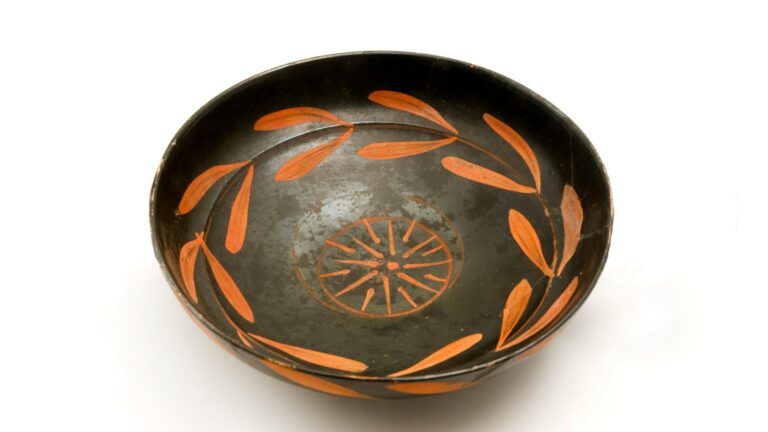
| POTTERY & CERAMICS | Eosin Glazes and Luxury Porcelain | Elite artisanal factories like Zsolnay and Herend gained global renown by developing iridescent eosin finishes and hand-painted tableware for European monarchs, highlighted by the UNESCO Intangible Cultural Heritage Directorate. |
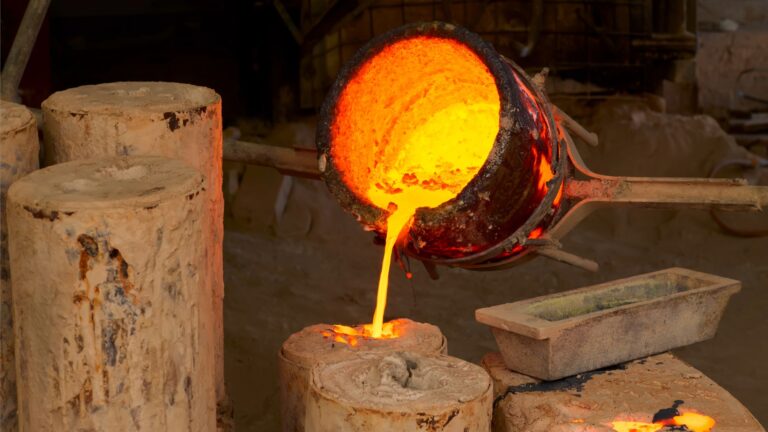
| METALLURGY | Fourteenth-Century Precious Metal Monopolies | Royal mining chambers in Upper Hungary produced a massive percentage of Europe’s total gold supply, fueling continental financial networks, according to economic studies by the Research Centre for the Humanities. |
| GLASSMAKING | Renaissance Murano Blends and Industrial Ware | Royal patronages under the Corvina court brought Venetian master glassmakers to Buda, establishing sophisticated local glass workshops that evolved into specialized modern factories. |
| MILITARY & WARFARE | Hussar Cavalry Tactics and Bastion Defense | Mobile light cavalry units revolutionized European battlefield skirmishing tactics, while fortified stone strongholds successfully resisted Ottoman territorial expansion, chronicled in profiles by BBC News. |
| TEXTILE ARTS | Matyó Folk Needlework and Weaving | Local artisan groups preserved highly complex identity codes through distinct, dense floral embroidery styles utilizing bright woolen threads on traditional linen, validated by the UNESCO Intangible Cultural Heritage Directorate. |
| NUMISMATICS | The Gold Florin Standard | King Charles Robert introduced exceptionally stable, highly pure gold coinage modeled after Florentine currency to stabilize Central European commerce, detailed by the Research Centre for the Humanities. |
| MARITIME & RIVERINE | Nineteenth-Century River Regulation Projects | Engineers engineered massive lock systems and redirected the winding Tisza River channel to mitigate severe floods and optimize large-scale commercial shipping, outlined by the Encyclopaedia Britannica. |
Civilizations of Hungary
The historical evolution of the Carpathian Basin features a highly complex succession of ancient cultures, empires, and migrating confederations. Geographically positioned at a critical European crossroads, this fertile territory served as a primary gateway between East and West. Archaeological reports monitored by the National Archaeological Institute of Hungary reveal that deep layers of prehistoric settlement preceded major classical empires. Consequently, diverse ethnic groups constantly introduced distinct technologies, governance models, and architectural styles to the Pannonian landscape. This long-term blending of customs established a remarkably dynamic framework for regional development before the official emergence of a unified state.
Civilizations
Civilizations and Societies
During the classical era, the expansion of the Roman Empire permanently integrated Western Hungary into a vast Mediterranean administrative sphere. Rome established fortified urban centers, strategic paved roads, and sophisticated border defense networks directly along the Danube Limes. Subsequently, the sudden collapse of imperial authority invited successive waves of aggressive migratory tribes during the Great Migration Period. Fierce nomadic warriors, Germanic groups, and early Slavic communities actively competed for dominance over these abandoned agrarian territories. Historical overviews from the U.S. Library of Congress Country Studies document how these violent transitions continuously reshaped local demographics. Each successive wave of conquest gradually chipped away at old structures, paving the way for brand new political organizations.
Ultimately, the late ninth-century arrival of the nomadic Magyar alliance fundamentally established the baseline for modern Hungarian civilization. Under the firm guidance of Grand Prince Árpád, these unified clans successfully secured the entire basin against competing regional powers. Sovereign rulers quickly transitioned the population away from steppe paganism, adopting Western Christianity around the turn of the millennium. According to documented historical timelines from BBC News, King Saint Stephen I formalized this cultural shift through centralized institutional legislation. The emerging kingdom successfully absorbed neighboring ethnic populations while maintaining its distinct linguistic core against major continental empires. Through centuries of severe external pressure, this resilient cultural identity remained the defining pillar of the nation.
Civilization Examples
- Celtic Era: The early Iron Age tribal ironworkers who founded fortified settlements like Ak-Ink across Transdanubia.
- Roman Empire: The massive Mediterranean superpower that structured the highly advanced, urbanized province known historically as Pannonia.
- Hunnic Empire: The formidable fifth-century nomadic confederation that established its absolute center of power within Pannonian lands.
- Gepids Kingdom: A resilient Germanic group that dominated eastern river valleys following the sudden, chaotic Hunnic collapse.
- Avar Khaganate: A powerful Eurasian nomadic empire that successfully ruled the central plains for over two centuries.
- Slavic Settlements: The early medieval agricultural communities that introduced localized farming terminologies to the Pannonian basin.
- Magyar Confederation: The seven initial nomadic steppe clans whose historic migration permanently claimed the regional homeland territory.
- Árpád Kingdom: The medieval Christian state that successfully institutionalized Western administrative, legal, and religious traditions nationwide.
- Ottoman Empire: The expanding Islamic superpower that directly occupied central and southern regional territories for generations.
- Habsburg Monarchy: The vast Central European dynastic empire that integrated the kingdom into a massive multi-ethnic domain.
Landmarks
Landmarks and Archeological Sites
The monumental architecture of Hungary wonderfully chronicles the nation’s transition from a medieval stronghold to an imperial European power. According to architectural overviews maintained by the UNESCO World Heritage Centre, the historic Buda Castle Quarter encapsulates centuries of royal governance and cultural resilience. This fortified crown hill preserves Gothic, Renaissance, and Baroque structural layers that survived devastating Ottoman siege operations and world wars. Furthermore, medieval fortification networks successfully expanded along strategic river frontiers, creating imposing strongholds out of raw limestone cliffs. Grand ecclesiastical monuments, such as the magnificent Esztergom Basilica, highlight the deep spiritual foundations established by early Christian monarchs. Consequently, these historic preservation zones serve as exceptional physical testaments to the country’s complex geopolitical endurance through time.
Subsequently, a spectacular wave of late nineteenth-century urban development introduced monumental structures designed to honor the national millennium. Detailed historical essays published by the University of Cambridge Press explain how architects blended historicism with traditional folk motifs. The iconic Hungarian Parliament Building emerged during this prosperous era, dominating the Danube waterfront with its Neo-Gothic spires. Simultaneously, designers erected public squares, ornate thermal baths, and triumphant stone monuments to celebrate famous ancestral chieftains. These grand engineering achievements beautifully integrated ancient steppe heritage with the sophisticated aesthetics of a modern European metropolis. Today, these beloved structural treasures continue to define the vibrant cultural landscape of the central capital city.
Landmarks Examples
- Buda Castle: The expansive historic palace complex that served as the primary royal seat of medieval monarchs.
- Hungarian Parliament: A monumental Neo-Gothic waterfront masterpiece functioning as the absolute seat of national legislative governance.
- Fisherman’s Bastion: The ornate Neo-Romanesque panoramic terrace built directly over ancient medieval defensive castle walls.
- Széchenyi Chain Bridge: The iconic nineteenth-century suspension bridge that first permanently linked the historic cities Buda and Pest.
- Heroes’ Square: A majestic millennium monument complex honoring the legendary Magyar tribal chieftains and historical leaders.
- Esztergom Basilica: The monumental classical cathedral serving historically as the absolute seat of the Catholic Church.
- Visegrád Citadel: A strategic hilltop fortress where medieval kings securely guarded the holy crown and royal treasures.
- Pannonhalma Archabbey: An ancient Benedictine monastery founded in 996 that spearheaded Western literacy and monastic tradition.
- Széchenyi Thermal Bath: Europe’s grandest medicinal bath palace, utilizing rich hot spring waters since the nineteenth century.
- Dohány Street Synagogue: Continental Europe’s largest Jewish house of worship, featuring breathtaking Moorish Revival architectural designs.
Artifacts
Artifacts & Tools
The physical remnants of Hungary’s past provide deep material proof of a highly advanced central European culture. According to detailed archaeological reports monitored by the National Archaeological Institute of Hungary, recent excavations continually bring ancient metalwork, pottery, and weapons to light. These discovery layers reveal how early craftsmen blended nomadic steppe motifs with sophisticated Roman and Byzantine techniques. Furthermore, rare treasure hoards hidden during times of catastrophic foreign invasions showcase the incredible portable wealth of early nobles. Grand ceremonial items, such as the magnificent Holy Crown, functioned as actual legal personalities that directly wielded constitutional authority. Consequently, these historical physical objects served as essential pillars for establishing sovereign royal validation, administrative law, and cultural continuity.
Subsequently, nineteenth-century academic foundations formalized the systematic cataloguing and preservation of these invaluable national treasures. Peer-reviewed journal publications accessible through the Research Centre for the Humanities demonstrate how specialized numismatic and artifact analyses illuminate early trade networks. Scholars constantly examine recovered coins and luxury imports to trace medieval merchant movements across global borders. Simultaneously, state curators meticulously restored delicate textiles, royal vestments, and masterfully painted ceramics inside centralized metropolitan museums. These successful preservation efforts effectively safeguarded unique identity markers through generations of severe geopolitical and social changes. Today, this rich material legacy remains a major source of pride, binding ancient Pannonian archaeology with modern European history.
Artifact Examples
- Holy Crown: The sacred medieval crown of King Saint Stephen I that symbolizes absolute sovereign state authority.
- Coronation Mantle: An ultra-rare eleventh-century silk vestment featuring intricate gold embroidery and detailed liturgical portraits.
- Seuso Treasure: A spectacular hoard of luxury late-Roman silver vessels representing peak aristocratic craftsmanship in Pannonia.
- Monomachos Crown: A masterfully crafted Byzantine enameled gold crown discovered unearthed within northwestern regional agricultural lands.
- Nagyszentmiklós Hoard: A magnificent collection of early medieval golden vessels covered in mysterious, complex mythological inscriptions.
- Venus of Kökénydomb: A famous, highly unique Neolithic clay fertility figurine representing ancient European cultic practices.
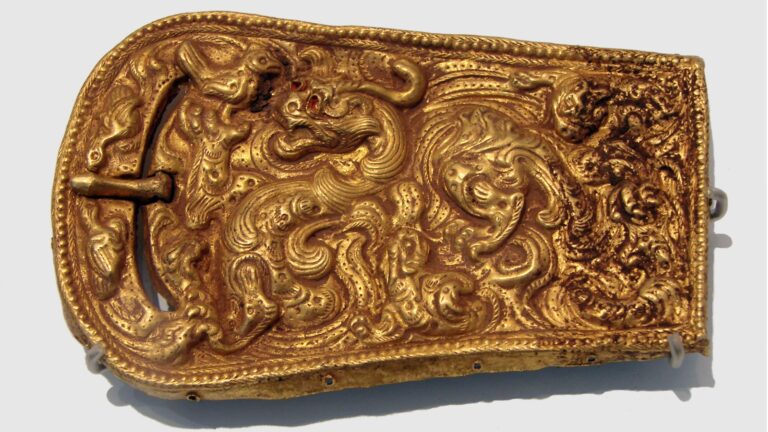
- Avar Gold Belts: Intricate, pressed metal burial ornaments that reveal the elite status of nomadic steppe warriors.
- Corvina Manuscripts: Lavishly illuminated Renaissance books created specifically for the historic royal library of Matthias Corvinus.
- Scythian Golden Stag: A magnificent Iron Age animal figurine demonstrating superb nomadic metalworking traditions from early centuries.
- Aquincum Organ: The remarkable, reconstructed remnants of a third-century Roman water organ uncovered during urban excavations.
Historical Figures
Important Figures of History
The foundational trajectory of the Hungarian state was deeply forged by influential monarchs and courageous medieval commanders. According to comprehensive biographies maintained by the Encyclopaedia Britannica, King Saint Stephen I consolidated nomadic Magyar clans into a unified Christian kingdom around 1000. Centuries later, legendary military leader John Hunyadi achieved international fame by successfully repelling massive Ottoman forces during the iconic 1456 Siege of Belgrade. This strategic victory effectively safeguarded Central Europe from foreign conquest for several critical generations. Subsequently, his brilliant son, King Matthias Corvinus, transformed the realm into a vibrant Renaissance powerhouse of art and science. This glorious era of cultural enlightenment and administrative reform successfully elevated regional prestige before external geopolitical pressures later fractured the kingdom.
During the modern era, visionary politicians and brilliant revolutionary leaders emerged to fiercely advocate for complete national sovereignty. Official educational documentation from the U.S. Library of Congress Country Studies highlights how statesman Lajos Kossuth galvanized citizens during the historic 1848 War of Independence. Although that specific rebellion faced brutal suppression, his inspiring efforts directly paved the way for the historic Austro-Hungarian Compromise. Simultaneously, incredible technological and cultural advancements flourished because of pioneering intellectuals who drastically altered global history. Renowned musical geniuses and brilliant mathematical savants consistently pushed boundaries while proudly maintaining their distinct cultural roots. Today, the enduring legacies of these remarkable individuals remain deeply embedded within the global historical consciousness.
Historical Figure Examples
- King Saint Stephen I: The pious first monarch of Hungary who permanently converted the nation to Western Christian civilization.
- John Hunyadi: A brilliant medieval military commander who famously defeated the expanding Ottoman Empire at Belgrade’s gates.
- King Matthias Corvinus: A legendary Renaissance ruler who expanded national territory and established the magnificent, historic Corvina Library.
- Lajos Kossuth: A charismatic nineteenth-century revolutionary governor who led the fight for autonomy from Habsburg rule.
- Count István Széchenyi: A visionary reformer titled the “Greatest Hungarian” who financed the iconic Budapest Chain Bridge.
- Ferenc Liszt: A phenomenal virtuoso pianist and nineteenth-century composer who redefined European classical music traditions entirely.
- Ignaz Semmelweis: A pioneering physician known as the “savior of mothers” who discovered antiseptic handwashing practices.
- John von Neumann: A brilliant twentieth-century polymath who made foundational contributions to early digital computer development.
- Princess Saint Elizabeth: A compassionate medieval noblewoman celebrated across Europe for her extraordinary, selfless charitable works.
- Imre Nagy: The tragic reformist Prime Minister who led the courageous, anti-Soviet 1956 Hungarian Revolution.
Traditions
Traditions & Religion
The rich folklore and festive customs of Hungary uniquely fuse ancient Eurasian nomadic roots with deep Western Christian customs. According to anthropological profiles maintained by the UNESCO Intangible Cultural Heritage Directorate, regional communities excellently preserved distinct ritual calendars through generations of severe political change. These complex celebrations historically marked critical seasonal agricultural transitions, communal livestock movements, and prominent religious feast days. Furthermore, isolated rural villages developed specific performance styles, intricate ceremonial garments, and complex oral storytelling methods to pass down history. This continuous preservation process effectively guarded local identity against foreign cultural dominance during Ottoman and Habsburg occupations. Consequently, these shared ancestral routines served as an essential pillar for maintaining a resilient national consciousness nationwide.
Subsequently, modern ethnographers and urban youth groups actively revitalized these endangered rural arts into celebrated contemporary institutions. Scholarly research overviews published by the Research Centre for the Humanities demonstrate how historical folklore movements successfully formalized ancient village music and dance. Scholars meticulously documented regional choreography and textile techniques to prevent their complete disappearance during twentieth-century industrialization. For instance, collective spring pageants and theatrical winter carnivals continue to unite diverse provincial demographics in public celebration. These traditional gatherings masterfully blend old pagan superstition with structured liturgical practices to honor historical ancestral struggles. Today, this vibrant folklore legacy remains deeply cherished, connecting historical steppe heritage with a progressive European lifestyle.
Tradition Examples
- Busójárás Carnival: A frightening winter-scaring festival in Mohács featuring hand-carved wooden masks and traditional woollen costumes.
- Táncház Method: A traditional urban folk dance-house movement used to perform and preserve authentic regional village choreography.
- Easter Sprinkling: A playful spring ritual where young men recite witty poems and splash women with water.
- Matyó Folk Art: A celebrated northern embroidery heritage defined by vibrant, dense floral patterns stitched on textiles.
- Harvest Parades: Autumn agricultural celebrations marking the successful end of the vital grape and wheat gathering seasons.
- Regölés Winter Caroling: An ancient, pagan-influenced winter custom involving protective chanting, rhythmic noise-making, and traditional livestock costumes.
- Whitsun King Election: A competitive medieval youth trial testing physical strength to select a temporary symbolic community leader.
- Saint Lucy’s Chair: A complex winter woodworking tradition designed to unmask local witches during Christmas midnight mass.
- Szekler Gate Carving: The meticulous historic crafting of large, ornamental wooden archways symbolizing hospitality and family ancestry.
- Gulyás Cooking Fellowship: The traditional, outdoor cauldron preparation of seasoned meat stews to foster communal social bonds.

Philosophical Systems in Hungary
The historic evolution of Hungarian intellectual thought consistently reflects a delicate balancing act between Western European academic paradigms and complex national realities. During the early modern era, scholarly institutions cultivated strong scholastic and humanist traditions predominantly composed in Latin. Subsequently, nineteenth-century academic foundations focused heavily on constructing a dedicated vernacular vocabulary to formalize domestic discourse. Thinkers like János Erdélyi actively adapted German Hegelianism to analyze regional historical developments and social structures. This deliberate conceptual adaptation directly informed public debates regarding citizenship, identity, and progressive governance reforms leading up to imperial transitions. According to peer-reviewed archives from the Research Centre for the Humanities, these early historiographical efforts successfully positioned philosophical inquiry as a primary engine for broader cultural modernization. [1, 2, 3, 4, 5]

During the twentieth century, the nation achieved profound international influence through the development of highly critical, humanist philosophical systems. Renowned theorist György Lukács pioneered foundational Western Marxist concepts, introducing his seminal theory of reification to critique modern capitalistic alienation. Later, his immediate circle of brilliant students formed the globally recognized Budapest School during the volatile 1960s. Prominent members including Ágnes Heller rigorously challenged rigid Soviet doctrines by formulating an alternative social ontology focused heavily on radical democracy. Academic profiles preserved by the Routledge Encyclopedia of Philosophy document how political crackdowns eventually forced these prominent dissident intellectuals into foreign exile. Ultimately, the collapse of totalitarian systems in 1989 allowed alternative traditions, including Christian personalism and analytic philosophy, to actively revitalize contemporary cultural discourse. [1, 2, 3, 4, 5, 6]
Quick Facts
| CATEGORY [1, 2, 3] | CORE CONCEPT | CULTURAL & HISTORICAL REALITY |
|---|---|---|
| SPIRITS & DEITIES | The Sky Father and Celestial Wardens | Ancient Magyar pantheons recognized Isten as the supreme cosmic creator alongside Hadúr, the legendary protective god of metalworking and military armor, as preserved in architectural and mythic analyses from the King Saint Museum. |
| MYTHOLOGY | The Shamanic Cosmic Axis | Mythological structure centers heavily around the sacred Világfa or World Tree, whose subterranean roots sink deep into the underworld while its high branches support the celestial realms, detailed by the Encyclopaedia Britannica. |
| TRADITIONS | The Heritage of Urban Dance-Houses | Communities safeguarded regional performance arts through the Táncház system, an active folklore revitalization movement that preserves intricate village choreography, certified by the UNESCO Intangible Cultural Heritage Directorate. |
| SCIENCE & PHILOSOPHY | Dissident Social Ontology | Intellectual movements achieved immense continental influence through the radical humanitarian theories of the twentieth-century Budapest School, which actively critiqued rigid state dogmas, documented by the Routledge Encyclopedia of Philosophy. |
| LITERATURE | Illuminated Imperial Chronicles | Early written achievements blossomed through medieval Latin texts like the Gesta Hungarorum, alongside lavishly illuminated Renaissance manuscripts commissioned for the historic Corvina Library, curated by the University of Cambridge Press. |
| MUSIC & INSTRUMENTS | The Resonance of Struck Strings | Traditional musical arts relied heavily on the Cymbalom, a complex hammered chordophone expertly integrated into both rural string ensembles and classical romantic arrangements, archived by the UNESCO Intangible Cultural Heritage Directorate. |
| MEDICINE & HERBOLOGY | Antiseptic Clinical Foundations | Global medical practices shifted drastically following physician Ignaz Semmelweis’s pioneering discovery of antiseptic hand hygiene to combat lethal puerperal fevers, outlined by the U.S. Library of Congress Country Studies. |
| ANCIENT GAMES | Martial Cane Fencing and Traditional Pastoral Competitions | Medieval herdsmen and rural youth developed Botoló, a highly strategic, acrobatic martial arts game using wooden herding canes to practice close-quarters combat skills, recorded by ethnographers at DeepFUN Traditional Games. |
| ACHIEVEMENTS | The Foundations of Modern Digital Computing | Twentieth-century intellectual breakthroughs reshaped global industry through John von Neumann’s revolutionary design of stored-program digital computers and foundational mathematical architecture, verified by the U.S. Library of Congress Country Studies. |
| ASTRONOMY | Imperial Celestial Observation | Renaissance scientific progress accelerated under King Matthias Corvinus, who directly financed advanced astronomical observatories and elite mathematical computations to map local planetary alignments. |
| JEWELRY & ADORNMENT | Enameled Byzantine Gold Work | Early medieval elite status manifested through highly complex metalwork ornaments, highlighted by the magnificent enameled plaques of the unearthed eleventh-century Monomachos Crown, monitored by the National Archaeological Institute of Hungary. |
| SOCIAL STRUCTURE | The Assembly of the Noble Estates | Historic governance relied heavily on the early medieval Diets, a structured parliamentary gathering of regional counts, ecclesiastics, and lesser nobles, analyzed by legal historians at the Research Centre for the Humanities. |
| CUISINE ROOTS | The Open Cauldron Assembly | Traditional gastronomy remains anchored in Gulyás, a slow-cooked meat stew prepared in hanging iron kettles over open open fires, heavily seasoned with aromatic paprika, catalogued by the Encyclopaedia Britannica. |
| ANCIENT FAUNA | The Steppe Horned Giants | The vast Pannonian plain historically sustained the distinct Hungarian Grey Cattle, a robust, long-horned breed essential for early agricultural economies, managed today via environmental reports from the World Bank Open Knowledge Repository. |
| DIPLOMACY | The Golden Bull Limitations | Constitutional diplomacy achieved a major milestone via the Golden Bull of 1222, an elite royal decree restricting taxation and establishing essential liberties, studied by the Research Centre for the Humanities. |
| NOMADIC EQUIPMENT | The Asymmetric Composite Bow | Nomadic Magyar migrations relied heavily on light bone-reinforced composite bows, engineered expertly for rapid, horse-mounted archery attacks that completely overwhelmed early Western European infantries, tracked by BBC News. |
Did you know? Hungary
- The Antiseptic Revolution: Long before the widespread acceptance of germ theory, Hungarian physician Ignaz Semmelweis discovered that childbed fever mortality rates dropped dramatically when doctors washed their hands in a chlorinated lime solution. According to historical medical profiles published by the U.S. Library of Congress Country Studies, his pioneering clinical observations in 1847 laid the foundational basis for modern hospital sanitation and antiseptic procedures, despite severe skepticism from his contemporary nineteenth-century medical peers.
- The Legal Persona of a Crown: The Holy Crown of Hungary is historically considered more than just a piece of royal regalia; it holds its own distinct constitutional legal personality. Peer-reviewed legal history archives compiled by the Research Centre for the Humanities demonstrate that under the traditional Doctrine of the Holy Crown, absolute sovereign authority belonged to the physical crown itself rather than the individual monarch sitting on the throne, meaning kings only exercised power on behalf of the crown.

Timeline of Hungary
The initial epoch of Hungarian history stretches from the nomadic conquest of the Carpathian Basin through centuries of medieval prominence. Grand Prince Árpád led the initial migration of unified Magyar clans into the territory during the late 9th century. According to documented historical timelines from BBC News, this strategic move permanently claimed the regional homeland. Later, King Saint Stephen I formally established a centralized Christian kingdom around the year 1000. This consolidated state successfully expanded its regional influence and defended its frontiers against multiple foreign invasions. However, a catastrophic military defeat at the Battle of Mohács in 1526 shattered royal unity. Historical overviews from the U.S. Library of Congress Country Studies document how this loss partitioned the realm under Ottoman and Habsburg control, ending the glorious medieval era.

Subsequently, the second defining era covers the intense struggle for modern statehood and contemporary global integration. The historic Austro-Hungarian Compromise of 1867 successfully created a powerful dual monarchy, fueling rapid urban modernization and industrialization. Sadly, the devastating aftermath of World War I shattered this massive empire, stripping the nation of territories under the Treaty of Trianon. Official archives from the US Department of State Office of the Historian confirm that the country lost two-thirds of its population. Decades of totalitarian dominance followed, highlighted by a brutal Soviet occupation and the courageous, yet suppressed, 1956 Hungarian Revolution. Ultimately, a peaceful democratic transition in 1989 completely restored national sovereignty, establishing Hungary as a thriving European Union member state today.
Hungary Timeline
- 350,000 BCE: Paleolithic Vértesszőlős Settlements – Archaeologists discovered ancient human fossil remains and early stone tools within western Hungary, according to National Archaeological Institute of Hungary archives.
- 5000 BCE: Neolithic Lengyel Culture – Early agricultural communities constructed large, fortified ditch systems and produced sophisticated painted ceramics.
- 12 BCE: Roman Conquest of Pannonia – Imperial Roman legions successfully expanded their northern borders, establishing the highly strategic Danube Limes frontier.
- 89 CE: Aquincum Fortification Founding – Rome constructed a major military base that quickly blossomed into a prosperous provincial capital.
- 433 CE: Hunnic Nomad Domination – Attila the Hun centralized his formidable nomadic empire directly within the fertile Pannonian plains.
- 567 CE: Avar Khaganate Establishment – Eurasian Avar tribes crushed rival Germanic groups to secure long-term territorial control over the basin.
- 895 CE: Great Magyar Conquest – Grand Prince Árpád led seven allied nomadic clans across the Carpathian mountains to claim their permanent homeland as tracked by BBC News.
- 955 CE: Battle of Lechfeld – German imperial forces decisively defeated mobile Magyar raiders, forcing a dramatic shift toward sedentary regional politics.
- 1000 CE: Coronation of King Saint Stephen I – The nation officially adopted Western Christianity, cementing institutional statehood via a papal crown blessing.
- 1222 CE: Golden Bull Declaration – King Andrew II issued a foundational constitutional charter restricting royal overreach and protecting noble estates per historical overviews by the Research Centre for the Humanities.
- 1241 CE: Catastrophic Mongol Invasion – Invading Golden Horde armies completely devastated local villages and killed roughly one-third of the population.
- 1301 CE: Árpád Dynasty Extinction – The ancient founding royal lineage permanently ended following the sudden death of King Andrew III.
- 1342 CE: Angevin Golden Age – King Louis I expanded territorial borders significantly while maximizing revenue from rich domestic gold mines.
- 1456 CE: Iconic Siege of Belgrade – Legendary commander John Hunyadi triumphantly repelled expanding Ottoman forces, safeguarding central European territories.
- 1458 CE: Matthias Corvinus Renaissance Ascent – The newly elected king established the magnificent Corvina Library, fostering unprecedented cultural enlightenment.

Hungary Timeline (Cont.)
- 1526 CE: Disastrous Battle of Mohács – Expanding Ottoman forces completely annihilated the royal Hungarian army, killing King Louis II.
- 1541 CE: Tripartite National Partition – The historic realm officially split into Habsburg, Ottoman, and semi-independent Transylvanian political zones as documented by the U.S. Library of Congress.
- 1686 CE: Liberation of Buda Castle – United Christian European armies successfully recaptured the historic capital hill from centuries of Muslim occupation.
- 1703 CE: Rákóczi Independence War – Prince Francis II Rákóczi launched a sweeping, yet ultimately unsuccessful, rebellion against Habsburg dynastic absolutism.
- 1848 CE: Historic Magyar Revolution – Charismatic statesman Lajos Kossuth fiercely spearheaded a massive armed struggle seeking total national autonomy.
- 1867 CE: Austro-Hungarian Compromise – Political leaders successfully forged a powerful Dual Monarchy, triggering unprecedented industrial and municipal growth.
- 1896 CE: Grand Millennium Exhibition – Budapest unveiled Continental Europe’s inaugural electric underground railway to proudly celebrate a millennium of statehood.
- 1914 CE: World War I Outbreak – The tragic assassination of Archduke Franz Ferdinand dragged the entire empire into a devastating global conflict.
- 1920 CE: Devastating Treaty of Trianon – The victorious Allied powers stripped the state of two-thirds of its traditional territory according to the US Department of State Office of the Historian.
- 1944 CE: Nazi German Occupation – Fascist forces aggressively seized direct control of the country, initiating the systematic destruction of local Jewish communities.
- 1945 CE: Soviet Red Army Siege – Soviet troops successfully pushed German forces out of Budapest, initiating decades of strict communist totalitarianism.
- 1956 CE: Hungarian Revolution – Courageous citizens launched a massive, bloody armed uprising that briefly toppled the local Soviet-backed puppet regime.
- 1989 CE: Peaceful Democratic Transition – The state successfully dissolved its communist single-party apparatus, safely restoring complete national sovereignty.
- 1999 CE: North Atlantic Treaty Accession – Hungary officially integrated into Western geopolitical security networks by formally joining the NATO alliance.
- 2004 CE: European Union Integration – The democratic nation secured its ultimate European return by successfully becoming an official EU member state.