Table of Contents: Kenya
- Overview: Kenya
- Landscapes and Geography
- Geography Examples
- Culture and People
- Culture Examples
- Economy and Industry
- Economic Examples
- Nature and Conservation
- Nature Examples
- Material Culture & Infrastructure of Kenya
- Quick Facts
- Civilizations of Kenya
- Civilizations and Societies
- Civilization Examples
- Landmarks and Archeological Sites
- Landmarks Examples
- Artifacts & Tools
- Artifact Examples
- Traditions & Religion
- Tradition Examples
- Philosophical Systems & Social Beliefs in Kenya
- Quick Facts
- Timeline of Kenya
- Timeline of Kenya
- Timeline of Kenya (Cont.)
- Sources & Credits for Kenya
Kushite, Swahili, Bantu, Nilotic, Oromo, Arab, Portuguese, British, Independent Republic, and Modern State are historical examples

Maasai, Kikuyu, Luo, Kalenjin, Kamba, Mijikenda, Turkana, Borana, Samburu, and Embu serve as examples

Mount Kenya, Great Rift Valley, Lake Turkana, Indian Ocean, Tana River, Aberdares, Chalbi Desert, Mara, Tsavo, and Chyulu

Nairobi, Mombasa, Kisumu, Nakuru, Eldoret, Thika, Malindi, Lamu, Garissa, and Kakamega are prominent examples

Acheulean handaxes, Swahili pottery, ivory carvings, iron tools, beadwork, glass beads, coins, masks, ornaments, and weapons

Swahili, English, Dholuo, Kikuyu, Kalenjin, Kamba, Maasai, Turkana, Meru, and Luhya are distinct examples

Indigenous animism, Christianity, Islam, Catholicism, Protestantism, Orthodoxy, Pentecostalism, Hinduism, Buddhism, and Jainism are practiced examples

Dedan Kimathi, Jomo Kenyatta, Wangari Maathai, Tom Mboya, Koitalel Arap Samoei, Mekatilili wa Menza, Jaramogi, Wanjiku, Kimani, and Nyayo

Koobi Fora, Fort Jesus, Gedi Ruins, Hell Gate, Namoratunga, Olorgesailie, Lamu Town, Thimlich Ohinga, Joy Adamson, and Mau Forest
Overview: Kenya
The Republic of Kenya stands as the definitive Cradle of Humankind, where early hominids developed foundational stone tools within the Great Rift Valley millions of years ago. This unique geological setting fostered a profound historical trajectory that bridges the ancient developmental history of our species with the complex maritime commercial networks of the Indian Ocean world. Researchers identify this region as a primary hub for archaeological discovery, where fossilized remains and prehistoric technology provide deep insights into global human evolution. Furthermore, the land maintains a resilient legacy of diverse tribal social structures that navigated centuries of environmental change and foreign interactions to establish a unified state.
Consequently, this nation occupies a central position in East African history, balancing its status as a site of foundational human origins with a contemporary identity as a regional leader in commerce and infrastructure.
Geography
Landscapes and Geography
Kenya exhibits a complex geological layout, defined primarily by the massive tectonic activity of the Great Rift Valley, which carves a deep trench through the national territory. This physical landscape creates diverse environmental zones, ranging from the high-altitude volcanic peaks of the Aberdare Range to the semi-arid northern deserts and the lush, productive equatorial forests that support immense biodiversity. Moreover, the presence of major river systems like the Tana and Athi sustains the varied ecological habitats and supports agricultural productivity, while the coastal strip features white sandy beaches and ancient coral formations that have historically facilitated maritime navigation and economic stability.
Geography Examples
- Majestic volcanic peaks of the Mount Kenya massif
- Massive tectonic depression of the Great Rift Valley
- Arid desert dunes in the Chalbi Desert region
- Lush montane forests in the Aberdare Range highlands
- Expansive golden savannas of the Maasai Mara Reserve
- Sparkling coral reefs of the Kisite-Mpunguti Marine Park
- Volcanic crater lakes like the alkaline Lake Turkana
- Fertile volcanic soils in the western highlands near Kericho
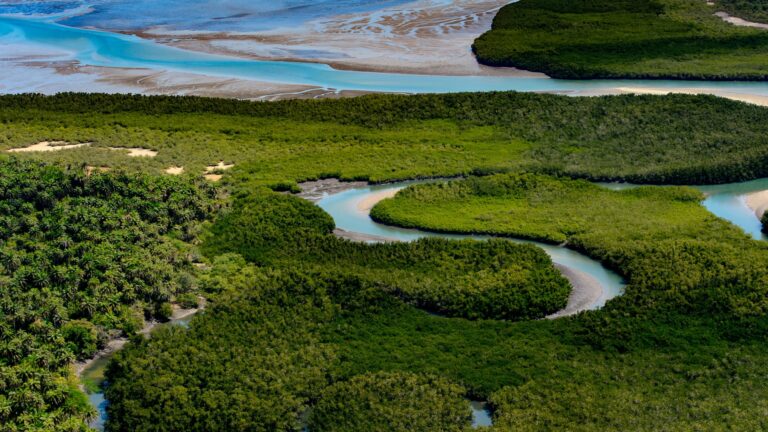
- Mangrove estuaries along the Mida Creek coastal shoreline
- Seasonal rivers feeding the interior Tana River wetlands
Culture
Culture and People
The Kenyan social identity emerges from a vibrant mosaic of over forty distinct ethnic cultures, each possessing unique linguistic, musical, and artisanal customs that reflect their specific ancestral origins. Community life traditionally emphasizes strong clan ties, intergenerational knowledge transfer, and communal decision-making processes that strengthen societal bonds across both rural pastoralist groups and growing urban populations. Furthermore, the persistence of Oral traditions ensures that history, moral lessons, and ancestral wisdom remain central to the lifestyle of citizens who navigate the complexities of modern, globalized economic and social life daily.
Culture Examples
- Maasai pastoralist culture centered on cattle and nomadic movement
- Luo lacustrine culture defined by fishing and lakeside settlements
- Gikuyu agricultural culture based on sedentary farming and lineage
- Mijikenda coastal forest culture with ancestral spiritual practices
- Swahili merchant culture blending African and Arab maritime traditions
- Kalenjin high-altitude athletic culture focused on endurance and cattle
- Turkana desert culture adapted to arid nomadic livestock rearing
- Kamba artisanal culture renowned for intricate woodcarving and trade
- Borana semi-nomadic culture integrated into southern grazing landscapes
- Embu forest-dwelling agricultural culture with structured clan governance
Economy
Economy and Industry
Kenya utilizes its strategic maritime location and productive agricultural heartlands to sustain a robust, multi-sector Agro-industrial economy. The nation excels in the production of tea, coffee, and horticultural goods, which dominate its export markets and support thousands of local livelihoods while ensuring regional food security. Furthermore, significant investments in digital Infrastructure, telecommunications, and regional logistics hubs facilitate trade across the East African Community, cementing the nation’s reputation as a growing powerhouse in modern commerce and technological innovation through initiatives like the Konza Technopolis city.
Economic Examples
- Large scale tea plantations in the Kericho highlands
- Robust horticultural exports of flowers to European markets
- Advanced M-Pesa mobile money technology for financial inclusion
- Expansion of the Standard Gauge Railway logistics network
- Thriving tourism industry centered on the annual Great Migration
- Energy production from geothermal sources in Olkaria plants
- Growth in the Konza Technopolis digital innovation hub
- Manufacturing of consumer goods and food processing plants
- Extensive construction of modern regional road networks
- Support for small scale entrepreneurial ventures in Jua Kali
Nature
Nature and Conservation
The nation prioritizes the protection of its iconic Biodiversity through an extensive system of national parks and community-led wildlife conservancies that cover vast tracts of land. Conservation efforts specifically target the preservation of endangered megafauna, such as the elephant and black rhino, while simultaneously addressing the ecological challenges posed by habitat loss and climate change in vulnerable zones. Additionally, the government fosters partnerships with local communities to ensure that sustainable land use practices support both human livelihoods and the maintenance of diverse ecosystems, ensuring a legacy of stewardship for future generations to enjoy and utilize.
Nature Examples
- Protection of savannah elephant migration corridors in Amboseli
- Recovery programs for the eastern black rhino in Ol Pejeta
- Sustainable land management in the Mara Naboisho conservancy
- Preservation of indigenous forest water towers in Mau Forest
- Anti-poaching patrols across the Tsavo National Park boundaries
- Monitoring of coral health in the Watamu Marine Reserve
- Research on endangered primate species habitats in Kakamega
- Wildlife migration route protection in the Chyulu Hills
- Management of wetlands for migratory birds in Lake Nakuru
- Public education on environmental stewardship in Nairobi Arboretum

Maasai beaded shukas and ornaments display intricate geometric patterns reflecting status, tribal identity, and age set designations

Underwater ruins off Lamu archipelago reveal extensive submerged stone structures indicating lost maritime ports from historical trade eras

Kenya contains the massive Great Rift Valley which provides critical fossils documenting millions of years of human evolution
Material Culture & Infrastructure of Kenya
The material landscape of Kenya represents a rich fusion of ancient Swahili coastal architecture and modern engineering feats that reflect its evolving national identity. Structural history in the region encompasses the coral-stone houses of Lamu, which display intricate wood carvings and Islamic architectural influences, alongside the rapidly expanding urban skyline of Nairobi where glass and steel dominate. Furthermore, the infrastructure development across the country serves to integrate diverse topographical regions, ensuring that traditional rural heritage remains connected to the globalized economic activities of the modern state.

Consequently, construction techniques throughout history have adapted to local resources, utilizing earth, timber, and coral to create buildings that are both functional and symbolic of clan prestige. These structures provide an essential record of how communities managed their environment and trade relationships over the centuries, establishing a permanent legacy that continues to inform contemporary architectural planning and urban development initiatives. These developments allow the nation to project a forward-looking image while grounding its modern growth in the specific, proven methods of ancestral masonry and resource management.
Quick Facts
| Buildings & Archeology | Coral stone houses in Lamu showcase sophisticated medieval architectural techniques and ancient Islamic design influences |
| Art and Architecture | Intricate wood carvings on Lamu doors symbolize the historical wealth and status of coastal trading families |
| Natural Resources | Geothermal energy potential from the Great Rift Valley powers major industrial and domestic electrical needs |
| Trade Routes | Swahili maritime pathways linked internal African resources to international markets across the Indian Ocean waters |
| Urban Engineering | Standard Gauge Railway connects the coastal port of Mombasa directly to the capital city Nairobi |
| Agriculture & Flora | Tea plantation estates utilize the fertile volcanic soil to produce world-class leaves for international export |
| Pottery & Ceramics | Traditional clay cooking pots reflect the long-standing culinary history and domestic life of clan families |
| Metallurgy | Ancient iron smelting provided the tools necessary for early agrarian expansion and defense of territories |
| Glassmaking | Modern glass production creates sleek, energy-efficient facades for the rising towers in the capital city |
| Military and Warfare | Fort Jesus fort protected coastal trade interests from foreign colonial naval forces during centuries past |
| Textile Arts | Vibrant Kanga fabrics serve as powerful mediums for expressing cultural wisdom and daily social messages |
| Numismatics | National currency designs feature iconic wildlife and national symbols that define the modern economic identity |
| Maritime & Riverine | Traditional Dhow construction utilizes ancient techniques to facilitate navigation across coastal and riverine trade routes |
Civilizations of Kenya
The territory of Kenya has served as a central theater for human development, where diverse societies adapted to the unique challenges of the Great Rift Valley. This region hosts some of the most significant archaeological evidence of human evolution, illustrating a long trajectory of social complexity, technological mastery, and adaptation to the changing environments of prehistoric East Africa. Scientists and historians continue to uncover layers of evidence that demonstrate how early populations refined their survival strategies, creating a robust framework for later societal complexity.
Civilizations
Civilizations and Societies
Historically, the coastal region witnessed the rise of the Swahili civilization, a seafaring society that created a cosmopolitan cultural synthesis through international trade. This civilization facilitated vital interaction between the African interior and the broader Indian Ocean world, leading to the development of powerful city-states that controlled the flow of goods, ideas, and religious traditions for several centuries. These centers functioned as melting pots where local customs blended with merchant influences to produce a unique, sophisticated urban life that dominated the regional political landscape until the arrival of outside imperial powers.
Simultaneously, inland societies such as the Nilotic speaking Dholuo confederations and Bantu speaking Gikuyu agriculturalists established sophisticated agricultural and pastoral systems that governed the interior. These societies maintained robust social structures based on clan lineage, age-sets, and ancestral law, creating resilient communities that persisted through periods of environmental shift and colonial disruption
Civilization Examples
- Prehistoric hominid societies of the Rift like Homo habilis
- Cosmopolitan Swahili coastal merchant city-states like Gedi
- Nilotic pastoralist clans of the interior like the Kalenjin
- Bantu speaking agriculturalist tribal confederations like the Gikuyu
- Medieval trading centers along the coast like the Manda
- Islamic scholarly communities in Lamu town historical sites
- Traditional age-set leadership systems of the Maasai tribes
- Colonial administrative societal structures and shifts in Nairobi
- Diverse multi-ethnic modern republican social fabric today
- Cooperative community-led rural conservationist societies like Kimana
Landmarks
Landmarks and Archeological Sites
The archaeological landscape of Kenya features sites of international significance, particularly those located within the Cradle of Humankind in the Lake Turkana basin. These areas contain fossilized remains that have fundamentally altered scientific understanding of the human story, demonstrating how ancient hominids navigated the challenging geography of the rift. Furthermore, these sites are essential for tracking the long-term impact of climatic shifts on the development of early stone tool industries that allowed our ancestors to transition into more complex social behaviors.
Beyond prehistoric sites, the coastal areas host evocative monuments like Fort Jesus, a massive fortification built to control vital trade routes and withstand the pressures of imperial naval competition. Additionally, the ancient ruins of Gedi offer an unparalleled look at the layout, masonry, and daily life of a medieval coastal city that once thrived on international commerce. These landmarks represent the physical intersection of global and local histories, standing as witnesses to the economic reach and architectural ingenuity of the people who shaped this territory over thousands of years.
Landmarks Examples
- Prehistoric fossil sites of the Koobi Fora research station
- Medieval coral stone ruins of the Gedi coastal city
- Historic Portuguese fortress of Fort Jesus in Mombasa
- Ancient megalithic stone pillars of the Namoratunga site
- Sacred Kaya forests of the Mijikenda coastal tribes
- Volcanic monoliths of the Hell’s Gate National Park
- Colonial-era administrative buildings in the Nairobi CBD
- Traditional homesteads in the western highlands near Kisumu
- Coastal trade monuments along the Lamu archipelago islands
- Prehistoric rock art in the western region caves
Artifacts
Artifacts & Tools
Significant historical artifacts recovered in Kenya include early stone Handaxes and blades that demonstrate the cognitive development of our earliest ancestors living near the lakes. Such relics, often found near ancient volcanic activity, reveal how prehistoric populations manipulated their environment to survive in a volatile landscape that offered both immense resources and severe dangers. These objects remain critical to understanding the specific techniques and materials used by human predecessors to dominate their ecological niches over millions of years of evolutionary experimentation and adaptation.
In addition to prehistoric tools, archaeologists have unearthed intricate Swahili ceramics, ivory, and imported glass beads that highlight the vast extent of ancient trade networks. These artifacts represent the material wealth and global connectivity of coastal societies, proving that local populations participated in a sophisticated system of international exchange that connected them to markets as far away as China and India. By examining these relics, researchers successfully reconstruct the daily life, artistic preferences, and economic status of those who lived along the coast and traded across the vast, blue Indian Ocean.
Artifact Examples
- Acheulean stone handaxes from the Olorgesailie Rift sites
- Elaborate gold jewelry from the ancient coastal ruins
- Intricate carved ivory handles and maritime tools
- Locally produced glazed pottery and bowls from Gedi
- Imported glass beads from ancient Indian Ocean trade
- Copper coins used in the coastal Sultanate commerce
- Traditional tribal weapons for clan defense and hunting
- Woven grass artifacts for grain storage in villages
- Commemorative wooden statues of the Mijikenda tribal leaders
- Fossilized remains from early human ancestors in Turkana
Traditions
Traditions & Religion
Communal gatherings in Kenya frequently manifest through traditional ceremonies that mark rites of passage, such as the transition from childhood to adulthood within the clan. These events involve intricate rituals, traditional attire, and the participation of clan elders, which reinforce the collective values and historical memory of the community. By engaging in these practices, the people ensure the continuity of their social identity and the transfer of ancestral wisdom to the next generation, maintaining the deep cultural roots that characterize their vibrant daily life.
Furthermore, harvest rituals and agricultural blessings remain integral to the rhythm of life in the fertile highlands, where communities celebrate the productivity of the land. These traditions emphasize gratitude, communal sharing, and the importance of maintaining an ecological balance with the natural world around them. By maintaining these rhythmic social practices, the diverse tribes of the nation preserve their cultural autonomy and foster a sense of national unity through shared historical experience, ensuring that ancestral customs thrive even as the country modernizes.
Tradition Examples
- Rite of passage ceremonies for youth in the Maasai
- Ancestral respect rituals at burial sites among the Luhya
- Seasonal harvest celebrations for local crops in the Rift
- Traditional wedding festivals with clan music and dancing
- Communal water management meetings for the Gikuyu farmers
- Storytelling nights involving the clan genealogists in Meru
- Traditional dance performances for social events and festivals
- Ceremonial naming rituals for new infants in coastal clans
- Tribal council gatherings for dispute resolution in elders
- Public festivals marking the national independence days annually

Philosophical Systems & Social Beliefs in Kenya
The philosophy of life in Kenya centers on the principle of communal harmony and the deep respect for both ancestral heritage and the natural environment. Social life operates on a rhythm that balances the demands of modern urban participation with the traditional obligations of the clan, ensuring that individuals remain connected to their roots while pursuing professional advancement. This duality defines the national experience, where the wisdom of elders informs the choices of the youth, creating a stable but evolving societal structure that values both tradition and progressive innovation.

In contemporary practice, this philosophy encourages an entrepreneurial spirit that values collective well-being and social responsibility above individual gain. The resulting social structure is highly adaptable, allowing for the integration of traditional pastoralist values with the rapid technological and economic advancements characterizing modern national development and global engagement.
Quick Facts
| Spirits & Deities | Indigenous spiritual beliefs honor nature and ancestors as foundational guides for the clan daily life |
| Mythology | Creator myths like the Gikuyu legend explain the origin of tribes and the sacred land |
| Traditions | Hospitality rituals ensure that every visitor receives food and shelter, reflecting deep communal respect |
| Science and Philosophy | Ethnobotanical knowledge identifies medicinal properties in plants for treating illnesses based on ancestral study |
| Literature | Proverbs and fables teach moral lessons and preserve historical truth across the many generations |
| Music & Instruments | Nyatiti lyre melodies accompany storytelling and serve to preserve the oral history of tribal identity |
| Medicine & Herbology | Traditional herbal medicine provides relief for diverse ailments using native bark, roots, and leaves |
| Ancient Games | Mancala board games sharpen strategic thinking and social interaction among elders in communal centers |
| Achievements | Conservation management leadership demonstrates a national commitment to protecting global biodiversity for the future |
| Astronomy | Celestial cycle observations dictated the timing for agricultural planting and migratory movements for clans |
| Jewelry & Adornment | Intricate beaded necklaces indicate age-sets and marital status within the complex tribal community hierarchy |
| Social Structure | Age-set systems distribute authority and social responsibility across cohorts to ensure stable clan governance |
| Cuisine Roots | Indigenous grain dishes like Ugali form the nutritional foundation for a resilient agricultural society |
| Ancient Fauna | Savanna wildlife species maintain a sacred status as ecological indicators and historical cultural icons |
| Diplomacy | Clan-based mediation resolves inter-tribal tensions through dialogue and the exchange of symbolic communal gifts |
| Nomadic Equipment | Portable skin housing enabled mobile pastoralist communities to thrive within the expansive, dry interior |
Did you know? Kenya
- The Cradle of Humankind in the Rift Valley contains fossils dating back millions of years, providing the most robust evidence for the emergence of early hominids like Homo habilis. This discovery solidified the nation as an essential site for understanding the biological and behavioral evolution of the human species on a global scale.
- Lamu Old Town represents the oldest and best-preserved Swahili settlement in East Africa, featuring a unique blend of indigenous, Arabic, Persian, and Indian architectural influences. This city remains a living monument to the historical trade networks that once connected the interior of the continent to the global maritime markets.

Timeline of Kenya
The Ancient historical trajectory of Kenya begins with the early Hominid species inhabiting the Great Rift Valley, laying the foundation for millions of years of evolutionary development and biological change. These early inhabitants established complex tool industries and social groupings that gradually spread across the continent, while later migrations brought Bantu and Nilotic speaking peoples who established the agricultural and pastoral systems that define the interior to this day. By the first millennium, the coastal region emerged as a vibrant center of international commerce, with the rise of Swahili city-states that integrated regional resources with maritime networks. These societies thrived, building advanced coastal trade systems.

During the last 500 years, the region experienced significant shifts, transitioning from a network of independent trading centers to inclusion within the British colonial system. This period involved intense struggle, leading to the Mau Mau movement and the eventual achievement of Independence in the 20th century. Today, the nation functions as a vibrant Republic, leveraging its agricultural and technological strengths to maintain its status as a regional economic leader. It continues to address the challenges of modernization while actively honoring its profound ancestral heritage and the diverse tribal identities that define its social landscape in the contemporary era.
Timeline of Kenya
- 2,000,000 BC – The Pliocene era saw early hominids living within the rift valley, utilizing basic stone tools for survival and hunting.
- 1,500,000 BC – The Acheulean culture emerged, characterized by the creation of sophisticated teardrop-shaped handaxes found across many archaeological basin sites.
- 200,000 BC – Homo sapiens ancestors began establishing more complex social groupings, leading to the development of early symbolic thought and art.
- 500 BC – Bantu speakers migrated into the region, bringing advanced agricultural and iron-smelting technologies that fundamentally transformed the local social systems.
- 800 AD – Swahili coastal settlements flourished, building coral-stone houses and facilitating the growing maritime trade with Arabian and Indian merchants.
- 1200 AD – The Kilwa sultanate exerted influence over trade, cementing the coast as a vital link in global oceanic commerce networks.
- 1500 AD – Portuguese explorers arrived, leading to the construction of defensive fortifications and intense competition for control over coastal routes.
- 1700 AD – The Omani influence increased, leading to the revitalization of coastal city-states and the expansion of internal trade routes.
- 1895 AD – British colonial authority established the East Africa Protectorate, initiating significant infrastructure projects including the Uganda Railway construction.

Timeline of Kenya (Cont.)
- 1920 AD – The region became a formal Crown Colony, leading to increased land alienation and social tension among indigenous agricultural communities.
- 1952 AD – The Mau Mau uprising commenced, representing a widespread armed resistance against colonial rule and land dispossession in central.
- 1963 AD – The nation officially declared Independence, establishing a republican government led by the first president, Jomo Kenyatta.
- 1978 AD – A change in presidential leadership marked a period of domestic policy shifts and significant economic restructuring for the nation.
- 2002 AD – A historic democratic transition occurred, signaling a new era of political competition and societal reform for the country.
- 2010 AD – The adoption of a new Constitution decentralized power, providing more autonomy to the various regional county governments nationwide.
- 2017 AD – Rapid digital innovation led to the expansion of mobile money platforms, transforming the national economy and daily trade.
- 2026 AD – The modern state continues to build on its rich cultural history while fostering innovation in technology and conservation.

Sources & Credits for Kenya
Sources
- National Museums of Kenya. (2023). Human Origins and Archaeological Heritage. Nairobi. Available at: https://www.museums.or.ke
- University of Nairobi. (2022). Historical Trajectory of the Swahili Coast. Nairobi. Available at: https://www.uonbi.ac.ke
- UNESCO World Heritage Center. (2024). Lamu Old Town and the Cradle of Humankind. Paris. Available at: https://whc.unesco.org
- Ministry of Tourism and Wildlife. (2023). National Conservation and Biodiversity Reports. Nairobi. Available at: https://www.tourism.go.ke
- British Institute in Eastern Africa. (2021). Iron Age Sites and Agricultural Expansion. Nairobi. Available at: https://www.biea.ac.uk
- Kenya National Archives. (2022). Records of Colonial Administration and Independence. Nairobi. Available at: https://www.archives.go.ke
- Kenyatta University Library. (2023). Social Structures and Traditional Governance Systems. Nairobi. Available at: https://www.ku.ac.ke
- East African Community Secretariat. (2024). Regional Economic and Trade Infrastructure. Arusha. Available at: https://www.eac.int
- National Council for Law Reporting. (2023). The Constitution of Kenya and Legal Frameworks. Nairobi. Available at: https://kenyalaw.org
- Kenya Wildlife Service. (2024). Biodiversity Management and Park Stewardship. Nairobi. Available at: https://www.kws.go.ke