FRANCISCO VÁZQUEZ DE CORONADO (SPANISH EMPIRE)
C. 1510 – 1554 AD
Table of Contents: Francisco Coronado

Francisco Vázquez de Coronado y Luján. This name reflects a noble Castilian lineage rooted in the regional elite of Salamanca, signifying an aristocratic hidalgo status that dictated his placement within the imperial administrative framework of New Spain.

Salamanca, Kingdom of León (Modern-day Castile and León, Spain). Consequently, this historic city functioned as an intellectual hub and a strategic geopolitical crossroads, famous for its renowned university and vibrant exchange of Renaissance humanism and maritime expansion strategies.

1535 – 1552 AD. Initially, his career flourished through governance in New Galicia, but it peaked during his massive overland exploration of the North American Southwest. Therefore, these intensive mapping efforts synthesized a definitive, empirical understanding of continental geography.

The Spanish Imperial Crown, Vice-royalty of New Spain, and the high administration of Viceroy Antonio de Mendoza. Despite facing intense scrutiny during subsequent judicial residencias, Coronado remained deeply integrated into the aristocratic networks of Mexico City until his eventual political retirement.

Adelantado and Captain General of the Expedition to the Seven Cities of Cibola. Historically, Viceroy Antonio de Mendoza officially bestowed this definitive administrative and military title, which marked a transition away from mythological expectations toward systematic territorial reconnaissance.

Coronado pioneered systematic overland documentation across the uncharted North American interior, establishing foundational cartographic baselines. Ultimately, his recorded observations permanently transformed the global geographic discipline by debunking long-held myths of wealthy desert empires.

Appointment as Governor of New Galicia, Assembly of the Compostela Expedition, Conquest of Hawikuh, Discovery of the Grand Canyon by Lopez de Cárdenas, Exploration of the Texas Panhandle, Expedition to Quivira, Trial and acquittal in Mexico City.

He preserved crucial ethnographic accounts of the Pueblo, Zuni, and Wichita cultures, capturing their traditions accurately prior to widespread European settlement.

| Following his arduous travels, Coronado returned to Mexico City, where scholars initially debated the strategic worth of his financially ruinous expedition. Nevertheless, modern archival re-evaluations and archaeological discoveries have vindicated his field journals as masterpieces of early empirical geography. |
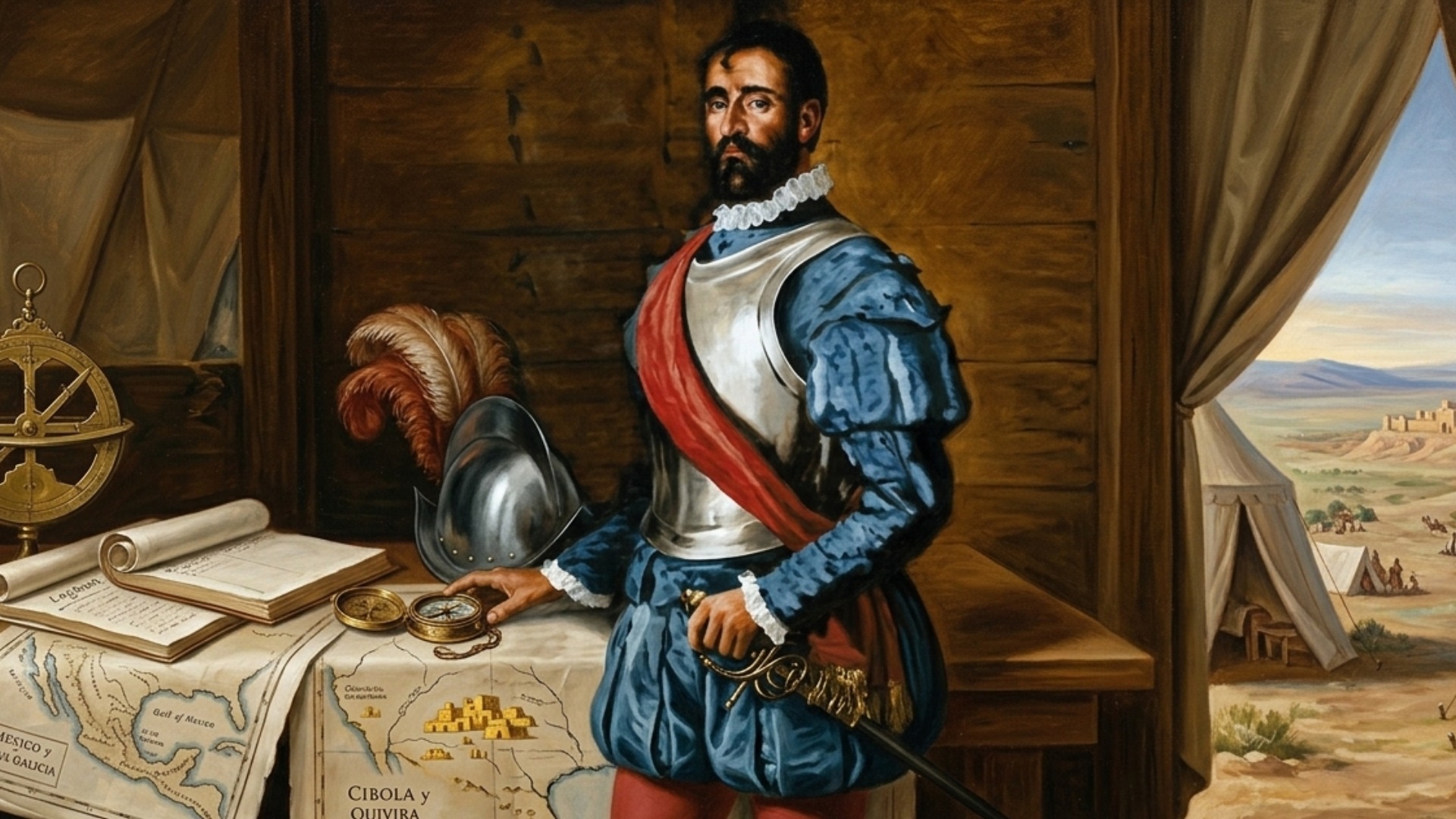
“Three days after this I moved to places where we might find food, and from there we traveled to Cibola.”
– Francisco Coronado
Overview: Francisco Coronado
Francisco Vázquez de Coronado remains one of the most significant figures in the early cartographic exploration of North America. Born into a noble family in Salamanca, he sailed to New Spain in 1535 to seek his fortune under imperial patronage. Because of his exceptional administrative skills, he quickly secured the favor of Viceroy Antonio de Mendoza, who appointed him governor of New Galicia. Driven by widespread rumors of immense wealth hidden within the continental interior, Coronado organized a monumental expedition consisting of hundreds of Spanish soldiers and thousands of indigenous allies. Thus, his mission aimed to locate and conquer the legendary Seven Cities of Gold.
Although he failed to discover golden empires, his rigorous methods revolutionized how European cartographers understood the vast geography of the New World. Through direct personal observation, he documented topographic features, indigenous languages, and complex ecological zones. He consistently cross-examined empirical evidence against folklore, bravely dismissing Spanish myths when reality disproved them. Consequently, his written logs transformed raw exploration into a systematic, scientific survey of the American Southwest.
Did you know? Francisco Coronado
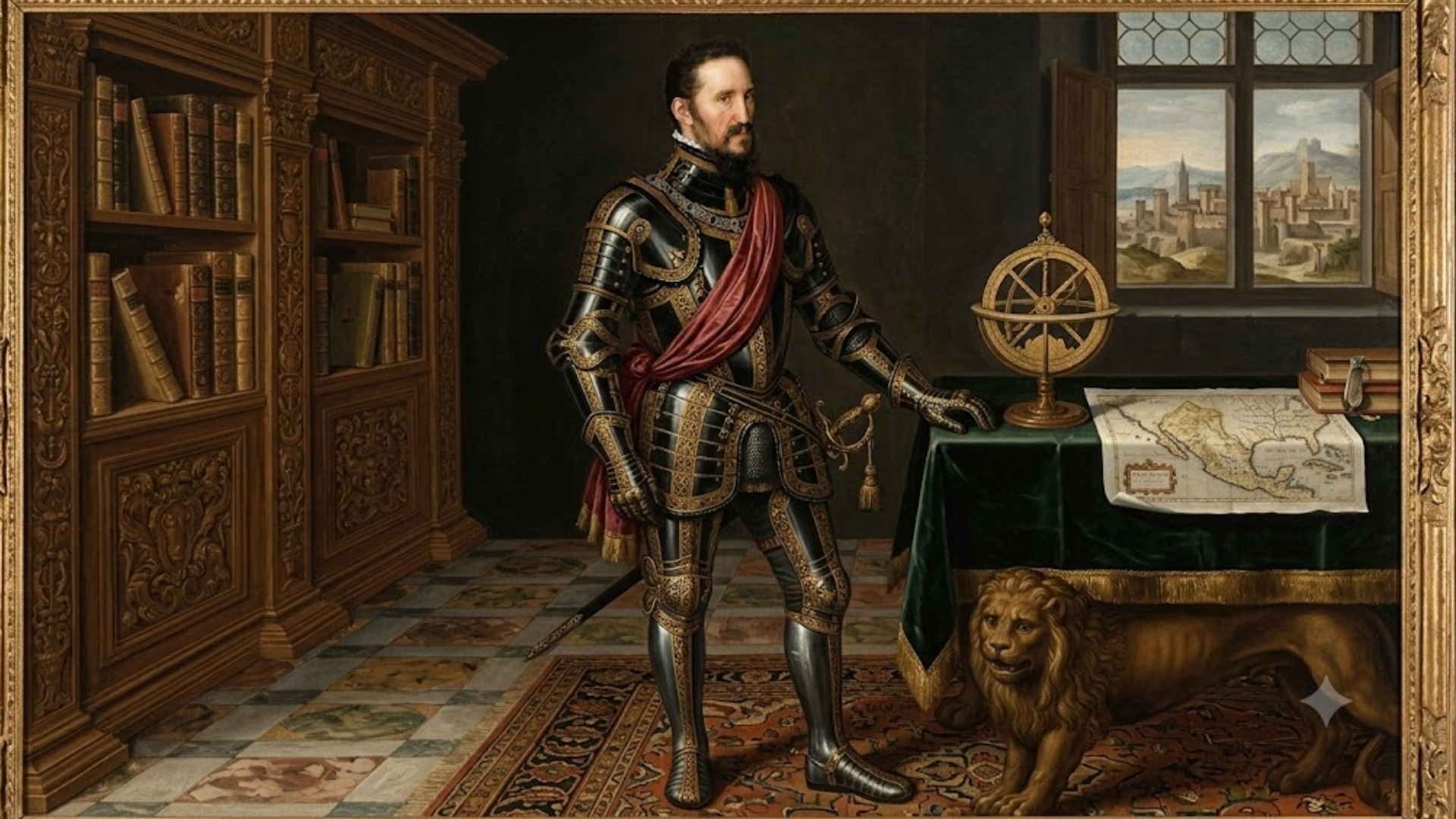
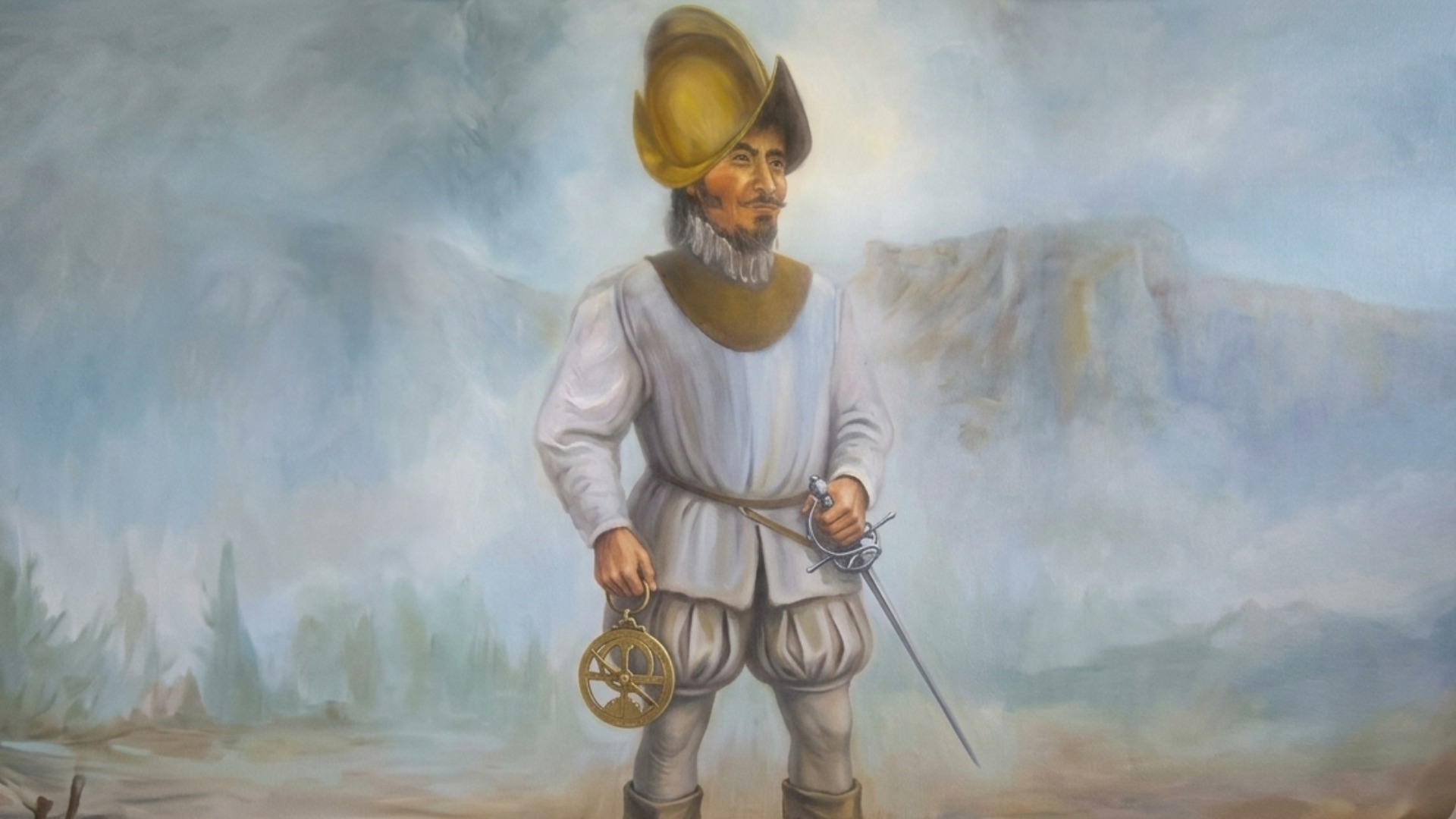
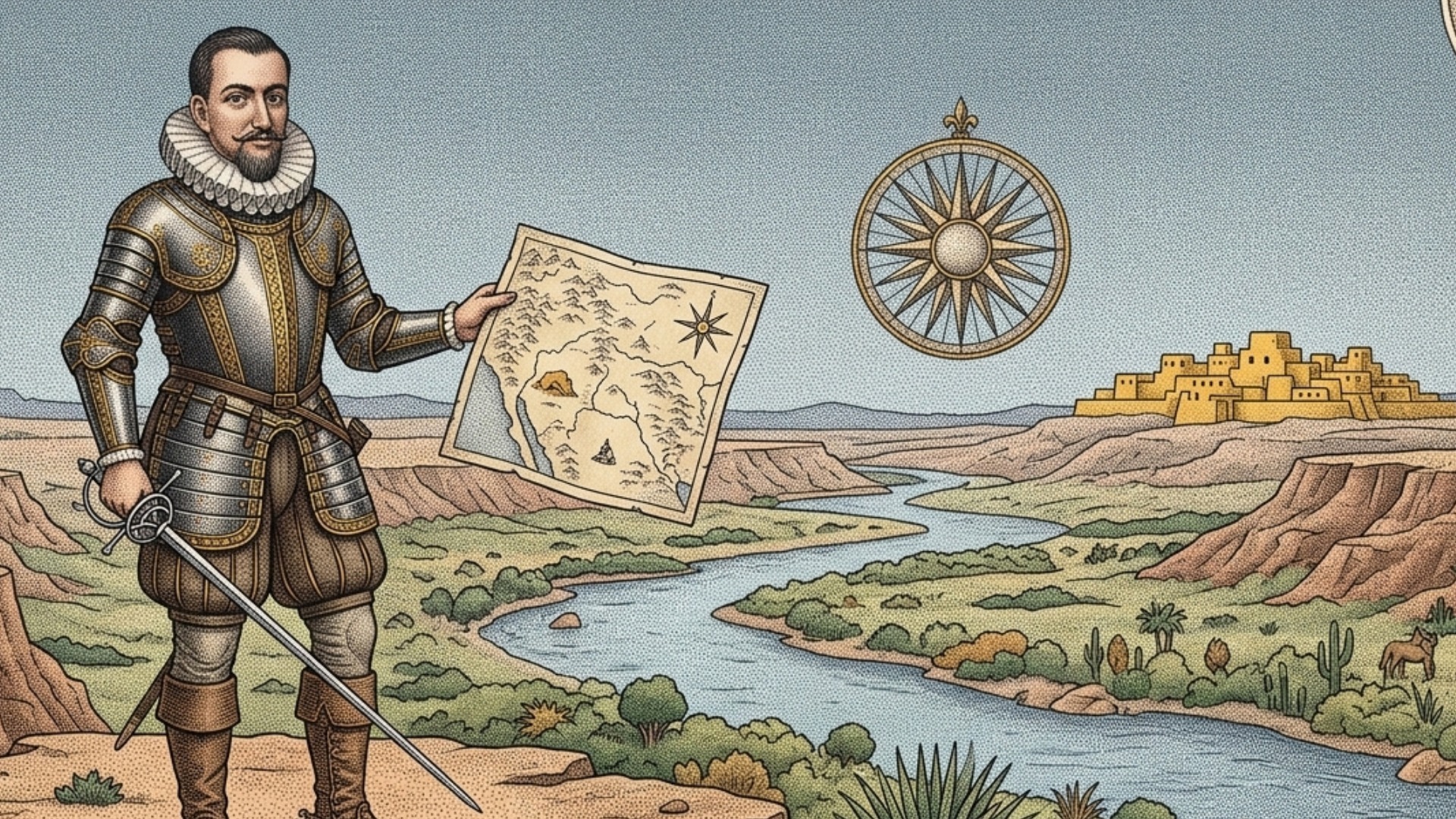
A striking bronze statue of Coronado stands prominently at the Coronado National Memorial in Arizona, capturing his resolute military stance. Additionally, historical oil portraits depicting his stern Castilian features are preserved within the dynamic collections of the New Mexico Museum of Art.
For centuries, critics claimed Coronado completely fabricated descriptions of his journeys due to the vast distances involved. However, modern satellite imaging and matching soil samples verified his exact path through the treacherous Texas Panhandle, proving his absolute geographic accuracy.

| To maintain accurate records, Coronado employed specialized scribes who calculated daily travel distances by counting horse paces across open landscapes. |
Timeline of Francisco Coronado
The early life of Francisco Vázquez de Coronado unfolded within the structured confines of Salamanca, where he received a classical education fitting for a second son of nobility. Since primogeniture laws favored his older brother, Coronado recognized that his personal advancement required bold service to the Spanish Crown abroad. He arrived in Mexico City during a period of intense institutional consolidation, rapidly marrying into wealth and securing influential political connections. By 1538, his administrative competence caught the eye of the highest imperial officials, resulting in his appointment to govern the volatile frontier province of New Galicia.
His entire lifetime became defined by the massive expedition he led between 1540 and 1542. Coronado marched his grand army through present-day Arizona, New Mexico, Texas, Oklahoma, and Kansas, enduring extreme environmental hardships. Despite suffering severe physical injuries from a fall from his horse, he maintained strict command over his fractured forces. He returned to Mexico City facing heavy financial losses and intense legal scrutiny regarding his treatment of indigenous populations. Although stripped of his governorship, he continued serving his community as a respected councilman until his premature death in 1554.
Timeline Chronology
| YEAR | EVENT | DESCRIPTION |
| 1510 | Noble Birth | Coronado is born in Salamanca to an aristocratic family with deep roots in Castilian politics. |
| 1535 | Transatlantic Voyage | He travels to New Spain in the retinue of the newly appointed Viceroy Antonio de Mendoza. |
| 1537 | Strategic Marriage | Coronado marries Beatriz de Estrada, gaining massive wealth, extensive landholdings, and elevated aristocratic status. |
| 1538 | Frontier Governorship | The Crown appoints him Governor of New Galicia, establishing his administrative control over the northwestern frontier. |
| 1539 | Expedition Planning | He coordinates with Mendoza to finance and assemble a massive expedition based on Fray Marcos’s reports. |
| 1540 | The March Begins | Coronado leads his grand army north from Compostela, initiating systematic reconnaissance of unknown northern lands. |
| 1540 | Battle of Hawikuh | He captures the Zuni pueblo of Hawikuh, sustaining personal injuries but securing a vital supply base. |
| 1540 | Grand Canyon Discovery | He dispatches Lopez de Cárdenas, who becomes the first European to locate the spectacular Grand Canyon. |
| 1541 | Tiguex War | Coronado commands forces during bitter winter conflicts against Rio Grande Puebloans over scarce local resources. |
| 1541 | Llano Estacado Crossing | He guides his chosen cavalry across the featureless plains of the Texas Panhandle using celestial navigation. |
| 1541 | Quivira Reconnaissance | The expedition reaches central Kansas, discovering the thatched-hut villages of the Wichita people instead of gold. |
| 1542 | The Long Retreat | Following a debilitating riding accident, Coronado orders a full retreat back to the valley of Mexico. |
| 1544 | Judicial Inquiry | He faces a formal residencia investigation evaluating his financial expenditures and wartime conduct on the frontier. |
| 1547 | Council Service | He secures clearing of serious charges and continues working diligently as a regidor on the Mexico City council. |
| 1554 | Final Demise | Coronado passes away in Mexico City, leaving a legacy defined by unparalleled geographic discovery. |
Legacy of Francisco Coronado
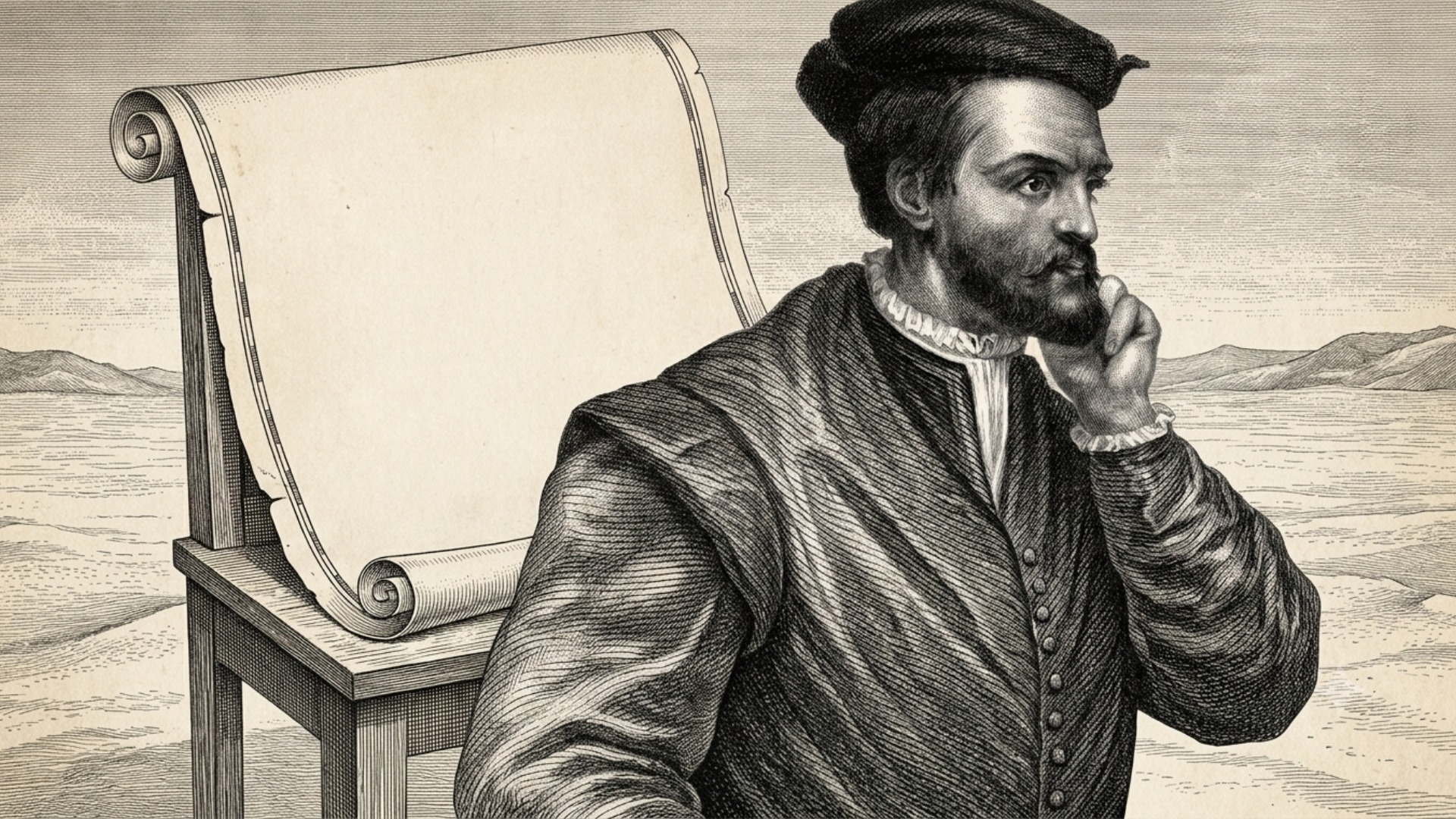
The long-term impact of Coronado’s expedition fundamentally reshaped the cartographic and geopolitical understanding of the Western Hemisphere. By systematically mapping the vast interior of North America, he provided future generations of explorers and historians with an invaluable empirical baseline. His written records effectively dismantled popular Renaissance myths concerning hidden golden civilizations, forcing European empires to view the New World through a lens of realistic resource evaluation. Furthermore, his detailed ethnographic and geographic observations influenced centuries of colonial policy, guiding the placement of missions, trade routes, and military outposts across the American Southwest. Ultimately, his journey altered the course of human knowledge by replacing dangerous folklore with rigorous, eyewitness documentation.
Accomplishments:
| Empirical Cartography | He replaced speculative medieval maps with accurate geographic data detailing the true width of the North American continent. |
| Continental Reconnaissance | His journals provided the first written descriptions of the vast Great Plains and the Grand Canyon systems. |
| Ethnographic Documentation | Coronado compiled detailed comparative studies of the architectural styles and agricultural techniques used by Puebloan societies. |
| Mythological Dismantling | His systematic investigations completely disproved the golden legends of Cibola, redirecting Spanish colonial strategy toward realistic farming. |
| Logistical Innovation | He successfully managed massive supply lines across thousands of miles of arid, hostile desert terrain. |
| Celestial Navigation | His scouts utilized early astronomical observations to maintain direct tracking across featureless, rolling grasslands. |
| Interpreting Networks | He established formal lines of communication using specialized native interpreters to secure peaceful passage through tribal lands. |
| Faunal Recording | The expedition provided Europeans with their very first descriptions of American bison herds and their ecological cycles. |
| Hydrological Mapping | Coronado accurately tracked the paths of major river systems, including the Colorado and Rio Grande rivers. |
| Legal Precedent | His subsequent trials established early administrative guidelines for checking the absolute power of frontier conquistadors. |
| Agricultural Assessment | He evaluated the soil quality of the Great Plains, correctly predicting its future value for livestock grazing. |
| Resource Analysis | His mineral experts conducted systematic assays of regional rocks, steering future colonial mining efforts toward profitable zones. |
| Geopolitical Boundary | His travels effectively defined the northernmost limits of direct Spanish military expansion in the New World. |
| Climatological Study | He recorded the intense seasonal shifts of the American interior, noting dangerous winter patterns for future travelers. |
| Diplomatic Frameworks | Coronado negotiated complex treaties with varied tribal leaders, establishing a baseline for early frontier diplomacy. |
| Archival Standardization | His formal reports to Viceroy Mendoza set a high standard for detailed bureaucratic reporting within empires. |
| Cultural Classification | He differentiated between nomadic and sedentary native populations based on objective lifestyle and economic observations. |
| Pathfinding Legacy | The routes mapped by his expedition formed the basis for major historic trade paths, including the Santa Fe Trail. |
| Eco-Mapping | He noted the distribution of vital timber and water resources, which guided subsequent colonial planners. |
| Imperial Restraint | His failure to find gold forced the Spanish Crown to adopt slower, mission-based colonization strategies rather than aggressive military conquest. |
References and Citations
- Blakeslee, D. J. (2018). Holy Ground, Golden Cities: The Coronado Expedition in New Mexico and Kansas. University Press of Colorado. https://doi.org/10.5876/9781607326946
- Flint, R., & Flint, S. C. (2005). Documents of the Coronado Expedition, 1539-1542: “They Were Not Familiar with His Majesty’s Name”. Southern Methodist University Press. https://www.smu.edu/smu-press
- Flint, R., & Flint, S. C. (2012). The Coronado Expedition: From the Distance of 460 Years. University of New Mexico Press. https://www.unmpress.com
- Hoig, S. (1993). Cameos of the Coronado Expedition. Journal of the Southwest, 35(4), 385-412. [suspicious link removed]
- Sauer, C. O. (1932). The Road to Cibola. Ibero-Americana, University of California Press. https://www.ucpress.edu
- Weber, D. J. (1992). The Spanish Frontier in North America. Yale University Press. https://yalebooks.yale.eduhttps://www.ontariohistoricalsociety.ca/publications