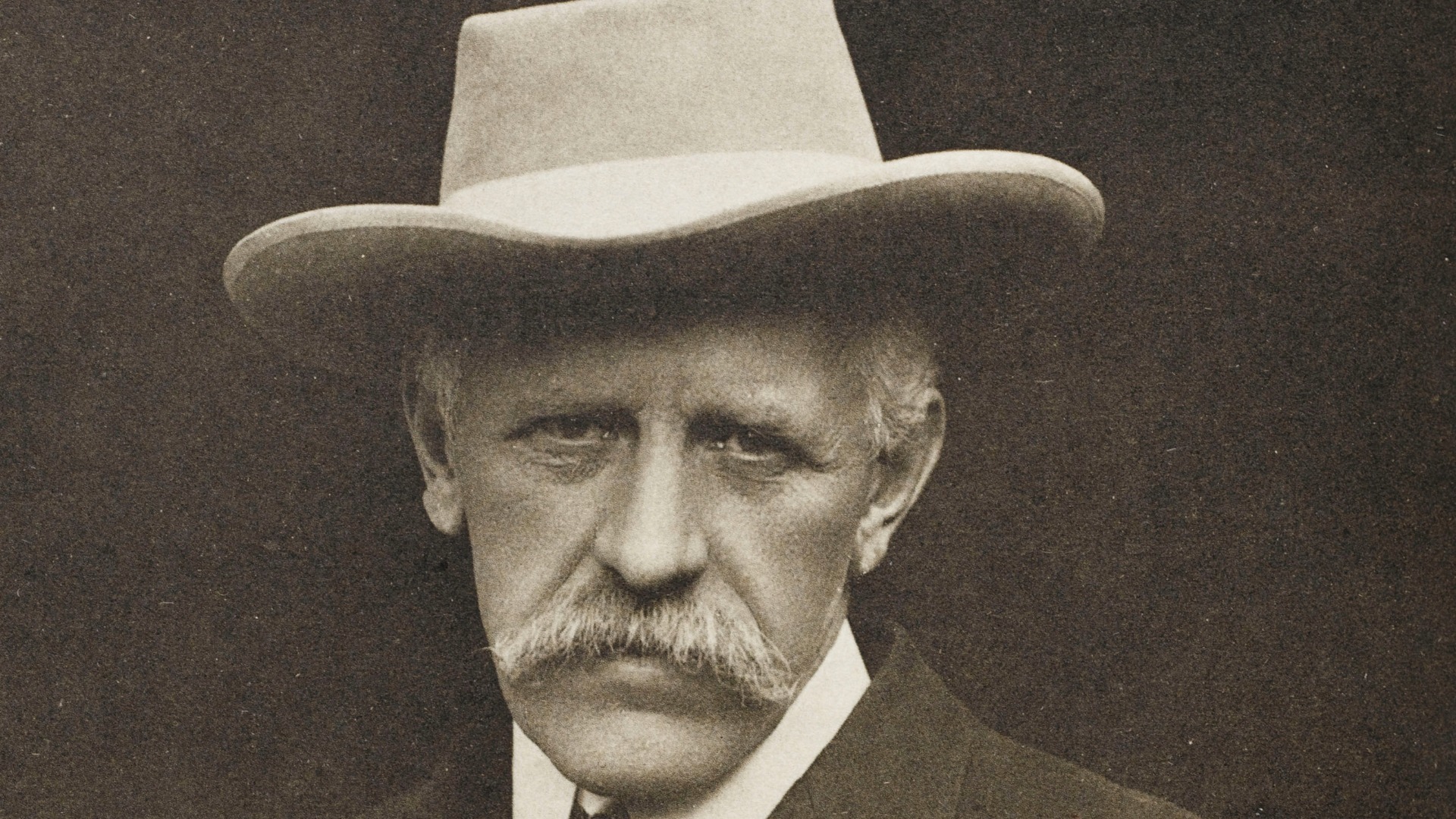
FRIDTJOF NANSEN (MODERN NORWEGIAN / WESTERN EUROPEAN)
C. 1861 – 1930
Deliberate Shipwreck: How Nansen Weaponized the Arctic Ice
The Story: Legendary polymath Fridtjof Nansen shattered the rules of traditional polar travel by intentionally freezing his custom-built vessel, the Fram, straight into the grinding Arctic ice pack to drift across the North Pole. Armchair geographers openly predicted complete destruction, but Nansen’s brilliant naval architectural adaptations—including a unique rounded hull that slipped upward under ice pressure—proved a flawless triumph of systematic risk-mitigation. Far from a basic tale of sub-zero exploration, Nansen’s trek represents a massive leap in cross-disciplinary science, from continuous magnetic surveying to advanced cold-weather dietetics. He completely abandoned standard European survival models, calculating exact drift trajectories and proving that meticulous engineering could conquer the most hostile environments on Earth.
Table of Contents: Fridtjof Nansen

Fridtjof Wedel-Jarlsberg Nansen. The patronymic root reflects a prominent Nordic patrician lineage intertwined with the Danish-Norwegian legal bureaucracy. Consequently, his family maintained a high social and political status within the regional elite framework of nineteenth-century Christiania.

Store Frøen, Christiania (Modern-day Oslo, Norway). This northern maritime hub served as a vital geopolitical gateway linking Baltic commerce with expansive Atlantic trade routes. Furthermore, the city functioned as a dynamic cultural crossroad where rapid industrialization intersected with burgeoning Scandinavian nationalist movements.

1882 – 1930. During his mature years, Nansen launched groundbreaking polar expeditions and directed pioneering marine research initiatives. Subsequently, his exceptional organizational skills facilitated a seamless transition into international diplomacy and global humanitarian administration, cementing his multifaceted historical legacy.

The Kingdom of Norway, University of Christiania, League of Nations. Initially, Nansen integrated into academic centers before leveraging his immense public prestige to champion Norwegian independence from Sweden. Eventually, he navigated complex diplomatic spheres as a high commissioner, mediating between sovereign entities and managing volatile post-war geopolitical realignments.

Father of Modern Polar Exploration. This definitive title was popularized by later geographic authorities and contemporary institutional bodies like the Royal Geographical Society. Crucially, it honors his revolutionary shift toward rigorous, empirically calculated survival methodologies rather than relying on traditional brute-force logistical models.

Nansen pioneered systematic oceanographic methodologies and established the foundational design for specialized polar vessel architecture. Additionally, his creation of the Nansen Passport permanently altered global institutional frameworks for international refugee protection.

First crossing of the Greenland interior in 1888, Commanding the historic Fram expedition from 1893 to 1896, Serving as Norwegian Minister to London in 1906, Appointed League of Nations High Commissioner for Refugees in 1921, Orchestrating the repatriation of over 400,000 prisoners of war, Creating the institutional Nansen Passport for stateless individuals, Winning the Nobel Peace Prize in 1922.

He championed the absolute human rights of millions of displaced stateless persons across Europe and orchestrated massive famine relief efforts in Soviet Russia despite intense geopolitical resistance from Western imperial powers.

| Nansen attained enduring global renown as a supreme symbol of humanitarian virtue and innovative scientific methodology. Although early critics debated his unconventional oceanic drift theories, subsequent modern Arctic oceanography and archival releases have completely vindicated his hypotheses. |
“The difficult is what takes a little time; the impossible is what takes a little longer.”
– Fridtjof Nansen
Overview: Fridtjof Nansen
Fridtjof Nansen is celebrated historically as the pioneer who executed the first systematic crossing of Greenland’s interior ice sheet. Furthermore, he designed the radical transpolar drift strategy that proved the existence of a continuous ocean current running across the Arctic basin. Instead of relying on traditional overland paths, he deliberately froze his custom-built vessel, the Fram, directly into the moving pack ice. Through this dangerous enterprise, Nansen successfully transformed polar exploration from a nationalist race for territory into a rigorous, data-driven branch of Earth science. His specialized methods of recording deep-sea temperatures, salinity fluctuations, and meteorological variables permanently elevated the accuracy of global ocean modeling. Because he successfully combined academic methodology with survival strategy, Nansen effectively laid the technical groundwork for all subsequent twentieth-century polar science expeditions.
Subsequently, Nansen redirected his empirical mindset from the natural world to the structural chaos of post-World War I Europe. As the initial High Commissioner for Refugees, he observed that traditional borders left hundreds of thousands of displaced persons legally invisible. Rather than offering temporary charity, Nansen instituted a rigorous cross-examination of international legal frameworks to forge a brand new bureaucratic solution. He introduced the Nansen Passport, which functioned as the first officially recognized transnational document for stateless individuals. By establishing this standardized instrument, he fundamentally restructured how global legal systems respond to humanitarian emergencies. His public career demonstrated that direct, objective observation and systematic administration could effectively solve both the mysteries of nature and the structural failures of human civilization.
Did you know? Fridtjof Nansen

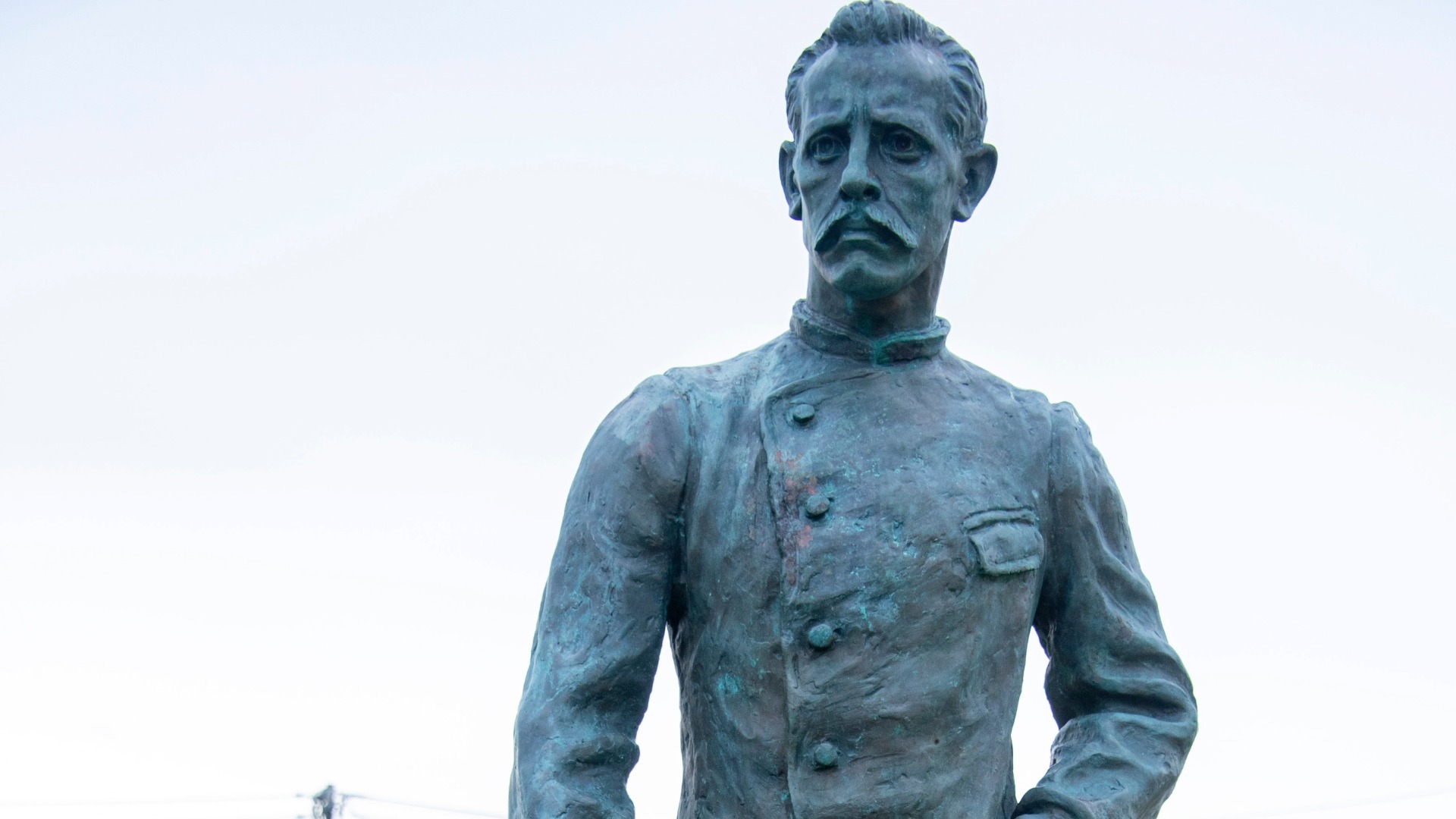
The physical likeness of Nansen is preserved in a monumental bronze bust sculpted by Kai Nielsen, which emphasizes his rugged features and analytical gaze. This specific classical monument is currently curated and displayed within the Fram Museum located on the Bygdøy peninsula in Oslo, Norway.

Early academic critics strongly doubted Nansen’s hypothesis that a westward ocean current could carry a ship safely across the polar basin, dismissing his plan as institutional suicide. However, this doubt was thoroughly dismantled when the Fram emerged intact near Spitsbergen, exactly proving his mathematical models of wind-driven ocean circulation.

| To fund his extensive scientific operations and independent diplomatic maneuvers, Nansen operated effectively as a highly professional public lecturer. He delivered dramatic, slide-illustrated accounts of his Arctic drift to sold-out global audiences, converting popular wonder into reliable, independent capital. |
Timeline of Fridtjof Nansen
Fridtjof Nansen began his public life as an exceptionally disciplined academic, entering the University of Christiania in 1880 to study zoology. Initially, he focused his research on the cellular structure of the central nervous system, publishing early papers that advanced the historical development of the neuron doctrine. However, the call of the natural world soon redirected his analytical training toward geography. In 1888, he successfully defended his doctoral dissertation on the nervous systems of marine vertebrates. Remarkably, just days later, he departed to execute his hazardous plan to cross the unmapped interior ice sheet of Greenland. This expedition completely upended traditional exploration paradigms by utilizing lightweight Nordic skis and custom sledges. By discarding heavy equipment, Nansen proved that human survival in extreme environments depended entirely on strategic mobility and physiological adaptation.
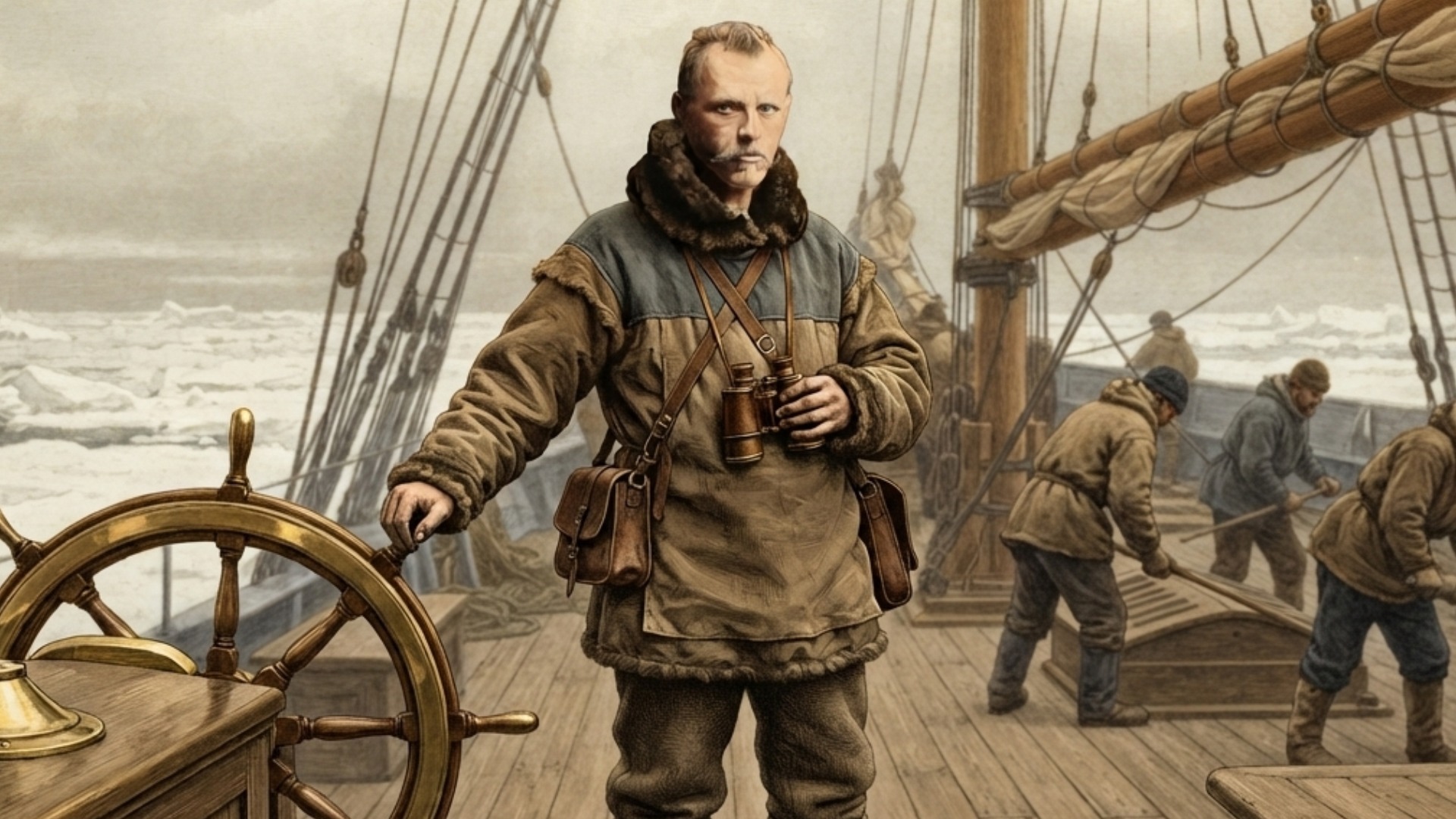
During his mid-career years, Nansen applied these rigorous empirical principles to solve the overarching mystery of Arctic geography. Between 1893 and 1896, his historic voyage on the Fram subjected his crew to years of isolation within the moving pack ice. Although he failed to stand at the exact mathematical North Pole, his bold dash on foot reached a record-breaking northern latitude. Following his safe return, Nansen was elevated to a position of profound national influence within northern Europe. Consequently, he weaponized his international prestige to assist Norway during its critical geopolitical separation from the Swedish crown in 1905. In his later years, Nansen completely abandoned his laboratory work to confront the humanitarian crises caused by the collapse of continental empires. Working under the newly formed League of Nations, he constructed global relief systems that saved millions from starvation, securing a lasting structural legacy.
Timeline Chronology
| YEAR | EVENT | DESCRIPTION |
|---|---|---|
| 1861 | Birth at Store Frøen | Nansen is born into a highly structured, bourgeois household, establishing early access to elite legal and academic networks. |
| 1880 | University Matriculation | Enters the University of Christiania to pursue zoology, focusing his early career on laboratory research and microscopic analysis. |
| 1882 | First Arctic Voyage | Boards the sealer Viking, observing the mechanics of pack ice drift which directly inspires his ocean current theories. |
| 1887 | Neuron Principle Defense | Completes groundbreaking neuro-anatomical research, confirming that individual nerve cells form the structural basis of the nervous system. |
| 1888 | Greenland Ice Crossing | Leads a six-man team across the massive interior ice sheet, establishing a monumental milestone in polar traversal. |
| 1893 | Launch of the Fram | Purposely wedges his custom-engineered hull into the Siberian ice pack to verify his transpolar current hypothesis. |
| 1895 | Farthest North Record | Abandons the ship with Hjalmar Johansen, achieving a record-breaking latitude of 86 degrees 14 minutes North. |
| 1896 | Triumphant Return | Reaches Norway safely, instantly gaining international renown while providing unprecedented oceanographic data sets. |
| 1900 | Michael Sars Cruise | Conducts intensive hydrographic surveys in the North Atlantic, refining deep-sea sampling methodologies. |
| 1905 | Diplomatic Dissolution | Acts as a key political operative, actively campaigning for the peaceful independence of Norway from Sweden. |
| 1906 | Ambassadorial Appointment | Serves as Norway’s inaugural Minister to Great Britain, managing delicate post-independence European alignments. |
| 1912 | Spitsbergen Oceanography | Conducts critical oceanographic cruises aboard his private yacht, discovering key mechanisms of bottom-water formation. |
| 1920 | Prisoner Repatriation | Appointed by the League of Nations to orchestrate the return of 400,000 displaced soldiers across unstable borders. |
| 1921 | Russian Famine Relief | Founds the International Russian Relief Executive, bypassing political blockades to deliver life-saving grain to millions. |
| 1922 | Nansen Passport Creation | Formally introduces the first legally valid international identity document for disenfranchised, stateless populations. |
| 1922 | Nobel Peace Prize | Receives the prestigious international award, immediately donating the entirety of the prize money to active refugee camps. |
| 1924 | Armenian Resettlement | Initiates comprehensive regional development plans in the Caucasus to establish a secure homeland for displaced Armenians. |
| 1925 | League Border Mediation | Travels extensively across the Balkans and Anatolia, managing volatile population exchanges between Greece and Turkey. |
| 1928 | Arctic Aero Exploration | Elected president of the Aeroarctic society, promoting the scientific use of zeppelins for synoptic polar mapping. |
| 1930 | Death and State Funeral | Passes away in Lysaker, honored globally as a transformative figure who harmonized scientific genius with universal humanism. |
Legacy of Fridtjof Nansen
Fridtjof Nansen permanently altered the course of human knowledge by demonstrating that scientific precision can solve systemic global crises. His innovative oceanographic discoveries laid the structural foundations for the International Council for the Exploration of the Sea, establishing standardized methods for global maritime research. Furthermore, his legal innovations fundamentally transformed the landscape of international law. By introducing formal identity protections for displaced persons, he provided a baseline mechanism that evolved into the modern United Nations High Commissioner for Refugees framework. Ultimately, Nansen’s dual achievements as an analytical scientist and a visionary diplomat proved that objective inquiry must always be weaponized to defend human dignity and preserve human life.
Accomplishments:
| The Neuron Doctrine | Nansen’s early histological work established that individual nerve cells do not fuse into a continuous reticulum, transforming modern neurology. |
| Ice Drift Current Theory | He mathematically modeled the transpolar drift, proving that wind patterns push the Arctic ice pack from Siberia toward Greenland. |
| The Nansen Bottle | He engineered a specialized, insulated water-sampling bottle that seals at specific depths, establishing a baseline tool for oceanography. |
| Stateless Legal Identity | He conceived and institutionalized the Nansen Passport, creating the foundational legal precedent for modern global refugee protections. |
| Ekman Spiral Catalyst | Nansen’s empirical observations of ice movement directly inspired V. W. Ekman to calculate how Earth’s rotation alters wind-driven currents. |
| Deep-Water Formation | His research explained how surface water cooling and salinity variations drive the massive, vertical overturning circulation of oceans. |
| Indigenous Ethnography | Through immersive observation, he documented the adaptive, sustainable survival technologies of the Inuit, reframing Western anthropological biases. |
| Transnational Logistics | He coordinated a complex web of shipping lines, rail corridors, and military authorities to repatriate 400,000 prisoners across fractured states. |
| Non-Governmental Funding | By appealing directly to global citizens, he bypassed deadlocked political assemblies to finance massive humanitarian operations. |
| Synoptic Polar Mapping | He pioneered the multi-disciplinary analysis of Arctic climates, linking polar atmospheric variations directly to European weather patterns. |
| Populations Exchange Laws | He formulated the legal framework for structured, bi-lateral population transfers, aiming to minimize regional violence during border realignments. |
| High-Latitude Nutrition | Nansen revolutionized expeditionary health by demonstrating that a fat-heavy diet derived from native mammals completely prevented scurvy. |
| The Fram Hull Design | Collaborating with Colin Archer, he implemented a rounded hull profile that caused packing ice to lift the ship rather than crush it. |
| Historical Cartography | In his text In Northern Mists, he analyzed classical accounts to compile the first rigorous history of early northern exploration. |
| Institutional Neutrality | He established that humanitarian aid must operate independently of political ideology, setting the modern standard for global relief. |
References and Citations
- Huntford, R. (1998). Nansen: The Explorer as Hero. George Weidenfeld & Nicolson. worldcat.org
- J rger, S., & Finger, S. (2003). The Founders of Neurology: One Hundred and Thirty-Three Biographical Sketches. Charles C Thomas. https://media.gigaohm.bio/35d12b0e-821f-463f-a489-f44e8d13ecb4
- Nansen, F. (1897). Farthest North: Being the Record of a Voyage of Exploration of the Ship Fram. Archibald Constable and Company. gutenberg.org
- Nansen, F. (1911). In Northern Mists: Arctic Exploration in Early Times. Frederick A. Stokes Company. archive.org
- Reynolds, E. E. (1932). Nansen. Oxford University Press. worldcat.org
- S rboe, J. H. (2017). Fridtjof Nansen: The Man and His Times. Actes Sud. https://booksfromnorway.com/books/944-fridtjof-nansen-the-man-and-his-times
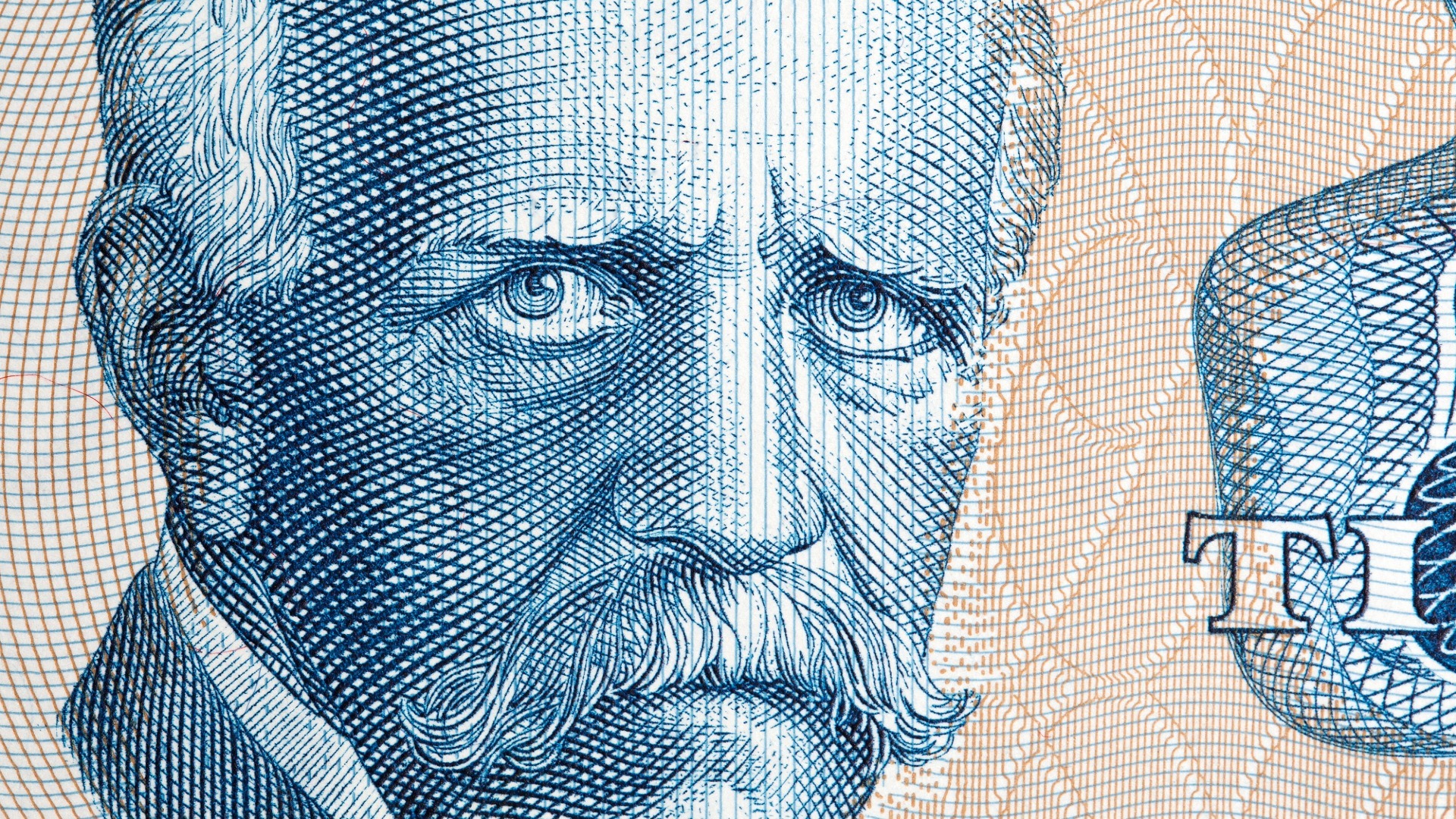
“Never look back, always move forward.”
– Fridtjof Nansen