Table of Contents: Kazakhstan
- Overview: Kazakhstan
- Landscapes and Geography
- Geography Examples
- Culture and People
- Culture Examples
- Economy and Industry
- Economic Examples
- Nature and Conservation
- Nature Examples
- Material Culture & Infrastructure of Kazakhstan
- Quick Facts
- Civilizations of Kazakhstan
- Civilizations and Societies
- Civilization Examples
- Landmarks and Archeological Sites
- Landmarks Examples
- Artifacts & Tools
- Artifact Examples
- Traditions & Religion
- Tradition Examples
- Philosophical Systems & Social Beliefs in Kazakhstan
- Quick Facts
- Timeline of Kazakhstan
- Timeline of Kazakhstan
- Timeline of Kazakhstan (Cont.)
- Sources & Credits for Kazakhstan
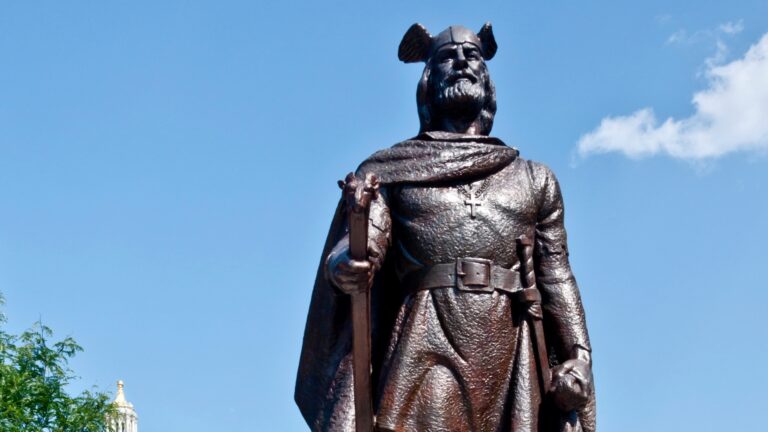
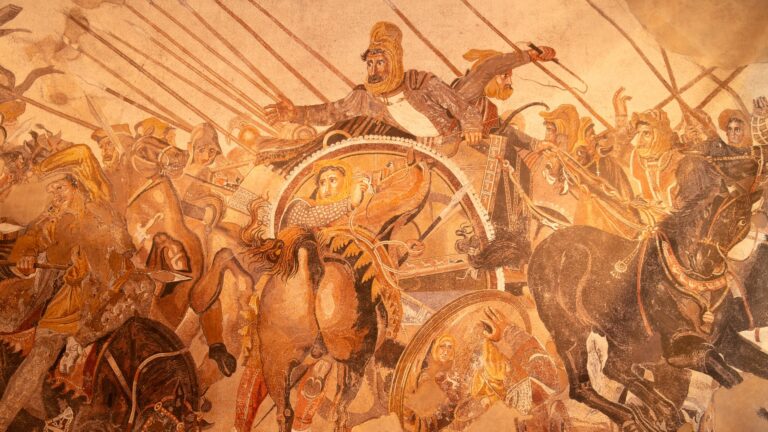
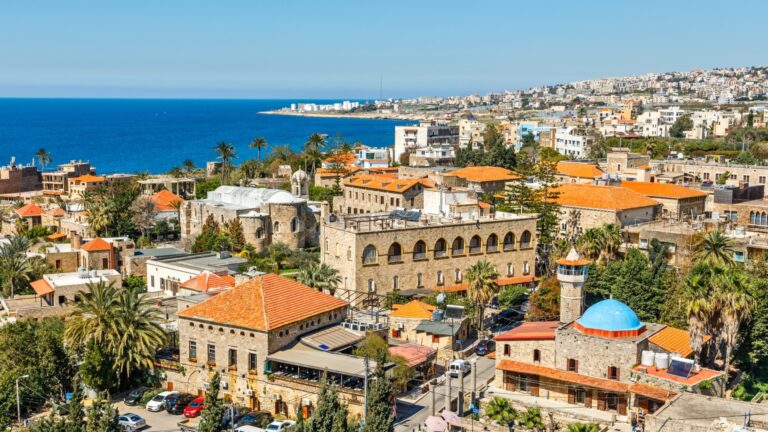
Andronovo bronze age groups, Saka royal warrior confederations, Turkic khanates, Mongol hordes, and modern Kazakh statehood

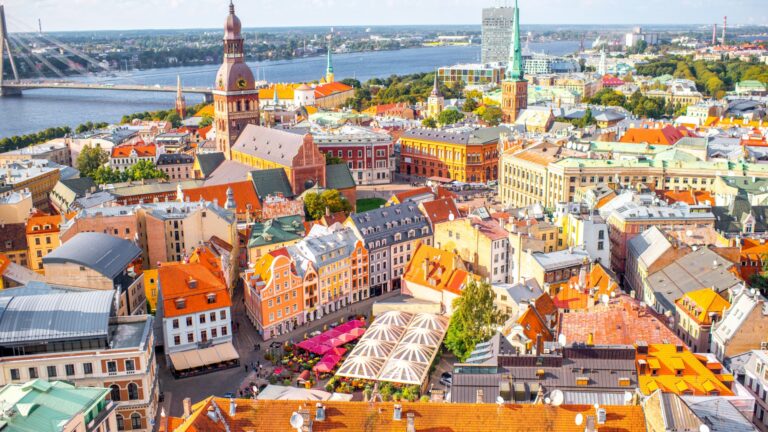
Traditional nomadic equestrian lifestyles, yurt construction, epic oral storytelling traditions, and vibrant regional felt embroidery craft skills

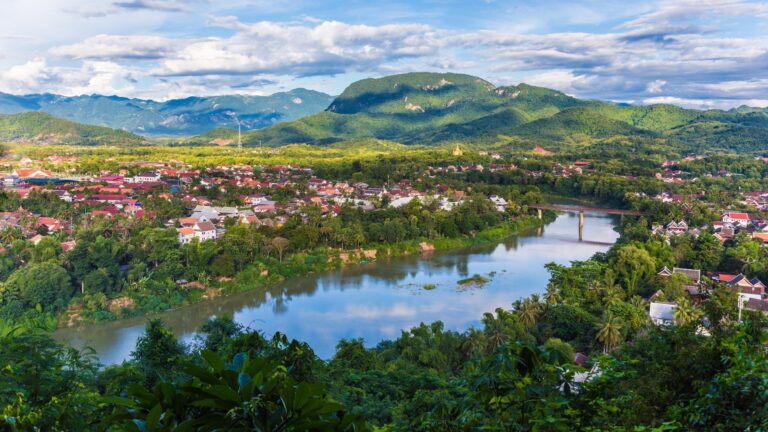
Vast Eurasian steppe plains, Altai mountain ranges, Caspian Sea coastal lowlands, and expansive semiarid desert southern zones

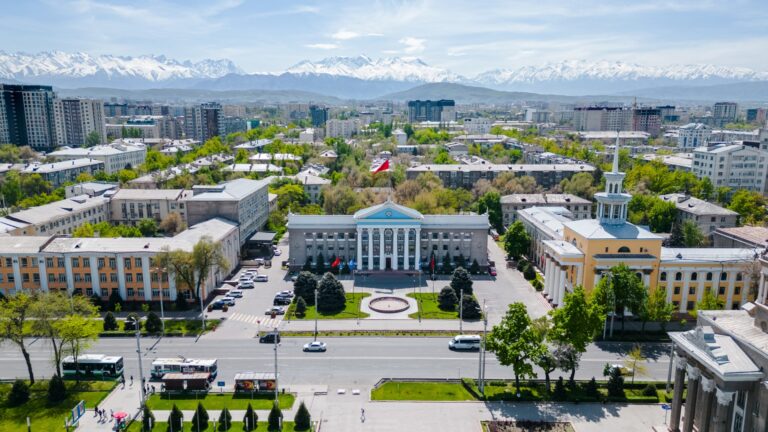
Astana political capital city, Almaty financial center, Shymkent industrial hub, Turkistan historical center, and Aktau maritime port

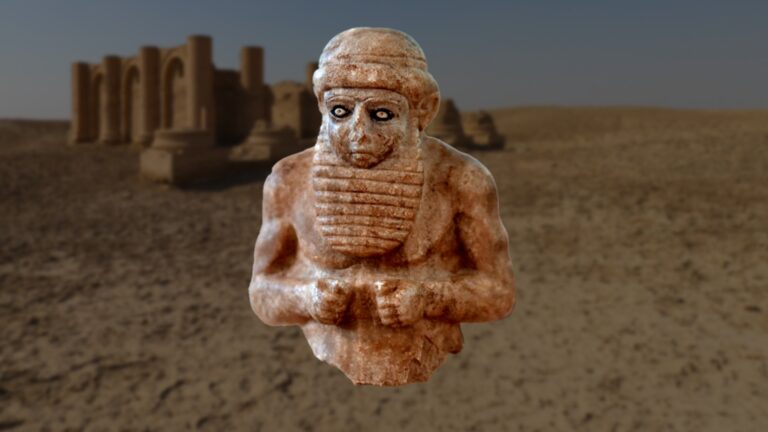
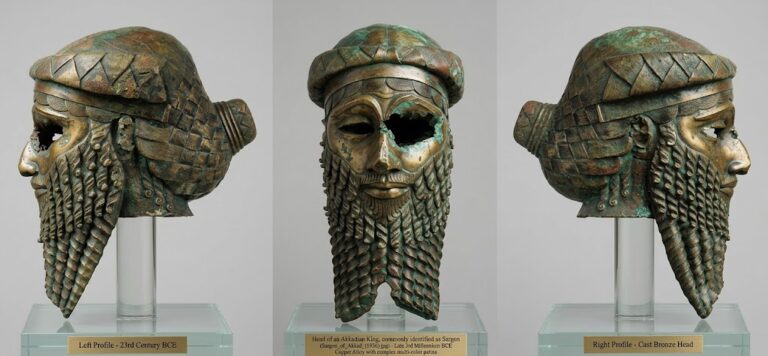
Golden Man ceremonial armor, petroglyph stone carvings, silver nomadic jewelry, Scythian animal style gold, and ancient clay pottery

Kazakh official state language, Russian widespread business tongue, Uyghur minority dialects, and various diverse Turkic regional spoken languages

Sunni Islam majority state faith, Orthodox Christian communities, Buddhist temples, and diverse secular modern spiritual heritage traditions

Sultan Baybars leader, Abai Qunanbaiuly poet, Al-Farabi philosopher, Queen Tomyris warrior, and political leader Nursultan Nazarbayev

Bayterek tower architecture, Mausoleum of Khoja Ahmed Yasawi, Charyn Canyon landscapes, Medeu ice rink, and Khan Shatyr
Overview: Kazakhstan
The Republic of Kazakhstan serves as a vital bridge between the East and West, embodying a rich historical identity forged by millennia of nomadic traditions. This expansive nation occupies a significant portion of the Eurasian landmass, where the vast Steppe provided a cradle for diverse groups, ranging from the Saka and Huns to the powerful Golden Horde.
Consequently, the country has evolved into a modern state that harmonizes its ancient Nomadic heritage with rapid Industrial advancement. The Kazakh people, once masters of the open plains, have maintained a profound connection to their environment, which continues to influence their contemporary social rhythms and national pride.
Geography
Landscapes and Geography
Kazakhstan features a dramatic geological layout, transitioning from the flat, arid Steppe in the north to the formidable Altai and Tien Shan mountain ranges in the south. These diverse terrains regulate the local climate and dictate the migratory patterns that have historically shaped human settlement. Furthermore, the region contains vital river systems like the Syr Darya, which have sustained civilizations for centuries, while the Caspian and Aral basins provide essential maritime and resource value to the national infrastructure.
Geography Examples
- Vast grassy plains of the northern steppe
- High mountain peaks of the Altai range
- Arid desert regions like the Kyzylkum
- Major river system of the Syr Darya
- Inland salt lakes like the Caspian Sea
- Deep canyons carved by seasonal water flows
- Fertile piedmont zones near southern mountains
- Expansive coniferous forests in northern areas
- Rolling hills of the central Kazakh uplands
- Unique relict basins from the Tethys sea
Culture
Culture and People
The Kazakh social identity remains deeply rooted in Pastoralism and the oral transmission of Epic wisdom through generations. Community life often revolves around shared ancestral knowledge, hospitality towards travelers, and the preservation of Folk traditions that predate modern sedentary influences. Additionally, the Aqyn tradition of improvisational poetry continues to act as a primary medium for social commentary and historical storytelling in modern society.
Culture Examples
- Hospitality rituals for welcoming honored guests
- Improvisational musical performances by skilled aqyn
- Nomadic lifestyle influence on communal gatherings
- Traditional yurt architecture for seasonal migration
- Vibrant embroidery in local textile arts
- Ancient equestrian games like Kokpar competition
- Oral storytelling of legendary batyr heroes
- Culinary customs centering on milk products
- Seasonal festivals celebrating nature and harvest
- Preservation of genealogy among nomadic clans
Economy
Economy and Industry
Kazakhstan leverages its immense mineral wealth and strategic location to drive a robust and multifaceted Agro-industrial economy. Trade routes, historically defined by the Silk Road, have transitioned into modern logistics networks that connect Asia to Europe. Furthermore, the country prioritizes infrastructure development to modernize its energy, transport, and communication sectors, ensuring long-term stability and growth.
Economic Examples
- Massive oil and natural gas production
- Large scale mineral and metal mining
- Grain exports from vast northern farmlands
- Modern railway networks linking major cities
- Financial sectors based in large hubs
- Renewable energy investments in southern plains
- Heavy industry manufacturing and metal processing
- Trade corridors along the Silk Road
- Livestock breeding for local domestic consumption
- Scientific research at national space facilities
Nature
Nature and Conservation
The nation implements rigorous policies to protect its fragile Steppe biodiversity and manage the environmental recovery of the Aral region. Conservation efforts focus on restoring native habitats, protecting endangered migratory birds, and mitigating the impacts of climate change on water scarcity. Moreover, large national parks serve as protected sanctuaries where diverse flora and fauna can flourish, ensuring the longevity of unique central environments.
Nature Examples
- Protected biosphere reserves in northern steppes
- Restoration projects for the Aral Sea
- Conservation efforts for the saiga antelope
- National parks within the Altai mountains
- Protection of native bird migration routes
- Monitoring of water quality in rivers
- Sustainable management of rural grazing lands
- Reforestation in the southern forest zones
- Research on endemic plant species survival
- Public awareness campaigns for habitat protection

Monumental golden eagle sculptures crafted from bronze represent the soaring spirit and nomadic freedom of the steppe

Extensive underground networks of ancient irrigation tunnels once transformed arid desert landscapes into thriving green agricultural oasis zones

The vast territory of this nation contains the world oldest space launch facility located at the Baikonur Cosmodrome
Material Culture & Infrastructure of Kazakhstan
The material landscape of Kazakhstan reflects a sophisticated architectural history that blends Earthen construction with ornate Islamic geometry. Urban centers display a synthesis of modern structural engineering and traditional cultural heritage, emphasizing the transition from nomadic mobility to sedentary permanence. Furthermore, the preservation of ancient Mausoleums and archeological settlements provides an essential record of the region’s long-standing connection to global trade networks.

The physical infrastructure of the nation has evolved significantly, incorporating advanced materials to withstand the extreme continental climate. These structures not only serve functional purposes but also function as symbols of national unity and historical continuity, linking the ancient Nomadic past to a future-focused industrial identity.
Quick Facts
| Buildings & Archeology | Earthen architecture combined with burnt brick structures define the historic mausoleums across the southern region. |
| Art and Architecture | Islamic geometric patterns adorn the intricate facades of grand medieval monuments and modern urban buildings. |
| Natural Resources | Vast mineral deposits including copper and iron provide the foundation for the national industrial growth. |
| Trade Routes | Historic Silk Road pathways facilitated the exchange of goods, culture, and science across central Asia. |
| Urban Engineering | Modern urban design in capital cities incorporates glass and steel to reflect a forward-looking nation. |
| Agriculture & Flora | Northern grain farming utilizes large flat plains to sustain the domestic and international food supply. |
| Pottery & Ceramics | Traditional clay pottery features decorative motifs reflecting the artistic heritage of local tribal nomadic communities. |
| Metallurgy | Ancient bronze casting allowed for the creation of intricate jewelry and durable weapons for defense. |
| Glassmaking | Modern glass production creates transparent facades for new skyscrapers in the rapidly growing urban centers. |
| Military and Warfare | Strategic nomadic tactics historically utilized mobile cavalry to defend the expansive territories against foreign incursions. |
| Textile Arts | Felt textile production provides essential insulation for traditional yurts used during seasonal migration and travel. |
| Numismatics | National currency designs incorporate ancient artifacts and historical figures to honor the rich ancestral legacy. |
| Maritime & Riverine | River canal systems support irrigation efforts that sustain life in the arid south and southwestern. |
Civilizations of Kazakhstan
The territory of Kazakhstan has functioned as a crucible for numerous civilizations, where the interplay of nomadic mobility and sedentary urbanism created a unique social fabric. This interaction fostered a society defined by a profound adaptability to the harsh environment of the Eurasian steppe.
Civilizations
Civilizations and Societies
The historical succession of cultures began with the Saka tribes, who established complex burial traditions and social hierarchies. Subsequently, Turkic confederations integrated these regional elements into larger political entities that dominated the trade routes and influenced the geopolitical landscape for several centuries.
During the medieval period, the rise of the Golden Horde further consolidated the cultural and political identity of the region, embedding deep artistic and administrative traditions. These legacies endure in the contemporary Kazakh national identity, which draws upon a long history of resilience and political sophistication.
Civilization Examples
- Early nomadic tribes of the Saka
- Medieval urban societies near Syr Darya
- Powerful nomadic confederations of the Huns
- Expansionist influence of the Golden Horde
- Settled oasis cultures of the Otrar
- Turkic administrative systems across the steppe
- Influence of the various Khanate structures
- Soviet-era social and industrial reorganization
- Renaissance of national identity after independence
- Diverse tribal heritage of the three hordes
Landmarks
Landmarks and Archeological Sites
The archaeological landscape of Kazakhstan is populated by thousands of Kurgans, or burial mounds, which offer rare glimpses into the lives of ancient steppe elites. These sites, such as the Issyk kurgan, provide evidence of the artistic and military sophistication of early nomadic societies. Furthermore, they highlight the complex death rituals and social stratification that defined these historical cultures.
Beyond burial mounds, the region hosts impressive architectural landmarks that mark the crossroads of ancient empires. Structures like the Mausoleum of Khwaja Ahmed Yasavi exhibit the high level of masonry and aesthetic development achieved by medieval builders. These landmarks serve as enduring symbols of the cultural synthesis between the nomadic and sedentary worlds.
Landmarks Examples
- Mausoleum of Khwaja Ahmed Yasavi
- Petroglyphs of the Tamgaly landscape
- Ancient city ruins of Otrar oasis
- Burial mounds in the Besshatyr reserve
- Talgar Iron Age settlement remains
- Sacred site of Beket-Ata mosque
- Medieval towers near the Syr Darya
- Archaeological ruins at the Akrytas site
- Traditional yurt camps in Karkaraly park
- Historical sites along the Silk Road
Artifacts
Artifacts & Tools
Significant historical artifacts from Kazakhstan include the famous Golden Man, a testament to the opulence and high status of ancient Saka warriors. Such objects, crafted from precious metals, reveal the intricate craftsmanship and symbolic language of the region’s early iron age inhabitants. These relics allow researchers to reconstruct the socio-political structures that relied on display and prestige.
In addition to gold, archaeological findings frequently include sophisticated bronze Horse harnesses and iron Weaponry that underscore the military prowess of nomadic populations. These artifacts, found within burial complexes, demonstrate how nomadic groups synthesized artistic influence from neighboring sedentary civilizations while maintaining a distinct, mobile material culture adapted to the steppe.
Artifact Examples
- Ornate gold armor of the Issyk
- Intricate bronze animal style jewelry
- Ceremonial iron swords from kurgans
- Decorated clay vessels for domestic use
- Ancient stone tools from Paleolithic sites
- Woven felt tapestries with tribal patterns
- Silver plates used in noble feasts
- Ornate horse bridles of the Saka
- Medieval parchment records from trade centers
- Stone stelae commemorating nomadic leaders
Traditions
Traditions & Religion
Communal gatherings in Kazakhstan frequently center on the Nauryz festival, which marks the arrival of spring and the renewal of nature. These celebrations involve traditional food, games, and the public recitation of Epic poetry, fostering a strong sense of social cohesion. The emphasis on collective participation reinforces the cultural bonds that define the nomadic heritage.
Tradition Examples
- Nauryz spring renewal celebrations
- Traditional horse racing and Kokpar games
- Communal feast of the Beshbarmak dish
- Recitation of epic poems by bards
- Rituals of hospitality for traveling guests
- Seasonal migration and yurt construction
- Genealogical tracing of tribal ancestors
- Wedding ceremonies with traditional attire
- Public folk dancing and instrumental music
- Autumn harvest festivals in rural areas

Philosophical Systems & Social Beliefs in Kazakhstan
The philosophy of life in Kazakhstan integrates a pragmatic respect for nature with an idealistic appreciation for freedom, a remnant of the Nomadic worldview. Social life is dictated by a rhythm that balances community obligations with the individual’s role in the clan structure. This balance reflects a long history of communal support essential for survival on the vast, demanding plains.

Quick Facts
| Spirits & Deities | Tengri worship historically honored the sky as a primary divine force influencing the nomadic life. |
| Mythology | Epic batyr heroes represent the idealized strength and moral courage of the ancient steppe warrior. |
| Traditions | Hospitality protocols require hosts to provide sustenance and shelter, ensuring safe passage for every traveler. |
| Science and Philosophy | Astrological observations guided the seasonal movements of herds, blending survival with an understanding of heavens. |
| Literature | Oral epic poetry serves to transmit history and communal values across many generations of people. |
| Music & Instruments | Dombra performances use two strings to capture the vast, melancholic beauty of the open steppe environment. |
| Medicine & Herbology | Traditional steppe medicine utilizes native plants and animal products to treat common ailments and injuries. |
| Ancient Games | Kokpar competitions showcase the equestrian mastery and coordination required for effective tribal defense and hunting. |
| Achievements | Space exploration leadership marks a modern transition for a nation that once tracked stars for migration. |
| Astronomy | Celestial navigation remained a crucial skill for nomadic tribes moving across the unmarked desert plains. |
| Jewelry & Adornment | Silver and gold ornaments identify tribal affiliation and social status within the complex clan hierarchy. |
| Social Structure | Clan-based governance historically provided a flexible system of leadership and resource distribution for nomadic groups. |
| Cuisine Roots | Fermented milk products represent the core of a nomadic diet sustained by healthy pastoral cattle herds. |
| Ancient Fauna | Wild steppe horses were central to the economic and military success of early nomadic tribal confederations. |
| Diplomacy | Tribute and trade negotiations between nomadic khans and neighboring empires defined the regional political landscape. |
| Nomadic Equipment | Portable yurt structures allowed for rapid assembly and transport during the necessary seasonal grazing migrations. |
Did you know? Kazakhstan
- The Kazakh national identity is uniquely linked to the domestication of the horse, a development that revolutionized the social and military capabilities of ancient steppe populations. This reliance on the horse enabled the creation of vast trade and defense networks, which ultimately shaped the geopolitical landscape of the entire Eurasian continent.
- Kazakhstan is the world’s largest landlocked country, possessing an interior geography that has historically isolated it from the sea while simultaneously placing it at the heart of the Silk Road. This unique position allowed for the unprecedented exchange of Art, Architecture, and Religion between the diverse cultures of the east and the west.

Timeline of Kazakhstan
The Ancient history of Kazakhstan encompasses a trajectory of nomadic development, starting with the Paleolithic cultures and evolving into the sophisticated Iron Age confederations of the Saka. These groups established the foundations for the Turkic societies that would later dominate the regional trade routes and architectural developments. The nomadic Khanates maintained a distinct political autonomy, resisting external imperial pressures through highly mobile military and social structures that prioritized tribal unity and territorial preservation.

During the last 500 years, the region transitioned from independent nomadic Khanates to inclusion within the Russian Empire and the Soviet Union, before finally reclaiming Sovereignty in the 20th century. This era saw intense modernization, shifting the economic focus from Pastoralism to Agro-industrial production, while simultaneously creating a complex, polyglot society. Today, the nation navigates its future as a global player, leveraging its immense Energy resources and historical Silk Road identity to forge new international partnerships in a rapidly changing world.
Timeline of Kazakhstan
- 2,000,000 BC – The earliest Paleolithic human settlements began developing stone tools adapted for the specific conditions of the central plains.
- 5,000 BC – Early Neolithic cultures emerged, marking the transition toward established settlements near the lakes and rivers of the steppe.
- 2,000 BC – The Bronze Age saw the development of sophisticated metalworking techniques and the expansion of nomadic pastoralist grazing lifestyles.
- 800 BC – The Saka culture solidified, characterized by their monumental Kurgan burial mounds and masterful animal style gold artistry.
- 400 BC – Iron Age societies expanded, creating powerful confederations that controlled the major trade arteries between neighboring ancient empires.
- 200 BC – The Hunnic migration forced significant shifts in regional power, leading to new political configurations among the steppe tribes.
- 500 AD – The Turkic Khaganate rose to power, unifying vast areas of the steppe under a centralized political and military system.
- 800 AD – The spread of Islam into the region began to influence local folk traditions and scholarly learning in urban centers.
- 1200 AD – The Mongol invasion reshaped the demographic and political landscape, integrating the region into the expansive Golden Horde.
- 1400 AD – The Kazakh Khanate emerged as an independent political entity, unifying the various nomadic tribes under a central authority.

Timeline of Kazakhstan (Cont.)
- 1500 AD – The golden age of the Khanate saw the strengthening of diplomatic ties and cultural exchange across the Silk Road.
- 1700 AD – Russian expansion began to encroach upon the northern grazing lands, leading to gradual territorial losses for the khans.
- 1800 AD – The Russian Empire solidified control, leading to the systematic colonization and settling of the vast nomadic steppe territories.
- 1900 AD – A Nationalist movement gained momentum among the educated intelligentsia seeking to preserve the traditional cultural identity and language.
- 1920 AD – Collectivization efforts by the Soviet state caused mass famine, drastically altering the traditional nomadic lifestyle and social structures.
- 1930 AD – Industrial projects were established to tap into mineral wealth, marking the region’s transition into an agro-industrial economic powerhouse.
- 1960 AD – The Baikonur Cosmodrome was constructed, putting the region at the center of the global space race during the era.
- 1991 AD – Sovereignty was declared following the dissolution of the Soviet Union, leading to the formation of the modern republic.
- 2000 AD – Massive investment in Oil and Gas infrastructure transformed the national economy, positioning it as a key energy provider.
- 2010 AD – Modernization of urban infrastructure accelerated with the expansion of cities like the new capital and historic centers.
- 2026 AD – The nation continues to build on its unique cultural heritage while engaging with global economic and scientific networks.

Sources & Credits for Kazakhstan
Sources
- Academy of Sciences of Kazakhstan. (2020). Historical Survey of Central Asian Steppe Cultures. Almaty. Available at: https://www.gov.kz
- Almaty State Museum. (2019). Artifacts of the Saka and Golden Horde. Almaty. Available at: https://www.museum.kz
- Ministry of Culture and Information. (2022). Cultural Heritage and Archaeological Sites of Kazakhstan. Astana. Available at: https://www.culture.kz
- National Library of Kazakhstan. (2021). Records of the Nomadic Khanates. Almaty. Available at: https://www.nlrk.kz
- UNESCO World Heritage Center. (2023). Mausoleum of Khwaja Ahmed Yasavi and Silk Road Heritage. Paris. Available at: https://whc.unesco.org
- University of Astana. (2024). Geological and Environmental Changes in the Eurasian Steppe. Astana. Available at: https://www.enu.kz
- Kazakh National Research Institute. (2018). Early Iron Age Sites and Radiocarbon Chronology. Almaty. Available at: https://www.research.kz
- Caspian Sea Research Consortium. (2025). Maritime Trade and Riverine Infrastructure. Aktau. Available at: https://www.caspian.kz
- Central Asian Archeological Society. (2017). Material Culture of the Otrar Oasis. Turkestan. Available at: https://www.archaeology.kz
- Kazakhstan State Archives. (2022). Political Evolution of the Steppe Hordes. Almaty. Available at: https://www.archives.kz