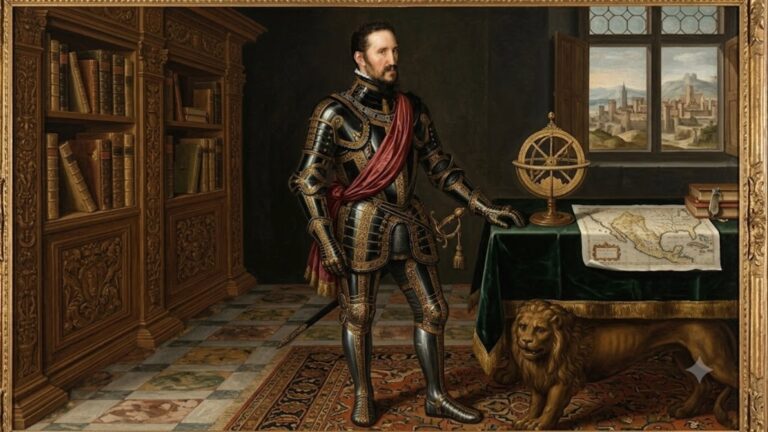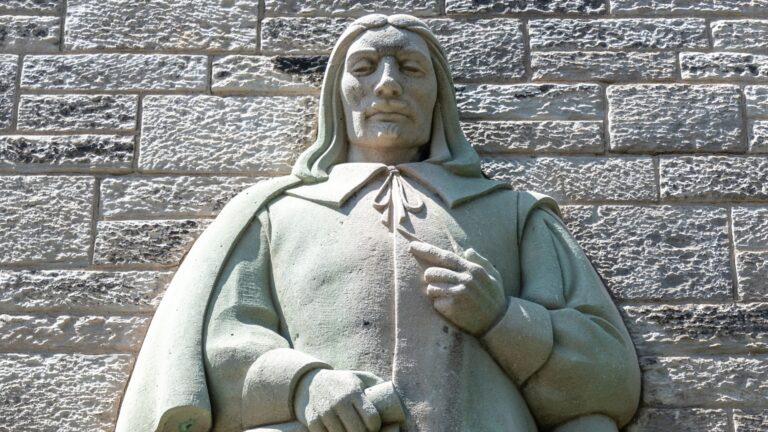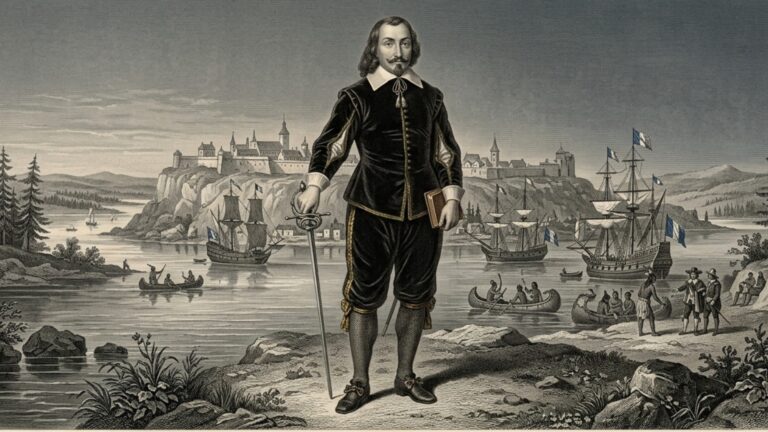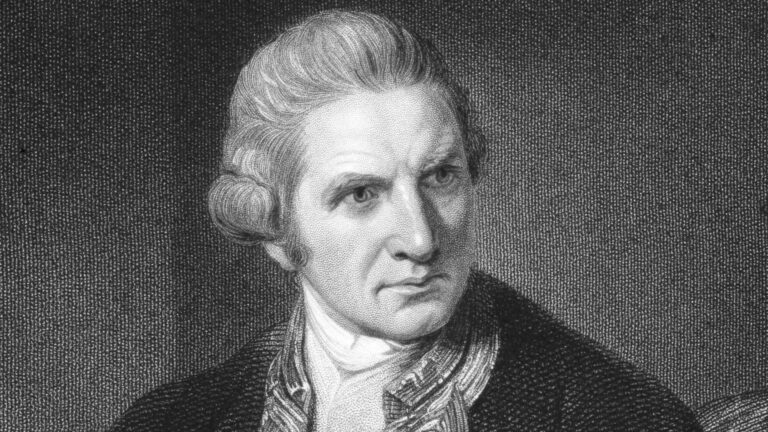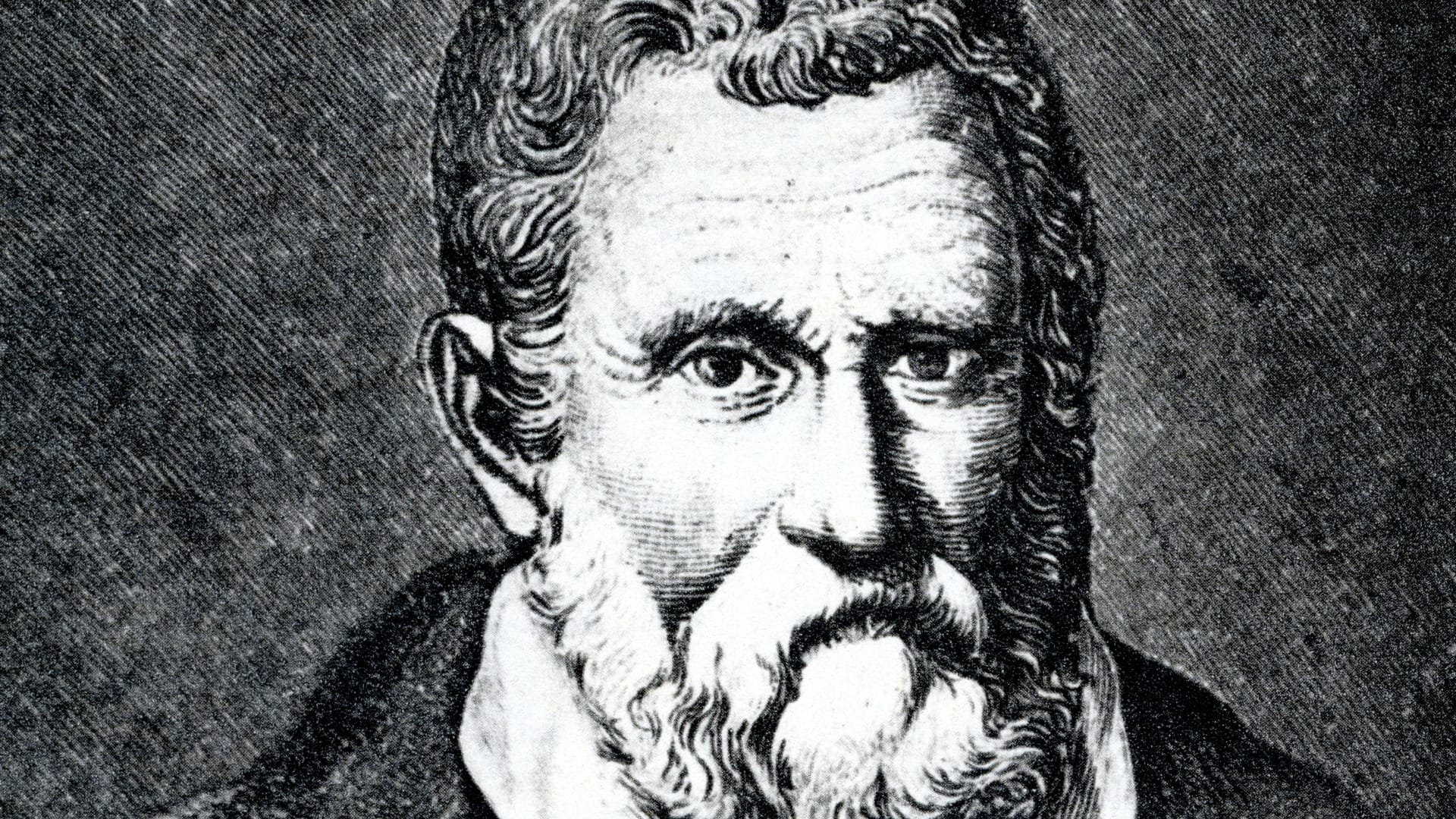
MARCO POLO (HIGH MIDDLE AGES / MONGOL EMPIRE / VENETIAN REPUBLIC)
C. 1254 – 1324 AD
Table of Contents: Marco Polo

Marco Polo. The name originates from the Venetian merchant elite, rooted in familial ties to maritime commerce and long-distance trade within the Adriatic framework.

Venice, Republic of Venice (Modern-day Italy). Venice was a premier maritime power, serving as a critical commercial bridge between Western Europe and the lucrative Eastern markets.

C. 1271 – 1295 AD. His mature years involved extensive service under the Great Khan, where he managed regional administration and synthesized vast geographical knowledge.

Venetian Republic and the Mongol Empire (Yuan Dynasty). He integrated himself into the inner circles of Kublai Khan, later navigating political rivalry and imprisonment in Genoa.

The Explorer. Early Renaissance scholars bestowed this title to honor his shift from maritime folklore toward empirical, detailed observation of non-European political systems.

He pioneered systematic travel reporting, creating foundational documents that permanently established the baseline for global commercial and cultural geography.

Departure from Venice, Arrival in Khanbaliq, Service to Kublai Khan, Travel across the Silk Road, Capture by Genoese, Publication of his Travels.

He preserved vast historical and cultural memories, honoring diverse practices without prejudice while documenting the organizational stability of the Mongol Empire.

| He preserved vast historical and cultural memories, honoring diverse practices without prejudice while documenting the organizational stability of the Mongol Empire. |
“I have not told the half of what I saw, for I knew I would not be believed.”
– Marco Polo
Overview: Marco Polo
Marco Polo emerged from the competitive merchant environment of thirteenth-century Venice, a city defined by its dominance over Mediterranean trade. Born into a family of well-traveled traders, he benefited from the existing connections between the West and the sprawling Mongol Empire. His upbringing prioritized the practical acquisition of commercial intelligence, language skills, and the navigation of diplomatic protocols required for long-distance enterprise.
Unlike many of his contemporaries, Polo engaged directly with the administrative apparatus of the Yuan Dynasty under Kublai Khan. His structural achievements stemmed from his unique position as an imperial envoy, which allowed him to conduct targeted regional explorations. These journeys spanned the diverse geography of Asia, covering thousands of miles, while he meticulously documented local customs, economic resources, and religious traditions. His work functioned as a primary bridge between the disparate worlds of Europe and the East, challenging existing paradigms.

His life work fundamentally transformed how humanity records its past through direct personal observation and critical inquiry. By cross-examining local evidence against his own experiences, he created an analytical system that permanently changed how history and geography were documented. He effectively converted raw observation into a structured, reliable tool for subsequent exploration.
His detailed chronicles pushed the boundaries of medieval knowledge, influencing later navigators and scholars to seek a deeper, empirical understanding of the world. By documenting the logistical complexities of imperial governance and trade networks, he provided a framework that bridged the gap between personal experience and collective knowledge. Through his travels, humanity gained a more nuanced awareness of the interconnectedness of global civilizations, proving that careful documentation is essential for the advancement of both science and international diplomacy.
Did you know? Marco Polo
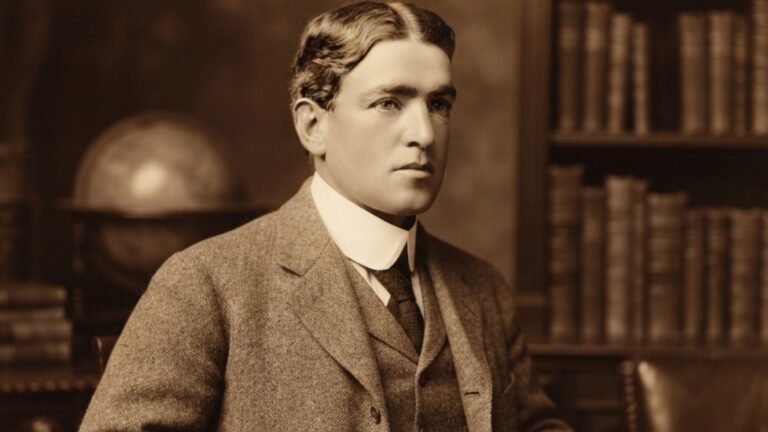
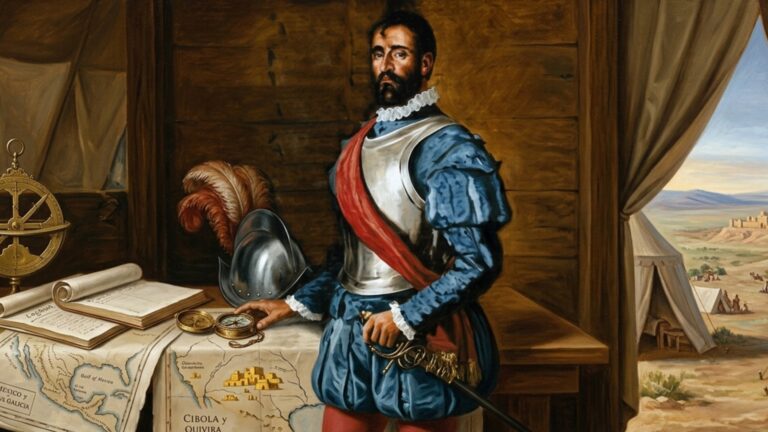
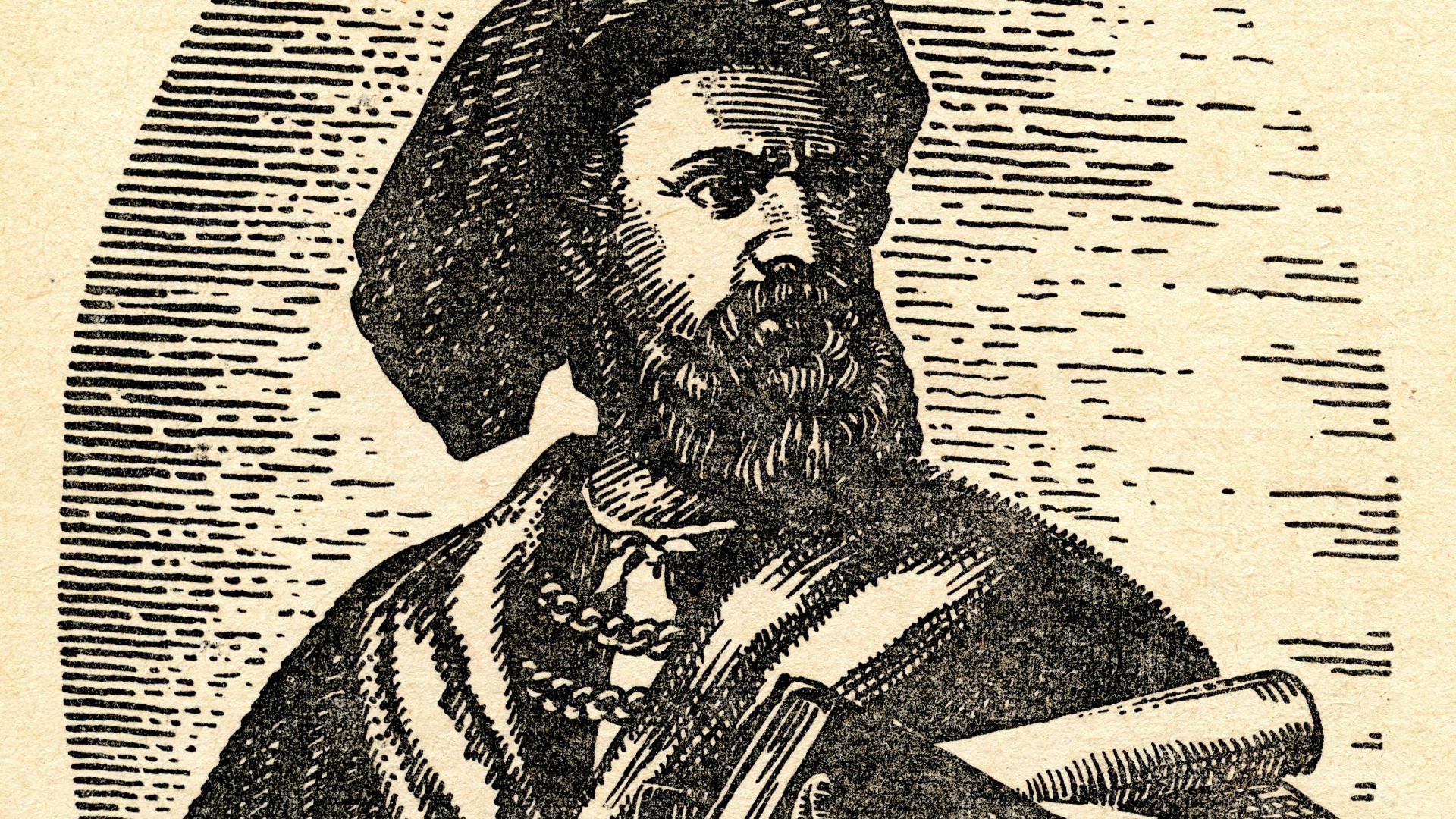
A fourteenth-century miniature in the Bodleian Library depicts Marco Polo in oriental attire, emphasizing his identity as a cross-cultural mediator. This artistic representation remains a vital, authentic source for understanding how his image was synthesized by European audiences.
Critics historically doubted his account of the Mongol paper money system, labeling it a complete fabrication of his imagination. However, modern archaeological evidence and economic research have verified that he accurately described the complex inflation and currency management systems utilized by the Yuan Dynasty.

| Marco Polo often served as a traveling imperial official, using his fluency in multiple languages to deliver dramatic, oral reports to provincial governors, which helped him secure immense influence and continued funding for his long-term missions. |
Timeline of Marco Polo
The chronological timeline of Marco Polo marks the height of medieval expansion and the unprecedented integration of Eurasian markets through the Mongol Pax. Born into the mercantile atmosphere of Venice, Polo’s life trajectory was forever altered by the decision to accompany his father and uncle into the heart of the Mongol Empire. This era was characterized by the collapse of traditional geographical barriers and the rise of a unified, albeit temporary, continental power. Polo’s timeline moves from his early exposure to the Venetian trade elite, through his decades-long immersion in the court of the Great Khan, to his capture and imprisonment in Genoa, where he finally dictated his memoirs.
Each event within this timeline represents a pivotal shift, moving from local commercial interests to international diplomacy and, ultimately, to the codification of global geographic knowledge. The table below maps these significant milestones, illustrating his transition from a young apprentice to a legendary figure whose records served as the foundational impetus for the subsequent Age of Discovery. These events highlight the logistical reality of travel in the thirteenth century, where personal persistence was required to bridge the vast distances between the Mediterranean and the Pacific. Each entry captures a specific moment where his personal actions bridged the gap between regional realities and the broader, imperial political developments that defined his era.
Timeline Chronology
| YEAR | EVENT | DESCRIPTION |
| C. 1254 | Birth | Born in the maritime powerhouse of Venice, entering a family already established in long-distance trade. |
| C. 1271 | Departure | Departed Venice with his father and uncle, beginning a multi-year journey toward the Mongol capital. |
| C. 1275 | Arrival | Successfully reached the court of Kublai Khan in Khanbaliq, signaling the start of his diplomatic career. |
| C. 1277 | Envoy Status | Appointed as an imperial envoy, allowing him to travel extensively across Chinese provinces and beyond. |
| C. 1285 | Regional Rule | Served as a governor of Yangzhou, implementing administrative reforms under Mongol oversight for several years. |
| C. 1291 | Maritime Mission | Escorted a Mongol princess to Persia, marking the final stage of his extensive service to the Khan. |
| C. 1295 | Return Home | Arrived back in Venice, finding his home city transformed and his own family largely unrecognizable. |
| C. 1298 | Capture | Taken as a prisoner during the naval war between Venice and Genoa, leading to his captivity. |
| C. 1299 | Publication | Dictated his travel accounts to Rustichello da Pisa while imprisoned, forming his famous written legacy. |
| C. 1324 | Legacy | Died in Venice, leaving behind a manuscript that would define European geographic knowledge for centuries. |

Legacy of Marco Polo
Marco Polo left a permanent mark on the world by providing the first coherent, detailed map of Asian societies, which directly influenced generations of subsequent explorers like Christopher Columbus. His work acted as the essential baseline for medieval cartography, challenging scholars to look beyond local horizons toward a global perspective. By turning raw observations into structured, analytical tools for understanding foreign systems, he transformed the very nature of historical geography.
Furthermore, his influence extended far beyond simple exploration; he provided a meticulous look at the socio-political dynamics of the Mongol Empire, proving that careful documentation could serve as a vital tool for international policy. His writings ensured that the complexities of Asian trade and governance became integrated into the Western intellectual discipline, permanently altering the course of knowledge. Through his efforts, humanity gained the ability to see the world as a singular, interconnected space, an analytical shift that persists in modern academic study.
Examples:
| Systematic Observation | Replaced legendary hearsay with rigorous, detailed logs of trade routes, geography, and local administration. |
| Cross-Cultural Analysis | Developed a method for comparing diverse societal structures, from Byzantine to Mongol and Chinese. |
| Commercial Intelligence | Integrated economic data as a fundamental variable for assessing the stability of foreign political regions. |
| Imperial Logistics | Documented the infrastructure, relay systems, and supply chains that sustained the expansive Mongol Empire. |
| Comparative Narrative | Constructed a unified, long-form history from fragmented, personal observations gathered over twenty-four years. |
| Administrative Inquiry | Examined how the Mongol bureaucracy managed tax, currency, and resource distribution across diverse populations. |
| Empirical Validation | Prioritized direct witnessing of monuments, city sizes, and technological tools to supplement traditional records. |
| Technological Transfer | Recorded advancements in paper money, coal usage, and ship design that were unknown in Europe. |
| Institutional History | Documented the internal mechanisms of the Yuan Dynasty, providing insight into the Mongol political machine. |
| Historiographical Base | Established the template for modern travelogues, serving as the model for investigative, empirical writing. |
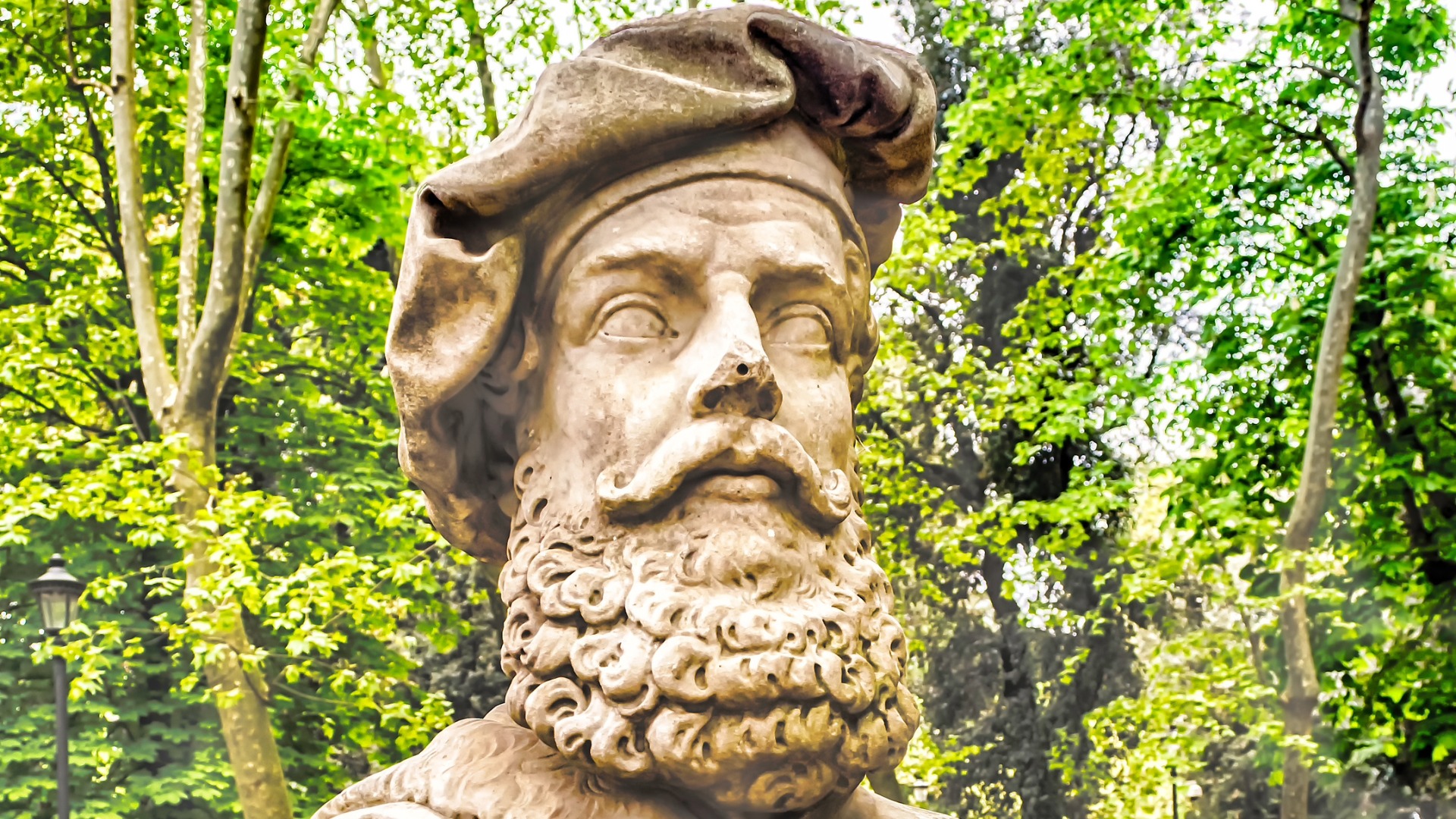
Additional Achievements of Marco Polo
Marco Polo pioneered a methodology grounded in detailed, investigative inquiry, which fundamentally altered the European study of Asia. His analytical mindset allowed him to synthesize complex, disparate regional accounts into a unified, reliable geographical framework. By documenting cultural practices, economic systems, and administrative logistics, he elevated travel writing to a formal, essential discipline, prioritizing evidence-based conclusions over traditional, folklore-based storytelling.
Strategically, he executed his work by traversing the vast territories of the Mongol Empire, acting as a crucial mediator between Eastern and Western worlds. His ability to navigate political centers allowed him to record systemic power structures, which he then meticulously contrasted against his own Venetian background. This approach disrupted existing paradigms, projecting a lasting influence that established history and geography as critical, investigative tools for understanding the increasingly interconnected nature of humanity on a global scale.
Examples:
| Eurasian Mapping | Provided the first detailed, reliable description of routes across Central Asia and the Silk Road. |
| Yuan Administration | Documented the complex tax and governance structures implemented by the Great Khan across provinces. |
| Currency Innovation | Recorded the functioning and inflationary risks of the first large-scale paper money system. |
| Geographic Precision | Corrected misconceptions regarding the scale of the Indian Ocean and the Pacific coast borders. |
| Energy Technology | Provided an early Western report on the heating properties and usage of coal as fuel. |
| Maritime Engineering | Analyzed the construction and capacity of Chinese merchant fleets and their navigational techniques. |
| Cultural Ethnography | Cataloged the customs, dress, and religious habits of over 30 distinct ethnic groups in Asia. |
| Imperial Relay System | Mapped the extensive postal and courier systems that allowed for rapid communication across the empire. |
| Agricultural Survey | Observed and recorded the advanced irrigation and crop rotation techniques used in Chinese farming. |
| Architectural Documentation | Provided detailed accounts of the construction and grandeur of cities like Hangzhou and Khanbaliq. |
| Trade Intelligence | Identified the primary centers for silk, porcelain, and spice production for European merchants. |
| Mythical Criticism | Systematically categorized and rejected regional folklore that lacked empirical, witnessed foundations. |
| Diplomatic Records | Preserved the essential details of treaties and power transitions within the Mongol political sphere. |
| Colonial Coordination | Assisted in the management of local trade ports to ensure safety and economic efficiency. |
| Narrative Depth | Pioneered the usage of first-person witness to provide context, enriching historical geography depth. |
| Political Typology | Analyzed the administrative distinctions between nomadic Mongol governance and settled Chinese bureaucracy. |
| Resource Management | Observed water-based transport systems that enabled large-scale commerce in East Asia. |
| Historical Continuity | Connected the legacy of Genghis Khan to the current administration of Kublai Khan for clarity. |
| Archival Interaction | Utilized personal access to Mongol records to verify military and political event timelines. |
| Intellectual Template | Formulated the academic foundations that defined the discipline of historical geography for centuries. |
References and Citations
- Jackson, P. (2005). The Mongols and the West, 1221–1410. Routledge. https://www.routledge.com
- Latham, R. (1958). The Travels of Marco Polo. Penguin Classics. https://www.penguin.co.uk
- Larner, J. (1999). Marco Polo and the Discovery of the World. Yale University Press. https://yalebooks.yale.edu
- Morgan, D. (1986). The Mongols. Blackwell Publishing. https://www.wiley.com
- Olschki, L. (1960). Marco Polo’s Asia. University of California Press. https://www.ucpress.edu
- Wood, F. (1995). Did Marco Polo Go to China?. Westview Press. https://www.routledge.com