“Bracteate”
Pronunciation: /ˈbræktiˌeɪt/ (BRAK-tee-ate)
Part of Speech: Noun
Quick Definition: A small, thin, round gold pendant, stamped with a design on one side, characteristic of the Germanic Iron Age/Migration Period.
General Use: “The burial hoard contained a large, well-preserved C-type Bracteate. Consequently, the object’s mythological iconography provided researchers with key insight into Germanic pagan belief systems.”

Stylistic Evolution – The monumental artistry of the Bracteate lies in its use of the Animal Style (Style I and II). This distinctive, intricate style of zoomorphic and interlacing patterns is a clear departure from the classical Roman models that initially inspired the form.

The Gold Source – The hidden economic factor behind the Bracteates’ proliferation was access to Roman imperial gold. Most of the metal used came from dissolving Roman gold coinage (solidi) received as payment for mercenary service or as diplomatic subsidies.

Runic Writing – Many Bracteates contain short runic inscriptions (Elder Futhark). These constitute some of the earliest and most direct textual evidence for the Germanic languages, making their linguistic importance monumental.
Did you know?
The designs found on the Bracteates often feature a central human head (thought to represent a king or god like Wodan/Odin) surrounded by animals. These mythological scenes are crucial for understanding Germanic paganism, as they offer visual evidence of beliefs that were later suppressed or altered by the Christianization of Scandinavia.
Bracteate Definition (Primary Context)
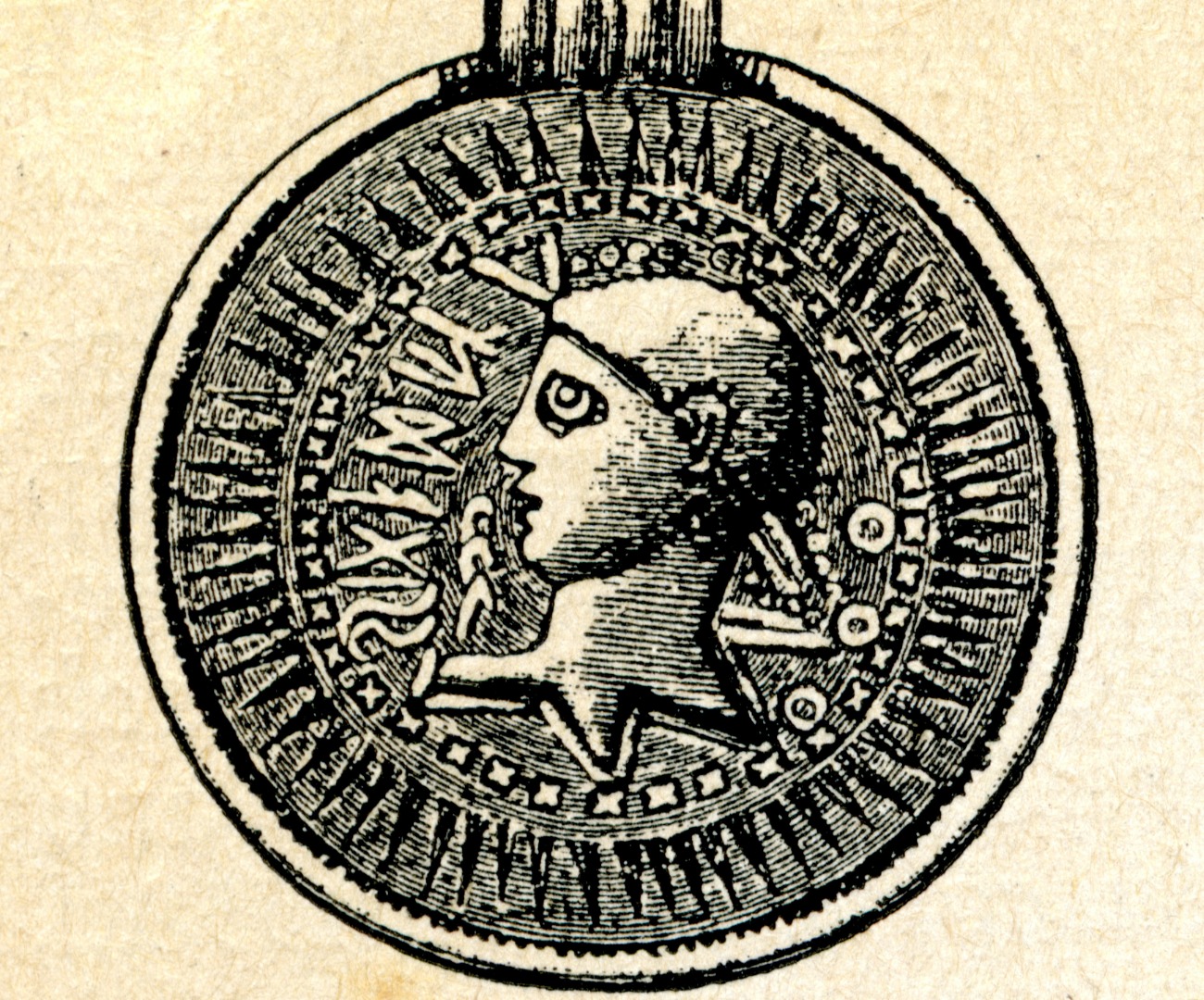
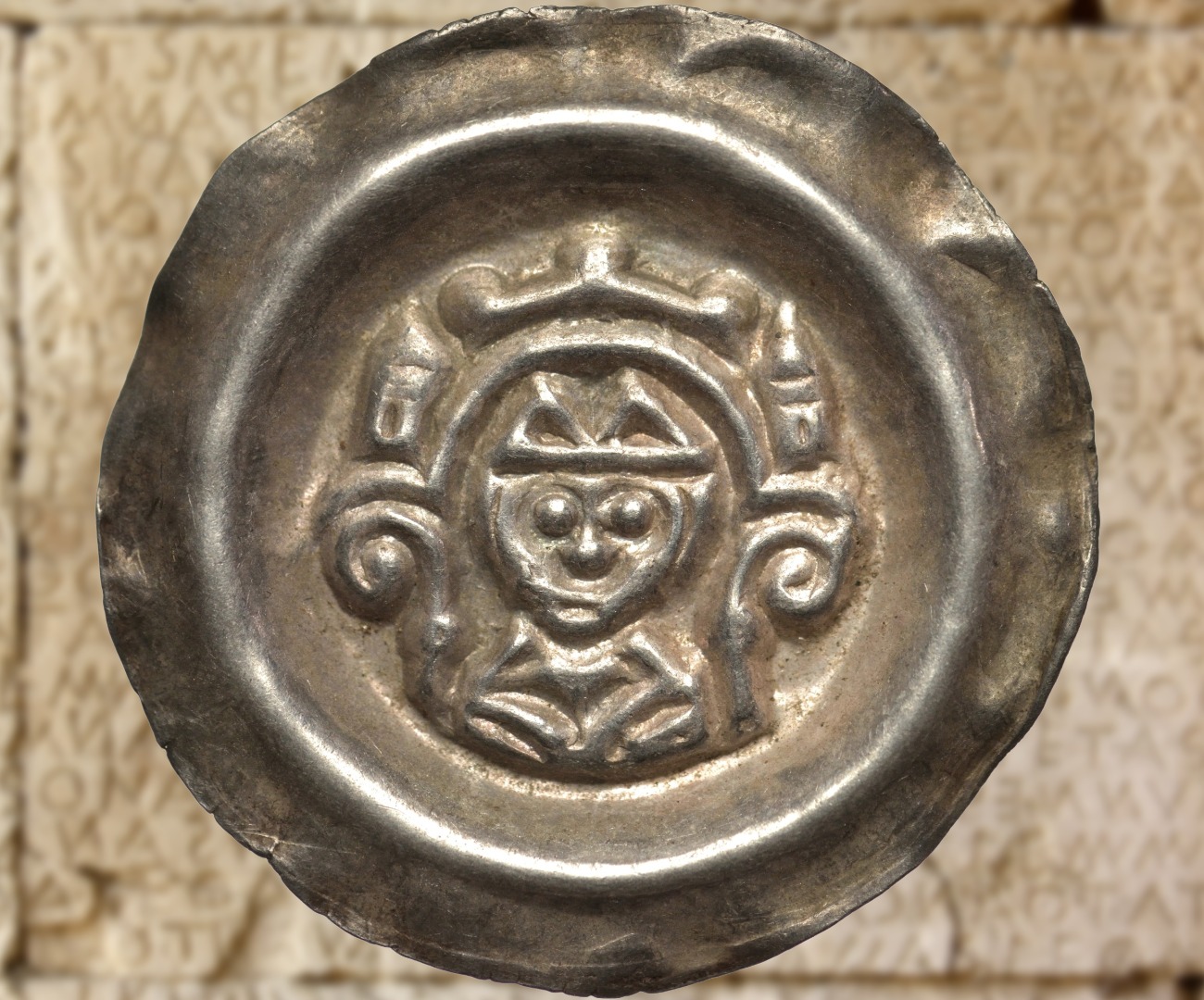
The term Bracteate comes from the Latin bractea, meaning “thin sheet of metal.” These objects are typically less than 2 cm in diameter, very thin, and were made by placing a small gold disk over a carved die (either metal or bone) and hammering the reverse side until the relief design was impressed. They are categorized into several types based on their iconography: A-Bracteates (human face), B-Bracteates (one or more human figures), C-Bracteates (human head over a quadruped, often related to Odin), and D-Bracteates (animal motifs).

Latin: bractea (thin sheet of metal), referring to the object’s physical form.

Gold Disk, Stamped Pendant, Gold Amulet, Migration Period Medal.

Solidus (thick Roman gold coin), Brooch (fastening pin), Fibula (decorative clasp).

Jewelry, Artifact, Numismatics (related to coinage), Regalia.
Historical Context of Bracteate
The production of Bracteates was highly concentrated in Scandinavia (Denmark, Sweden, Norway) and parts of Germany between the late 5th and early 7th centuries CE, a period known as the Germanic Iron Age or Migration Period. Their development reflects local rulers adopting the prestige and technology of Roman coinage—specifically, the portrait medallion—but substituting classical imagery with their own mythological and religious motifs. Their widespread distribution suggests they were status symbols, perhaps functioning as badges of allegiance or diplomatic gifts.
Social Context of Bracteate
The Bracteates were prestigious objects, likely reserved for the elite warrior class and their families. Their primary function appears to have been amuletic (protective or magical), given the strong mythological and runic content. The ability of a local chief to commission and distribute these gold objects served as a public, monumental demonstration of wealth, alliance with Roman power (via the gold source), and alignment with powerful pagan deities.
| Area of Influence | Significance and Impact |
| Pagan Iconography | They provide unique visual sources for reconstructing pre-Christian Nordic and Germanic mythology. |
| Linguistic Evidence | The runic inscriptions offer some of the most important, direct textual evidence of early Germanic language. |
| Status Symbol | As they were made of gold and required specialized artistry, they conferred high status on the wearer. |
| Trade and Diplomacy | Their manufacture required Roman gold imports. This reflects the complex economic and political relationship with the collapsing Empire. |
Terms Related to Bracteate
The study of Bracteates involves terminology related to their manufacture, period, and artistic style. This provides essential context for Migration Period art. This provides a clearer view of the technical framework surrounding early medieval goldwork.
| Term/Concept | Description and Relevance |
| Repoussé | The metalworking technique used to form the relief image. It involves hammering the metal from the reverse side. |
| Animal Style | The characteristic art style of the period. This features interlacing zoomorphic (animal) motifs found on many Bracteates. |
| Elder Futhark | The oldest form of the runic alphabet. This is the script used for the inscriptions found on the Bracteates. |
| Solidus | The Roman gold coin. This was melted down to provide the raw material for the Bracteates. |
| Migration Period | The historical era (c. 400–700 CE). This is the time when they were widely produced and used. |
| Die | The mold, often carved from bone or antler. This was used to stamp the design onto the thin gold sheet of the Bracteate. |
Sources & Credits
Sources
- Hines, J. “The Scandinavian Character of the Bracteate Corpus.” Boydell Press, 2002. [Historical source]
- Arrhenius, B. “The Significance of the Goldsmiths’ Work on the Relief Bracteates.” Medieval Archaeology, 1985. [Historical source]
- “Bracteate.” Oxford Dictionary of Archaeology. [Definition site]
- The National Museum of Denmark. “Gold Bracteates and Runes.” Online Collection Notes. [Museum site]
- Gaimster, M. “The Place of Bracteate in Anglo-Saxon Archaeology.” Medieval Archaeology, 1996. [Historical source]