Table of Contents: Definition – Aquae Sextiae
“Aquae Sextiae”
Pronunciation: /ˈækwæ ˈsɛkstiːeɪ/ (AK-way SEK-stee-ay)
Part of Speech: Proper Noun
Aquae Sextiae Definition (Historical and Geographical Context)
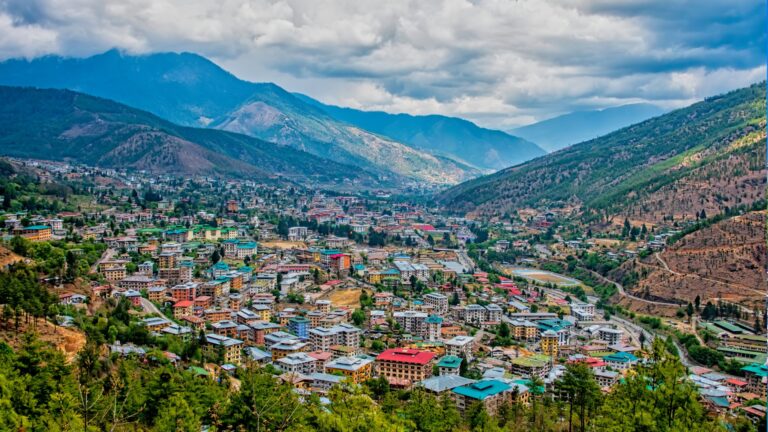
Aquae Sextiae was the first permanent Roman settlement in Transalpine Gaul. It was established in 123 BCE by the Roman consul Gaius Sextius Calvinus. The settlement quickly became an important military and administrative center. Its name, meaning “Waters of Sextius,” referred to the local hot springs. The city is the modern-day Aix-en-Provence in southern France.
Origin of the Word “Aquae Sextiae”
The name is derived directly from Latin. Aquae means “waters,” a reference to the sulfurous hot springs found in the area. Sextiae honors the founder, Gaius Sextius Calvinus. The name thus memorialized both the founder and the town’s most notable natural feature.
Examples:
General Use: “In addition, the Roman army established a fortified base at Aquae Sextiae after defeating local tribes.”
Historical Context: “Similarly, the town is famous as the site of a major Roman victory over the Teutones and Cimbri in 102 BCE.”
Archaeological Context: “Consequently, archaeologists have excavated Roman bath remains in modern Aix-en-Provence.”
Geographical Context: “Moreover, the settlement was strategically located on a key route toward Hispania (Spain).”
Vocabulary and Language Resources
Terms Related to Aquae Sextiae
- Transalpine Gaul: Roman name for the area of Gaul across the Alps, now mostly modern France.
- Gaius Sextius Calvinus: The Roman consul who founded the settlement, for example.
- Teutones and Cimbri: Germanic tribes defeated by the Romans nearby in 102 BCE.
- Consul: One of the two chief magistrates of the Roman Republic.
- Aix-en-Provence: The French city that occupies the site today.
- Hot Springs: The natural feature that gave the site its Latin name.
Etymology
Aquae: From Latin aqua (water).
Sextiae: The feminine plural form of the Roman family name Sextius.
Synonyms
Aix-en-Provence (modern name), Sextius’ Waters, Roman Gaulish settlement.
Antonyms:
Massilia (a Greek rival city), Lugdunum (a later, more important Roman city).
Thesaurus
Settlement, outpost, colony, municipality, town, spa, fortress.
Aquae Sextiae Historical & Cultural Context:
The foundation of the site marked the beginning of sustained Roman control in Gaul. Before its establishment, Roman influence was limited to the coastal areas. The initial foundation secured the trade route to Roman colonies in Spain. The Battle of Aquae Sextiae (102 BCE) was critical. Gaius Marius achieved a decisive victory against invading Germanic tribes there. This victory saved Italy from invasion and secured the town’s place in Roman history.
Principles or Key Aspects of Aquae Sextiae:
- First Roman Colony: It holds the distinction of being the original permanent Roman foothold in Gaul.
- Strategic Location: The town controlled a crucial corridor between Italy and Spain.
- Military Importance: It was the site of a major battle that preserved the Roman Republic.
- Natural Resources: The presence of hot springs contributed to its initial development.
- Modern Continuity: The modern city remains an important cultural and regional center.
Ethical Considerations for Aquae Sextiae:
- Cultural Overlap: Study of the site must recognize the displacement of the native Celtic-Ligurian population.
- Archaeological Access: Extensive modern construction limits access to the deepest Roman levels.
- Heritage Management: Balancing the preservation of Roman ruins with the needs of a modern city is difficult.
- Battle Site: The battlefield remains should be treated with respect for the immense human loss on both sides.
Relevance to Ancient Worlds
Aquae Sextiae is crucial for understanding ancient worlds because it:
- Begins Romanization: Marks the starting point for Roman political and cultural influence in Gaul.
- Secured Rome: Its battle site prevented a major Germanic migration into Italy.
- Demonstrates Strategy: Shows the Roman practice of founding towns near valuable natural resources.
- Aids Topography: Helps chart the expansion of the Roman network of roads and settlements.
- Illustrates Naming: Provides a clear example of Roman foundation naming conventions.