“Barrow”
Pronunciation: /ˈbæroʊ/ (BA-roh)
Part of Speech: Noun (Plural)
Quick Definition: A mound of earth or stone constructed over one or more graves, serving as a permanent funeral monument.
General Use: “The archaeologists excavated the large Bronze Age Barrow on the hilltop. Consequently, they discovered a central primary burial accompanied by rich grave goods, indicating a person of high status.”

The Sutton Hoo Helm – While the ship burial at Sutton Hoo was initially mistaken for a natural mound, the elaborate grave goods recovered, including the monumental Anglo-Saxon helmet, underscore the high artistic and symbolic value placed within the Barrow burials.

Chronological Reuse – Many ancient Barrows were not single-use monuments. Over centuries, later cultures or families often inserted secondary burials into the sides of the original mound, creating a hidden, complex chronological sequence within the seemingly uniform structure.
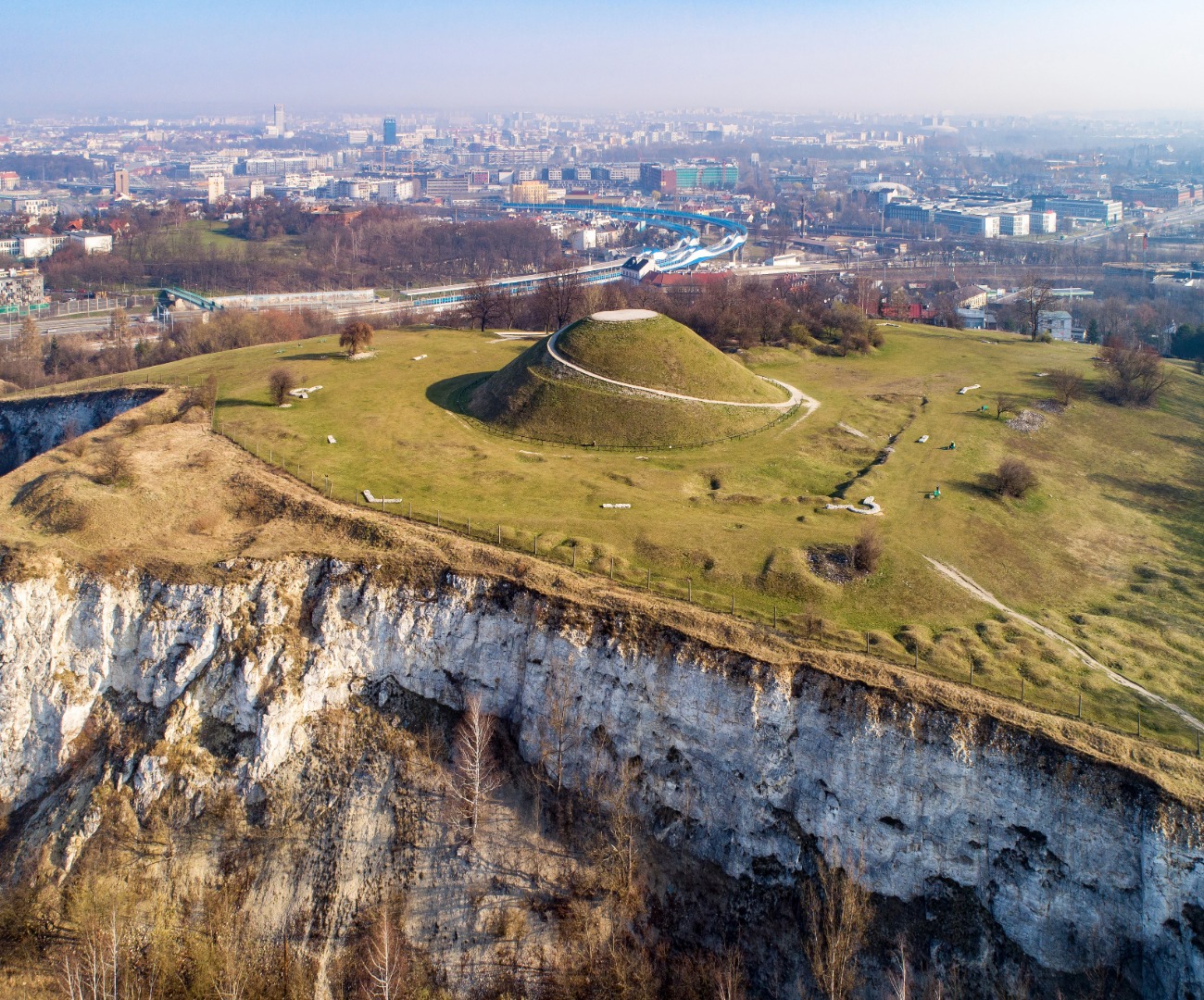
Territorial Markers – In addition to serving as graves, large, prominent Barrows were strategically placed on skylines. This made them visible across the landscape, effectively acting as monumental prehistoric markers claiming territory or lineage rights.
Did you know?
The dimensions and shape of a Barrow vary greatly across time and geography, ranging from simple circular mounds to long, linear earthen structures (long barrows) and elaborate chambered tombs (cairns). The diversity of their forms reflects different social structures and cosmological beliefs regarding death and the afterlife across Europe and beyond.
Barrow Definition (Primary Context)
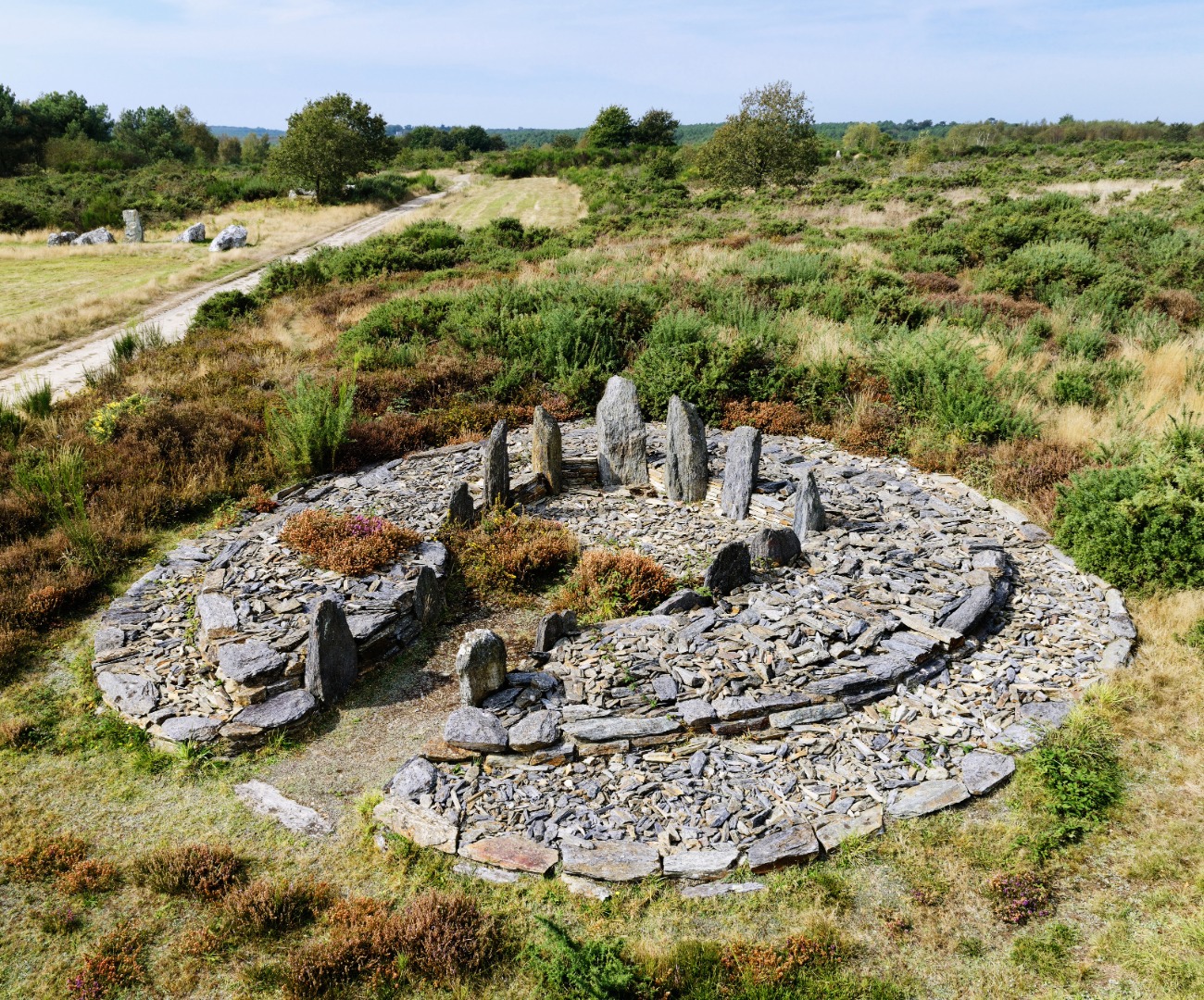
A Barrow, or tumulus, is an earthwork constructed specifically to enclose and monumentalize a burial context. Archaeologists classify them based on their shape and internal structure. Long Barrows are typically Neolithic and communal, featuring internal stone chambers (megaliths). Round Barrows are characteristic of the later Bronze Age and often contain individual burials (or cists), sometimes associated with an inner ring ditch or perimeter fence. The material used, whether earth or stone (cairn), depended heavily on local geology.

Old English: bearg or beorg, meaning “hill,” “mountain,” or “mound,” referring to the artificial elevation.

Tumulus, Burial Mound, Cairn (stone barrow), Kurgan (specific Eurasian type).

Flat Grave, Cemetery (unmounded burial area), Cremation Pit (lacking a mound).

Monument, Earthwork, Grave, Memorial.
Historical Context of Barrow
The construction of monumental Barrows began in the Neolithic period (c. 4500 BCE) with the great long barrows of Western Europe, which often housed the remains of dozens of individuals. The practice reached its peak during the Bronze Age (c. 2500–800 BCE), where round barrows became a widespread feature across Europe and Asia, often marking the resting places of elite individuals. The tradition continued sporadically into the Iron Age and the early medieval period (e.g., the Scandinavian kurgans and Anglo-Saxon ship burials), before being largely replaced by churchyard burials following the rise of Christianity.
Social Context of Barrow
The scale of effort required to build a Barrow—often involving moving thousands of cubic meters of material—signifies its profound social importance. The creation of such a visible, permanent marker was a public assertion of a community’s control over the land and its connection to powerful ancestors. Therefore, the size and the richness of the grave goods within the mound served as a clear indicator of the social hierarchy and the wealth accumulated by the deceased or their lineage.
| Area of Influence | Significance and Impact |
| Ancestor Veneration | The mound was a focus for ceremonies and offerings. This maintained the spiritual and social bond between the living and their ancestors. |
| Social Status | The complexity and sheer size of the Mound directly reflected the political and economic importance of the person interred. |
| Labor Organization | Building the earthwork required the coordinated labor of a community. This provides evidence of significant social cohesion. |
| Religious Beliefs | The orientation of the mound and the specific artifacts included in the grave goods offer clues regarding beliefs about the afterlife. |
Terms Related to Barrow
The analysis and classification of a Barrow involve several specific terms related to prehistoric burial architecture and practice. This provides essential context for funerary archaeology. This provides a clearer view of the architectural framework surrounding ancient burial monuments.
| Term/Concept | Description and Relevance |
| Tumulus | A synonym for barrow. This is the Latin term often preferred in continental European archaeology. |
| Cairn | A barrow primarily built using stone instead of earth. This is typical in mountainous or rocky regions. |
| Long Barrow | A Neolithic-era barrow characterized by an elongated, non-circular plan. This typically housed multiple burials. |
| Cist | A small stone-lined box or chamber. This is used to hold the corpse or cremated remains within a round barrow. |
| Grave Goods | Objects placed alongside the body in the barrow. These artifacts were intended for the deceased‘s use in the afterlife. |
| Kurgan | A large, often circular Mound associated with nomadic cultures. This is typical of the Pontic-Caspian steppe and Eurasia. |
Sources & Credits
Sources
- Darvill, T. “Prehistoric Britain.” Batsford, 2011. [Historical source]
- Renfrew, C., and P. Bahn. “Archaeology: Theories, Methods, and Practice.” Thames & Hudson, 2016. [Historical source]
- “Barrow.” Oxford Dictionary of Archaeology. [Definition site]
- The British Museum. “Prehistoric Burial Monuments.” Collection Notes. [Museum site]
- Cunliffe, B. “Iron Age Communities in Britain.” Routledge, 2005. [Historical source]