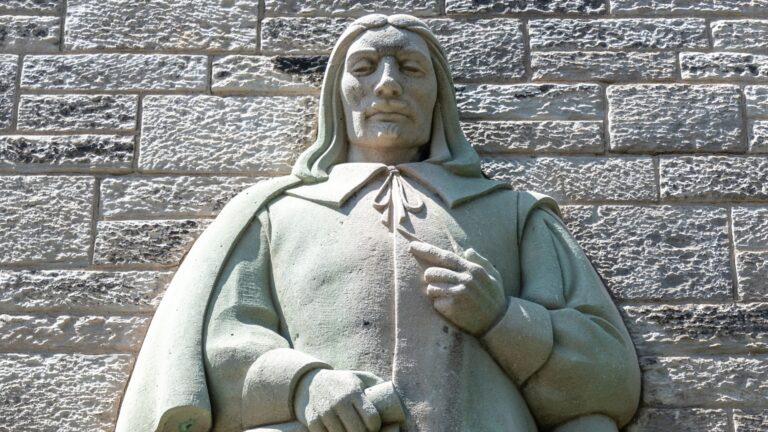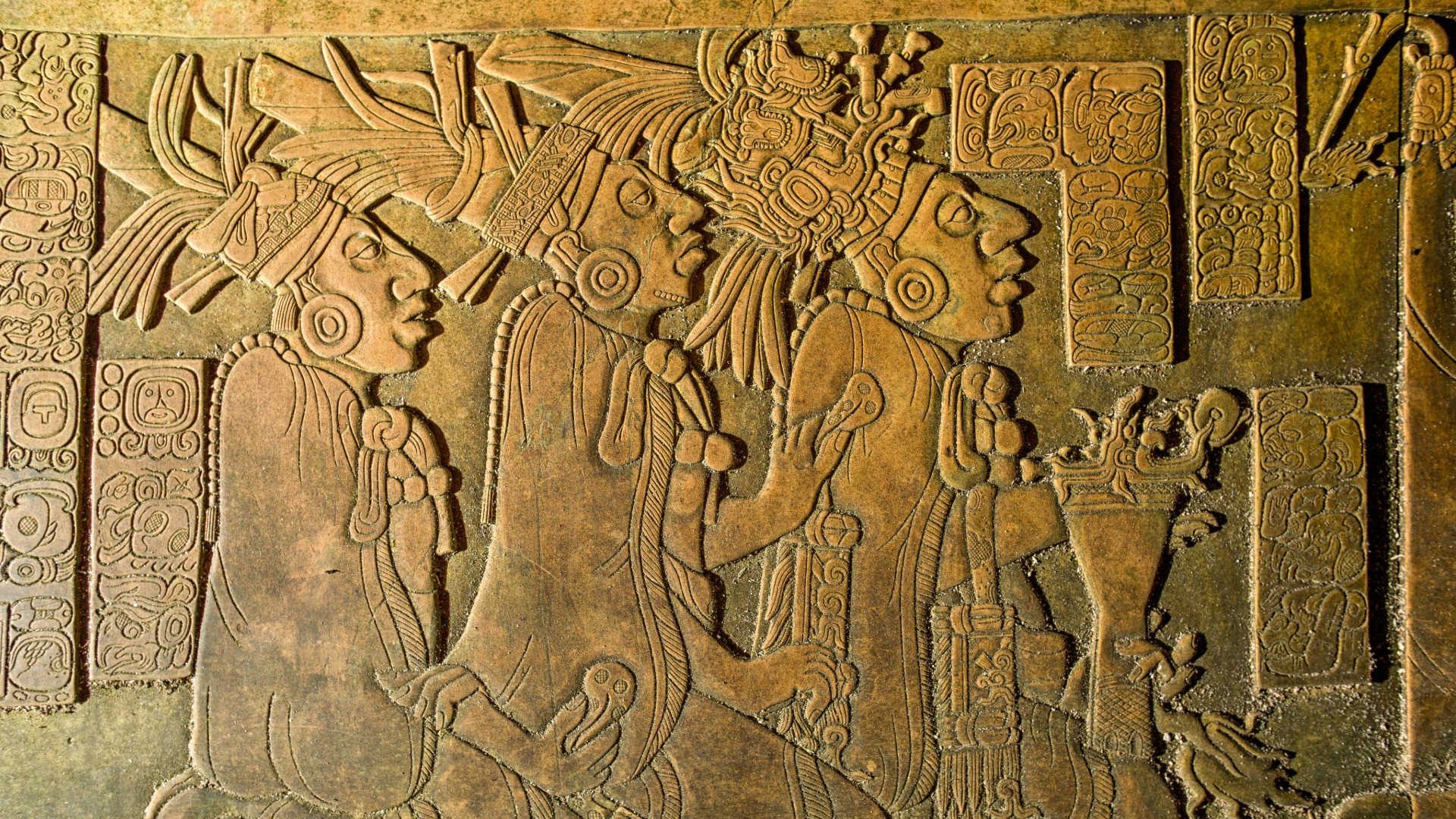
“Bas-Relief”
Pronunciation: /ˌbɑːrɪˈliːf/ (bah-ri-LEEF)
Part of Speech: Noun
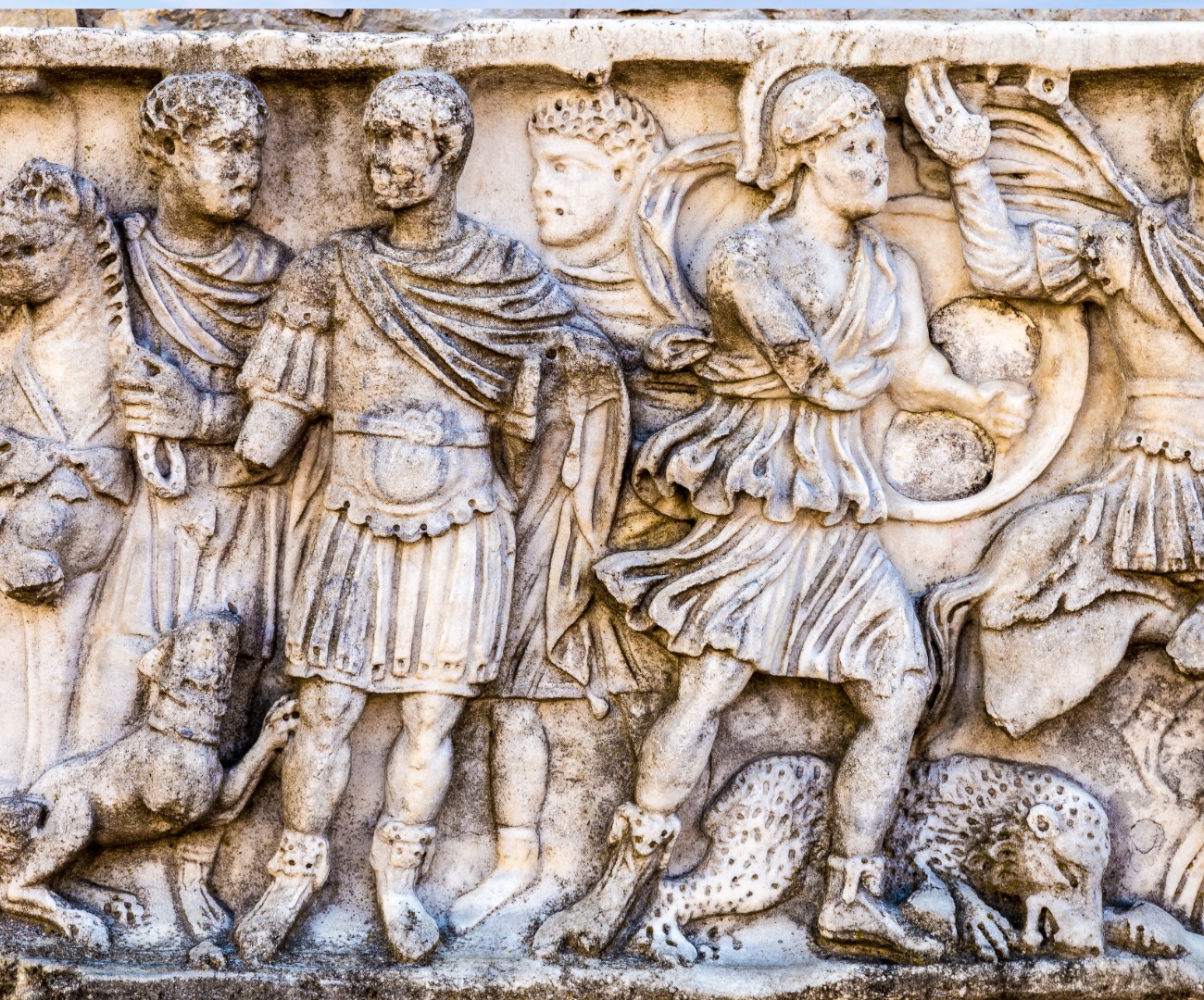
Quick Definition: A sculptural technique in which the projection of the figures from the background is minimal, creating a subtle three-dimensional effect.
General Use: “The Assyrian artists used the Bas-Relief technique extensively to depict detailed hunting scenes and military triumphs on the palace walls. Consequently, this created a long, continuous narrative that could be easily viewed.”

The Parthenon Frieze – This iconic example is the most monumental execution of Bas-Relief in classical Western art. The figures are carved only a few inches deep but appear to be in full, natural movement due to the subtle use of internal modeling.

Illusion of Depth – The hidden genius of Bas-Relief lies in its use of perspective. Artists often carve the furthest elements into the background surface and the closest elements slightly more forward. This creates a compelling illusion of depth without requiring significant carving.
Coins and Seals – The technique is universally used in numismatics. The designs on nearly all coins and medals are executed in Bas-Relief because the minimal projection allows the pieces to be stacked without damaging the monumental artwork.
Did you know?
Bas-Relief is one of three main types of relief sculpture, distinguished by depth. It is less projecting than mid-relief and much less projecting than alto-relievo (high relief), where figures are almost detached from the background. The shallow depth of Bas-Relief requires less material and less carving time, making it an economically efficient choice for large-scale narrative decoration.
Bas-Relief Definition (Primary Context)
Bas-Relief (or basso-relievo in Italian) is a sculpting method where the subject matter is raised from the background surface to a limited extent, typically less than half of the natural depth. The technique relies heavily on the use of outlines and subtle changes in surface height to convey detail and form. Because the figures are close to the background plane, they catch light differently than high relief, often making them highly visible even from a distance. The technique is particularly effective for large-scale storytelling, such as historical or mythological processions.

French: bas (low) + relief (raised work), directly translating to “low relief.”

Low Relief, Basso-Relievo (Italian), Plano-Relief.

Alto-Relievo (High Relief), Sunken Relief (coelanaglyph), Sculpture in the Round.

Sculpture, Carving, Frieze, Relief Art.
Historical Context of Bas-Relief
The Bas-Relief technique has been utilized since antiquity across diverse cultures. Ancient Egyptian artists perfected a form of low relief, though they also used sunken relief. In Mesopotamia and Assyria, Bas-Relief was the primary artistic medium for decorating the walls of royal palaces, documenting historical events, and displaying royal power. The classical Greeks used it for decorative architectural friezes, while Roman artists used it extensively on sarcophagi and triumphal columns (like Trajan’s Column), often employing continuous narrative to recount military campaigns.
Social Context of Bas-Relief
Due to its legibility, durability, and capacity for extended narrative, Bas-Relief served as a major medium for public communication and propaganda in ancient empires. By carving stories of divine protection, successful hunts, or military victories onto public buildings, rulers visually reinforced their authority and legacy. Therefore, the widespread use of Bas-Relief made history and mythology accessible to a largely non-literate populace.
| Area of Influence | Significance and Impact |
| Architectural Decoration | It is ideal for continuous narrative bands (friezes) that wrap around temples, like the Greek Parthenon. |
| Propaganda | The technique was used by Assyrian and Roman Emperors. This displayed their power and military might on palace and public structures. |
| Material Efficiency | It requires less stone to be removed than high relief. This makes the process more efficient for massive architectural projects. |
| Public Narrative | The durable, readable nature of the carving allowed the permanent visual recounting of historical or religious events. |
Terms Related to Bas-Relief
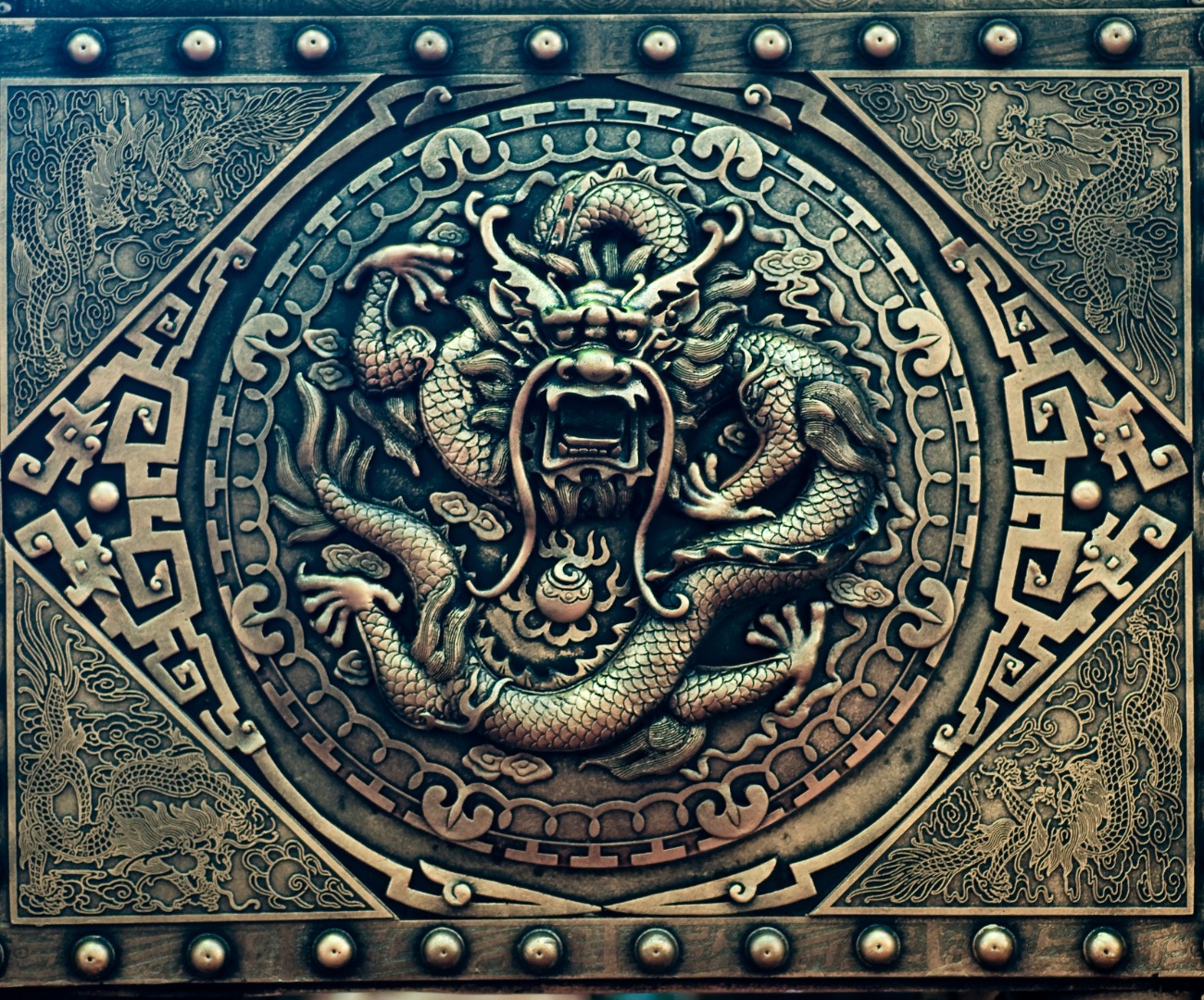
The understanding of Bas-Relief requires knowledge of the various types of relief sculpture and related carving techniques. This provides essential context for sculptural analysis. This provides a clearer view of the technical framework surrounding relief art.
| Term/Concept | Description and Relevance |
| Alto-Relievo | High relief. The figures project more than half of their natural circumference and are often almost fully detached. |
| Sunken Relief | Also known as coelanaglyph. The carving is sunk below the surface plane of the material (primarily used in ancient Egypt). |
| Frieze | A long, narrow band of sculpture. This is the architectural element most commonly decorated with Bas-Relief. |
| Schiacciato | A very shallow form of Italian Renaissance Bas-Relief. This uses linear etching to create an illusion of depth. |
| Sculpture in the Round | A free-standing sculpture. This is completely detached from any background plane. |
| Modeling | The subtle shaping and rounding of the surface within the shallow depth. This gives the Bas-Relief its lifelike appearance. |
Sources & Credits
Sources
- Honour, H., and J. Fleming. “A World History of Art.” Laurence King Publishing, 2005. [Historical source]
- Boardman, J. “Greek Sculpture: The Classical Period.” Thames & Hudson, 1985. [Historical source]
- “Bas-Relief.” The Getty: Union List of Artist Names (ULAN). [Definition site]
- The Louvre Museum. “Assyrian Palace Reliefs.” Collection Notes. [Museum site]
- Rich, D. E. “Sculpture and Reliefs.” Bulletin of the Museum of Fine Arts, Boston, 1941. [Historical source]