“Bog Body”
Pronunciation: /bɒɡ ˈbɒdi/ (BOG BOD-ee)
Part of Speech: Noun
Quick Definition: A human corpse naturally preserved in a peat bog environment, typically from prehistoric or Iron Age Europe.
General Use: “The discovery of the Bog Body in the Danish peat marsh provided archaeologists with unprecedented insight into the clothing and violent sacrificial rituals of Iron Age people. Consequently, the soft tissues were preserved almost intact.”

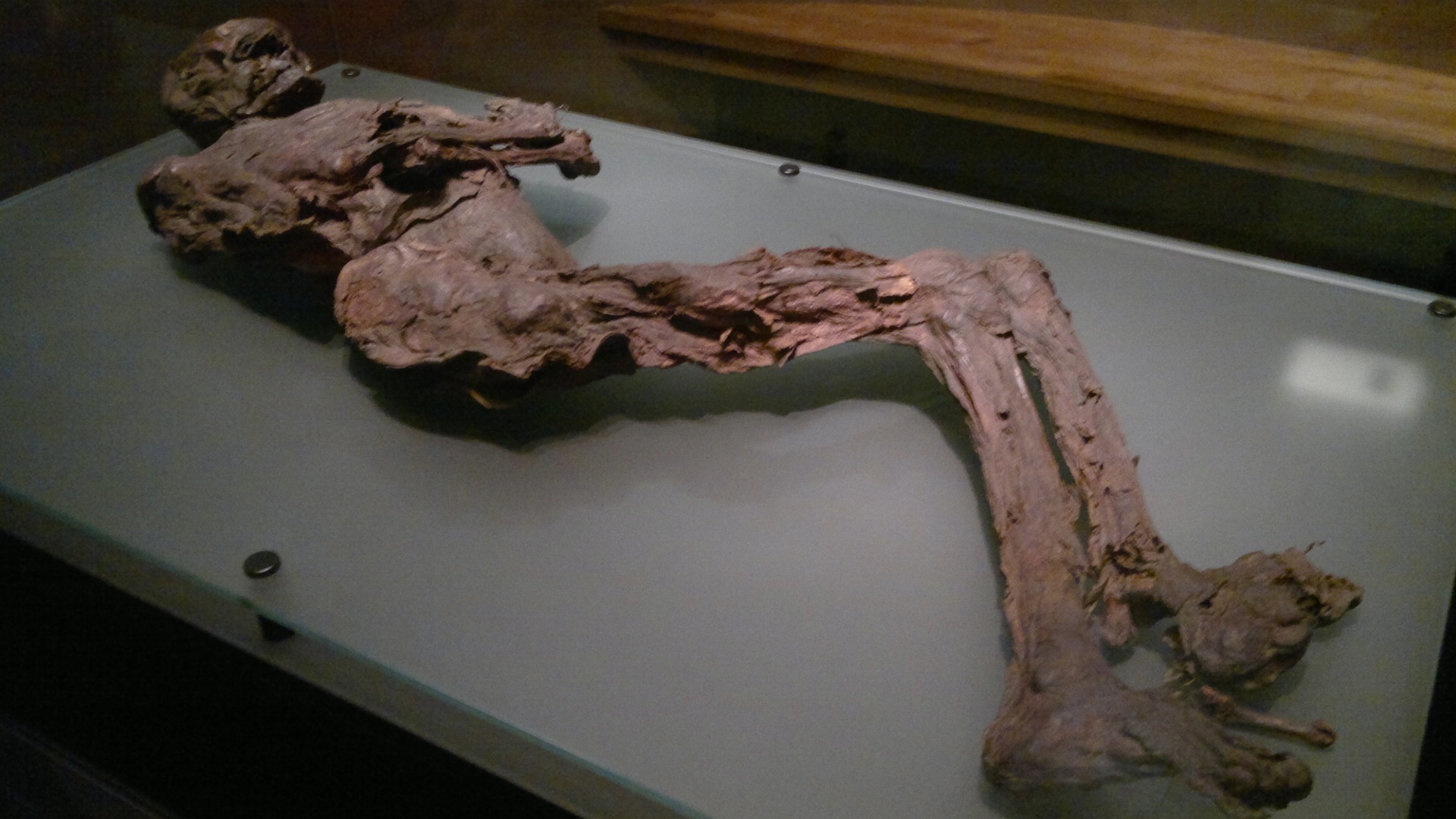
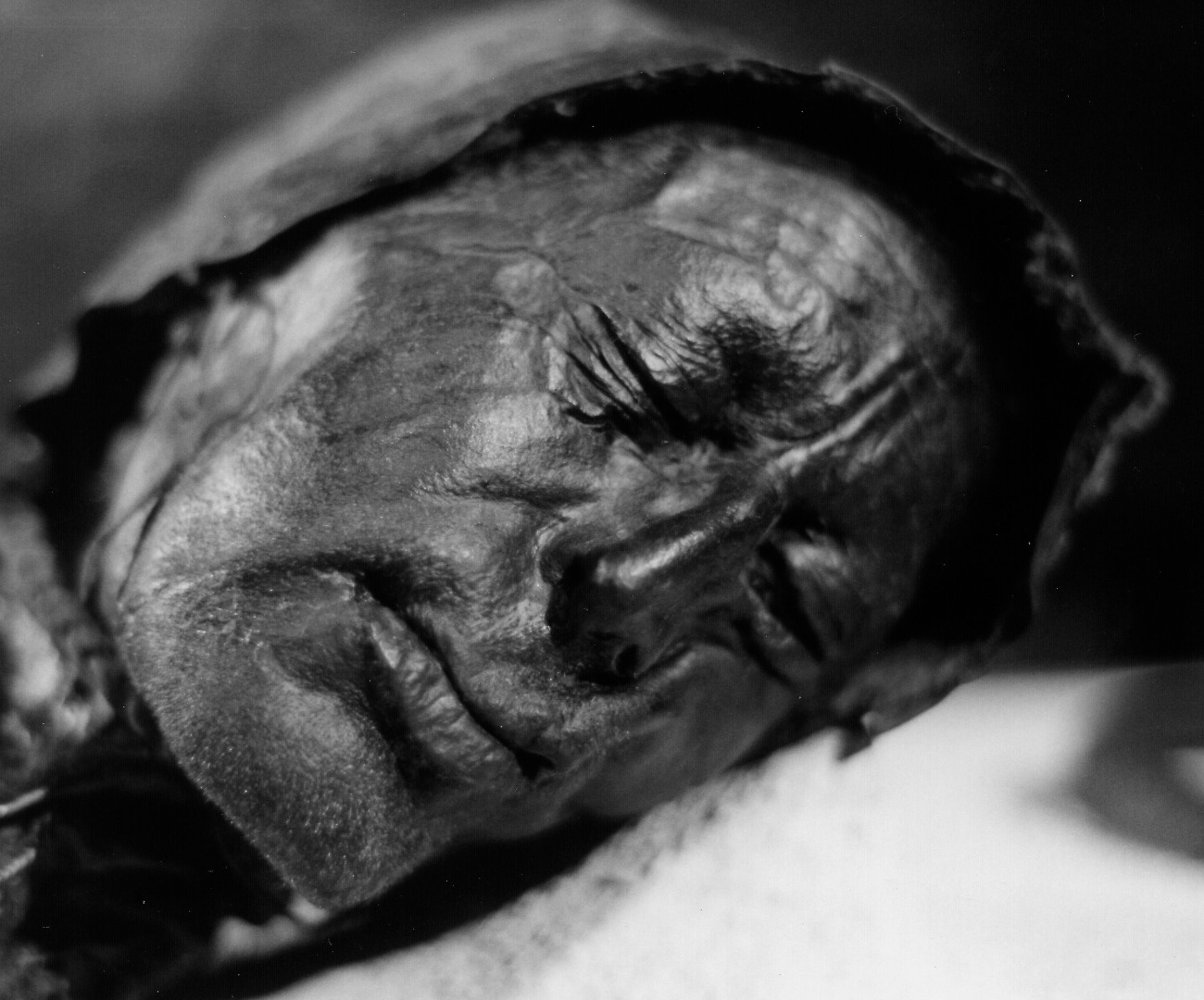
The Tollund Man Visage – The most monumental artistic feature is the preserved skin and facial features of individuals like the Tollund Man. These provide a direct, hauntingly preserved image of Iron Age individuals unlike any other ancient remains.

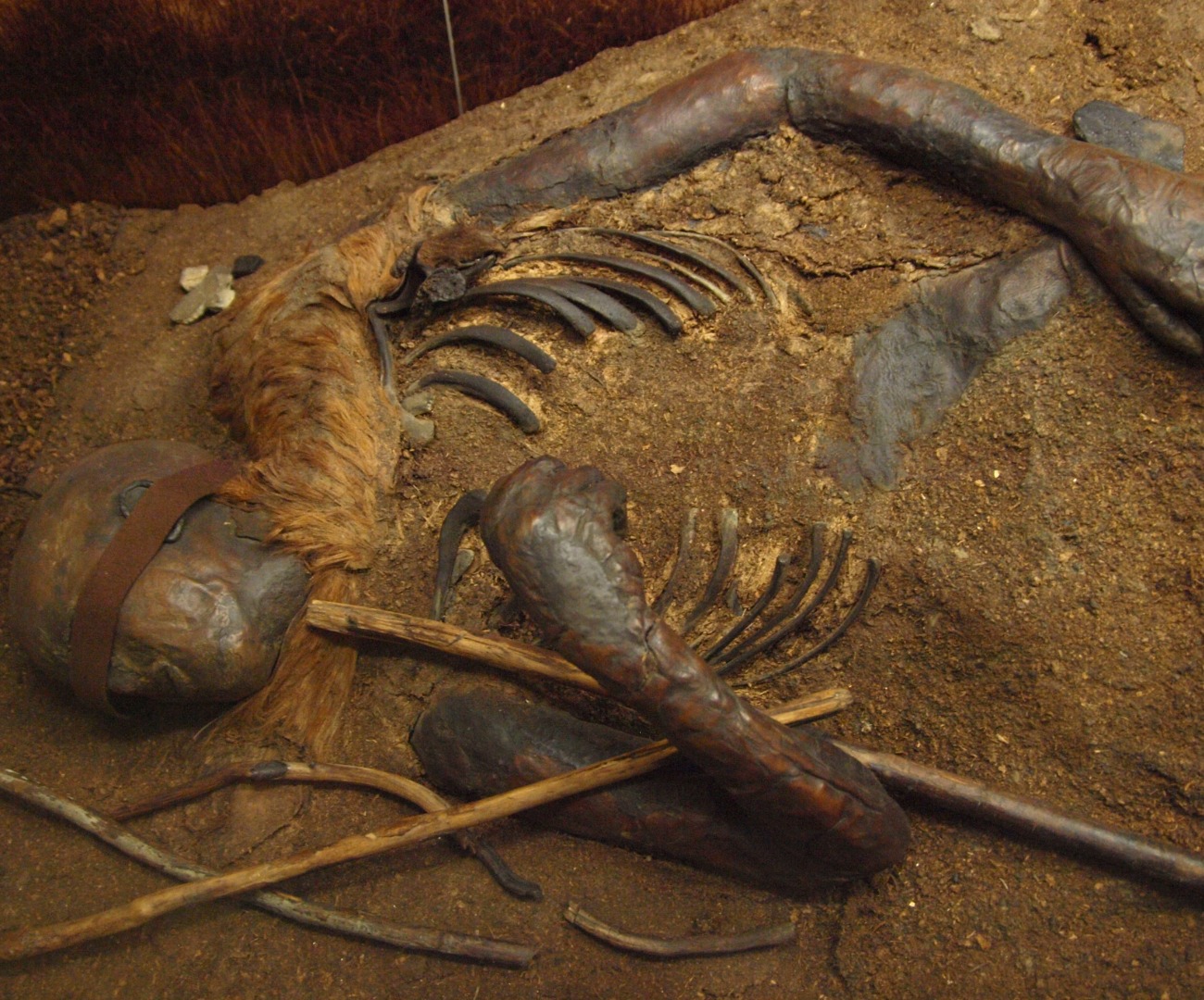
The Red Stain – Many bodies appear to have been wrapped in or placed on textiles that have stained their skin. However, the skin’s brown or red discoloration is actually a natural chemical reaction to the tannins and acids concentrated in the peat environment.
A Ritual Killing – Analysis of many well-preserved Bog Bodies shows evidence of violent death. This includes throat-slitting, garroting, or blunt force trauma, providing monumental evidence of Iron Age ritualistic sacrifice or execution.
Did you know?
The exceptional preservation of a Bog Body is due to a rare combination of environmental factors. The water must be cold, highly acidic (low pH), and, most critically, anaerobic (lacking oxygen). These conditions prevent the growth of bacteria and the chemical breakdown of soft tissues, resulting in a preservation method distinct from desiccation (dry) or freezing.
Bog Body Definition (Primary Context)
A Bog Body is a corpse naturally preserved through sphagnum moss and peat decomposition. Peat bogs create an ideal, if unusual, environment for mummification. The moss releases sphagnan, a substance that acidifies the water and creates an anaerobic condition. While soft tissues like skin and hair are often well preserved, the acidic conditions typically dissolve calcium, leading to the decalcification of the bones. Therefore, the resulting Bog Body often has soft tissue that appears dark, leathered, and highly compressed.

English: Compound of bog (wet, muddy ground) and body (corpse), describing the preservation location and the material.

Peat Bog Mummy, Wetland Mummy, European Mummified Corpse.

Egyptian Mummy (desiccated), Ice Man (frozen).

Mummy, Human Remains, Archaeological Find, Corpse.
Historical Context of Bog Body
The majority of Bog Bodies discovered date from the Iron Age, a period marked by significant social change and, often, ritualized violence in Northern Europe. These finds span a wide geographical area, including Denmark, Germany, the Netherlands, the United Kingdom, and Ireland. While some bodies may be the result of accidental drowning or criminal execution, the positioning, the often-luxurious clothing, and the clear evidence of ritualistic killing suggest many were human sacrifices, perhaps to fertility or war deities mentioned by Roman historians like Tacitus.
Social Context of Bog Body
The intentional placement of a Bog Body into the wetland suggests the bog held a powerful significance—likely viewed as a gateway to the underworld or the realm of deities. The victims, who included both men and women, were often found with personal items or placed in specific poses. Therefore, the study of the Bog Body provides unique, tangible evidence regarding the non-literate religious beliefs, judicial practices, and textile technology of Iron Age societies that otherwise left few written records of their own.
| Area of Influence | Significance and Impact |
| Religious Practice | The evidence of garroting, hanging, or multiple injuries strongly suggests the bodies were ritualistic human sacrifices. |
| Dietary Analysis | Chemical analysis of the hair and stomach contents (the last meal) provides direct evidence of Iron Age subsistence patterns. |
| Textile Technology | The preservation of clothing, caps, and cloaks allows archaeologists to study the quality and complexity of ancient weaving. |
| Judicial Execution | Some individuals were likely executed for crimes. Roman authors documented that certain Germanic tribes would drown traitors in bogs. |
Terms Related to Bog Body
Understanding the unique preservation of a Bog Body requires knowledge of the specialized environment. This provides essential context for the forensic and archaeological analysis. This provides a clearer view of the geological framework surrounding natural mummification.
| Term/Concept | Description and Relevance |
| Peat | Decomposed plant matter (mostly moss). This is the highly acidic material that preserves the body. |
| Anaerobic | An environment lacking oxygen. This condition is crucial because it inhibits the bacteria that cause decomposition. |
| Sphagnum Moss | The type of moss common in bogs. It lowers the pH and contributes to the preservation of the corpse. |
| Mummification | Any process that preserves soft tissue. The cold, acidic bog causes natural chemical mummification. |
| Tannins | Organic compounds present in peat. These chemically “tan” the skin, turning it leathery and dark brown. |
| Tollund Man | A famous Bog Body discovered in Denmark. This serves as a classic example of exceptional preservation. |
Sources & Credits
Sources
- Fischer, C. “Tollund Man: A Sacrifice?” Silkeborg Museum, 2007. [Museum site]
- Van der Sanden, W. “Through Nature to Eternity: The Bog Bodies of Northwest Europe.” Batavian Lion, 1996. [Historical source]
- “Bog Body.” Encyclopædia Britannica. [Definition site]
- Gill-Robinson, H. “The Extraordinary Chemistry of the Bog Body.” Journal of Archaeological Science, 2008. [Historical source]
- Department of Prehistory, National Museum of Ireland. “Irish Bog Bodies Collection.” Conservation Report. [Government institutional body/definition site]
Photo Credits
- By Sven Rosborn – Own work, Public Domain, https://commons.wikimedia.org/w/index.php?curid=4330462
- By Mark Healey – https://www.flickr.com/photos/markjhealey/6039637224/in/photostream/, CC BY-SA 2.0, https://commons.wikimedia.org/w/index.php?curid=16311849
- By Bullenwächter – Own work, CC BY-SA 3.0, https://commons.wikimedia.org/w/index.php?curid=8885644