The development of global architecture, writing systems, and governance can be traced through the physical structures and objects left behind by early societies. Exploring countries that start with I reveals some of the most influential cultural focal points in human history, ranging from ancient river valley civilizations to isolated North Atlantic assemblies. Long before modern registries documented these borders, localized communities recorded their traditions in stone monuments, bronze castings, and early manuscript networks. Analyzing these physical remains provides an objective method for evaluating early engineering, trade routes, and sociopolitical structures.
This directory indexes historical data for countries that start with I, including Iceland, India, Indonesia, Iran, Iraq, Ireland, the Isle of Man, Israel, Italy, and the Ivory Coast. Each profile pairs a structural summary of the nation’s regional development with a standardized reference table detailing its foundational societies, prominent leaders, architectural landmarks, and defining artifacts. To further explore these countries follow the links provided for each country.
Countries That Start With I
🇭🇹 Iceland
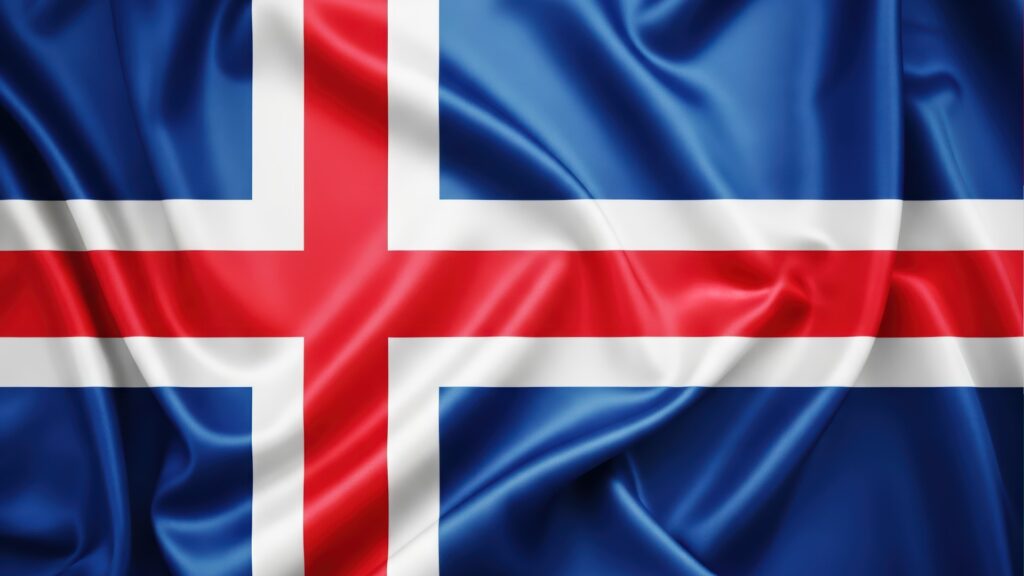
Iceland is an island nation situated in the North Atlantic Ocean, geologically defined by its active volcanic landscapes and glacial terrain. Uninhabited until the late ninth century, it was settled by Norse seafaring clans who established a unique commonwealth independent of European royal courts. In 930 CE, these settlers formed the Althing, one of the world’s oldest surviving parliamentary assemblies, meeting annually on an open-air stone plain. The territory’s early material footprint is characterized by sod walled longhouses and turf roofed timber structures designed for arctic survival. Public archives focus heavily on preserving early runic markers, medieval literary manuscripts, and specialized maritime tool designs.
More
| Civilizations / Societies | Norse Viking Settlements, Icelandic Commonwealth, Kingdom of Denmark |
| Historical Figures | Ingólfr Arnarson, Leif Erikson, Snorri Sturluson |
| Landmarks | Thingvellir National Park (Althing Site), Reykholt Medieval Settlement, Keldur Turf House |
| Artifacts | Flateyjarbók (Medieval Manuscript), Sparlösa-style runic stones, ancient bone sewing needles |
Countries That Start With I
🇮🇳 India
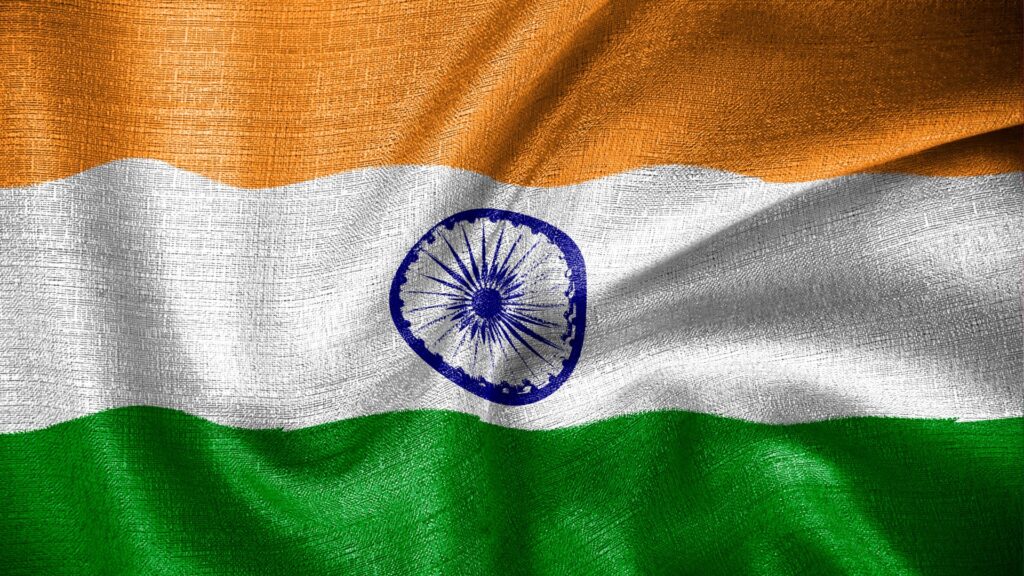
India occupies the vast South Asian peninsula, bounded by the Indian Ocean and the monumental barrier of the Himalayan mountain range. As the cradle of the ancient Indus Valley Civilization, India pioneered early developments in grid based urban planning, standardized weights, and complex sanitation engineering over four millennia ago. Through successive golden ages under powerful dynastic empires, the subcontinent operated as an epicenter for international maritime and overland trade, mathematics, and profound theological systems. Modern institutions focus on protecting its vast physical record, balancing contemporary industrial urbanization with the preservation of its rock cut cave temples, grand dynastic palaces, and immense marble architecture.
More
| Civilizations / Societies | Indus Valley Civilization, Maurya Empire, Gupta Empire, Chola Dynasty, Mughal Empire |
| Historical Figures | Ashoka the Great, Akbar the Great, Mahatma Gandhi, Chhatrapati Shivaji |
| Landmarks | Taj Mahal, Ajanta and Ellora Caves, Khajuraho Monuments, Qutb Minar Complex |
| Artifacts | Lion Capital of Ashoka, Dancing Girl of Mohenjo-daro, Chola Nataraja Bronzes |
Countries That Start With I
🇮🇩 Indonesia
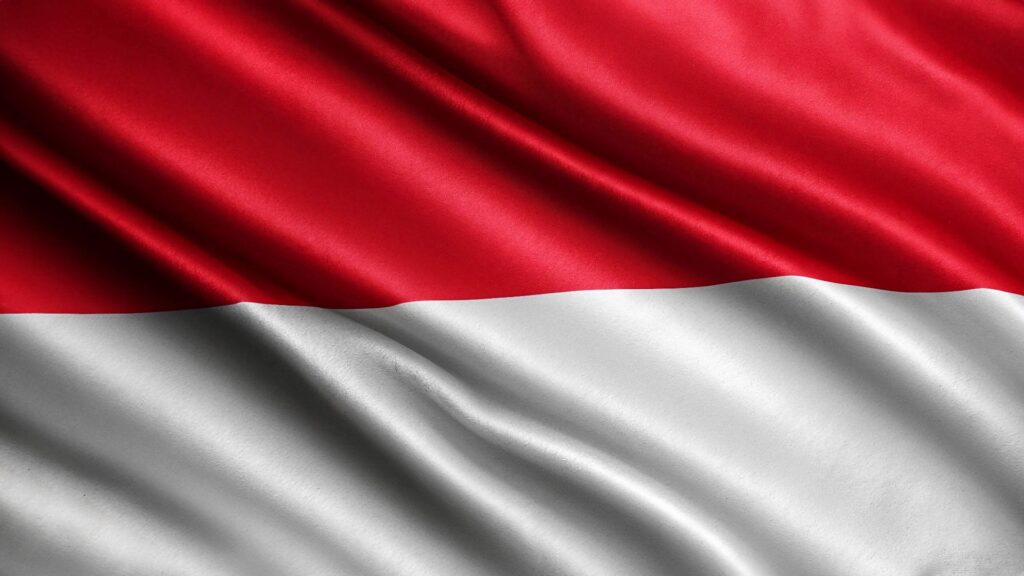
Indonesia forms a sweeping archipelagic nation encompassing thousands of equatorial volcanic islands scattered between the Indian and Pacific oceans. Its strategic maritime channels functioned for millennia as a vital trade crossroads linking China, India, and the West, sparking a rich synthesis of indigenous, Hindu, Buddhist, and Islamic traditions. Powerful early empires amassed immense wealth by controlling the regional spice commerce, constructing monumental stone temples hidden deep within the tropical rainforests. Modern documentation and public registry frameworks prioritize cataloging these vast stone structures alongside the complex textile designs, maritime ship wrecks, and wood carving arts preserved by its diverse island communities.
More
| Civilizations / Societies | Srivijaya Maritime Empire, Majapahit Empire, Mataram Sultanate, Dutch East Indies Colony |
| Historical Figures | Gajah Mada, Hayam Wuruk, Raden Adjeng Kartini, Sukarno |
| Landmarks | Borobudur Buddhist Temple, Prambanan Hindu Temple, Sangiran Early Man Site, Jakarta Old Town |
| Artifacts | Golden Kris daggers, Belitung Shipwreck treasures, Javanese shadow puppets (Wayang Kulit) |
Countries That Start With I
🇮🇷 Iran
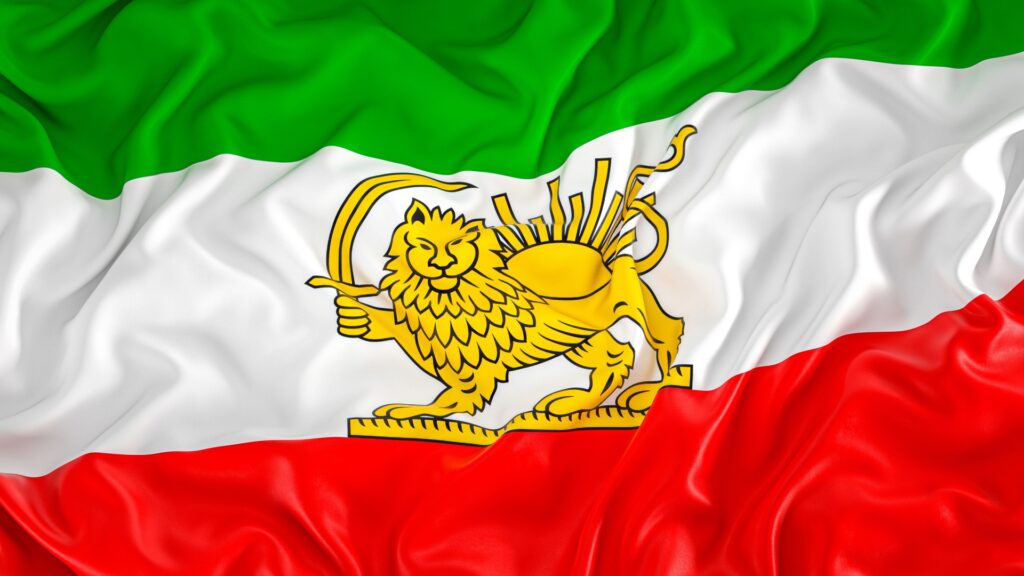
Iran anchors the geologically rugged Iranian Plateau in Western Asia, bridging the Caspian Sea with the strategic waters of the Persian Gulf. As the direct successor to the mighty Achaemenid Persian Empire, the nation pioneered the world’s first centralized administrative provincial model, governed by advanced engineering networks like the Royal Road and sophisticated underground irrigation canals (qanats). Following the integration of Islamic frameworks in the seventh century, Iran operated as a foundational center for mathematical sciences, poetry, and monumental dome architecture. Today, its state repositories focus on documenting its ancient palace cities, exquisite tile work, and deep cuneiform text inscriptions.
More
| Civilizations / Societies | Elamite Kingdom, Achaemenid Empire, Parthian Empire, Sasanian Empire, Safavid Dynasty |
| Historical Figures | Cyrus the Great, Darius the Great, Shah Abbas I, Avicenna |
| Landmarks | Persepolis, Naqsh-e Jahan Square (Isfahan), Pasargadae, Shushtar Historical Hydraulic System |
| Artifacts | Cyrus Cylinder, Oxus Treasure gold relics, Achaemenid silver rhytons |
Countries That Start With I
🇮🇶 Iraq
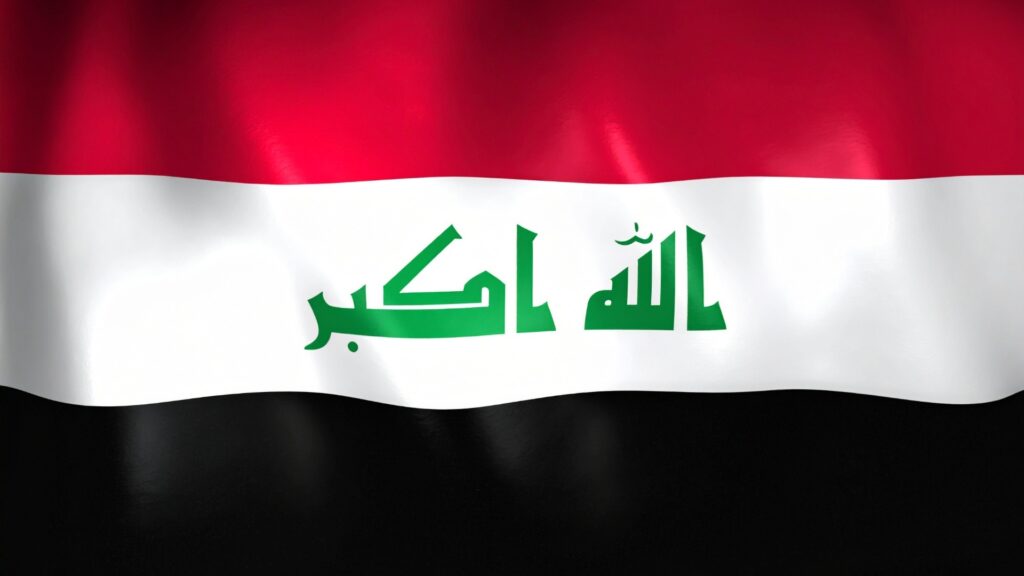
Iraq spans the alluvial plains of the Tigris and Euphrates river systems in the heart of Western Asia, a region universally recognized as Mesopotamia—the cradle of civilization. This fertile territory witnessed the invention of human writing, the earliest codified legal frameworks, and the dawn of monumental urban planning over five millennia ago. Successive Mesopotamian empires developed unprecedented technologies in bronze metallurgy, wheeled transport, and massive mud-brick architectural construction before Baghdad emerged as a medieval global capital of scholarship and science. Modern public institutions navigate immense preservation challenges to catalog and protect its unparalleled mud brick tells, ziggurats, and early stone reliefs.
More
| Civilizations / Societies | Sumerian Civilization, Akkadian Empire, Babylonian Empire, Assyrian Empire, Abbasid Caliphate |
| Historical Figures | Hammurabi, Sargon of Akkad, Nebuchadnezzar II, Harun al-Rashid |
| Landmarks | Ziggurat of Ur, Ancient City of Babylon, Hatra Archaeological Site, Erbil Citadel |
| Artifacts | Code of Hammurabi Stele, Standard of Ur, Lamassu winged bull sculptures |
Countries That Start With I
🇮🇪 Ireland

Ireland is an island nation located in the far northwest of Europe, bounded by the Atlantic Ocean, the Irish Sea, and extensive primeval boglands. Its deep physical record features exceptionally rare Neolithic passage tombs and stone alignments that predate the Egyptian pyramids by centuries. During the early medieval period, Irish monastic settlements isolated on rugged islands became vital hubs for the preservation of Western literature, developing highly intricate metal work and stone carving styles. Following centuries of contested integration into the British Empire, Ireland secured its independence in the early twentieth century. Today, public preservation networks balance a modern tech economy with the careful protection of its Celtic hill forts and monastic ruins.
More
| Civilizations / Societies | Neolithic Atlantic Societies, Gaelic Clan Kingdoms, Lordship of Ireland, Kingdom of Ireland |
| Historical Figures | Brian Boru, Daniel O’Connell, Michael Collins |
| Landmarks | Brú na Bóinne (Newgrange), Rock of Cashel, Skellig Michael Monastic Site, Hill of Tara |
| Artifacts | Book of Kells, Ardagh Chalice, Tara Brooch, prehistoric gold lunulae |
Countries That Start With I
🇮🇲 Isle of Man
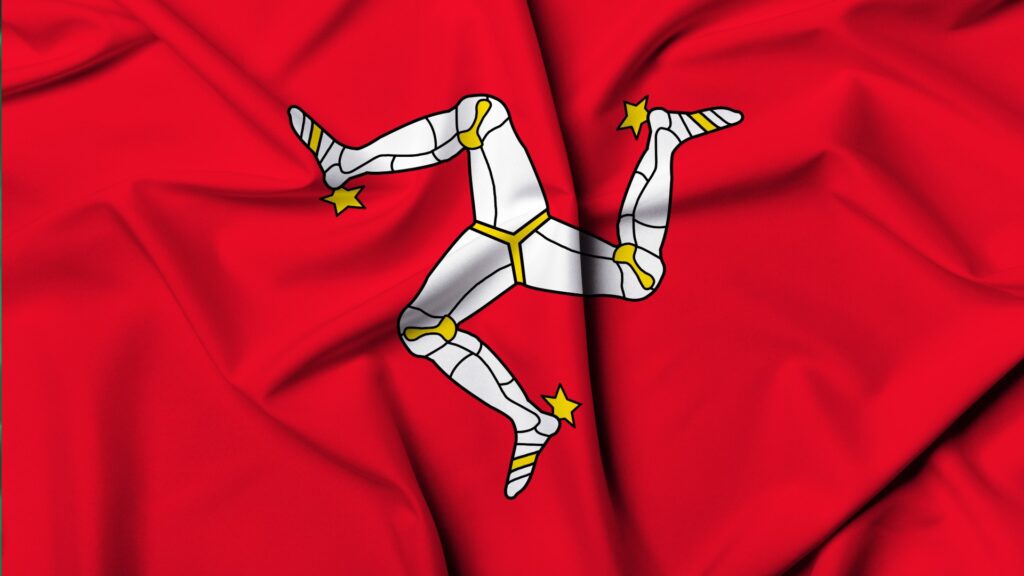
The Isle of Man is a self governing British Crown Dependency located in the geographic center of the Irish Sea, equidistant from England, Scotland, Ireland, and Wales. Bounded by dramatic coastal cliffs and rolling hills, the island features a deeply layered material record left behind by successive Celtic and Norse seafaring cultures. In 979 CE, Norse Viking rulers established Tynwald, the island’s parliament, which operates today as the world’s oldest continuous legislative body. The landscape is punctuated by massive stone castles, defensive fortresses, and early medieval carved stone crosses. Island repositories focus on preserving runic monuments, ancestral maritime tools, and unique Celtic-Norse artistic metal work.
More
| Civilizations / Societies | Celtic Iron Age Tribal Societies, Scandinavian Kingdom of the Isles, English Crown Possession |
| Historical Figures | King Orry (Godred Crovan), Illiam Dhone, Sir William Hillary |
| Landmarks | Castle Rushen, Peel Castle, Tynwald Hill, Laxey Wheel |
| Artifacts | Thorwald’s Cross (Runic Carving), Maughold Stone Crosses, Viking silver coin hoards |
Countries That Start With I
🇮🇱 Israel
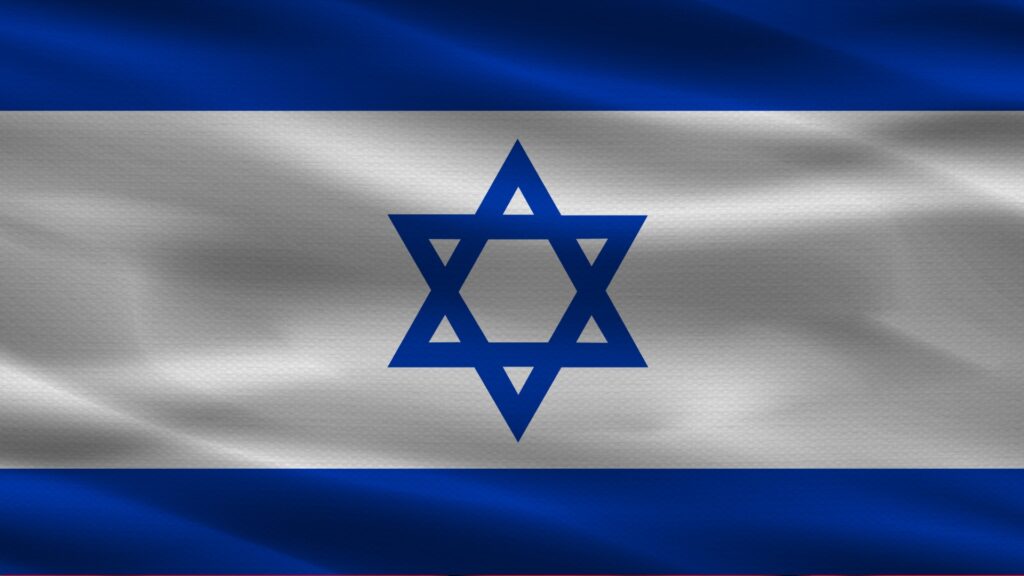
Israel occupies a strategic narrow strip of land along the eastern coastline of the Mediterranean Sea, acting for millennia as a vital land bridge connecting Africa, Asia, and Europe. Its deep past is closely intertwined with the development of early monotheistic faiths and the rise of ancient Israelite kingdoms, drawing continuous military expansions from Egyptian, Assyrian, Babylonian, Roman, and Byzantine empires. The historic city of Jerusalem serves as a major focal point for international fine arts, classical architecture, and profound theological archives. Modern archeological frameworks manage complex public infrastructure while executing large scale excavations of its stone fortresses, Roman aqueducts, and ancient manuscript locations.
More
| Civilizations / Societies | Canaanite City-States, United Kingdom of Israel, Hasmonean Dynasty, Roman Empire, Ottoman Rule |
| Historical Figures | King David, King Solomon, Judah Maccabee, David Ben-Gurion |
| Landmarks | Old City of Jerusalem and its Walls, Masada Fortress, Tel Megiddo, Acre Old City |
| Artifacts | Dead Sea Scrolls, Tel Dan Stele (House of David inscription), ancient Judean clay seal impressions |
Countries That Start With I
🇮🇹 Italy
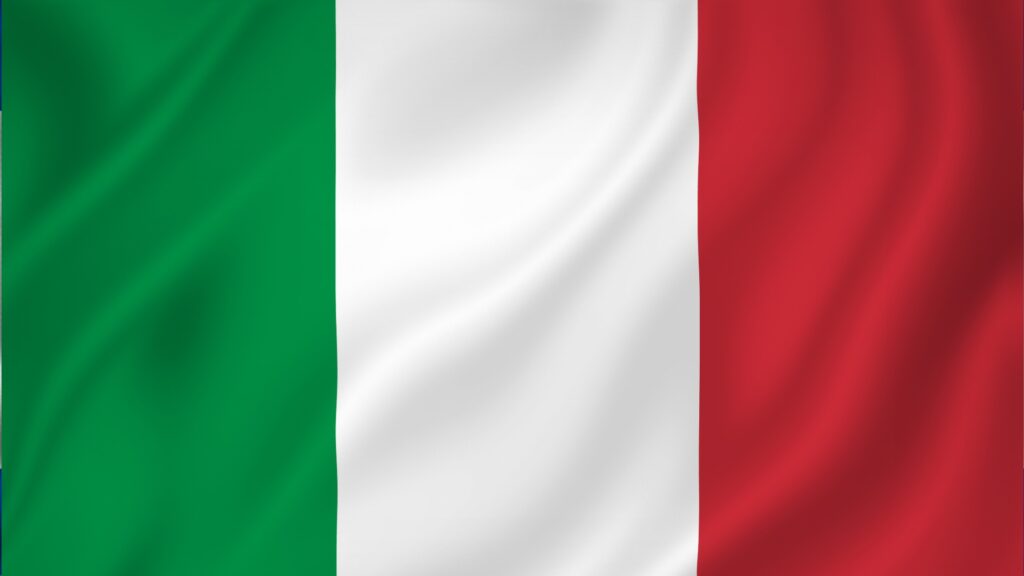
Italy is a peninsular nation located in Southern Europe, extending directly into the center of the Mediterranean Sea and anchored by the snow capped wall of the Alps. As the core geographic heart land of the Roman Empire, Italy pioneered monumental concrete engineering, standardized legal administration, and extensive continental trade networks. During the late medieval and Renaissance eras, its competitive merchant city states—such as Venice and Florence – accumulated immense wealth, directing the trajectory of Western fine arts, architecture, and scientific thought. Today, Italy operates extensive public institutions dedicated to the systematic protection of its unparalleled Roman ruins, classical monuments, and grand urban centers.
More
| Civilizations / Societies | Etruscan Civilization, Roman Republic, Roman Empire, Republic of Venice, Kingdom of Italy |
| Historical Figures | Julius Caesar, Augustus, Leonardo da Vinci, Giuseppe Garibaldi |
| Landmarks | Colosseum and Roman Forum, Historic Centre of Florence, Pompeii Archaeological Site, Venice Lagoon |
| Artifacts | Prima Porta Augustus statue, Riace Bronzes, Roman mosaic floors of Pompeii |
Countries That Start With I
🇨🇮 Ivory Coast
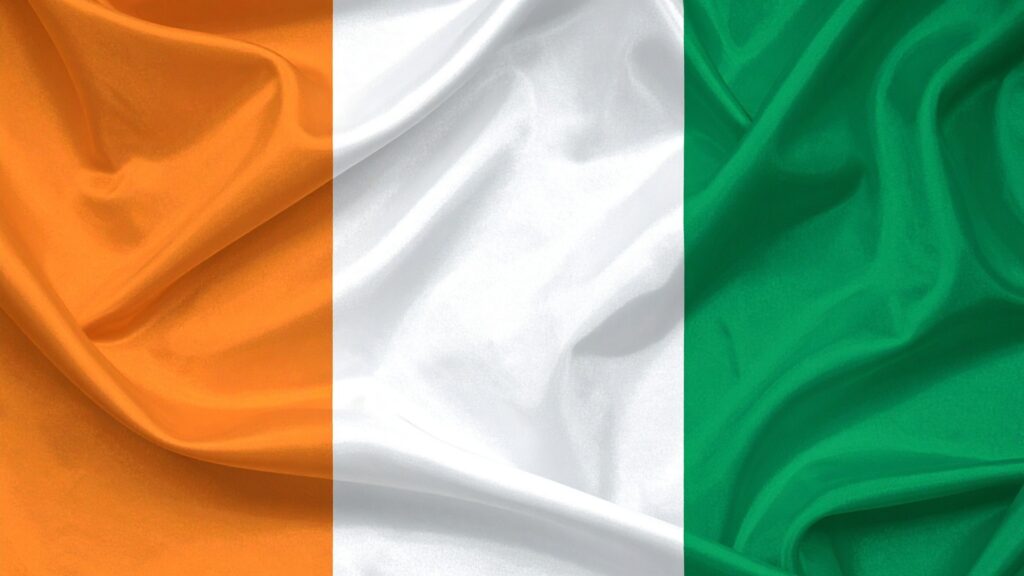
The Ivory Coast sits on the Gulf of Guinea coast in West Africa, transitioning from tropical southern coastal lagoons into dense rain forests and northern savannah plains. In the medieval and early modern eras, its interior hosted advanced, centralized kingdoms that managed lucrative trade routes connecting sub Saharan forests with trans-Saharan commercial networks. European contact in the late fifteenth century introduced competitive maritime trading outposts, eventually leading to French colonial consolidation centered on extensive timber and agricultural exploitation. Reclaiming independence in 1960, the modern state balances agricultural infrastructure development with the preservation of its historic colonial masonry and traditional multi ethnic arts.
More
| Civilizations / Societies | Gyaaman Kingdom, Sanwi Kingdom, Kong Empire, French Ivory Coast Colony |
| Historical Figures | Félix Houphouët-Boigny, Queen Pokou, Samori Ture (regional conflict) |
| Landmarks | Historic Town of Grand-Bassam, Basilique Notre-Dame de la Paix, Mosque of Kawara |
| Artifacts | Baoulé cast-gold pendants, Senufo wooden rhythm pounders (Deble), Dan ceremonial masks |
More Countries
Citations and References
Sources
- National Profiles & Geographics: The primary sovereign categorization, geographical borders, and foundational data for nations starting with I—from Iceland to the Ivory Coast—are sourced from the global Worldometer I-Country Index.
Sovereign & Territory Status: Geopolitical coordinates, territorial designations, and boundary parameters are verified against tracking metrics hosted on the World Population Review I-Country Master Index and the World Atlas Letter I Geography Registry.
Historical & Material Overviews: Architectural milestones and archaeological artifacts, such as the Code of Hammurabi, Borobudur, and the Dead Sea Scrolls—are cross-referenced with the digital catalogs of the QuillBot Regional Reference Database and localized historical folders compiled by the U.S. Department of State Office of the Historian.