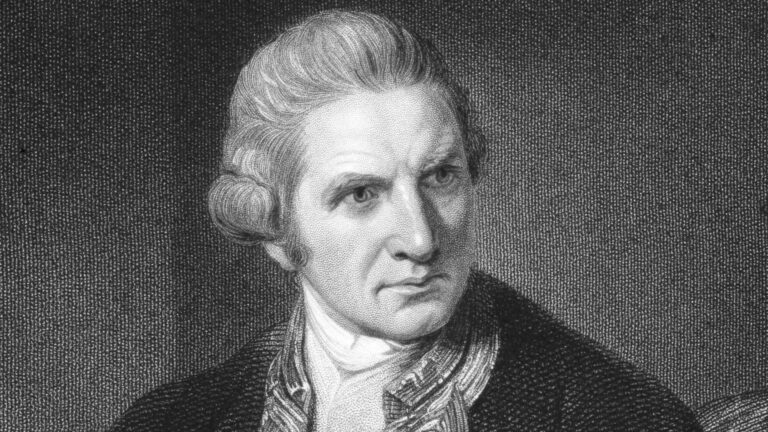
ZHENG HE (MING DYNASTY / CHINA)
C. 1371 – 1433 AD
Table of Contents: Zheng He

Zheng He. Born Ma He, he received the surname Zheng from the Yongle Emperor, reflecting his elevated status within the imperial bureaucracy.

Kunyang, Yunnan Province (Modern-day China). This region was a critical frontier hub, integrating Central Asian influences with Chinese administrative and cultural systems.

C. 1405 – 1433 AD. His mature years involved commanding seven grand maritime expeditions, establishing diplomatic ties and projecting Ming power across vast maritime networks.

The Ming Dynasty and the Yongle Emperor. He navigated internal court politics while representing imperial authority in numerous independent kingdoms across the Indian Ocean.

Grand Admiral of the Treasure Fleet. Ming officials bestowed this title to recognize his transition from a military officer toward a systematic manager of long-distance imperial naval operations.

He pioneered systematic maritime logistics, creating foundational nautical documents that established the baseline for Asian maritime exploration and trade.

Birth in Yunnan, Rise in the Ming military, Command of the first expedition, Discovery of Southeast Asian routes, Visits to East Africa, Final voyage.

He preserved historical memory of diverse cultures, honoring regional traditions without prejudice while defending peaceful trade against localized maritime piracy and expansion.

| His renown persists through global academic study of his naval capacity; modern archaeological finds have ultimately vindicated his vast fleet records. |

“We have traversed more than one hundred thousand li of immense water spaces and have beheld in the ocean huge waves like mountains.”
– Zheng He
Overview: Zheng He
Zheng He was a pivotal figure in the Ming maritime renaissance, whose career illustrates the intersection of military logistics, imperial eunuch influence, and diplomatic statecraft. Emerging from a frontier background, he was integrated into the imperial bureaucracy during a period of transition, where he became the primary instrument for the Yongle Emperor’s outward-looking maritime policy.
His expeditions were not mere voyages but were highly sophisticated operations that utilized the full extent of Ming industrial capacity to construct a blue-water naval infrastructure. By managing fleets consisting of hundreds of vessels, Zheng He systematically expanded China’s diplomatic reach, standardizing the tributary relations that defined regional international law. His capacity to navigate diverse geopolitical environments, ranging from the maritime sultanates of Southeast Asia to the Swahili Coast, highlights a level of cross-cultural administrative capability that was unparalleled in the contemporary world.
The life work of Zheng He fundamentally transformed how history records state-sponsored exploration through the application of empirical hydrography and bureaucratic organization. By synthesizing data on maritime currents, trade economics, and political stability, he established a prototype for long-range naval operations. He moved beyond traditional territorial expansion, favoring a system of maritime hegemony achieved through diplomatic and commercial integration rather than formal occupation.
His documentation provided the Ming state with a framework for understanding global systems, proving that a centralized authority could effectively command the Indian Ocean. Zheng He’s leadership permanently established the baseline for the maritime-focused historical discipline, demonstrating that systemic, evidence-based documentation is the prerequisite for the long-term governance of intercontinental trade networks and complex international diplomatic systems.
Did you know? Zheng He

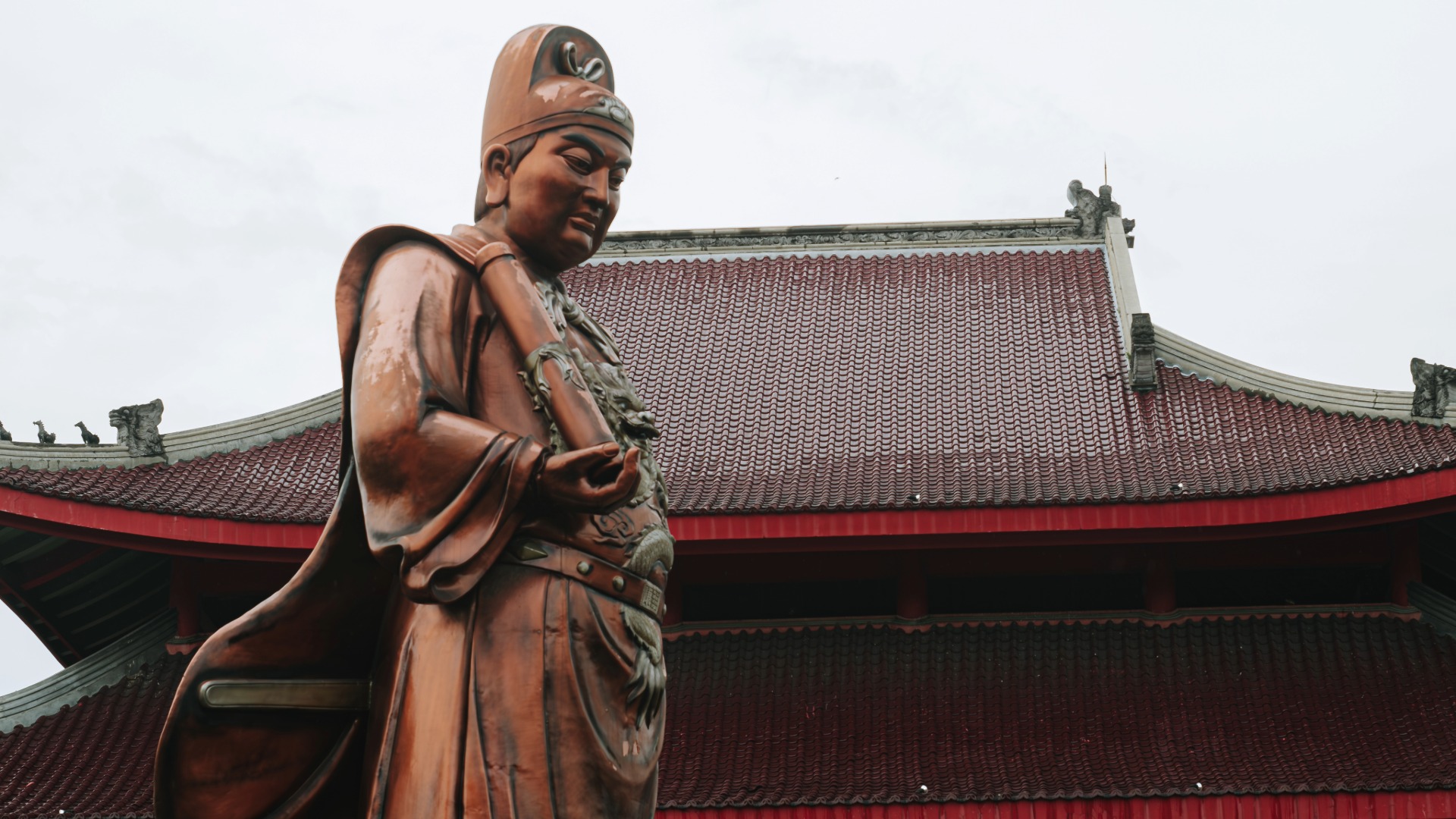
A life-sized bronze statue of Zheng He stands at the Zheng He Park in Kunming, capturing his dignified presence as an imperial envoy. This monument remains a vital cultural anchor for preserving his memory as a symbol of China’s maritime heritage.

Historians previously debated the viability of his massive ships, often citing potential buoyancy failures and unrealistic scale. Modern structural engineering simulations of the Longjiang shipyards have since confirmed that the Ming engineers possessed the necessary modular construction techniques to build vessels of the scale described in the official annals.

| Zheng He utilized a sophisticated, modular bureaucratic command structure where specialized administrative officers served as logistical supervisors on every ship, ensuring that every vessel could function as a self-contained unit capable of complex, real-time reporting to the central command hub. |
Timeline of Zheng He
The chronological timeline of Zheng He illustrates the sophisticated evolution of Ming maritime policy and the unprecedented scale of the treasure fleet expeditions. Born during the transition from Mongol to Ming rule, his trajectory follows the strategic expansion of the early imperial state. This period was characterized by the integration of technological, economic, and diplomatic objectives into a coherent maritime strategy. His timeline captures the movement from his early military service to his role as the paramount admiral of the treasure fleets.
The table below traces these milestones, linking his specific actions to the broader regional realities of the fifteenth century. Each event demonstrates the logistical, political, and technical demands of organizing a fleet that included hundreds of vessels and tens of thousands of sailors. By documenting these events, we see how one individual’s operational capability was instrumental in expanding the reach of the Ming state. This timeline provides a framework for understanding how his voyages were not static events but were part of a dynamic, evolving policy that responded to both internal imperial needs and external international developments across the Indian Ocean basin.
Timeline Chronology
| YEAR | EVENT | DESCRIPTION |
| C. 1371 | Birth | Born into a Muslim family in Yunnan, a region newly integrated into the nascent Ming administrative framework. |
| C. 1390 | Military Service | Enlisted in the Ming military, receiving training in strategic warfare and regional command protocols. |
| C. 1402 | Imperial Advancement | Appointed as a trusted eunuch advisor to the Yongle Emperor, gaining access to central policy-making circles. |
| C. 1405 | First Expedition | Commanded the inaugural fleet, focusing on establishing the security of the South China Sea trade routes. |
| C. 1407 | Tribute Consolidation | Returned to Nanjing with envoys from multiple Southeast Asian polities, formalizing the tributary system. |
| C. 1407 | Second Expedition | Led the fleet to reinforce diplomatic status in major Indian commercial hubs like Calicut and Cochin. |
| C. 1409 | Third Expedition | Navigated the Bay of Bengal, intervening in local political disputes to ensure regional trade stability. |
| C. 1413 | Fourth Expedition | Expanded the scope of the mission to the Persian Gulf, securing ties with Hormuz and Islamic sultanates. |
| C. 1417 | Fifth Expedition | Conducted the first large-scale diplomatic mission to the Swahili Coast, documenting diverse African political structures. |
| C. 1421 | Sixth Expedition | Executed the sixth mission to sustain the presence of the Ming state in Indian Ocean commerce. |
| C. 1424 | Policy Pause | Experienced the death of the Yongle Emperor, leading to a temporary halt in fleet funding and operations. |
| C. 1430 | Seventh Expedition | Received imperial command for the final, most extensive voyage to revitalize stagnant tributary relations. |
| C. 1433 | Death at Sea | Passed away while returning from the seventh voyage, marking the end of the treasure fleet era. |
| C. 1435 | Isolationist Shift | The Ming court formally suspended long-distance maritime activity, focusing on land-based defense and internal consolidation. |
| C. 1450 | Historiographical Synthesis | Imperial scholars began compiling the official records of the voyages into the Ming annals for posterity. |
| C. 1900 | Academic Re-emergence | Historians initiated rigorous scholarly analysis of the treasure voyages as a study in maritime history. |
| C. 1950 | Archaeological Validation | Archaeological evidence of ship-building infrastructure confirmed the scale of his fleet’s technical capabilities. |
| C. 2005 | Maritime Commemoration | Global scholarly conferences reassessed the legacy of Zheng He as a pioneer of maritime connectivity. |
| C. 2010 | Naval Simulations | Advanced computational studies verified the navigational endurance of his fleets across monsoon cycles. |
| C. 2026 | Modern Historiography | Contemporary research confirms his voyages as the baseline for studying early fifteenth-century globalization. |

Legacy of Zheng He
Zheng He left a permanent mark on the world by establishing a baseline for maritime hegemony that emphasized diplomatic and commercial integration over formal colonization. His expeditions provided the first systematic account of Indian Ocean geography, currents, and trade economics, which were essential for later generations of navigators and researchers. By documenting these regional dynamics with precision, he ensured that maritime history became a core component of Chinese state policy, permanently altering the course of scholarly study in East Asia.
Furthermore, his influence directly shaped the methodological approach to imperial governance of intercontinental trade. He turned raw observational data into structured, analytical tools, demonstrating that the success of large-scale naval operations depends on meticulous logistical and bureaucratic management. His work remains a foundational reference for historians studying the transition to early modern globalization, as his expeditions effectively bridged the economic and diplomatic spheres of the Pacific and Indian Oceans.
Examples:
| Maritime Hegemony | Developed a system of power projection that prioritized commercial stability and tributary recognition over territorial rule. |
| Logistical Bureaucracy | Standardized the administration of thousands of personnel, using rigorous reportage to ensure institutional consistency. |
| Hydrographic Empiricality | Applied systematic observation of monsoon currents to refine navigation, turning seasonal patterns into reliable trade schedules. |
| Tributary Institutionalization | Codified the diplomatic protocols of the Ming state, transforming loose regional relations into a formal bureaucratic system. |
| Cross-Cultural Synthesis | Facilitated the exchange of knowledge across Islamic, Hindu, and Confucian political frameworks without imposing homogeneity. |
| Naval Modularization | Utilized modular shipbuilding techniques that allowed for fleet scalability, a radical advancement in naval technology. |
| Economic Intelligence | Collected specific data on commodities, market pricing, and regional production capacities for imperial planning. |
| Diplomatic Standardization | Created a consistent rubric for envoy reception, ensuring that Chinese status remained central in foreign negotiations. |
| Infrastructure Integration | Leveraged the Ming canal and river systems to facilitate the supply chain supporting the massive ocean fleets. |
| Historiographical Documentation | Established the template for maritime annals, which utilized meticulous log-keeping for future empirical verification. |
Additional Achievements of Zheng He
Zheng He advanced the field of maritime statecraft by conceptualizing the fleet as a mobile administrative and diplomatic hub. His foundational methodology was built on the integration of military discipline with commercial diplomatic needs, allowing the Ming state to dominate regional trade without the cost of permanent occupation. This analytical mindset allowed him to manage disparate economic systems across thousands of miles, effectively creating a reliable, state-backed maritime corridor that spanned from China to the African coast. His ability to interpret regional political tensions and mediate them in favor of Ming trade stability demonstrates a sophisticated understanding of early modern international relations.
Strategically, he transformed the treasure voyages into a permanent operational logistics model that optimized the use of seasonal monsoon patterns. This systemic impact disrupted the existing, fragmented trade paradigms, creating a unified maritime zone under Ming diplomatic influence. His work provided the logistical blueprint for subsequent global exploration, establishing the importance of long-range naval endurance, standardized nautical cartography, and centralized diplomatic reporting. The influence of his achievements persists in how scholars evaluate the logistics of early globalization, serving as the definitive example of how state power can effectively project itself through structured, sustained maritime commerce and diplomatic mission management.
Examples:
| Fleet Scale Management | Directed a maritime force exceeding 250 ships with 28,000 specialized personnel. |
| Naval Architecture Innovation | Implemented multi-deck treasure ship designs exceeding 100 meters, optimizing cargo and personnel endurance. |
| Tributary System Expansion | Formalized diplomatic recognition from 30 sovereign polities across the Indian Ocean basin. |
| Nautical Charting | Produced the Mao Kun map, the definitive guide for Indian Ocean navigation for nearly three centuries. |
| Piracy Suppression | Neutralized major maritime insurgencies in the Malacca Strait, securing primary regional trade arteries. |
| East African Engagement | Conducted the first systemic diplomatic visit to the Swahili Coast, mapping East African trade hubs. |
| Commodity Intelligence | Compiled market requirements and surplus data for textiles, pepper, and porcelain across the Indian Ocean. |
| Monsoon Cycle Synchronization | Optimized expedition timing to utilize trade winds, reducing maritime transit risks for large fleets. |
| Diplomatic Ritualization | Standardized the diplomatic gift exchange, ensuring consistency in negotiations with foreign rulers. |
| Logistical Chain Management | Orchestrated a massive, multi-port supply chain to sustain the fleet’s needs over multi-year journeys. |
| Technology Exchange | Facilitated the transfer of agricultural techniques and manufacturing methods between South Asia and China. |
| Military Command Structure | Enforced a rigorous chain of command within the fleet to ensure high levels of tactical readiness. |
| Public Health Administration | Deployed specialized medical units in fleets to sustain the health and wellness of the massive crew. |
| Shipyard Capacity Optimization | Utilized mass production methods in Ming shipyards to support constant fleet renewal and maintenance. |
| Geographic Validation | Systematically corrected regional port coordinates, establishing a high-confidence navigational framework. |
| Sociopolitical Reporting | Delivered detailed, empirical accounts of foreign governmental systems to the imperial archives in Nanjing. |
| Regional Stability Projection | Used the presence of the treasure fleet as a deterrent against local political volatility. |
| Diplomatic Mediation | Acted as the primary arbiter in local succession conflicts to ensure stability in key tributary states. |
| Institutional Archival Record | Produced exhaustive voyage logs that define our current understanding of fifteenth-century maritime diplomacy. |
| Global Trade Integration | Synchronized Chinese maritime trade interests with broader Indian Ocean economic flows, driving regional prosperity. |

References and Citations
- Dreyer, E. L. (2007). Zheng He: China and the Oceans in the Early Ming Dynasty, 1405–1433. Pearson Longman. https://www.pearson.com
- Finlay, R. (1991). The Treasure-Ships of Zheng He: Chinese Maritime Imperialism in the Age of Discovery. Terrae Incognitae, 23(1), 1-16. https://doi.org/10.1179/tin.1991.23.1.1
- Levathes, L. (1994). When China Ruled the Seas: The Treasure Fleet of the Dragon Throne, 1405–1433. Simon & Schuster. https://www.simonandschuster.com
- Needham, J. (1971). Science and Civilisation in China: Volume 4, Physics and Physical Technology. Cambridge University Press. https://www.cambridge.org
- Ptak, R. (1998). China and the Overseas Maritime Trade in the 15th Century. Journal of the Royal Asiatic Society, 8(2), 241-260. https://www.cambridge.org
- Wang, G. (1998). The China Sea: The Maritime History of the Ming Dynasty. Oxford University Press. https://www.oup.com