Countries That Start With D
Discovering countries that start with D opens up a fascinating journey through the physical footprints left behind by human history. Across the globe, various societies have written their stories not just in books, but in the stone of their monuments, the design of their tools, and the artistry of their everyday creations. By looking at history through these tangible remains—from ancient runestones to massive river basin kingdoms—we can connect directly with the builders, rulers, and artists of the past. Each nation offers a unique look at how people adapted to their environments and expressed their identity, transforming abstract history into a physical legacy you can still appreciate today.
To make exploring these cultural legacies as simple and clear as possible, this guide pairs a short historical overview of each nation with a structured reference table. Directly below each description, you will find a standardized snapshot mapping out the country’s defining historical chapters: its foundational societies, prominent leaders, iconic landmarks, and most famous artifacts. Because every single matrix follows the exact same format, you can easily skim the data, compare different cultures side-by-side, or copy the text directly for your own projects. Dive in and explore how the remarkable creations of the past continue to anchor our shared global heritage.
Countries That Start With D
🇩🇰 Denmark
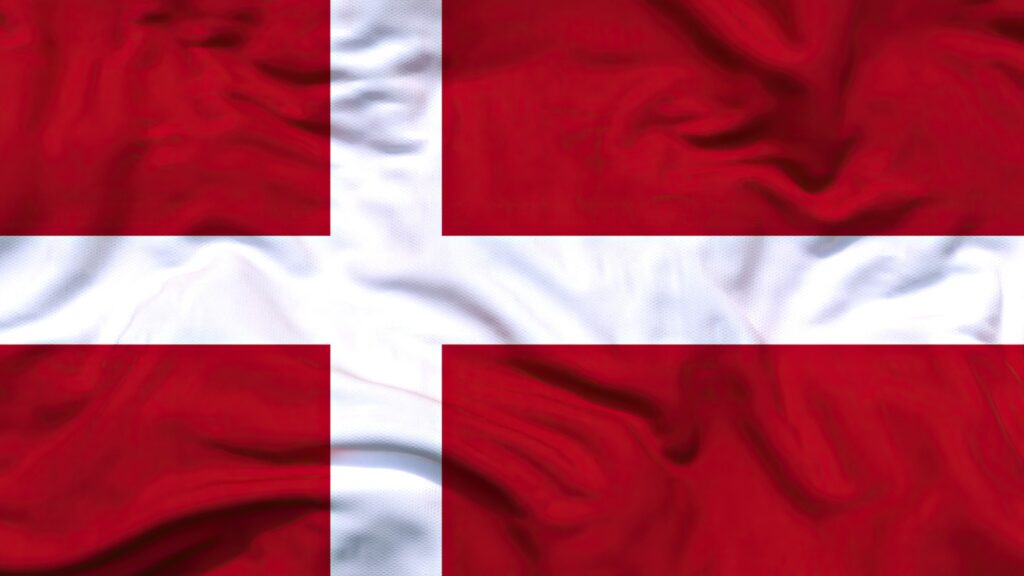
Denmark is a maritime nation located in Northern Europe, consisting of the Jutland Peninsula and an archipelago of hundreds of islands at the entrance to the Baltic Sea. During the early medieval period, Danish seafaring societies launched the Viking Age, conducting extensive trading, raiding, and colonization networks across Europe and the North Atlantic. Unified under a single monarchy in the tenth century, Denmark established the sprawling Kalmar Union in 1397, dominating regional Scandinavian politics for generations. The country seamlessly transitioned from a major imperial Baltic power into a highly progressive, stable constitutional monarchy. Today, Denmark balances an exceptionally advanced technological economy with meticulous preservation of its rich runic, medieval, and classical architectural heritage.
More
| Civilizations / Societies | Nordic Bronze Age, Norse/Viking Society, Kalmar Union, Danish Empire |
| Historical Figures | King Harald Bluetooth, Queen Margrethe I, King Christian IV |
| Landmarks | Jelling Runic Stones, Kronborg Castle, Roskilde Cathedral, Christiansborg Palace |
| Artifacts | Trundholm Sun Chariot, Golden Horns of Gallehus (replicas), Jelling Stone inscriptions |
Countries That Start With D
🇩🇯 Djibouti
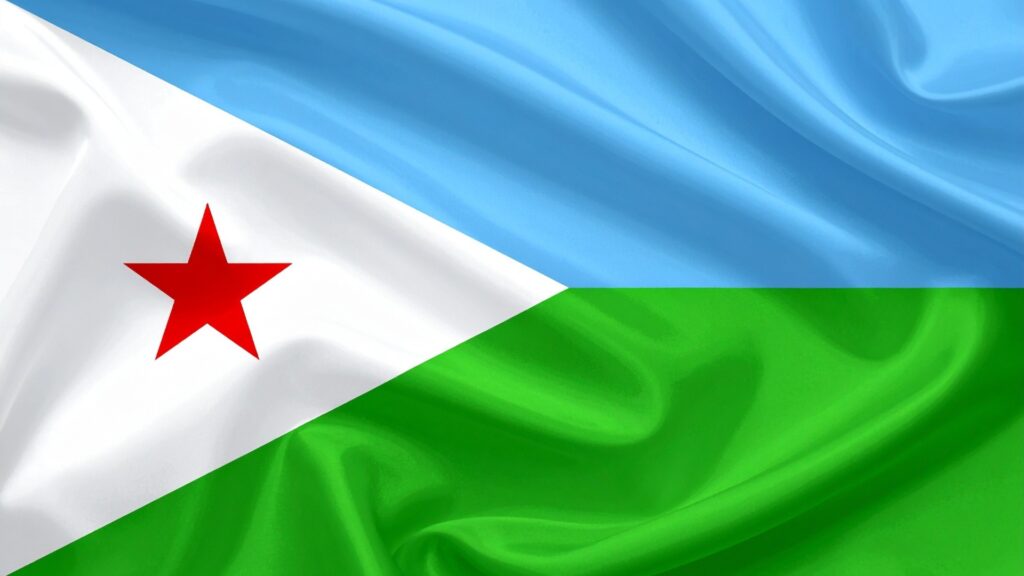
Djibouti occupies a highly strategic geopolitical position on the Horn of Africa, commanding the Bab-el-Mandeb Strait at the southern entrance to the Red Sea. For millennia, its desert coastlines and volcanic lakes served as a vital commercial crossroads, facilitating dense trade networks between the Mediterranean, the Arabian Peninsula, and the African interior. The region was heavily shaped by medieval Islamic sultanates, which established prosperous maritime ports that traded spices, textiles, and incense across the Indian Ocean networks. French colonial rule in the late nineteenth century developed Djibouti into a major rail and naval hub. Today, the nation leverages its deep harbor infrastructure to serve as an international maritime transshipment capital and regional security center.
More
| Civilizations / Societies | Land of Punt, Ifat Sultanate, Adal Sultanate, French Somaliland |
| Historical Figures | Sultan Ahmed Dini Ahmed, Hassan Gouled Aptidon, Mahmoud Harbi |
| Landmarks | Lake Assal (lowest point in Africa), Day Forest National Park, Tadjoura Waterfront |
| Artifacts | Prehistoric rock art of Abourma, traditional Afar daggers (jile), ancient maritime trade pottery |
Countries That Start With D
🇩🇲 Dominica
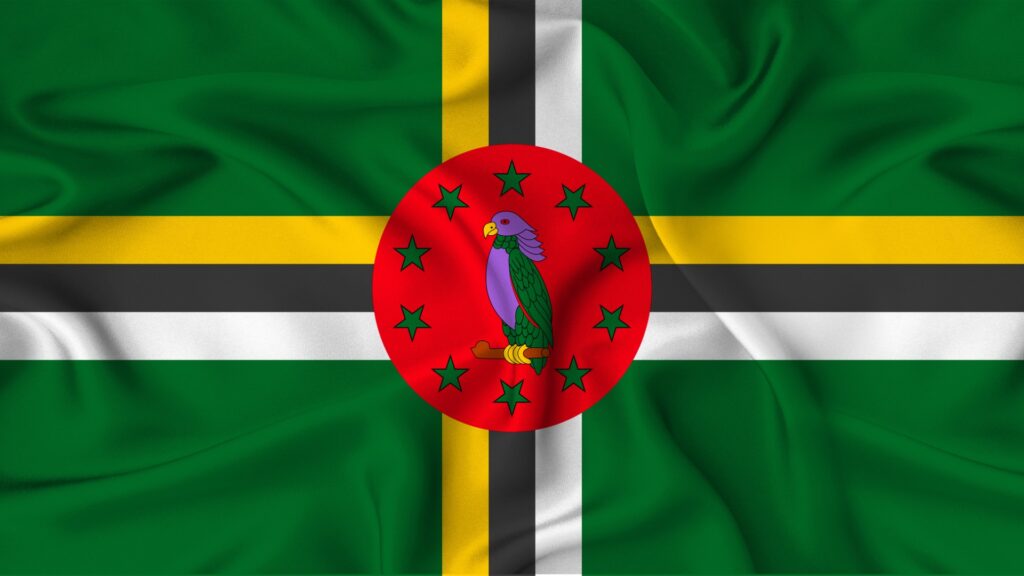
Dominica is a rugged, volcanic island nation nestled within the Windward Islands of the Eastern Caribbean Sea, globally celebrated for its pristine rainforests and geothermal activity. Long before European contact, the island served as a formidable stronghold for the indigenous Kalinago people, who successfully resisted early Spanish and British colonization attempts due to the island’s dramatic topography. Eventually transitioning into a heavily contested British colony, the island developed a plantation economy focused on coffee and sugar production, which introduced a resilient Afro-Caribbean population. Dominica stands out as the only Caribbean island that retains a distinct, permanent ancestral territory for its indigenous Kalinago population, balancing eco-preservation with rich multi-ethnic cultural traditions.
More
| Civilizations / Societies | Ortoiroid Culture, Saladoid Amerindians, Kalinago Territory, British Windward Islands |
| Historical Figures | Chief Kairouane, Patrick John, Mary Eugenia Charles |
| Landmarks | Morne Trois Pitons National Park, Boiling Lake, Fort Shirley, Kalinago Barana Autê |
| Artifacts | Kalinago woven reed baskets, pre-Columbian stone axes, colonial plantation sugar coppers |
Countries That Start With D
🇩🇴 Dominican Republic
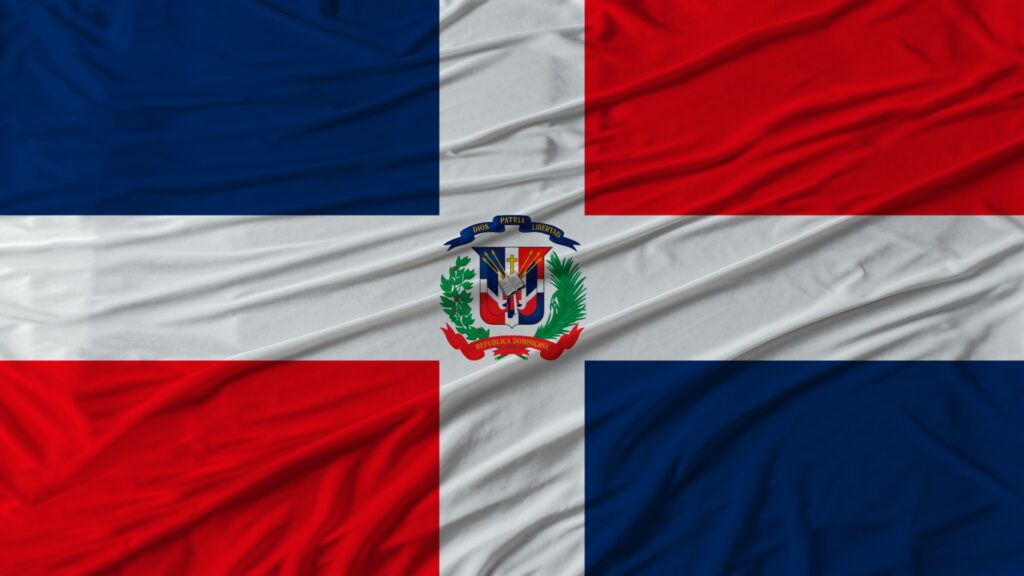
The Dominican Republic occupies the eastern two-thirds of Hispaniola, the second-largest island in the Caribbean archipelago, bounded by the Atlantic Ocean and the Caribbean Sea. Originally home to the advanced agricultural Taíno chiefdoms, the island became the historic site of the first permanent European settlement in the Americas following Christopher Columbus’s arrival in 1492. Santo Domingo served as the administrative capital and military springboard for the Spanish global empire, hosting the Americas’ first cathedral, monastery, and university. This colonial era relied heavily on sugar production and enslaved labor, forging a deeply vibrant, Afro-Latino cultural synthesis. Today, the nation stands as a leading economic power in the Caribbean, blending historic colonial architecture with robust international tourism.
More
| Civilizations / Societies | Taíno Chiefdoms, Spanish Captaincy General of Santo Domingo, Republic of Spanish Haiti |
| Historical Figures | Juan Pablo Duarte, Enriquillo, Francisco del Rosario Sánchez |
| Landmarks | Colonial City of Santo Domingo, Cathedral of Santa María la Menor, Alcázar de Colón |
| Artifacts | Taíno carved stone anthromorphic trigoliths, pre-Columbian ceramic vessels, colonial silver altarpieces |
Countries That Start With D
🇨🇩 DR Congo
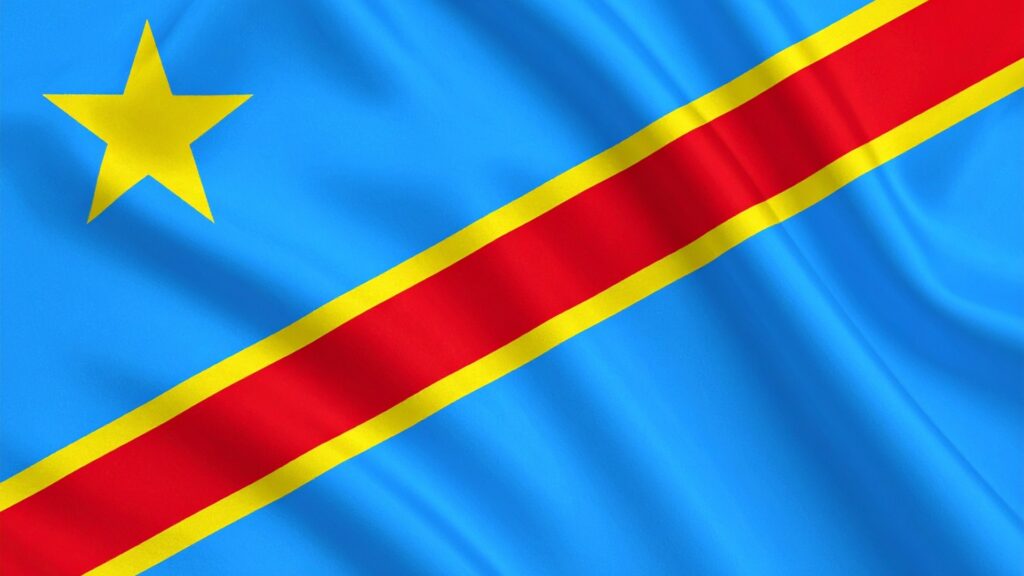
The Democratic Republic of the Congo spans a massive territory dominated by the vast Congo River basin in Central Africa, containing the world’s second-largest tropical rainforest. Prior to European contact, the region hosted highly centralized and powerful Bantu kingdoms that developed sophisticated iron metallurgy, artistic traditions, and complex regional trade networks. The late nineteenth century brought brutal economic exploitation under the personal corporate rule of King Leopold II of Belgium, followed by standard Belgian colonial administration. Securing independence in 1960, the nation has navigated profound political upheavals and resource-driven conflicts. Despite these institutional challenges, its diverse populations maintain world-renowned musical traditions, intricate wood-carving practices, and immense natural resource wealth.
More
| Civilizations / Societies | Kingdom of Kongo, Luba Empire, Lunda Empire, Kuba Kingdom, Congo Free State |
| Historical Figures | Patrice Lumumba, King Afonso I of Kongo, Simon Kimbangu |
| Landmarks | Virunga National Park, Garamba National Park, Kahuzi-Biega National Park, Matadi Port |
| Artifacts | Kuba royal embroidered textiles (velvet), Luba ancestral caryatid stools, Kongo power figures (nkisi nkonde) |
More Countries
Citations and References
Sources
- National Profiles & Geographics: The primary sovereign categorization, geographical borders, and foundational data for Denmark, Djibouti, Dominica, the Dominican Republic, and the Democratic Republic of the Congo are sourced from the global Worldometer D-Country Index and regional matrices via the World Atlas D-Country Geography Registry. [1]
Sovereign & Territory Status: Spelling benchmarks, territorial designations, and administrative checklists for names like Djibouti are verified against the QuillBot Regional Reference Catalog and the tracking data provided by the World Population Review Master Index. [1, 2]