Every nation has a distinct story to tell, and the most reliable way to uncover those stories is by looking at what early societies built and left behind. When exploring countries that start with F, you find that long before history was written down in books, cultures recorded their lives in the stone of their monuments, the design of their tools, and the artistry of their everyday creations. By examining these physical remains—from ancient open air stone temples to massive coastal fortresses—we can connect directly with the early engineers, rulers, and artists who shaped our world. Each territory shows how human groups adapted to their surroundings, transforming abstract timelines into a physical legacy that we can still explore today.
To make analyzing these historical chapters straight forward and organized, this guide pairs a short historical summary of each nation with a structured reference table. Directly below each description, you will find a uniform snapshot mapping out key criteria: foundational societies, prominent historical figures, monumental landmarks, and wonderous artifacts. Because every single matrix follows the exact same format, you can easily scan the information, compare different cultures side by side, or copy the data directly for your own research. Dive in to see how these structural milestones and historic creations continue to anchor our shared global heritage.
Countries That Start With F
🇫🇰 Falkland Islands
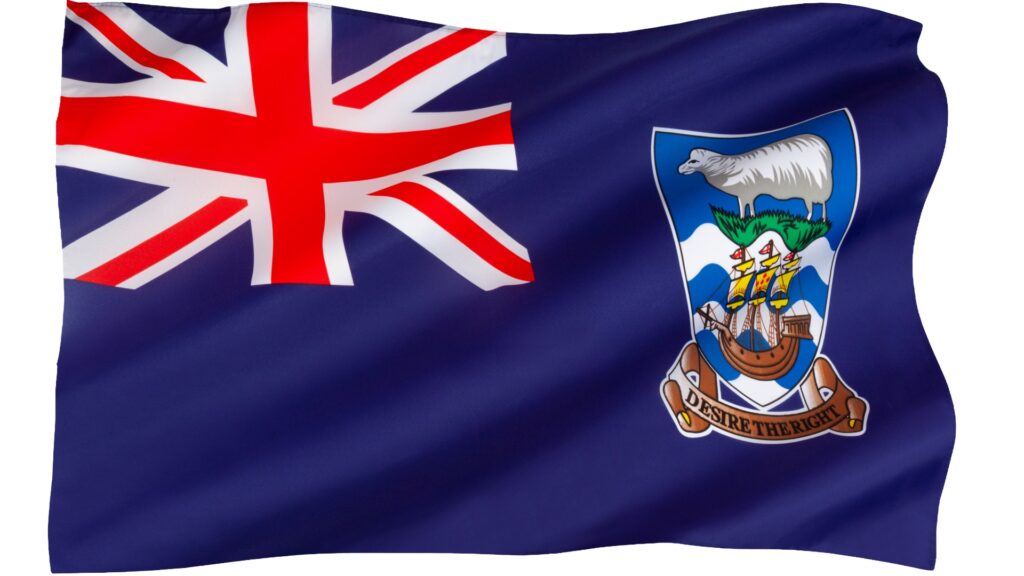
The Falkland Islands form an isolated archipelago in the South Atlantic Ocean, characterized by a rugged maritime environment and a complex geopolitical history. Uninhabited by indigenous groups prior to European arrival, the islands became the focus of intense sovereignty disputes among France, Great Britain, Spain, and Argentina from the eighteenth century onward. The local material footprint is defined by maritime industries, sheep farming, and extensive military fortifications built during successive eras of naval conflict. Today, public archives focus on documenting the territory’s whaling history, early colonial settlements, and the remnants of the 1982 Falklands War.
More
| Civilizations / Societies | British Colonial Empire, Spanish Viceroyalty of the Río de la Plata, Argentine Settlements |
| Historical Figures | Captain John Strong, Louis Bougainville, Admiral Sir Maximillian von Spee |
| Landmarks | Christ Church Cathedral, Historic Port Stanley Waterfront, Cape Pembroke Lighthouse |
| Artifacts | Whalebone Arch of Stanley, Shipwreck timbers of the Lady Elizabeth, 1982 battlefield military relics |
Countries That Start With F
🇫🇴 Faroe Islands
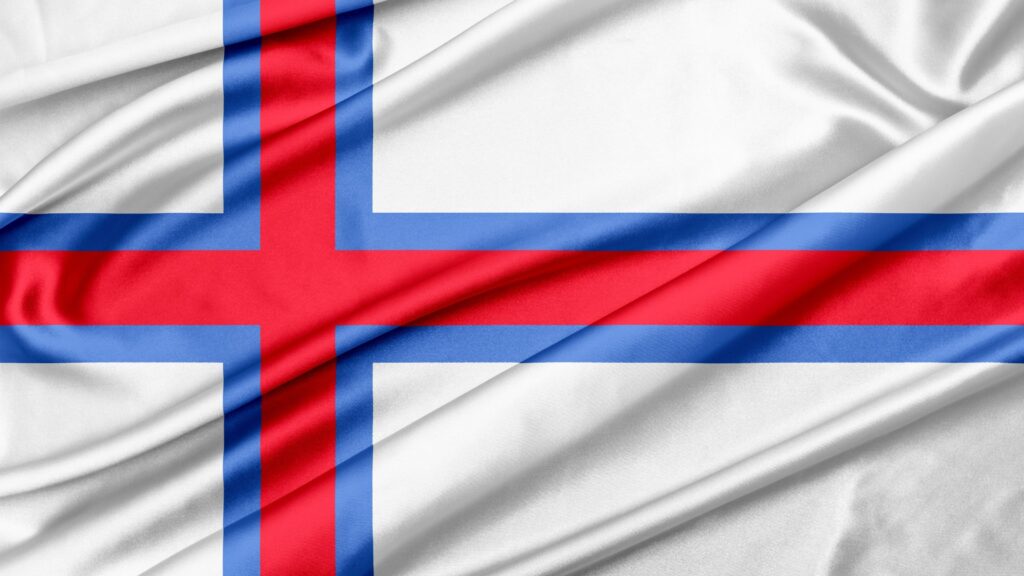
The Faroe Islands comprise a self governing volcanic archipelago within the Kingdom of Denmark, located in the North Atlantic Ocean between Scotland and Iceland. Settled by Norse seafaring clans in the ninth century, the islands developed an isolated maritime and pastoral culture heavily anchored in traditional communal resource management. The historical governance structure operated via the Løgting, one of the world’s oldest surviving parliamentary assemblies. The architectural landscape is characterized by historic turf roofed timber structures and ancient stone sheep folds. Local archives prioritize the preservation of early medieval runic inscriptions, traditional wooden boat designs, and old growth textiles.
More
| Civilizations / Societies | Viking Age Norse Settlements, Kingdom of Norway, Kingdom of Denmark |
| Historical Figures | Sigmundur Brestisson, Tróndur í Gøtu, Nólsoyar Páll |
| Landmarks | Kirkjubøur Archaeological Site, Magnus Cathedral Ruins, Tinganes Historic District |
| Artifacts | Sandavágur Runic Stone, Kirkjubøur benches (medieval woodcarvings), traditional Faroese wooden sloops |
Countries That Start With F
🇫🇯 Fiji
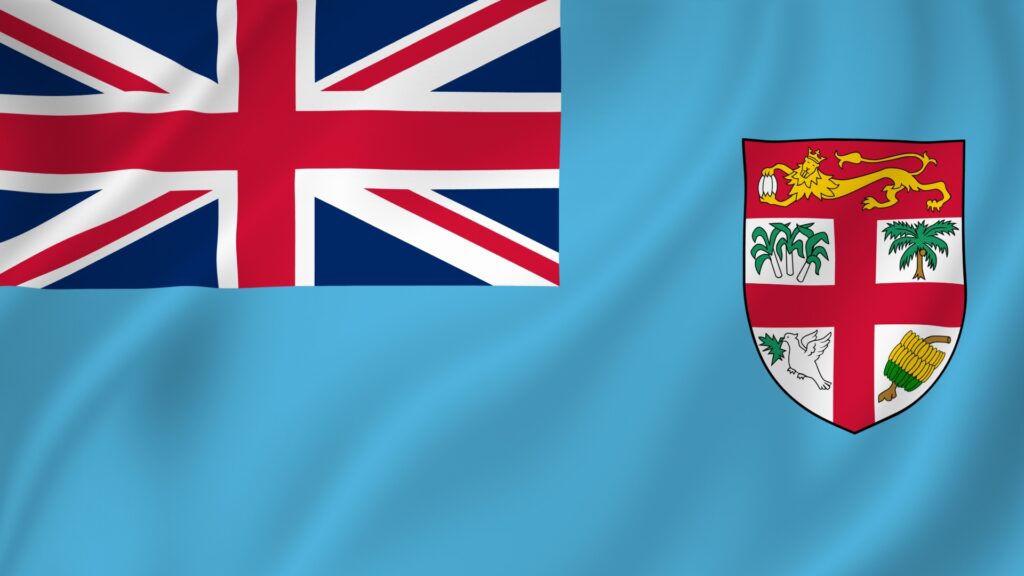
Fiji is an archipelagic nation encompassing more than three hundred islands in the South Pacific Ocean, situated at a major cultural crossroads between Melanesia and Polynesia. Prior to European maritime contact, Fiji supported powerful chiefdoms that constructed extensive terraced hill forts, advanced ocean-going voyaging canoes, and highly complex ritual traditions. British colonization in the nineteenth century transformed the socioeconomic matrix by introducing large scale sugarcane plantations and a significant population of indentured laborers from India. Modern conservation and public registry systems focus on documenting both indigenous clan engineering works and nineteenth century colonial stone architecture.
More
| Civilizations / Societies | Lapita Culture, Traditional Fijian Chiefdoms (Bauan/Lauan), British Crown Colony |
| Historical Figures | Ratu Seru Epenisa Cakobau, Ratu Sir Kamisese Mara, Captain William Bligh |
| Landmarks | Levuka Historical Port Town, Sacred Island of Bau, Udre Udre’s Tomb |
| Artifacts | Lapita decorated pottery shards, Tabua (ceremonial sperm whale teeth), Camakau voyaging canoes |
Countries That Start With F
🇫🇮 Finland
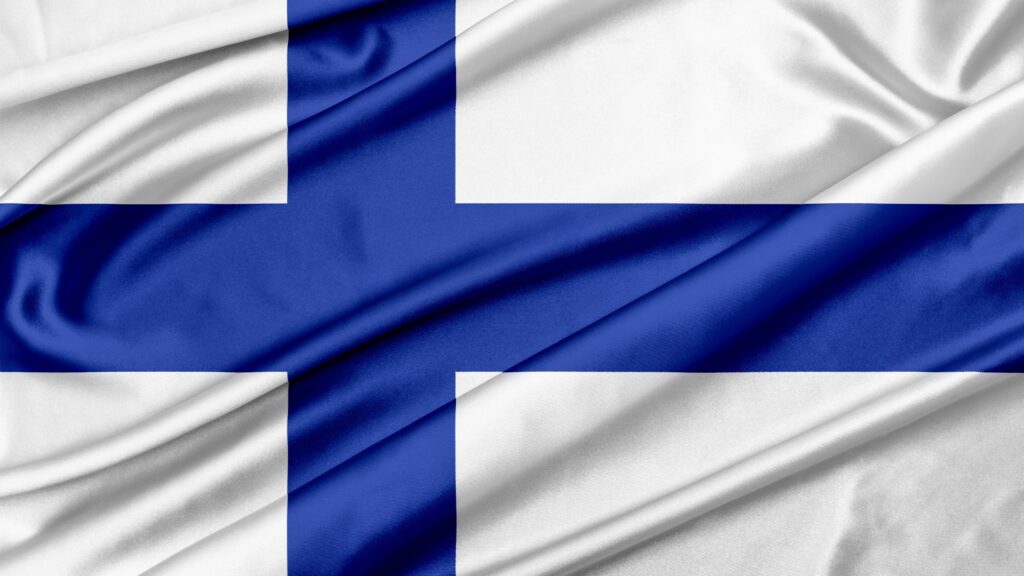
Finland is a Nordic nation situated in Northern Europe, bounded by the Baltic Sea, the Gulf of Bothnia, and extensive primeval boreal forests. Its early history featured migratory Finnic and Sámi hunting and fishing societies before centuries of systematic integration into the Kingdom of Sweden and later the Russian Empire. The territory functioned as a heavily militarized frontier zone, resulting in the construction of monumental coastal stone bastions and medieval fortresses. Securing complete independence in 1917, Finland established a stable republic that industrialized rapidly. Modern public documentation focus heavily on preservation of its medieval wooden churches, runic epic folklore, and distinctive modernist industrial designs.
More
| Civilizations / Societies | Comb Ceramic Culture, Kingdom of Sweden, Grand Duchy of Finland |
| Historical Figures | Carl Gustaf Emil Mannerheim, Elias Lönnrot, Mikael Agricola |
| Landmarks | Suomenlinna Sea Fortress, Olavinlinna Castle, Turku Cathedral, Petäjävesi Old Church |
| Artifacts | Sampo mythical depictions, Bronze Age stone cairn tools, early wooden kantele instruments |
Countries That Start With F
🇫🇷 France
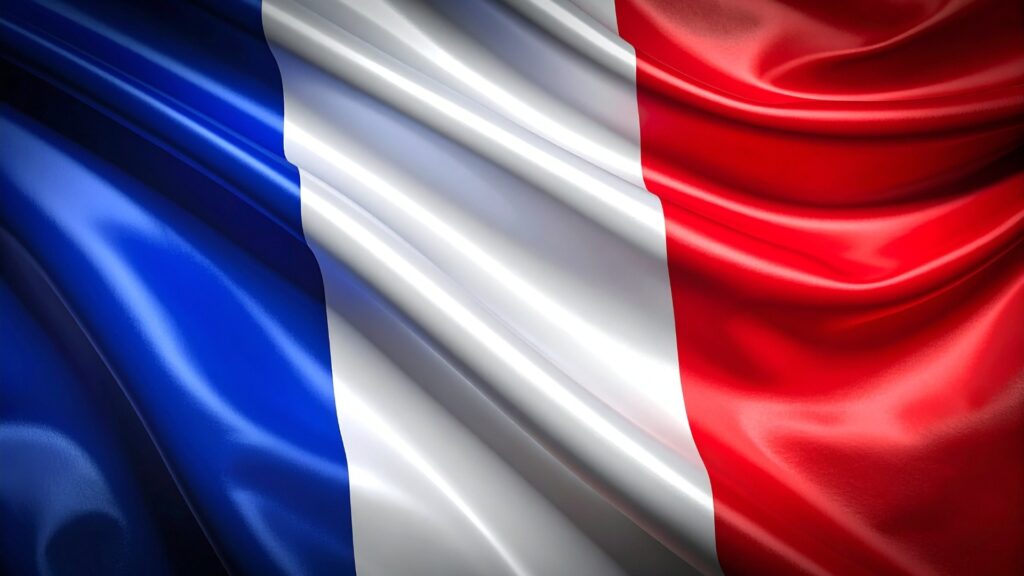
France occupies a highly strategic geographic territory in Western Europe, stretching from the Mediterranean Sea to the Atlantic Ocean and the North Sea. The region has hosted monumental sociopolitical transformations, evolving from ancient Celtic tribes and Roman imperial provinces into a powerful medieval monarchy and a revolutionary republic. France pioneered major continental developments in Gothic stone architecture, centralized administrative systems, and global legal frameworks. Following successive imperial expansions, the nation established a vast overseas territory. Today, public institutions maintain expansive archives dedicated to protecting everything from prehistoric cave art to monumental palatial structures and classical fine art collections.
More
| Civilizations / Societies | Celtic Gaul, Roman Empire, Frankish Kingdom, Kingdom of France, French Republic |
| Historical Figures | Charlemagne, Joan of Arc, Louis XIV, Napoleon Bonaparte |
| Landmarks | Palace of Versailles, Notre-Dame de Paris, Pont du Gard, Mont-Saint-Michel |
| Artifacts | Lascaux Cave paintings, Bayeux Tapestry, Venus de Milo (repository), Code Napoleon original documents |
Countries That Start With F
🇬🇫 French Guiana
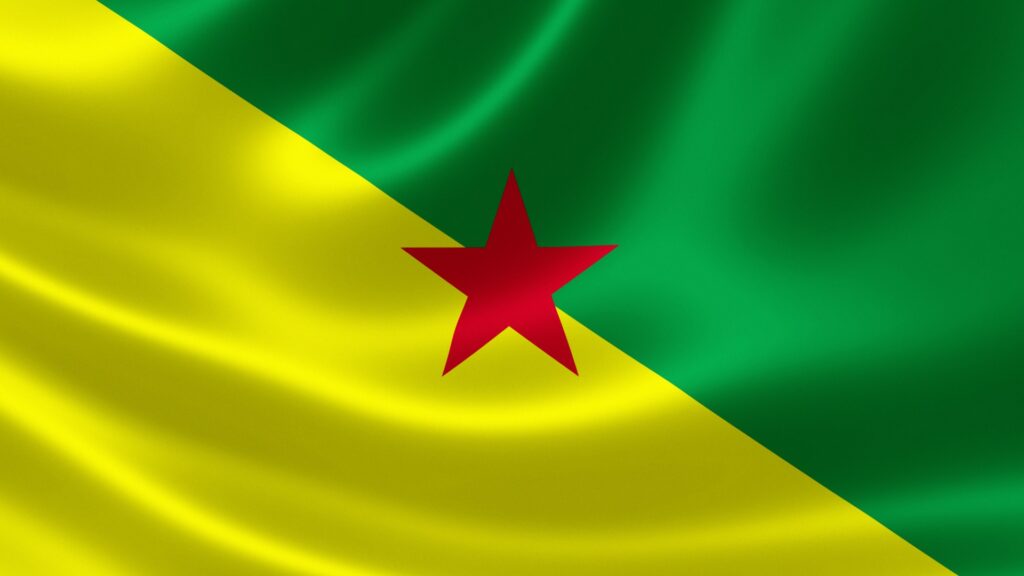
French Guiana is an overseas department of France located on the northeastern coast of South America, bounded by Brazil, Suriname, and the Atlantic Ocean. Prior to European colonization, the dense equatorial rainforest territory was populated by diverse indigenous groups who developed specialized riverine technologies and complex agricultural systems. Seized by France in the seventeenth century, the economy relied on sugarcane plantations and forced labor, later gaining notoriety as an extensive penal colony destination. Today, the territory presents a unique juxtaposition, balancing the preservation of historic penal ruins and indigenous material crafts with the high tech infrastructure of the European spaceport at Kourou.
More
| Civilizations / Societies | Pre-Columbian Amerindian Tribes, French Colonial Empire, Inini Territory |
| Historical Figures | Léopold Sédar Senghor (regional linkage), Félix Éboué, Henri Charrière |
| Landmarks | Devil’s Island Penal Complex, Guiana Space Centre, Saint-Laurent-du-Maroni Town Hall |
| Artifacts | Amerindian rock petroglyphs, colonial plantation sugar boilers, Ariane rocket structural components |
Countries That Start With F
🇵🇫 French Polynesia
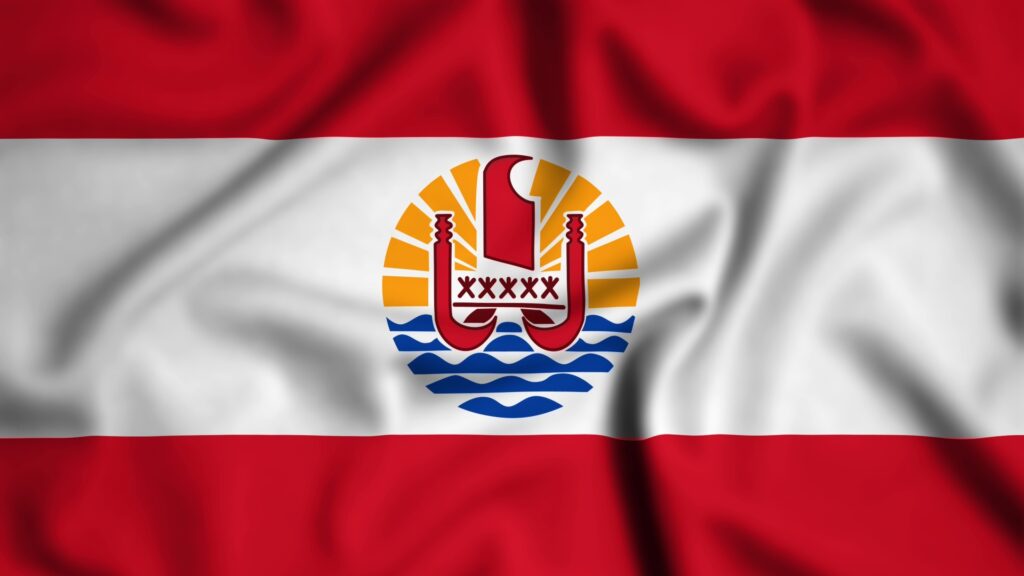
French Polynesia is an expansive overseas collectivity of France encompassing more than one hundred islands scattered across the southern Pacific Ocean. Settled during the great Polynesian maritime expansions around 1000 CE, the island groups developed advanced open ocean navigation systems, powerful chiefdoms, and monumental open air stone temples known as marae. European contact in the eighteenth century led to intense colonial competition and the gradual absorption of the native Pomare Dynasty into the French colonial administrative framework. Modern archaeological frameworks focus heavily on restoring these stone religious platforms and documenting ancestral maritime tools and woodcarving styles.
More
| Civilizations / Societies | Ancestral Polynesian Voyagers, Pomare Kingdom, French Colonial Empire |
| Historical Figures | King Pomare II, Queen Pomare IV, Louis-Antoine de Bougainville |
| Landmarks | Marae Taputapuatea, Queen Pomare’s Palace (site), Baie de Cook (Moorea) |
| Artifacts | Carved stone Ti’i figurines, Va’a double-hulled voyaging canoes, traditional mother-of-pearl ornaments |
More Countries
Citations and References
Sources
- National Profiles & Geographics: The primary sovereign categorization, geographical borders, and foundational data for the Falkland Islands, Faroe Islands, Fiji, Finland, France, French Guiana, and French Polynesia are sourced from the global Worldometer F-Country Index.
Sovereign & Territory Status: Geopolitical coordinates, territorial statuses, and boundary configurations are verified against tracking metrics hosted on the World Population Review F-Country Master Index and the World Atlas Letter F Geography Registry.
Historical & Material Overviews: Architectural milestones and archeological artifacts—such as Lapita pottery, Suomenlinna Sea Fortress, and Marae Taputapuatea—are cross referenced with the digital catalogs of the QuillBot Regional Reference Database and localized historical folders compiled by the U.S. Department of State Office of the Historian.