Table of Contents: Guatemala
- Overview: Guatemala
- Landscapes and Geography
- Geography Examples
- Culture and People
- Culture Examples
- Economy and Industry
- Economic Examples
- Nature and Conservation
- Nature Examples
- Material Culture & Infrastructure of Guatemala
- Quick Facts
- Civilizations of Guatemala
- Civilizations and Societies
- Civilization Examples
- Landmarks and Archeological Sites
- Landmarks Examples
- Artifacts & Tools
- Artifact Examples
- Traditions & Religion
- Traditional Examples
- Philosophical Systems & Social Rhythms in Guatemala
- Quick Facts
- Timeline of Guatemala
- Timeline
- Timeline (Cont.)
- Sources & Credits for Guatemala
Classic Maya, Pre-Classic Maya, and the K’iche’ Kingdom dominated these vast regions through complex mathematical and astronomical systems.

Maya, Ladino, Xinka, and Garifuna ethnic groups maintain diverse linguistic traditions, unique ancestral rituals, and vibrant cultural identities.

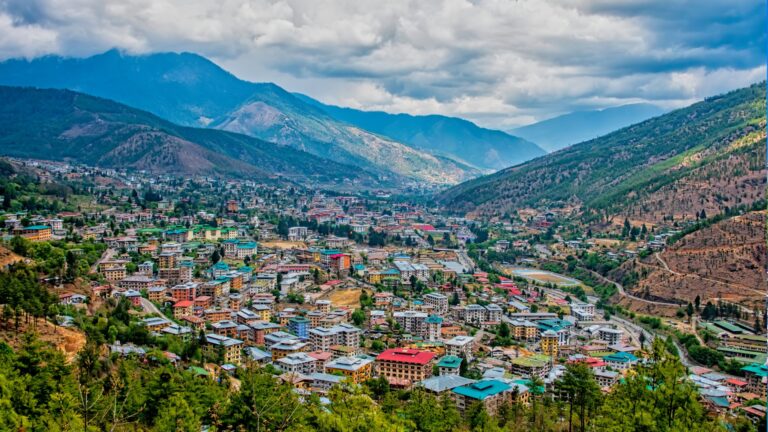
Volcanic highlands, tropical rainforests, and deep limestone basins create varied ecological zones sustaining rich biodiversity and historical settlements.

Guatemala City, Antigua, Flores, Quetzaltenango, and Coban serve as primary administrative, cultural, and essential historic tourist destinations.

Jade masks, polychrome ceramics, stone stelae, obsidian blades, and ceremonial codices demonstrate high technical precision and symbolic meaning.

Spanish remains the primary language, alongside K’iche’, Q’eqchi’, Kaqchikel, Mam, and Q’anjob’al spoken by indigenous regional populations.

Roman Catholicism blends deeply with ancient Maya spirituality to create a unique and highly syncretic religious national landscape.

Historical leaders like Tecun Uman and modern cultural icons represent the resilience of indigenous peoples against external colonial forces.

Tikal, El Mirador, Quirigua, Yaxha, and Mixco Viejo serve as sacred archives of ancient urban planning and architectural mastery.
Overview: Guatemala
Guatemala functions as the primary cultural and strategic anchor of the Maya world, serving as a vital bridge between the Yucatan Peninsula and the rugged Central American isthmus. Consequently, the nation stands as a monumental intersection where ancient Maya astronomical traditions, complex mathematical systems, and tiered social hierarchies meet the rigorous requirements of modern global integration and the preservation of vital cultural heritage.
Moreover, this nation remains a monumental nexus where the ancient past actively informs the trajectory of its sovereign, evolving future. It maintains its regional importance through a persistent dedication to ancestral identity and a sophisticated mastery of its tiered, volcanic landscape that has supported human development for thousands of years, effectively managing the intersection of its dense historical archives and its current aspirations for international advancement.
Geography
Landscapes and Geography
Guatemala’s geography is dramatically bifurcated by its diverse geological origin, which dictates the nation’s unique environmental layout, hydrological cycles, and extreme physical diversity. The northern region sits atop a massive, porous limestone shelf that results in expansive, dense rainforests, subterranean river systems, and limestone karst formations that historically provided the foundation for massive urban growth.
Consequently, the southern region features the prominent, jagged volcanic highlands, where consistent tropical precipitation carves deep, verdant canyons into the landscape and creates dynamic river systems that nourish the high-altitude valleys below. This stark environmental dichotomy necessitates unique structural adaptations in both ancient monumental building techniques and modern, reinforced infrastructure, ensuring that human habitation remains resilient against seismic activity and the intense seasonal pressures of the tropical climate.
Geography Examples
- Sierra de los Cuchumatanes
- Lake Atitlan
- Peten Basin
- Motagua Fault
- Pacaya Volcano
- Usumacinta River
- Tajumulco Volcano
- Semuc Champey
- Polochic Valley
- Izabal Lake
Culture
Culture and People
Maya identity fundamentally defines the resilient spirit of Guatemala, as many communities continue to follow the ancient Tzolkin calendar for their daily activities and spiritual observances. Local artisans create stunning, intricate textile patterns using traditional hand-operated looms, a process that requires immense patience and skill. These designs effectively encode complex stories of family lineage, regional identity, and deep spiritual beliefs, serving as a non-verbal history book that preserves communal memory. By wearing these garments, individuals publicly assert their ongoing connection to their specific village origins and the broader Maya heritage.
Urban centers like Antigua highlight the fascinating, centuries-old mix of cultures that define the national experience. People gather in busy, aromatic markets to trade essential goods, share community news, and maintain the social fabric of their neighborhoods. Traditional Maya food, such as corn-based tamales prepared through the ancient process of nixtamalization, remains a central, unifying part of every major feast and family gathering. Social bonds are maintained through communal celebrations, ensuring that the legacy of mutual support and shared responsibility remains the cornerstone of daily life.
Culture Examples
- K’iche’ Maya Culture
- Q’eqchi’ Maya Culture
- Kaqchikel Maya Culture
- Mam Maya Culture
- Ladino Culture
- Garifuna Culture
- Xinka Culture
- Tzutujil Maya Culture
- Poqomam Maya Culture
- Achi Maya Culture
Economy
Economy and Industry
The national economy relies on a sophisticated blend of export-oriented agriculture and a growing service sector that caters to diverse global needs. Coffee production stands as a primary pillar of national wealth, with local farmers utilizing traditional, sustainable methods to harvest premium beans on the steep mountain slopes. This focus on high-quality, specialty produce allows the country to remain competitive in the global market while maintaining the integrity of their ancestral land management techniques. The result is an agricultural sector that respects both the environment and the economic needs of the populace.
Tourism also drives a significant portion of the growth in rural areas, as international visitors travel to witness the majesty of temple ruins and historic colonial towns. This activity supports thousands of local jobs in hospitality, logistics, and professional guide services. It also actively promotes the sale of authentic, handmade crafts, which provides a direct income stream for families throughout the highlands. By leveraging their history as a tourist asset, the nation creates a meaningful bridge between the global interest in their past and the tangible needs of their current citizens.
Economic Examples
- Coffee
- Sugar Cane
- Textiles
- Puerto Barrios
- Puerto Quetzal
- Cardamom
- Remittances
- Petroleum
- Tourism
- Palm Oil
Nature
Nature and Conservation
Conservationists prioritize the comprehensive health of the expansive Maya Biosphere Reserve, which serves as a critical refuge for biodiversity in the region. This vast, protected area preserves habitats for endangered species like jaguars and various tropical birds, ensuring that the ecological balance remains intact. Officials actively monitor the forest to mitigate the impact of illegal logging and to promote the regeneration of native tree species that are essential to the ecosystem. Their work is vital for maintaining the environmental stability that the region has relied upon for millennia.
Water protection also remains a primary concern, as clean springs and rivers feed the essential highland farms and valley towns downstream. The government works in close partnership with local councils to ensure that these waterways remain free of industrial pollution and agricultural runoff. People throughout the country increasingly treat the land as a sacred, finite source of life, recognizing that their long-term survival is inextricably linked to the purity of their natural resources. This collective commitment to conservation is a testament to the nation’s growing awareness of its role as a steward of the environment.
Nature Examples
- Maya Biosphere Reserve
- Tikal National Park
- Sierra del Lacandon
- Quetzal
- Jaguar
- Lake Atitlan Basin
- Laguna del Tigre
- Biotopo del Quetzal
- Rio Dulce National Park
- Sierra de las Minas

Maya textiles, specifically intricate backstrap weaving, depict complex genealogical histories and profound symbolic storytelling traditions throughout the nation.

Zenith passage events align sacred pyramid temples precisely with solar paths to signal critical agricultural and ritual cycles.
The massive Mirador Basin contains the largest pyramid by volume, revealing the immense scale of ancient urban construction.
Material Culture & Infrastructure of Guatemala
Guatemala architecture stands as a powerful testament to the structural challenges posed by the tropical environment and the ongoing, respectful integration of cultural heritage into the built landscape as ancient builders developed the iconic pyramid foundation—a massive, megalithic system comprising limestone blocks and intricate stucco facades—to elevate structures high above the ground, effectively facilitating precise astronomical observation and protecting communal stores from moisture and jungle encroachment.

Furthermore, the integration of cultural heritage remains central to the preservation of these sites, ensuring that modern construction respects ancient alignments, site sanctity, and ecological balance, while architects and engineers integrate these historical, time-tested concepts into contemporary, seismic-hardened designs, utilizing advanced engineering and reinforced materials to withstand high-frequency tectonic activity while maintaining the aesthetic integrity of the nation’s profound archaeological legacy.
Quick Facts
| Buildings & Archeology | Pyramid-Temples: Massive limestone structures designed for ceremony and astronomy. |
| Art and Architecture | Stucco Reliefs: Intricate carvings depicting deities, kings, and historical narratives. |
| Natural Resources | Obsidian & Jade: Highly valued materials used for ritual objects and sharp-edged tools. |
| Trade Routes | Sacbe: Elevated white limestone roads facilitating inter-city commerce and transit. |
| Urban Engineering | Plaza Systems: Centralized urban spaces organized for public gathering and governance. |
| Agriculture & Flora | Milpa Systems: Traditional polyculture farming of corn, beans, and squash for sustenance. |
| Pottery & Ceramics | Polychrome Ware: Highly decorated clay vessels used for elite ceremonial feasting. |
| Metallurgy | Gold & Copper Smelting: Late-period refinement for jewelry and status-signifying artifacts. |
| Glassmaking | Obsidian Flaking: The masterful technique of crafting volcanic glass into razor tools. |
| Military and Warfare | Defensive Walls: Stone fortifications surrounding cities during periods of political strife. |
| Textile Arts | Backstrap Weaving: A traditional method of creating symbolic and genealogical cloth. |
| Numismatics | Cacao Beans: The historical commodity-currency used in ancient marketplace transactions. |
| Maritime & Riverine | Canoe Ports: River networks used for the inland distribution of jungle resources. |
Civilizations of Guatemala
The developmental history of Guatemala is anchored in the Pre-Classic Maya emergence at sites like Nakbe and El Mirador around 1000 BCE, where early inhabitants transitioned from nomadic foraging to massive, sedentary urban planning by engineering sophisticated limestone causeways known as sacbeob, which connected ceremonial cores and facilitated the movement of goods across the dense, humid jungle basin to establish the first regional political power structures.
Civilizations
Civilizations and Societies
During the Classic period (250–900 CE), the civilization refined these systems through the Long Count calendar and advanced hieroglyphic literacy, which allowed elite dynasties at Tikal and Calakmul to broadcast genealogical legitimacy and historical records via intricately carved stone stelae that tracked dynastic successions, planetary alignments, and military victories, thereby creating a highly centralized social order that thrived in the interior lowlands despite the logistical challenge of limited surface water.
Finally, the later Post-Classic K’iche’ and Kaqchikel kingdoms shifted the locus of power to the defensive, high-altitude terrain of the Western Highlands at centers like Q’umarkaj and Iximche, where they adapted their architectural techniques to the volcanic landscape by utilizing deep, natural canyons as defensive moats and incorporating terrace-farming systems that ensured food security while simultaneously maintaining vibrant cultural heritage protocols that persist in modern day agricultural practices and social governance.
Civilization Examples
- Ancient Maya
- Kʼicheʼ Kingdom
- Kaqchikel
- Itza
- Mam
- Qʼeqchiʼ
- Pipil
- Xinka
- Tzutujil
- Poqomam
Landmarks
Landmarks and Archeological Sites
The Tikal National Park stands as the nation’s most evocative landmark, serving as both a crucial geographic sentinel and a powerful, enduring monument to ancient Maya intellectual achievement and the preservation of cultural heritage as the massive, towering limestone pyramids located here provide clear evidence of the advanced engineering and astronomical foresight possessed by the ancient architects, while simultaneously serving as a primary location for ongoing archaeological study and cultural education.
Nearby, the ruins of El Mirador contain even more massive, older structures that represent the architectural height of the Pre-Classic period, allowing visitors to truly appreciate the sheer, breathtaking scale of ancestral construction and city planning because these sites are not merely passive tourist destinations but are protected as living, sacred archives of ancestral memory and societal identity, providing researchers with essential, tangible clues about the rise and fall of the grandest urban centers in the region’s history.
Landmarks Examples
- Tikal
- El Mirador
- Quirigua
- Yaxha
- Uaxactun
- Mixco Viejo
- Kaminaljuyu
- Zaculeu
- Iximche
- Qʼumarkaj
Artifacts
Artifacts & Tools
The jade mask represents the primary artifact of Maya nobility and ritual engineering, demonstrating the intense training, artistic precision, and technical skill necessary for successful cultural heritage preservation and ceremonial utility, as these exquisite items were frequently crafted using high-value materials and were specifically designed to signify the status of the wearer during critical rituals intended to align the community with the celestial patterns and ancestral forces.
Archaeological excavations regularly yield pottery shards with distinct, vibrant polychrome designs that provide tangible, undeniable evidence of migration, trade patterns, and ancient daily life across the various regions because contemporary artisans actively preserve the knowledge of these artifacts by meticulously recreating them for cultural education and ceremonial use, ensuring that the visual language and symbolic depth of the ancient masters remain a living, vital part of the nation’s identity and international legacy.
Artifact Examples
- Jade Mosaic Mask
- Stela 31
- Popol Vuh Manuscript
- Polychrome Vase
- Obsidian Eccentric
- Ceramic Whistle
- Dresden Codex
- Jade Pectoral
- Stucco Glyph
- Spanish Galleon Cannon
Traditions
Traditions & Religion
The most significant and deeply respected tradition in Guatemala is the formal communal gathering, an essential event used to settle disputes, manage collective resource allocation, and ensure long-term, stable cultural heritage cohesion among village members, where these structured meetings utilize ancient, rhythmic traditions to recount the shared genealogy and moral history of the involved parties, effectively using the collective memory as a mechanism for contemporary tension resolution by reminding everyone of their common, deep-seated roots.
Furthermore, seasonal harvest rituals are also central to the cultural calendar, marking the critical transition of the agricultural seasons and the renewal of the land as the rhythmic performance of traditional dance and music serves to teach younger generations the specific, sacred nature of the land’s topography and the importance of ecological guardianship, ensuring that the wisdom of the ancestors remains alive and well-integrated into the modern, evolving social fabric of the nation.
Traditional Examples
- Fiesta de Santo Tomas
- Rabinal Achi
- Day of the Dead
- Holy Week in Antigua
- Maya Fire Ceremony
- Patron Saint Processions
- New Year Harvest Rituals
- Traditional Textile Weaving
- Xajil Dance
- Ceremonial Marimba Performance

Philosophical Systems & Social Rhythms in Guatemala
The social rhythm of Guatemala is governed by a foundational philosophy that prioritizes social harmony, interpersonal connectivity, and the continuous preservation of cultural heritage through generational transmission, which is deeply contrasted by the technical precision required in the country’s modern agricultural, industrial, and research sectors, creating a unique, productive tension where high-tech efficiency and deep-rooted ancestral slow-living coexist to maintain overall regional stability and national pride.

Philosophically, the concept of the massive pyramid foundation serves as a perfect, enduring metaphor for the national social structure, where the broad base represents the collective, foundational community support system and the temple top symbolizes the protective, visionary reach of the state, especially in the spring, when the cycle of planting begins and the entire society pivots to focus intently on the land, emphasizing the country’s fundamental, historic status as an agricultural nation deeply connected to the natural world and its cycles.
Quick Facts
| Spirits & Deities | Ancestral spirits: Revered entities linked to natural elements and family guidance. |
| Mythology | Popol Vuh: A sacred creation text teaching respect for the world’s depth and origin. |
| Traditions | Fiesta: A village-wide celebration of local saints, fostering community unity. |
| Science and Philosophy | Astronomical Logic: The use of star-mapping to maintain seasonal sovereignty. |
| Literature | Hieroglyphic Script: Traditional arrangements used to pass down legal and moral codes. |
| Music & Instruments | Marimba: The national instrument, used in rhythmic communal gatherings. |
| Medicine & Herbology | Curanderos: Local herbalists who use native flora for restorative plant knowledge. |
| Ancient Games | Ball Game: Ritual competitive events held to test village mastery and strength. |
| Achievements | Calendar Systems: Complex cycles developed for terrestrial and celestial research. |
| Astronomy | Horizon-Mapping: The practice of reading the sky to time the harvest accurately. |
| Jewelry & Adornment | Jade Pendants: High-value stone jewelry used as currency and a status marker. |
| Social Structure | Village Councils: Traditional leaders managing welfare and legal arbitration. |
| Cuisine Roots | Corn Traditions: Foundational diet reflecting the integration of indigenous crops. |
| Ancient Fauna | Jaguar: A historic creature of cultural significance, bridging earth and sky. |
| Diplomacy | Council Assemblies: Collective bodies tasked with protecting cultural integrity. |
| Nomadic Equipment | Carrying Tumplines: Masterpiece of ergonomic engineering critical for transport. |
Did you know? Guatemala
- The pyramids of Tikal are not just architectural foundations; they are also considered sacred, precise observatories that represent a physical, spiritual bridge between the living community and their ancestors.
- Guatemala is the undisputed birthplace of the global chocolate tradition, as the ancient Maya were the first to successfully cultivate cacao and refine it into a highly complex, ritual beverage that was valued as a primary currency throughout the region.

Timeline of Guatemala
The long, complex chronicle of Guatemala is fundamentally defined by its remarkable resilience against external forces, its deep, unbreakable connection to the land, and the persistent preservation of its unique cultural heritage since the early eras were defined by the Pre-Classic transition, where massive stone foundations, early water management systems, and sophisticated calendar cycles laid the vital groundwork for an incredibly organized, durable society that could support large-scale urban growth and regional stability.

These foundational periods allowed for the Classic Maya peak, a time of immense structural advancement, technical innovation, and social stratification where monumental architecture and hierarchical states dominated the Peten Basin and the surrounding highlands, following which the intervening and modern eras brought dramatic, sometimes violent changes to the country’s social and religious landscape as colonial administrative hubs replaced traditional city-states, yet the core of the national identity remained anchored in its profound indigenous heritage and a focus on regional progress.
Timeline
- 2600 BC: Early sedentary settlements appear in the northern lowlands.
- 1800 BC: Pre-Classic period begins with the adoption of pottery and early agriculture.
- 1500 BC: Trade networks for obsidian and jade stabilize across Mesoamerica.
- 1000 BC: Nakbe emerges as an early monumental urban center.
- 800 BC: Expansion of complex social stratification and priestly governance.
- 600 BC: First sophisticated stone stelae are carved with early glyphic records.
- 400 BC: El Mirador grows into the most populous city in pre-Columbian America.
- 300 BC: Development of the Long Count calendar system begins.
- 100 BC: Construction of the massive Danta pyramid complex.
- 150 AD: Major abandonment of El Mirador following regional drought.
- 250 AD: Classic Maya era begins; Tikal becomes the dominant power center.
- 378 AD: Teotihuacan influence expands, altering political power in the Peten.
- 500 AD: Widespread use of polychrome ceramics and advanced masonry techniques.
- 600 AD: Tikal-Calakmul wars intensify, shaping regional alliances.
- 723 AD: Cauac Sky ascends to power in Quirigua, expanding monumental sculpture.
- 800 AD: Peak of architectural innovation in palace complexes.
- 850 AD: Terminal Classic collapse; major urban centers face environmental pressure.
- 900 AD: Migration patterns shift toward the highlands and northern lake regions.
- 1000 AD: Post-Classic societies establish fortified centers like Iximche.
- 1200 AD: Growth of strong highland kingdoms like the Kʼicheʼ and Kaqchikel.
- 1400 AD: Intensification of regional trade and political consolidation.
- 1524 AD: Arrival of Pedro de Alvarado; beginning of the colonial transition.
- 1543 AD: Founding of Antigua Guatemala as the colonial capital.

Timeline (Cont.)
- 1600 AD: Implementation of Spanish administrative and religious systems.
- 1697 AD: Fall of Nojpeten, the last independent Maya kingdom.
- 1773 AD: Santa Marta earthquakes destroy much of Antigua.
- 1776 AD: Relocation of the capital to present-day Guatemala City.
- 1821 AD: Guatemala declares independence from the Spanish Empire.
- 1847 AD: Foundation of the modern Republic of Guatemala.
- 1901 AD: Expansion of banana production by foreign interests.
- 1944 AD: October Revolution leads to significant social reform.
- 1954 AD: Foreign intervention precipitates a period of political instability.
- 1960 AD: Beginning of a multi-decade internal armed conflict.
- 1976 AD: Massive earthquake causes widespread urban devastation.
- 1980 AD: Rise of social movements for indigenous representation.
- 1996 AD: Signing of the Peace Accords concludes the internal conflict.
- 2000 AD: Strengthening of democratic institutions and civic engagement.
- 2005 AD: Expansion of international tourism to archaeological heritage sites.
- 2010 AD: Renewed focus on the preservation of Maya languages and arts.
- 2015 AD: National mobilization against systemic corruption.
- 2018 AD: Volcano Fuego eruption requires massive national disaster response.
- 2020 AD: Adaptation to global pandemic and local economic challenges.
- 2022 AD: Reinvestment in national infrastructure and sustainable tourism.
- 2023 AD: Political transition highlights ongoing democratic consolidation.
- 2024 AD: Expansion of digital education in rural highland communities.
- 2025 AD: Global collaboration for the protection of forest corridors.
- 2026 AD: Continued focus on the intersection of heritage and innovation.

Sources & Credits for Guatemala
Sources
- UNESCO World Heritage Centre. (2025). Tikal National Park Official Site Description. Paris, France.
- University of Pennsylvania Museum. (2024). Tikal Archaeological Project Research Archives. Philadelphia, USA.
- Smithsonian Institution. (2025). National Museum of the American Indian Maya Collections. Washington, D.C.
- Guatemala Ministry of Culture and Sports. (2026). National Heritage Protection Statutes. Guatemala City.
- Library of Congress. (2024). Mesoamerican Research and Archaeological Data. Washington, D.C.
- National Geographic Society. (2025). Exploration of the Mirador Basin Structures. Washington, D.C.
- Harvard University. (2024). Peabody Museum Maya Hieroglyphic Database Project. Cambridge, USA.
- British Museum. (2025). Ancient Mesoamerican Collections and Artifact Histories. London, UK.
- World Bank Group. (2026). Guatemala Country Economic Development Profile. Washington, D.C.
- Cornell University Library. (2025). Indigenous Rights and Cultural Persistence in Guatemala. Ithaca, USA.