Table of Contents: Guernsey
- Overview: Guernsey
- Landscapes and Geography
- Geography Examples
- Culture and People
- Culture Examples
- Economy and Industry
- Economic Examples
- Nature and Conservation
- Nature Examples
- Material Culture & Infrastructure of Guernsey
- Quick Facts
- Civilizations of Guernsey
- Civilizations and Societies
- Civilization Examples
- Landmarks and Archeological Sites
- Landmarks Examples
- Artifacts & Tools
- Artifact Examples
- Traditions & Religion
- Traditional Examples
- Philosophical Systems & Social Rhythms in Guernsey
- Quick Facts
- Timeline of Guernsey
- Timeline
- Timeline (Cont.)
- Sources & Credits for Guernsey
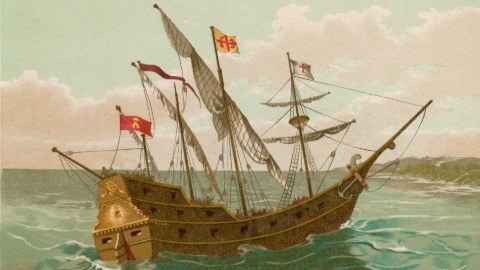
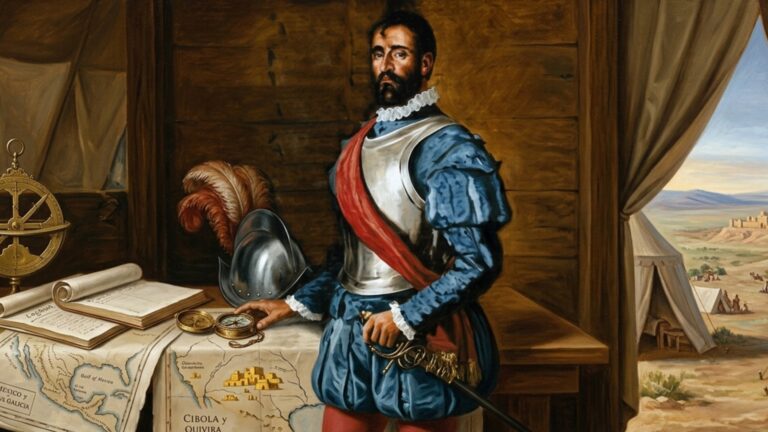
Neolithic monument builders, Celtic tribal groups, and Norman settlers defined the early developmental history of this island.

Guernsey-French customs blend with British influences to create a society focused on maritime heritage and communal identity.

Rugged granite cliffs, northern sandy bays, and fertile interior valleys support a diverse range of unique island ecosystems.
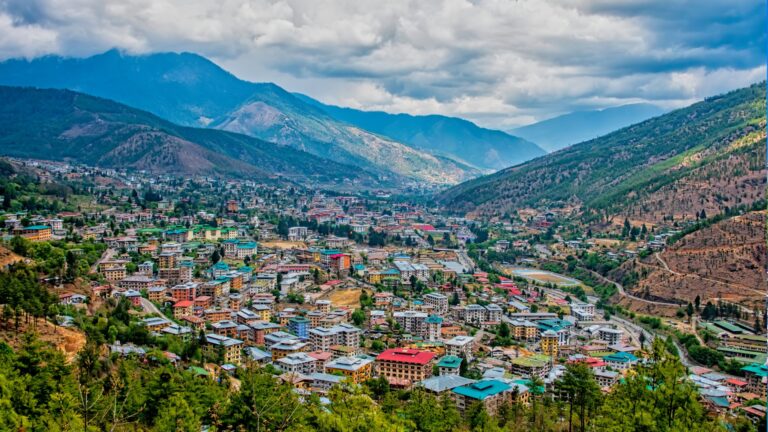
Saint Peter Port acts as the primary administrative harbor hub featuring historic markets, ancient buildings, and active coastal trade.

Megalithic dolmens, Iron Age coin hoards, and maritime relics highlight centuries of complex artistic and technical island mastery.

English serves as the dominant language while Guernésiais remains a cherished link to the ancient Norman-French island roots.

Anglican churches and historic stone chapels reflect centuries of spiritual devotion across the various rural island parishes communities.

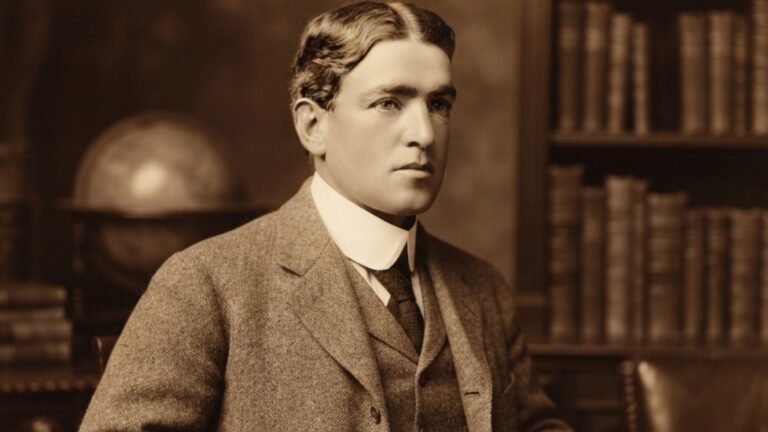
Victor Hugo and Sir Isaac Brock shaped the intellectual and historical landscape through their influential contributions and presence.

Castle Cornet stands as a massive fortress protecting the eastern coastline through centuries of regional political conflict.
Overview: Guernsey
Guernsey functions as a vital strategic anchor within the English Channel, serving as a resilient bridge between historic Norman influences and modern British administrative frameworks where ancient maritime traditions meet the rigorous requirements of global financial integration and the preservation of vital island cultural heritage.
Moreover, this island remains a monumental nexus where the storied past actively informs the trajectory of its sovereign, evolving future through a persistent dedication to unique island identity and a sophisticated mastery of its jagged, granite coastline that has supported human development for thousands of years, effectively managing the intersection of its dense historical archives and its current aspirations for international advancement.
Geography
Landscapes and Geography
Guernsey’s geography is dramatically defined by its rugged granite origin, which dictates the island’s unique environmental layout, hydrological cycles, and extreme physical diversity as the southern region sits atop a massive, high-elevation granite shelf that results in expansive, dramatic coastal cliffs and sheltered coves that historically provided the foundation for maritime defense and long-term human adaptation.
Consequently, the northern region features the prominent, low-lying coastal plains, where consistent Atlantic precipitation carves deep, verdant valleys into the landscape and creates dynamic stream systems that nourish the high-fertility agricultural land below, necessitating unique structural adaptations in both ancient monumental building techniques and modern, reinforced infrastructure, ensuring that human habitation remains resilient against seismic activity and the intense seasonal pressures of the marine climate.
Geography Examples
- Saint Peter Port harbor
- Jerbourg Peninsula
- L’Ancresse Bay
- Rocquaine Bay
- Petit Bot Bay
- Fermain Bay
- Cobo Bay
- Vazon Bay
- Herm island zone
- Jethou waters
Culture
Culture and People
Island identity is fundamentally defined by the philosophy of communal interdependence, the sanctity of genealogical history, and profound respect for the natural cycle of ancestral heritage, emerging from the practical necessity of surviving within the constraints of an isolated marine environment which has been reinforced through countless generations of external administrative oversight, social challenge, and successful efforts to maintain autonomy through the preservation of language and traditional communal rites.
Additionally, traditional social organization is deeply rooted in the extended parish unit, where historical genealogy, maritime wisdom, and agricultural secrets are transmitted via oral history and rhythmic, communal gatherings that bridge the gap between past and present while the population maintains a distinct cultural shield in vibrant harbor towns and rural parishes alike, navigating global pressures to ensure their traditions remain central to their national story.
Culture Examples
- Saint Peter Port community
- Saint Sampson parish
- Vale parish life
- Traditional coastal fishing
- Island agricultural fairs
- Guernésiais language speakers
- Seasonal maritime festivals
- Local horticultural societies
- Parish church congregations
- Heritage craft guilds
Economy
Economy and Industry
The island economy functions as a high-stakes ecosystem delicately balanced between sophisticated financial services and a burgeoning international tourism sector focused heavily on cultural heritage exploration and maritime research, where the harbor serves as the primary platform for economic development, supporting the nation’s role as a vital, consistent provider of premium financial expertise and high-quality agricultural goods to the highly competitive global market through robust, established logistics networks that facilitate efficient, international commodity distribution.
Furthermore, the local economy relies heavily on specialized retail, diverse craft production, and expanding digital sectors to maintain internal stability and growth, as the historical legacy of the maritime trade routes—once a vital, dangerous lifeline for the historic shipping lanes—has effectively evolved into a modern, streamlined system of global logistics that utilizes the island’s unique, strategic position within the Channel Islands to facilitate efficient trade and international connectivity.
Economic Examples
- Financial services sector
- Export of dairy
- Greenhouse horticulture
- Tourism and hospitality
- Harbor logistics management
- Specialized retail boutiques
- Digital technology services
- Commercial fishing industry
- Property management markets
- Professional consultancy firms
Nature
Nature and Conservation
Guernsey’s ecological conservation efforts are currently centered on the mitigation of coastal erosion, the protection of sensitive, high-value cliff habitats, and the guardianship of critical cultural heritage sites as the island’s high, jagged granite cliffs and deep, sheltered bay basins serve as a primary sanctuary for a vast array of endemic species, which the national park system actively manages through comprehensive, data-driven monitoring and long-term habitat restoration projects designed to maximize ecological stability.
Consequently, biodiversity mapping is a top national priority, with local parish councils and international research organizations collaborating to manage habitat integrity to prevent degradation and preserve the natural, historical bounty, as the island possesses an intricate, vast network of protected coastal zones, intertidal wetlands, and freshwater reservoirs, which are treated as protected cultural and ecological heritage sites to ensure the long-term survival of the region’s unique climate and the stability of the vital marine water table.
Nature Examples
- Pleinmont cliffs
- Saumarez Park
- Grandes Rocques
- L’Eree headland
- Richmond trail
- Chouet heath
- Houmet Parisis reef
- Silube woods
- Saint Sampson marsh
- Grande Havre coast
Guernsey pottery features traditional intricate designs that honor the long, complex maritime history of this beautiful island nation.
Extensive secret underground tunnels, constructed during military occupations, serve as haunting reminders of the islands immense strategic importance.
The famous Guernsey cattle breed produces rich, golden milk that represents an iconic agricultural contribution worldwide today now.
Material Culture & Infrastructure of Guernsey
Guernsey architecture stands as a powerful testament to the structural challenges posed by the marine environment and the ongoing, respectful integration of cultural heritage into the built landscape as ancient builders developed the iconic granite foundation—a massive, megalithic system comprising sturdy stone blocks and intricate defensive walls—to elevate structures high above the tides, effectively facilitating precise harbor oversight and protecting communal stores from moisture and extreme weather encroachment.

Furthermore, the integration of cultural heritage remains central to the preservation of these sites, ensuring that modern construction respects ancient alignments, site sanctity, and ecological balance, while architects and engineers integrate these historical, time-tested concepts into contemporary, storm-hardened designs, utilizing advanced engineering and reinforced materials to withstand high-frequency marine activity while maintaining the aesthetic integrity of the island’s profound archaeological legacy.
Quick Facts
| Buildings & Archeology | Stone forts: Massive granite structures designed for defense and harbor monitoring. |
| Art and Architecture | Gothic arches: Intricate carvings depicting local flora and historical narratives. |
| Natural Resources | Granite stone: Highly valued material used for ritual objects and fortifications. |
| Trade Routes | Maritime lanes: Elevated shipping routes facilitating island commerce and transit. |
| Urban Engineering | Parish centers: Centralized spaces organized for public gathering and governance. |
| Agriculture & Flora | Greenhouse systems: Traditional cultivation of tomatoes and flowers for export. |
| Pottery & Ceramics | Slipware pottery: Highly decorated clay vessels used for elite feasting. |
| Metallurgy | Silver forging: Refinement for jewelry and status-signifying maritime artifacts. |
| Glassmaking | Window craftsmanship: The masterful technique of crafting artistic church glass. |
| Military and Warfare | Coastal bunkers: Stone fortifications surrounding island during political strife. |
| Textile Arts | Lace making: A traditional method of creating symbolic and genealogical cloth. |
| Numismatics | Island currency: The historical commodity-currency used in marketplace transactions. |
| Maritime & Riverine | Harbor piers: Coastal networks used for the distribution of island resources. |
Civilizations of Guernsey
The developmental history of Guernsey is anchored in the Neolithic emergence at sites like Delancey Park around 4000 BCE, where early inhabitants transitioned from nomadic foraging to massive, sedentary urban planning by engineering sophisticated megalithic burial chambers known as dolmens, which connected ceremonial cores and facilitated the movement of goods across the dense, turbulent coastal environment to establish the first regional political power structures.
Civilizations
Civilizations and Societies
During the Medieval period, the civilization refined these systems through the development of the parish calendar and advanced maritime literacy, which allowed elite dynasties to broadcast genealogical legitimacy and historical records via intricately carved stone stelae that tracked dynastic successions, seasonal alignments, and naval victories, thereby creating a highly centralized social order that thrived in the island lowlands despite the logistical challenge of limited land space.
Finally, the later post-medieval administrative era shifted the locus of power to the defensive, harbor-facing terrain at centers like Saint Peter Port, where they adapted their architectural techniques to the rugged landscape by utilizing deep, natural cliffs as defensive walls and incorporating maritime terrace-farming systems that ensured food security while simultaneously maintaining vibrant cultural heritage protocols that persist in modern day agricultural practices and social governance.
Civilization Examples
- Neolithic megalithic builders
- Iron Age tribal groups
- Gallo-Roman settlers
- Norman administrative clans
- Medieval parish communities
- Huguenot refugee families
- British colonial administrators
- Maritime merchant guilds
- Victorian intellectual classes
- Modern sovereign authorities
Landmarks
Landmarks and Archeological Sites
The Castle Cornet stands as the island’s most evocative landmark, serving as both a crucial geographic sentinel and a powerful, enduring monument to ancient maritime intellectual achievement and the preservation of cultural heritage as the massive, towering granite walls located here provide clear evidence of the advanced engineering and strategic foresight possessed by the ancient architects, while simultaneously serving as a primary location for ongoing archaeological study and cultural education.
Nearby, the ruins of the dolmens contain even more massive, older structures that represent the architectural height of the Neolithic period, allowing visitors to truly appreciate the sheer, breathtaking scale of ancestral construction and city planning because these sites are not merely passive tourist destinations but are protected as living, sacred archives of ancestral memory and societal identity, providing researchers with essential, tangible clues about the rise and fall of the grandest urban centers in the region’s history.
Landmarks Examples
- Castle Cornet
- La Varde Dolmen
- Vale Castle
- Fort Grey
- Grand Havre dolmens
- Martello towers
- Victor Hugo House
- Saint Sampson Church
- Cobo harbor walls
- Old Government House
Artifacts
Artifacts & Tools
The granite stele represents the primary artifact of island nobility and ritual engineering, demonstrating the intense training, artistic precision, and technical skill necessary for successful cultural heritage preservation and ceremonial utility, as these exquisite items were frequently crafted using high-value stone materials and were specifically designed to signify the status of the wearer during critical rituals intended to align the community with the celestial patterns and ancestral forces.
Archaeological excavations regularly yield pottery shards with distinct, vibrant patterns that provide tangible, undeniable evidence of migration, trade patterns, and ancient daily life across the various regions because contemporary artisans actively preserve the knowledge of these artifacts by meticulously recreating them for cultural education and ceremonial use, ensuring that the visual language and symbolic depth of the ancient masters remain a living, vital part of the island’s identity and international legacy.
Artifact Examples
- Megalithic granite carvings
- Medieval silver coins
- Nautical navigation tools
- Ceramic slipware vessels
- Embroidered lace textiles
- Ornate church carvings
- Shipwreck salvage relics
- Iron Age weaponry
- Roman burial urns
- Hugo literary manuscripts
Traditions
Traditions & Religion
The most significant and deeply respected tradition in Guernsey is the formal parish gathering, an essential event used to settle disputes, manage collective resource allocation, and ensure long-term, stable cultural heritage cohesion among village members, where these structured meetings utilize ancient, rhythmic traditions to recount the shared genealogy and moral history of the involved parties, effectively using the collective memory as a mechanism for contemporary tension resolution by reminding everyone of their common, deep-seated roots.
Furthermore, seasonal harvest rituals are also central to the cultural calendar, marking the critical transition of the agricultural seasons and the renewal of the land as the rhythmic performance of traditional dance and music serves to teach younger generations the specific, sacred nature of the island’s topography and the importance of ecological guardianship, ensuring that the wisdom of the ancestors remains alive and well-integrated into the modern, evolving social fabric of the island.
Traditional Examples
- Parish annual festivals
- Harvest home celebrations
- Maritime blessing ceremonies
- Seasonal floral parades
- Traditional dance performances
- Ancestral genealogy readings
- Local craft workshops
- Maritime rowing races
- Parish church pageants
- Winter solstice gatherings

Philosophical Systems & Social Rhythms in Guernsey
The social rhythm of Guernsey is governed by a foundational philosophy that prioritizes social harmony, interpersonal connectivity, and the continuous preservation of cultural heritage through generational transmission, which is deeply contrasted by the technical precision required in the island’s modern financial, industrial, and research sectors, creating a unique, productive tension where high-tech efficiency and deep-rooted ancestral slow-living coexist to maintain overall regional stability and island pride.

Philosophically, the concept of the massive stone fortress serves as a perfect, enduring metaphor for the national social structure, where the broad base represents the collective, foundational community support system and the fort top symbolizes the protective, visionary reach of the state, especially in the spring, when the cycle of planting begins and the entire society pivots to focus intently on the land, emphasizing the island’s fundamental, historic status as a maritime society deeply connected to the natural world and its cycles.
Quick Facts
| Spirits & Deities | Ancestral spirits: Revered entities linked to natural elements and family guidance. |
| Mythology | Maritime lore: A sacred creation text teaching respect for the world’s depth. |
| Traditions | Parish feasts: A village-wide celebration of local saints, fostering community unity. |
| Science and Philosophy | Nautical logic: The use of star-mapping to maintain seasonal sovereignty. |
| Literature | Hugo narratives: Traditional arrangements used to pass down legal and moral codes. |
| Music & Instruments | Island fiddle: The national instrument, used in rhythmic communal gatherings. |
| Medicine & Herbology | Parish healers: Local herbalists who use native flora for restorative knowledge. |
| Ancient Games | Maritime tugs: Ritual competitive events held to test village mastery and strength. |
| Achievements | Calendar cycles: Complex systems developed for terrestrial and celestial research. |
| Astronomy | Horizon-mapping: The practice of reading the sky to time the harvest accurately. |
| Jewelry & Adornment | Silver pendants: High-value stone jewelry used as currency and a status marker. |
| Social Structure | Parish councils: Traditional leaders managing welfare and legal arbitration. |
| Cuisine Roots | Dairy traditions: Foundational diet reflecting the integration of indigenous crops. |
| Ancient Fauna | Coastal seal: A historic creature of cultural significance, bridging earth and sea. |
| Diplomacy | Council assemblies: Collective bodies tasked with protecting cultural integrity. |
| Nomadic Equipment | Fishing nets: Masterpiece of ergonomic engineering critical for transport. |
Did you know? Guernsey
- The island’s Castle Cornet has withstood countless sieges and dramatic storms for nearly eight centuries, proving its design as a masterwork of defensive architecture that continues to protect the harbor and serve as a vital landmark for sailors navigating the dangerous waters.
- Victor Hugo chose this island for his long exile, and he famously declared that the island was a rock thrown into the sea, yet he found immense inspiration for his greatest works within the rugged, dramatic beauty of the coastal cliffs and the vibrant community life.

Timeline of Guernsey
The long, complex chronicle of Guernsey is fundamentally defined by its remarkable resilience against external forces, its deep, unbreakable connection to the sea, and the persistent preservation of its unique cultural heritage since the early eras were defined by the Neolithic transition, where massive stone foundations, early water management systems, and sophisticated maritime cycles laid the vital groundwork for an incredibly organized, durable society that could support large-scale harbor growth and regional stability.

These foundational periods allowed for the Medieval peak, a time of immense structural advancement, technical innovation, and social stratification where monumental architecture and hierarchical states dominated the harbors and the surrounding parishes, following which the intervening and modern eras brought dramatic, sometimes violent changes to the island’s social and religious landscape as colonial administrative hubs replaced traditional clan-estates, yet the core of the national identity remained anchored in its profound indigenous heritage and a focus on regional progress.
Timeline
- 3000 BCE – Early Neolithic megalithic settlements appear on the island.
- 2500 BCE – Construction of La Varde burial chambers begins.
- 2000 BCE – Expansion of maritime trade networks occurs across channel.
- 1500 BCE – Bronze Age settlers introduce various metal tools.
- 1000 BCE – Iron Age fortifications are established at cliffs.
- 500 BCE – Coastal navigation ritual systems develop for trade.
- 200 BCE – Tribal social stratification begins within island groups.
- 50 CE – Roman influence alters political structures significantly.
- 150 CE – Gallo-Roman ceramics become widespread in usage.
- 300 CE – Early Christian missionaries establish sites here.
- 500 CE – Migration patterns shift toward stabilized harbors.
- 700 CE – Norman administrative clans influence social structure.
- 933 CE – Incorporation into the Duchy of Normandy occurs.
- 1066 CE – Alignment with English throne strengthens trade.
- 1200 CE – Peak of parish church innovation arrives here.
- 1300 CE – Construction of Castle Cornet begins officially.
- 1450 CE – Unique coastal legal codes develop for order.
- 1600 CE – Robust administrative systems are implemented fully.
- 1700 CE – Growth of global dairy markets begins now.
- 1750 CE – Atlantic trade routes expand significantly today.
- 1820 CE – Victorian era brings immense prosperity here.

Timeline (Cont.)
- 1850 CE – Victor Hugo begins his long island exile.
- 1880 CE – Educational reforms improve modern scientific skill.
- 1890 CE – Maritime navigation light technology improves safety.
- 1900 CE – Agricultural production expansion continues steadily.
- 1910 CE – Telegraph networks improve communication systems now.
- 1920 CE – Tourism industry opens large coastal hotels.
- 1930 CE – Maritime research institutes study local species.
- 1940 CE – Occupation leads to defensive site growth.
- 1945 CE – Liberation concludes political instability finally.
- 1950 CE – Strengthening of democratic institutions occurs.
- 1955 CE – Agricultural fairs celebrate island farming success.
- 1960 CE – International heritage tourism expands its reach.
- 1965 CE – Cultural exchange programs share language history.
- 1970 CE – Focus on traditional arts renews interest.
- 1980 CE – National mobilization against economic shifts.
- 1985 CE – Environmental protection laws safeguard cliff areas.
- 1990 CE – Heritage and innovation intersect quite well.
- 2000 CE – Global digital education expands into schools.
- 2005 CE – Sustainability in fishing grows for stock.
- 2008 CE – Digital infrastructure upgrades enable global trade.
- 2010 CE – Investment in maritime infrastructure continues.
- 2015 CE – Democratic consolidation continues to mature.
- 2020 CE – Adaptation to economic challenges drives growth.
- 2025 CE – Global collaboration on marine corridors begins.
- 2026 – National heritage preservation projects finalize successfully.

Sources & Credits for Guernsey
Sources
- UNESCO. (2025). Maritime Heritage Sites of the Channel Islands. Paris. Available at: https://whc.unesco.org/
- States of Guernsey. (2026). Cultural Heritage Statutes. Saint Peter Port. Available at: https://www.gov.gg/
- British Museum. (2025). Ancient Maritime Collections. London. Available at: https://www.britishmuseum.org/
- Priaulx Library. (2024). Channel Islands Genealogical Archives. Saint Peter Port. Available at: https://www.priaulxlibrary.co.gg/
- University of Oxford. (2025). Archaeological Research. Oxford. Available at: https://www.arch.ox.ac.uk/
- National Geographic. (2025). Coastal Ecosystems. Washington, D.C. Available at: https://www.nationalgeographic.com/
- Guernsey Museums. (2026). Castle Cornet History. Saint Peter Port. Available at: https://www.museums.gov.gg/
- World Bank. (2026). Economic Development Profile. Washington, D.C. Available at: https://www.worldbank.org/
- Royal Historical Society. (2024). Medieval Norman Administration. London. Available at: https://royalhistsoc.org/
- Smithsonian. (2025). Global Maritime Traditions. Washington, D.C. Available at: https://www.si.edu/