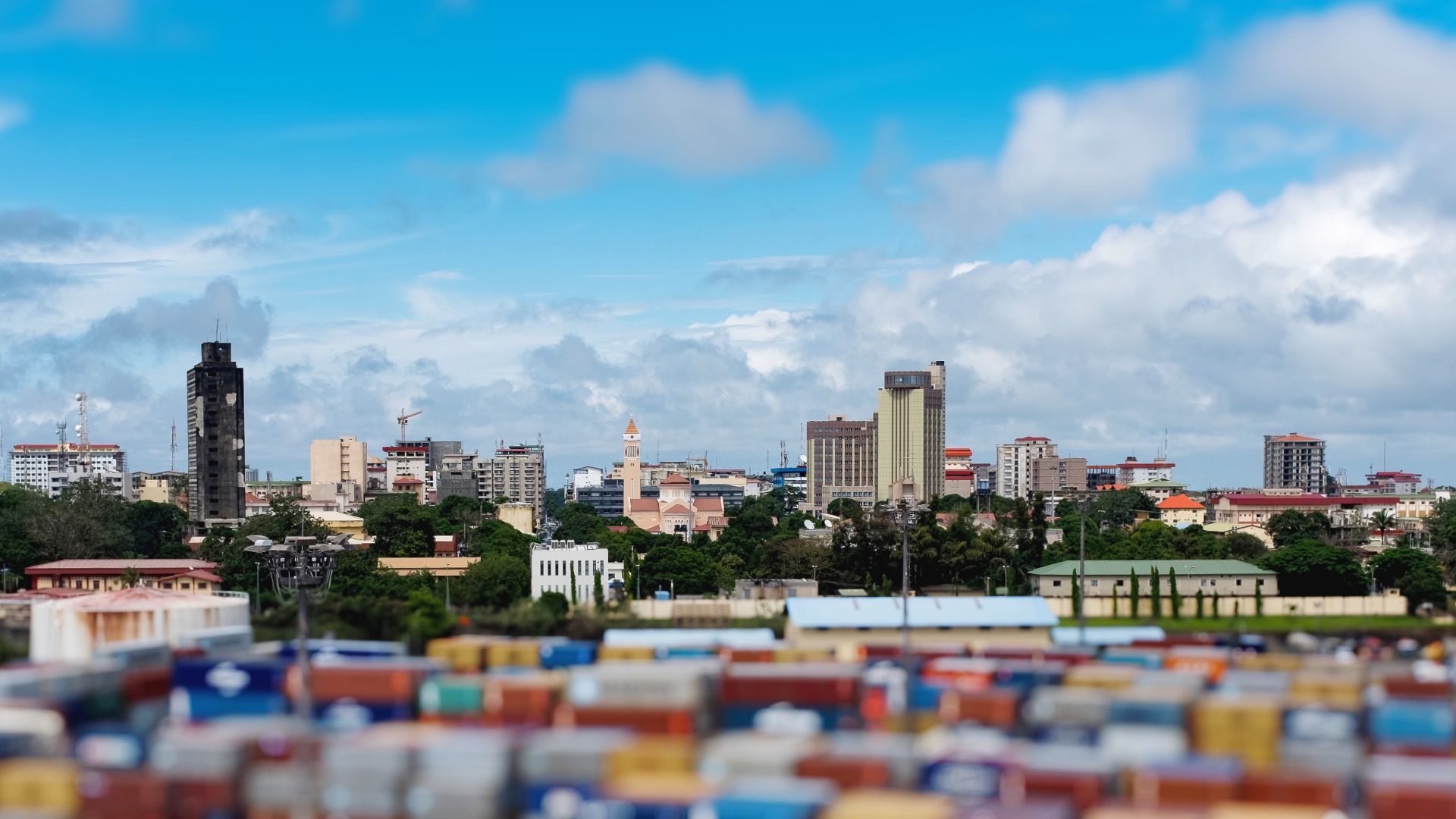
Table of Contents: Guinea
- Overview: Guinea
- Landscapes and Geography
- Geography Examples
- Culture and People
- Culture Examples
- Economy and Industry
- Economic Examples
- Nature and Conservation
- Nature Examples
- Material Culture & Infrastructure of Guinea
- Quick Facts
- Civilizations of Guinea
- Civilizations and Societies
- Civilization Examples
- Landmarks and Archeological Sites
- Landmarks Examples
- Artifacts & Tools
- Artifact Examples
- Traditions & Religion
- Tradition Examples
- Philosophical Systems & Social Rhythms in Guinea
- Quick Facts
- Timeline of Guinea
- Guinea Timeline
- Guinea Timeline (Cont.)
- Sources & Credits for Guinea
N’Ko, Mali Empire, Sosso Empire, Futa Jallon, Gallo-African settlers, Neolithic farmers, Iron Age groups, Sudanic states

Fula, Mandinka, Susu, Kissi, Kpelle, Tomas, Baga, Landouma, Nalou, Mikifore, Coniagui, Bassari, Peul

Fouta Djallon, Niger River, Mount Nimba, Bafing River, Sankarani River, Coastal Plain, Guinea Highlands, Forest Region

Conakry, Kankan, Labé, Nzérékoré, Kindia, Mamou, Faranah, Siguiri, Gaoual, Kissidougou, Pita, Dabola

Djembe drums, gold jewelry, wood masks, indigo textiles, clay pots, leather bags, iron blades, ritual statues

French, Pular, Maninka, Susu, Kissi, Kpelle, Toma, Baga, Nalu, Landuma, Guerze, Coniagui, Bassari

Islam, Christianity, Animism, Traditional beliefs, Syncretism, Spiritual devotion, Community prayer, Sacred rites, Ancestral worship

Samori Touré, Sékou Touré, Alpha Condé, Lansana Conté, Diallo Telli, Camara Laye, Keita Fodeba, Naby Camara

Mount Nimba, Grand Mosque, Fouta Djallon, Samori Fortress, Timbo Capital, Boffa Post, Dubreka Grove, Kindia Hills
Overview: Guinea
Guinea maintains a critical strategic position in West Africa by serving as the primary hydrological source for major regional rivers while navigating a complex historical identity shaped by centuries of Trans-Saharan trade and fierce resistance to external colonial administrative oversight.
Furthermore, this nation projects a unique national character that balances its rich, ancient genealogical archives with the modern requirements of a sovereign state, fostering a society that remains deeply committed to its indigenous roots even as it integrates into global commodity markets.
Geography
Landscapes and Geography
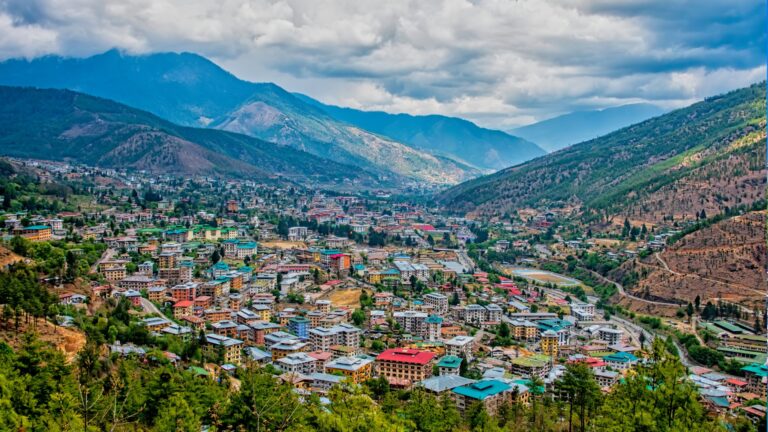
The physical layout of Guinea is dominated by the Fouta Djallon mountain range, a massive high-elevation plateau that dictates the nation unique drainage systems and creates diverse micro-climates that support both lush rainforests in the south and dry, sweeping savanna grasslands in the northern territories.
Consequently, this rugged geological foundation provides essential mineral wealth including high-grade bauxite and iron deposits, while the deep, rain-fed river valleys facilitate a complex agricultural environment that has necessitated centuries of community-led land management and soil conservation efforts.
Geography Examples
- Fouta Djallon highlands
- Niger River headwaters
- Mount Nimba massif
- Coastal mangrove forests
- Northern savanna plains
- Bafing river valley
- Sankarani river basin
- Forest Guinea region
- Lower Guinea plains
- Kindia mountain slopes
Culture
Culture and People
Social identity in Guinea relies heavily on the philosophy of communal interdependence, where genealogical history and the wisdom of elders form the primary framework for maintaining order and resilience against the pressures of urbanization and modern economic shifts that threaten to dilute local customs.
Additionally, the community structure is anchored by traditional village councils that mediate land use and resource distribution, ensuring that the diverse ethnic groups—including the Fula, Mandinka, and Susu—coexist through a system of reciprocal obligations and shared celebration of ancestral heritage.
Culture Examples
- Mandinka oral traditions
- Fula livestock husbandry
- Susu merchant networks
- Griot storyteller roles
- Village elder councils
- Ancestral naming rites
- Traditional dance troupes
- Community harvest feasts
- Regional weaving cooperatives
- Sacred initiation ceremonies
Economy
Economy and Industry
The economic foundation of Guinea revolves around its massive mineral extraction sector, which provides the primary revenue stream for the state and facilitates the development of essential national infrastructure, effectively positioning the nation as a key global supplier of essential aluminum-producing raw materials.
Moreover, the secondary industrial sector relies on the expansion of hydroelectric energy projects and diverse agricultural exports like coffee and palm oil, which support rural livelihoods and bridge the logistical gaps between the resource-rich interior highlands and the bustling, trade-focused coastal ports.
Economic Examples
- Bauxite extraction industry
- Gold mining operations
- Iron ore exportation
- Hydroelectric power generation
- Coffee crop farming
- Palm oil production
- Fishing industry growth
- Timber resource management
- Artisanal diamond trade
- Regional market logistics
Nature
Nature and Conservation
Ecological protection in Guinea focuses on the management of its status as the Water Tower of West Africa, where conservationists prioritize the safeguarding of high-altitude mountain reservoirs and sensitive forest corridors that house critically endangered mammal species and endemic plant life unique to the region.
Consequently, sustainability efforts are increasingly integrating traditional ecological knowledge with modern biodiversity mapping to combat deforestation and habitat fragmentation, ensuring that the nation natural bounty is preserved for future generations despite the ongoing expansion of industrial mining and human settlement footprints.
Nature Examples
- Mount Nimba reserve
- Upper Niger park
- Diécké forest refuge
- Ziama biosphere site
- Badiar national park
- Coastal mangrove swamps
- Highland water sanctuaries
- Endangered species habitats
- Biodiversity corridors protection
- Reforestation initiative programs

Nimba mask carvings symbolize fertility and agricultural prosperity within the vibrant artistic heritage of the local forest tribes.

Extensive underground karst cave systems remain largely unexplored and hold secrets regarding early human habitation and ancient geology.
Guinea possesses the world largest reserves of bauxite which represents an iconic industrial contribution to global aluminum production.
Material Culture & Infrastructure of Guinea
Guinea infrastructure reflects a historical mastery of structural adaptation to high-rainfall environments, where local builders employ earth-based materials and elevated architectural foundations to protect grain stores and communal dwellings from seasonal flooding and extreme climatic instability that characterizes the diverse terrain.
Furthermore, the integration of cultural heritage into modern public works remains a priority, as architects increasingly incorporate traditional aesthetic symbols—such as the Nimba fertility motif—into bridge designs and urban government centers, bridging the gap between ancestral engineering wisdom and current seismic-resistant construction requirements.
Quick Facts
| Buildings & Archeology | Mud-brick homes provide natural cooling insulation |
| Art and Architecture | Nimba motifs symbolize fertility and health |
| Natural Resources | Bauxite ore drives industrial economic development |
| Trade Routes | Caravan trails historically connected regional markets |
| Urban Engineering | Market hubs organize communal trade flows |
| Agriculture & Flora | Rice terraces optimize highland water usage |
| Pottery & Ceramics | Clay vessels store traditional liquid goods |
| Metallurgy | Iron forging produces durable agricultural implements |
| Glassmaking | Bottle reuse facilitates modern artisan craft |
| Military and Warfare | Stone fortresses protected historic trade centers |
| Textile Arts | Indigo cloth represents ethnic status identity |
| Numismatics | Cowrie shells preceded modern currency systems |
| Maritime & Riverine | Dugout canoes navigate essential river systems |
Civilizations of Guinea
The historical succession of civilizations in Guinea began with the early Neolithic groups who established complex agricultural societies along the Niger and Bafing rivers, developing advanced hydrological techniques that allowed for sedentary living in a region defined by fluctuating seasonal rainfall.
Civilizations
Civilizations and Societies
Following these early societies, the region was integrated into the Sosso and Mali empires, which established highly sophisticated administrative hierarchies and trade schools that facilitated the spread of literacy, Islamic scholarship, and a standardized commercial legal code that unified disparate ethnic groups across the highlands.
Finally, the post-medieval period saw the rise of the Futa Jallon theocracy, which codified laws and social structures into a written constitution, creating a resilient political order that successfully resisted early colonial incursions and preserved the core cultural identity of the interior people until the modern era.
Civilization Examples
- Early Neolithic settlers
- Sosso imperial clans
- Mali empire administrators
- Futa Jallon theologians
- Samori resistance fighters
- Colonial era administrations
- Modern republican movements
- Regional merchant guilds
- Highland farming collectives
- Coastal trade societies
Landmarks
Landmarks and Archeological Sites
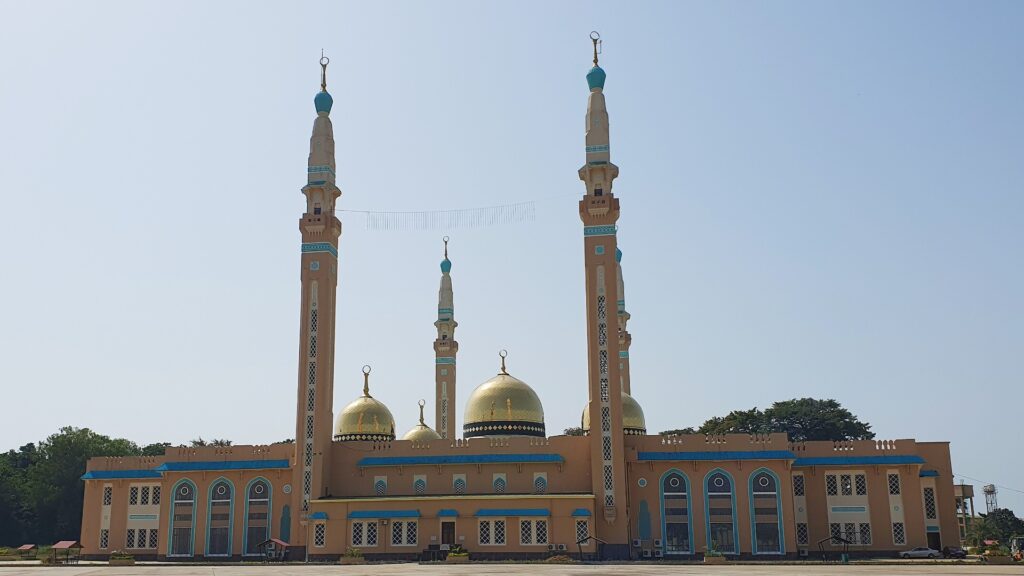
The Grand Mosque of Conakry stands as the most iconic monument of contemporary religious architecture, providing a site of profound spiritual gathering and structural stability that reflects the nation modern capacity for massive, high-precision engineering projects while honoring its historic devotion to the faith.
Additionally, the ancient ruins of Timbo offer an evocative glimpse into the political heart of the old highland state, where archaeologists uncover evidence of high-walled defensive structures and administrative palaces that once served as the central nodes for regional power, diplomacy, and the preservation of dynastic oral records.
Landmarks Examples
- Grand Mosque Conakry
- Timbo political ruins
- Samori Touré fortifications
- Kankan historic sites
- Mount Nimba monuments
- Dalaba colonial villas
- Boffa trading stations
- Kindia highland caves
- Dubreka sacred groves
- Mamou ancient mosques
Artifacts
Artifacts & Tools
The Sosso Bala remains the most significant artifact of Guinea, representing a 800-year-old balafon that serves as the definitive standard for musical tuning and the sacred vessel for transmitting ancestral history through rhythmic oral performance, requiring intense training to play.
Archaeological recovery in the region also frequently produces intricate gold jewelry and decorated iron blades that demonstrate a high degree of technical precision in metallurgy, revealing that early smiths possessed a deep understanding of thermal chemistry and alloy manipulation long before widespread contact with external industrial manufacturing techniques.
Artifact Examples
- Sosso Bala instrument
- Traditional Nimba masks
- Alluvial gold jewelry
- Ceremonial iron blades
- Indigo cotton textiles
- Terracotta cooking pots
- Leather trade pouches
- Carved wooden statues
- Woven grass mats
- Ritual clay pipes
Traditions
Traditions & Religion
Communal gatherings serve as the primary mechanism for social cohesion in Guinea, where the entire village meets to discuss matters of justice, resource management, and the observance of ancestral rites, ensuring that the collective wisdom of the elders is successfully passed to the next generation.
Seasonal harvest rituals further reinforce these ties, as communities perform elaborate, synchronized dances that honor the land and the deities of the rain, serving as both a joyful celebration of agricultural success and a serious educational event regarding the environmental cycles necessary for the survival of the village.
Tradition Examples
- Village assembly meetings
- Harvest renewal rituals
- Ancestral naming ceremonies
- Griot storytelling nights
- Traditional wrestling matches
- Masked dance performances
- Seasonal fertility rites
- Communal weaving bees
- Regional trade festivals
- Sacred forest initiations

Philosophical Systems & Social Rhythms in Guinea
The social rhythm of Guinea is defined by a delicate balance between tradition and modernization, where the ancestral mandate to respect the land and the community acts as a stabilizing force against the rapid, volatile pace of industrial development and global economic integration.

Philosophically, this balance is expressed through the concept of the Griot, who acts as the living archive of societal memory, ensuring that even as the nation adopts new technologies and modern administrative tools, the core values of honor, lineage, and ecological stewardship remain the guiding compass for national progress.
Quick Facts
| Spirits & Deities | Ancestral spirits oversee village moral conduct |
| Mythology | River legends explain the origin of water |
| Traditions | Village feasts maintain strong social cohesion |
| Science and Philosophy | Agricultural logic dictates seasonal planting calendars |
| Literature | Griot tales preserve essential ethnic history |
| Music & Instruments | Sosso Bala anchors traditional communal music |
| Medicine & Herbology | Forest healers treat ailments using flora |
| Ancient Games | Wrestling contests demonstrate youthful physical power |
| Achievements | Hydraulic planning ensures stable food supplies |
| Astronomy | Star movements guide the regional harvest |
| Jewelry & Adornment | Gold adornments signify high social rank |
| Social Structure | Elder councils mediate local legal disputes |
| Cuisine Roots | Grain staples reflect long-standing farming success |
| Ancient Fauna | Totemic animals protect the clan identity |
| Diplomacy | Gift exchange solidifies between-village alliances |
| Nomadic Equipment | Leather packs facilitate essential trade movement |
Did you know? Guinea
- The Sosso Bala is not just an instrument but a sacred national treasure that is believed to possess the power to bind the community together, with all other instruments in the country traditionally being tuned to its specific, historic sound.
- Guinea is referred to as the Water Tower of West Africa because its highland mountains are the source of the three most vital rivers in the region, which sustain millions of people and support the agriculture of multiple neighboring sovereign nations.

Timeline of Guinea
The early trajectory of Guinea was forged by indigenous farmers who adapted to the challenging, diverse climate of the Fouta Djallon plateau to create complex social structures that thrived through sophisticated trade networks, religious scholarship, and the establishment of powerful, autonomous states like the Futa Jallon confederacy which held off early foreign influence.

Subsequently, the modern eras brought dramatic changes to the national social landscape as colonial administrative hubs replaced traditional clan-estates, yet the core of the national identity remains anchored in its profound indigenous heritage while 2026 marks a period of continued ecological preservation and sustainable cultural development through a lens of national pride.
Guinea Timeline
- 1000 BCE – Early N’Ko agricultural settlements appear on the land.
- 500 BCE – Expansion of iron working tools occurs across plains.
- 100 CE – Gallo-African trade networks emerge in the interior.
- 500 CE – Sosso clans influence social structure and governance.
- 800 CE – Incorporation into large regional trade empires occurs.
- 1000 CE – Peak of imperial Sosso architectural innovation arrives.
- 1150 CE – Mali expands influence over regional highland trade routes.
- 1200 CE – Mali influence shapes regional power dynamics significantly.
- 1300 CE – Construction of trade fortresses begins officially now.
- 1350 CE – Mansa Musa era brings prosperity to highland trade.
- 1450 CE – Unique coastal legal codes develop for regional order.
- 1550 CE – Coastal interaction with trade ships increases economic growth.
- 1600 CE – Robust administrative systems are implemented fully here.
- 1700 CE – Growth of global gold markets begins right now.
- 1727 CE – Futa Jallon theocratic state is formally established here.
- 1750 CE – Trans-Saharan trade routes expand significantly today.
- 1775 CE – Highland trade fairs grow in frequency and size.
- 1800 CE – Literacy rates improve through religious school networks.
- 1820 CE – Colonial era brings immense structural change here.
- 1835 CE – Local administration codifies new highland tax laws daily.
- 1840 CE – Textile production increases for the regional export market.
- 1850 CE – Samori Touré begins his long military resistance.
- 1865 CE – Agricultural research boosts regional food output numbers now.
- 1880 CE – Educational reforms improve modern scientific skill levels.
- 1890 CE – Mining technology improves industrial safety standards.
- 1895 CE – Colonial structures integrate into local town center life.
- 1898 CE – Samori Touré is captured ending the main resistance.

Guinea Timeline (Cont.)
- 1900 CE – Agricultural production expansion continues steadily today.
- 1910 CE – Telegraph networks improve communication systems now.
- 1915 CE – Rail links facilitate rapid movement of trade goods.
- 1920 CE – Urban centers open large coastal hotels.
- 1925 CE – Scientific surveys map interior forest biodiversity areas now.
- 1930 CE – Research institutes study local tropical species.
- 1940 CE – Political mobilization leads to independence movements.
- 1948 CE – Political labor movements organize for national worker rights.
- 1955 CE – Voting rights expand across the various rural regions.
- 1958 CE – Independence concludes colonial political instability finally.
- 1960 CE – Strengthening of democratic institutions occurs rapidly.
- 1962 CE – Primary education expands to rural highland village areas.
- 1965 CE – Agricultural fairs celebrate national farming success.
- 1970 CE – Cultural exchange programs share language history.
- 1975 CE – Environmental protection laws safeguard forest areas.
- 1978 CE – International trade agreements strengthen the national harbor city.
- 1980 CE – National mobilization against economic shifts occurs.
- 1985 CE – Heritage and innovation intersect quite well here.
- 1988 CE – Forest canopy protection begins in southern mountain zones.
- 1990 CE – Global digital education expands into schools.
- 1995 CE – Sustainability in fishing grows for national.
- 1998 CE – Digital communication nodes link urban centers together now.
- 2026 – Guinea hosts international sustainability summit for all.

Sources & Credits for Guinea
Sources
- UNESCO. (2025). Cultural Heritage of West Africa. Paris. Available at: https://whc.unesco.org/
- Government of Guinea. (2026). National Development Statutes. Conakry. Available at: https://www.gov.gn/
- British Museum. (2025). African Archaeological Collections. London. Available at: https://www.britishmuseum.org/
- Library of Congress. (2024). West African History Archives. Washington, D.C. Available at: https://www.loc.gov/
- University of Conakry. (2025). Regional Research. Conakry. Available at: https://univ-conakry.org/
- National Geographic. (2025). Tropical Forest Ecosystems. Washington, D.C. Available at: https://www.nationalgeographic.com/
- Guinea Museums. (2026). National Heritage History. Conakry. Available at: https://www.museums.gov.gn/
- World Bank. (2026). Economic Development Profile. Washington, D.C. Available at: https://www.worldbank.org/
- Royal African Society. (2024). Medieval Empire Administration. London. Available at: https://royalafricansociety.org/
- Smithsonian. (2025). Global Trade Traditions. Washington, D.C. Available at: https://www.si.edu/