Every nation has a distinct story to tell, and the most reliable way to uncover those stories is by looking at what early societies built and left behind. When exploring countrIes that start with G, you find that long before history was written down in books, cultures recorded their lives in the stone of their monuments, the design of their tools, and the artistry of their everyday creations. By examining these physical remains—from ancient burial mounds to complex stone fortifications—we can connect directly with the early engineers, rulers, and artists who shaped our world. Each territory shows how human groups adapted to their surroundings, transforming abstract timelines into a physical legacy that we can still explore today.
To make analyzing these historical chapters straight forward and organized, this guide pairs a short historical summary of each nation with a structured reference table. Directly below each description, you will find a uniform snapshot mapping out key criteria: foundational societies, prominent historical figures, monumental landmarks, and defining artifacts. Because every single matrix follows the exact same format, you can easily scan the information, compare different cultures side by side, or copy the data directly for your own research. Dive in to see how these structural milestones and historic creations continue to anchor our shared global heritage.
Countries That Start With G
🇬🇦 Gabon
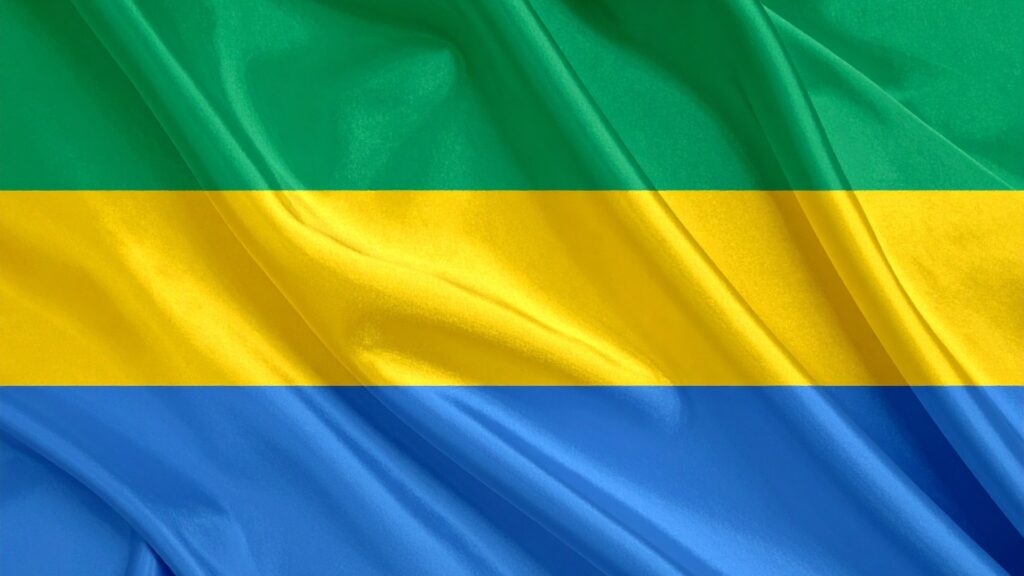
Gabon occupies a highly forested territory along the Atlantic coast of Central Africa, centered directly on the Equator. Prior to European maritime contact, its vast rainforest interior supported diverse Bantu ethnic groups, notably the Fang, Kota, and Punu societies, who developed decentralized lineage governance and specialized artistic traditions. French colonial exploration in the nineteenth century led to the founding of Libreville as a settlement for liberated slaves. Achieving independence in 1960, the modern state shifted its economic baseline via mid twentieth century timber and offshore oil extraction. Today, conservation archives emphasize protecting its rainforest ecosystems alongside ancestral woodcarvings and ritual metal work.
More
| Civilizations / Societies | Ancestral Loango Kingdom, Fang and Kota Lineage Societies, French Equatorial Africa |
| Historical Figures | Leon M’ba, Omar Bongo, Pierre Savorgnan de Brazza |
| Landmarks | Lopé National Park Archaeological Landscape, Libreville St. Marie Cathedral, Franceville Viaduct |
| Artifacts | Kota copper-plated reliquary figures, Punu white-faced masks, Fang wooden reliquary heads |
Countries That Start With G
🇬🇲 Gambia
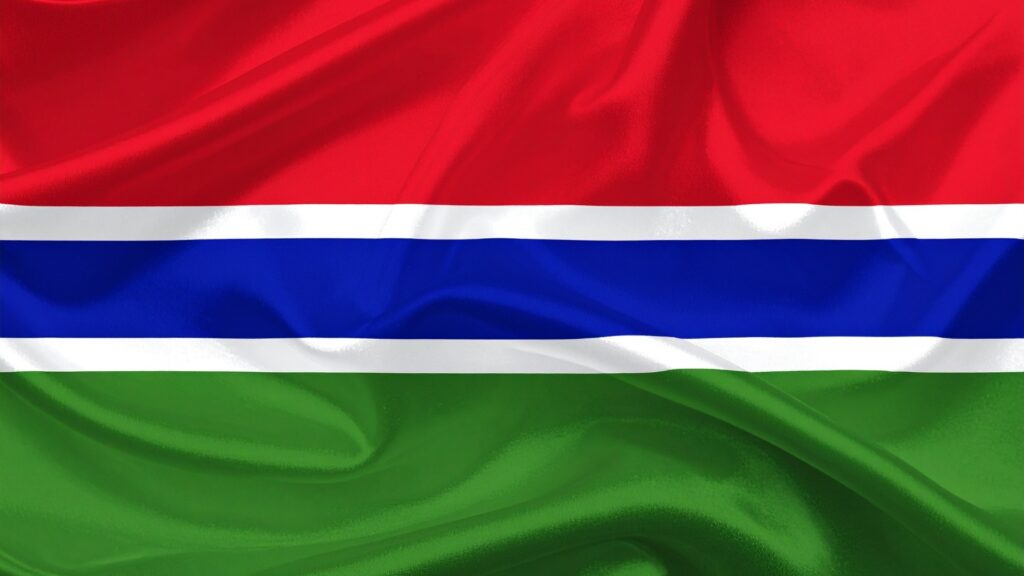
Gambia is a compact West African nation uniquely carved as a narrow ribbon of land entirely tracing the Gambia River, surrounded on three sides by Senegal. Its riverine geography positioned it as a vital commercial axis for medieval Islamic empires, including the Mali and Songhai networks, before it attracted intense Anglo-French colonial rivalry. The British eventually secured control, establishing a trading colony focused on groundnut exportation while utilizing river islands for military fortifications and slave transit depots. Achieving independence in 1965, Gambia values its distinct West African musical folklore, structural river ruins, and ancient stone monuments that hint at dense prehistoric settlement clusters.
More
| Civilizations / Societies | Wolof and Mandinka States, Mali Empire, Courland Colonization, British Gambia Colony |
| Historical Figures | Dawda Jawara, Edward Francis Small, Jatta Jallow |
| Landmarks | Wassu Stone Circles, Kunta Kinteh Island (James Island), Fort Bullen, Albert Market |
| Artifacts | Megalithic laterite pillars, traditional kora stringed instruments, colonial river commerce ledgers |
Countries That Start With G
🇬🇪 Georgia
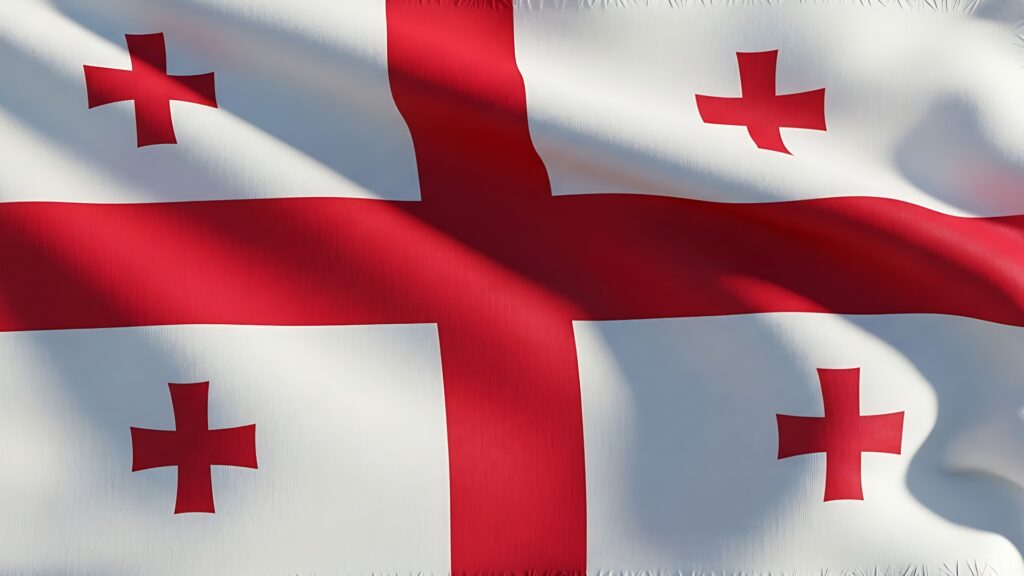
Georgia is situated in the South Caucasus region at the strategic crossroads of Eastern Europe and Western Asia, bounded by the Black Sea and the rugged Caucasus Mountains. Boasting a deep metallurgical and agricultural lineage, the ancient kingdoms of Colchis and Iberia established strong international networks, with Georgia becoming one of the earliest states to adopt Christianity in the fourth century. The territory resisted repeated imperial expansions by Persian, Byzantine, Ottoman, and Russian empires, preserving its distinct alphabet, language, and architectural styles. Today, its state repositories focus on documenting its cave cities, ancient wine making vessels, and heavily fortified mountain tower settlements.
More
| Civilizations / Societies | Kingdom of Colchis, Kingdom of Iberia, Bagratid Kingdom of Georgia, Soviet Republic |
| Historical Figures | King David IV (The Builder), Queen Tamar, Shota Rustaveli |
| Landmarks | Gelati Monastery, Upper Svaneti Caucasus Towers, Vardzia Cave Monastery, Mtskheta |
| Artifacts | Vani gold jewelry treasures, ancient Kvevri clay wine vessels, medieval cloisonné enamels |
Countries That Start With G
🇩🇪 Germany
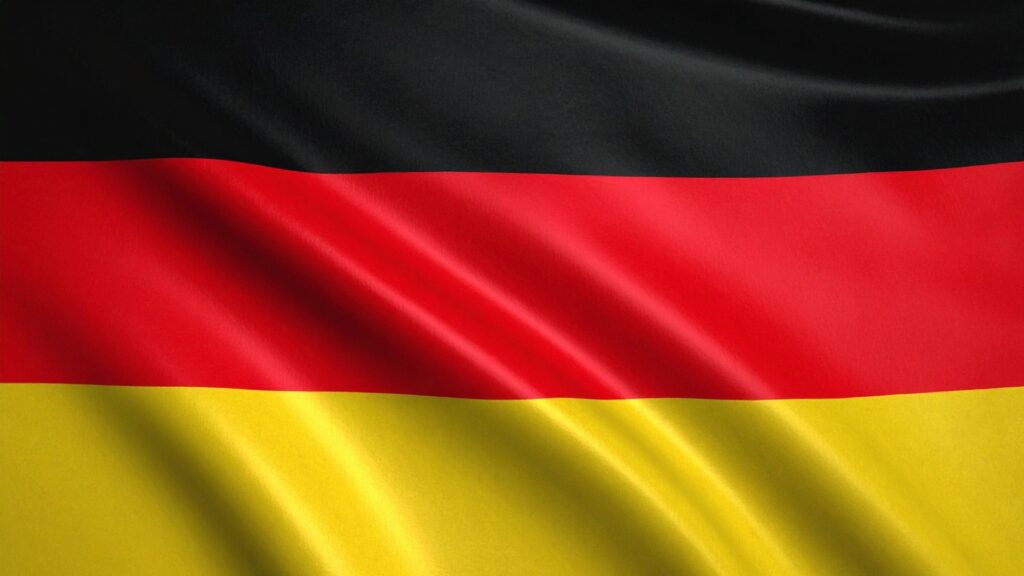
Germany occupies a central geopolitical territory in Central Europe, extending from the Alps to the North and Baltic seas. Its narrative evolved from fragmented Germanic tribal coalitions and the vast administrative web of the Holy Roman Empire into a unified nineteenth century state and a modern federal republic. As a major engine for continental industrialization and printing technologies, Germany was also the epicentre of the Protestant Reformation and monumental architectural movements. Following the fractures of the Cold War and its subsequent reunification in 1990, the nation maintains expansive public networks dedicated to archiving everything from ancient Roman border walls to medieval cathedrals and industrial monuments.
More
| Civilizations / Societies | Germanic Tribes, Holy Roman Empire, Kingdom of Prussia, German Empire, Federal Republic |
| Historical Figures | Charlemagne, Johannes Gutenberg, Martin Luther, Otto von Bismarck |
| Landmarks | Cologne Cathedral, Brandenburg Gate, Limes Roman Border Wall, Museum Island Berlin |
| Artifacts | Nebra Sky Disk, Gutenberg Bible original copies, Aachen Imperial Crown, Neandertal fossil remains |
Countries That Start With G
🇬🇭 Ghana
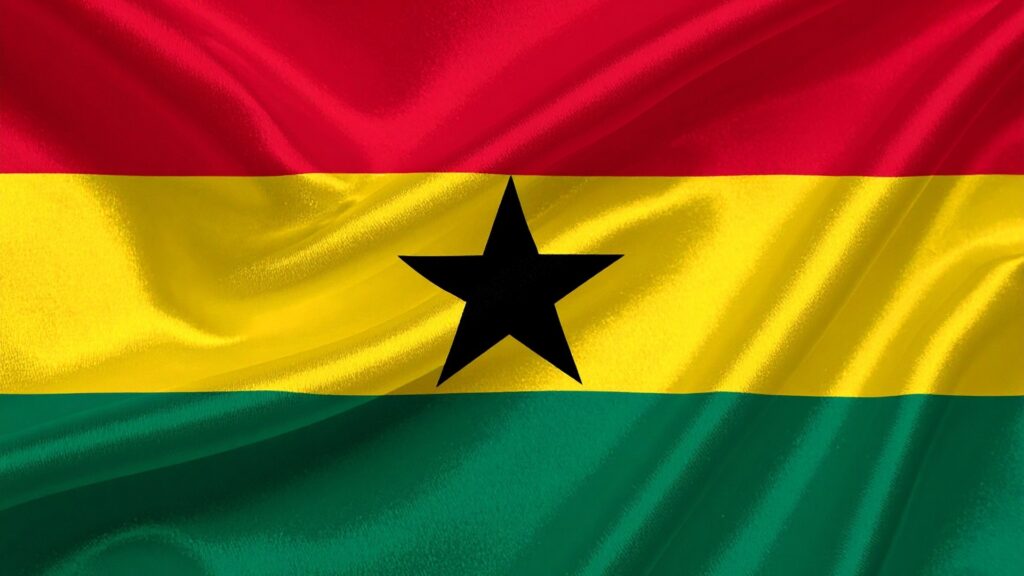
Ghana anchors the Gulf of Guinea coast in West Africa, transitioning from tropical southern littoral zones into arid northern savannah plains. In the medieval era, its interior territory sat at the wealthy southern terminus of trans Saharan gold trade networks, fostering centralized states like the Bono Manso and the expanding Ashanti Empire. European maritime contact in the late fifteenth century completely inverted this economic alignment, turning the coastline into an intensive hub for gold and transatlantic slave trading via fortified stone castles. Reclaiming its independence in 1957 as a pioneer of pan African sovereignty, Ghana documents its royal regalia, weaving traditions, and defensive architectural ruins.
More
| Civilizations / Societies | Bono State, Denkyira Kingdom, Ashanti Empire, British Gold Coast Colony |
| Historical Figures | Kwame Nkrumah, Osei Tutu I, Yaa Asantewaa |
| Landmarks | Elmina Castle, Cape Coast Castle, Asante Traditional Buildings, Kakum Canopy Walkway |
| Artifacts | Golden Stool of the Ashanti (Sika Dwa), Kente hand-woven textiles, Akua’ba fertility dolls |
Countries That Start With G
🇬🇮 Gibraltar
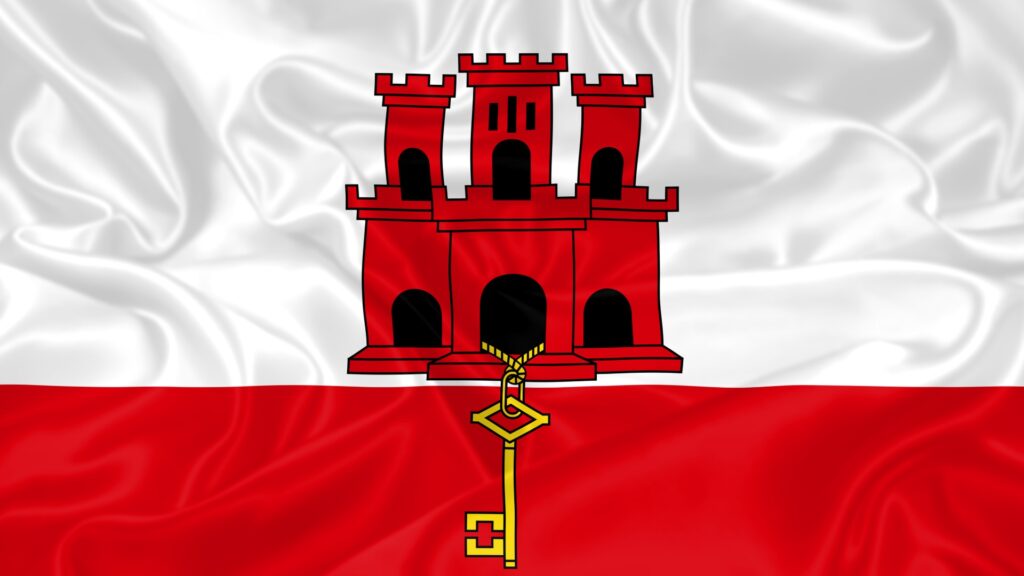
Gibraltar is a British Overseas Territory located at the southern tip of the Iberian Peninsula, dominated by the majestic Rock of Gibraltar. Commanding the strategic entrance to the Mediterranean Sea, this limestone monolith features a dense concentration of Neanderthal caves that represent some of the world’s most critical early homnid settlement records. In antiquity, it was revered as one of the mythical Pillars of Hercules before being seized during the 711 CE Islamic conquest of Iberia, transitioning centuries later into Spanish and eventually British military control. Its material archive features deep multi layered artillery tunnels, naval defenses, and fortifications that record centuries of European maritime warfare.
More
| Civilizations / Societies | Neanderthal Hominid Settlements, Moorish Caliphates, Spanish Empire, British Crown Colony |
| Historical Figures | Tariq ibn Ziyad, Admiral George Rooke, General George Augustus Eliott |
| Landmarks | The Rock of Gibraltar, Moorish Castle, St. Michael’s Cave, Great Siege Tunnels |
| Artifacts | Gibraltar Neanderthal skull fossils, Moorish Tower inscriptions, historic British naval cannons |
Countries That Start With G
🇬🇷 Greece
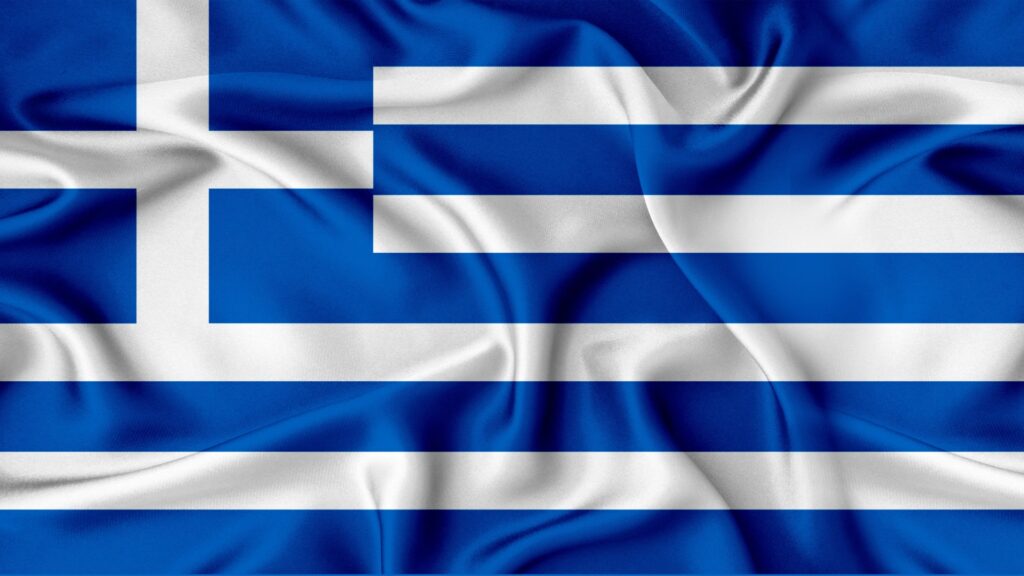
Greece is a highly mountainous, peninsular nation located at the southern tip of the Balkan Peninsula in Southeastern Europe, flanked by the Aegean and Ionian seas. As a primary foundational anchor for Western administrative thought, science, and fine arts, classical Greek city states pioneered early democratic governance and monumental marble architecture. The territory later transitioned through Hellenistic, Roman, Byzantine, and Ottoman imperial eras, acting as a critical intellectual and theological engine across the Mediterranean basin. Achieving modern independence in 1830, Greece operates extensive public institutions dedicated to the systematic excavation, restoration, and analysis of its unparalleled classical, Mycenaean, and Minoan archaeological sites.
More
| Civilizations / Societies | Minoan Civilization, Mycenaean Greece, Classical City-States, Byzantine Empire, Ottoman Rule |
| Historical Figures | Alexander the Great, Pericles, Socrates, Emperor Constantine VII |
| Landmarks | Acropolis of Athens, Archaeological Site of Delphi, Meteora Monasteries, Mycenae Ruins |
| Artifacts | Elgin Marbles / Parthenon Friezes, Antikythera Mechanism, Mask of Agamemnon, Venus de Milo (origin) |
Countries That Start With G
🇬🇱 Greenland
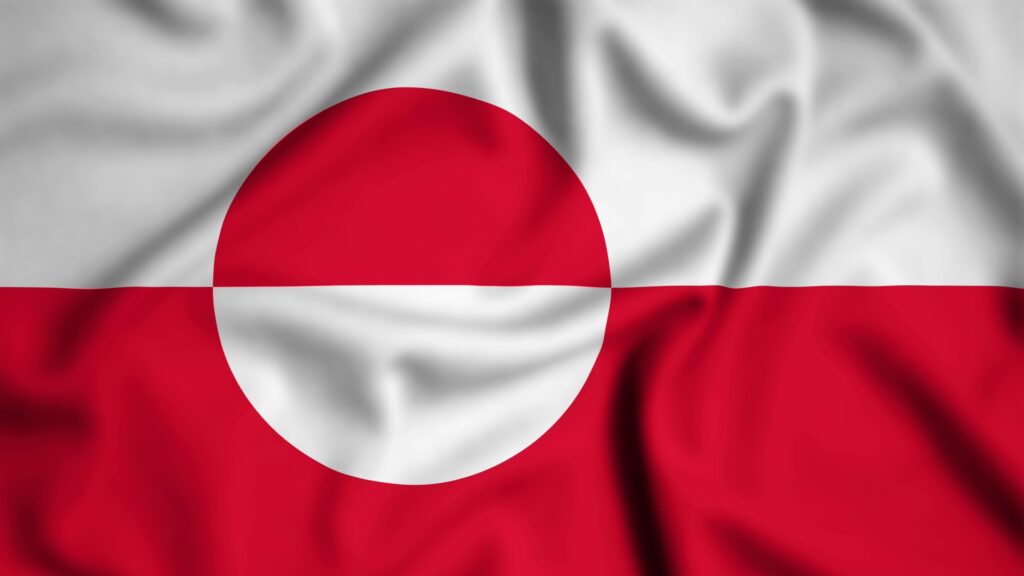
Greenland is a massive, ic -capped autonomous territory within the Kingdom of Denmark, located between the Arctic and Atlantic Oceans. Its earliest physical record is defined by successive prehistoric Paleo-Inuit cultures who developed highly specialized sub zero hunting and ocean survival tools. Around 982 CE, Norse explorers established sheep farming colonies along the southern fjords, existing alongside the Thule people, the direct ancestors of modern Kalaallit Inuit. The island’s material legacy is characterized by its deep connection to arctic seafaring, whalebone architecture, and cold adapted crafts. Modern archives prioritize documenting these early Norse farmstead ruins alongside ancestral Inuit skin-boat and hunting technologies.
More
| Civilizations / Societies | Saqqaq and Dorset Cultures, Norse Greenland Settlements, Thule Culture, Danish Colony |
| Historical Figures | Erik the Red, Leif Erikson, Hans Egede, Knud Rasmussen |
| Landmarks | Ilulissat Icefjord, Hvalsey Church Ruins, Brattahlíð (Eiriksfjord), Nuuk Colonial Harbour |
| Artifacts | Qilakitsoq mummies and garments, Thule ivory snow goggles, Norse soapstone vessels, traditional ulu knives |
Countries That Start With G
🇬🇩 Grenada
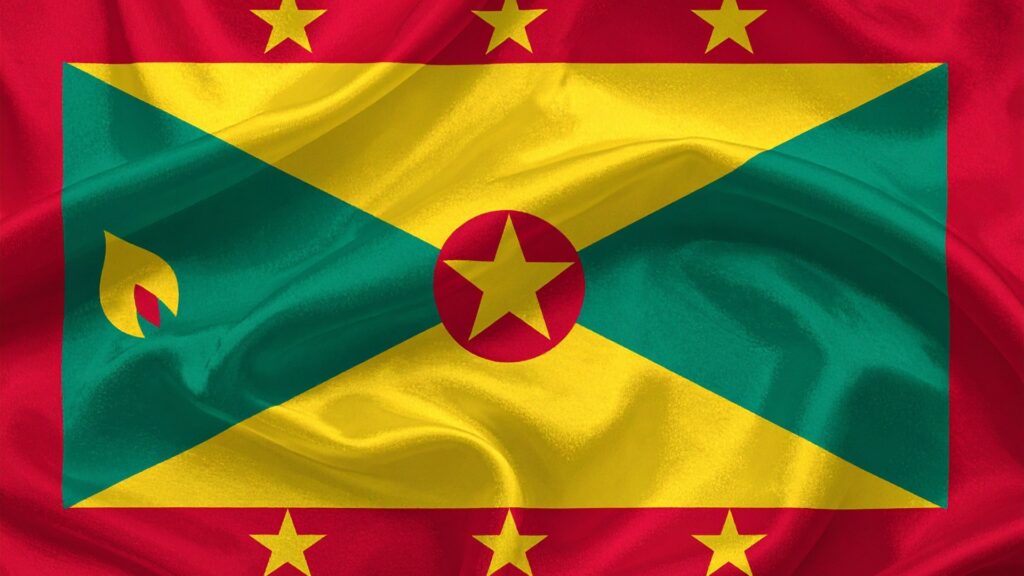
Grenada is an archipelagic tri-island state nestled within the Windward Islands of the Eastern Caribbean Sea, heavily defined by its volcanic topography and fertile microclimates. Originally populated by maritime Arawak and Carib groups, the island became a heavily contested asset between French and British colonial empires due to its ideal conditions for cultivating high value spices like nutmeg and cacao. This intensive plantation system relied completely on enslaved West African labor, forging a deeply resilient Afro-Caribbean cultural baseline. Following its full independence in 1974, Grenada established a stable parliamentary democracy, balancing the archiving of its colonial harbor fortifications with traditional maritime boatbuilding arts.
More
| Civilizations / Societies | Pre-Columbian Carib/Arawak Societies, French Martinique Dependency, British Windward Islands |
| Historical Figures | Eric Gairy, Maurice Bishop, Julien Fédon |
| Landmarks | Fort George (St. George’s), Belmont Estate Plantation, Grand Etang Crater Lake |
| Artifacts | Amerindian rock petroglyphs (Duquesne), colonial sugar refining machinery, traditional wooden sloops |
Countries That Start With G
🇬🇵 Guadeloupe
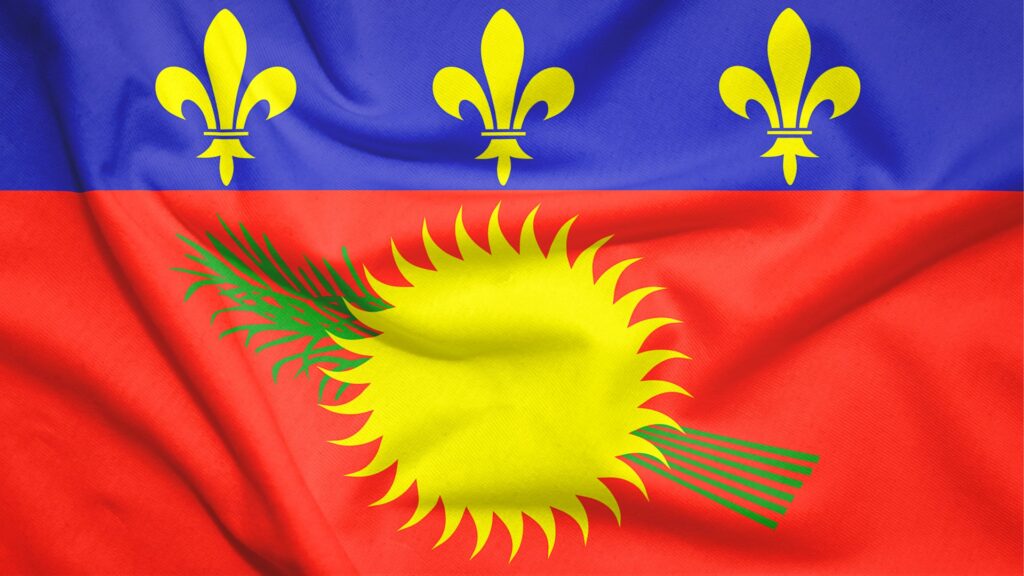
Guadeloupe is an overseas department of France forming a butterfly shaped archipelago in the Leeward Islands of the eastern Caribbean Sea. Long before European maritime contact, its twin main islands—Basse-Terre and Grande-Terre—were inhabited by Arawak and Carib mariners who cultivated the rich volcanic soil and navigated the regional seas. Claimed by France in 1635, the territory was developed into a wealthy sugar-producing hub, completely shifting the island’s demographics through the forced migration of enslaved West Africans. This history left behind a deeply layered Creole material heritage. Today, public preservation initiatives document historic plantation estates, colonial masonry fortifications, and Amerindian rock carvings.
More
| Civilizations / Societies | Pre-Columbian Huastecoid/Carib Tribes, French West India Company, British Occupation Eras |
| Historical Figures | Louis Delgrès, St-John Perse, Victor Schœlcher |
| Landmarks | Fort Delgrès, Plantation Grand-Camp, Roches Gravées Archaeological Park (Trois-Rivières) |
| Artifacts | Pre-Columbian stone axes, volcanic rock petroglyphs, colonial copper sugar-boiling cauldrons |
Countries That Start With G
🇬🇺 Guam
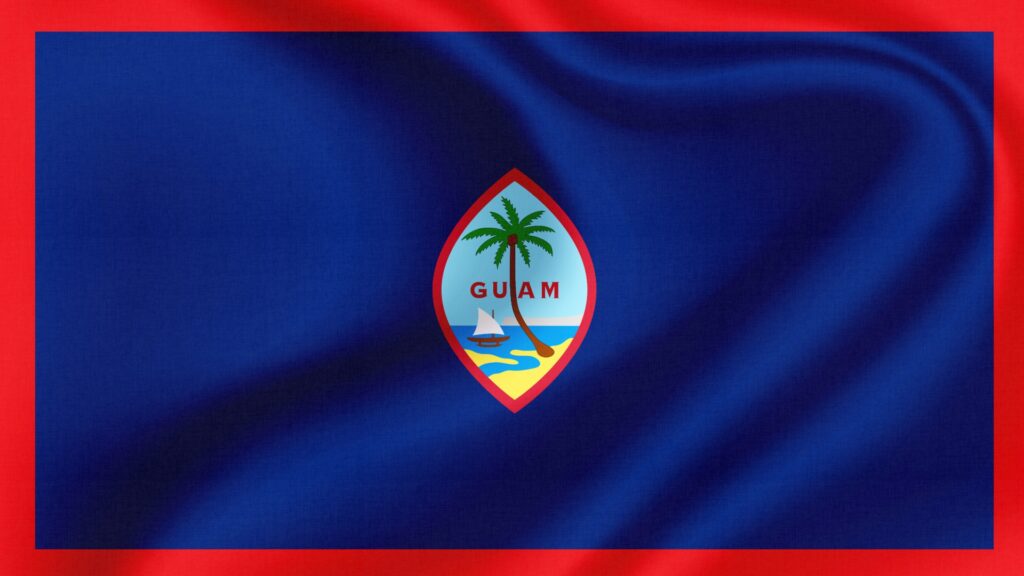
Guam is an organized, unincorporated territory of the United States situated as the largest and southernmost island of the Mariana archipelago in the western Pacific Ocean. For over three thousand years, the island was home to the advanced maritime Chamorro civilization, famous for building massive stone pillar platforms (latte) to support their architectural structures. Serving as a crucial Pacific provisioning port for Spanish treasure galleons sailing between Manila and Acapulco, the island endured centuries of colonial transformation and subsequent integration into American naval administration. Modern island registries focus on restoring prehistoric stone structures and documenting ancestral ocean going outrigger canoes.
More
| Civilizations / Societies | Ancestral Chamorro Civilization, Spanish East Indies, United States Naval Administration |
| Historical Figures | Chief Kepuha, Ferdinand Magellan, Diego Luis de San Vitores |
| Landmarks | Latte Stone Park, Plaza de España (Hagåtña), Fort Nuestra Señora de la Soledad |
| Artifacts | Monumental Latte stone pillars, sinahi giant clam shell necklaces, ancestral Proa outrigger canoes |
Countries That Start With G
🇬🇹 Guatemala
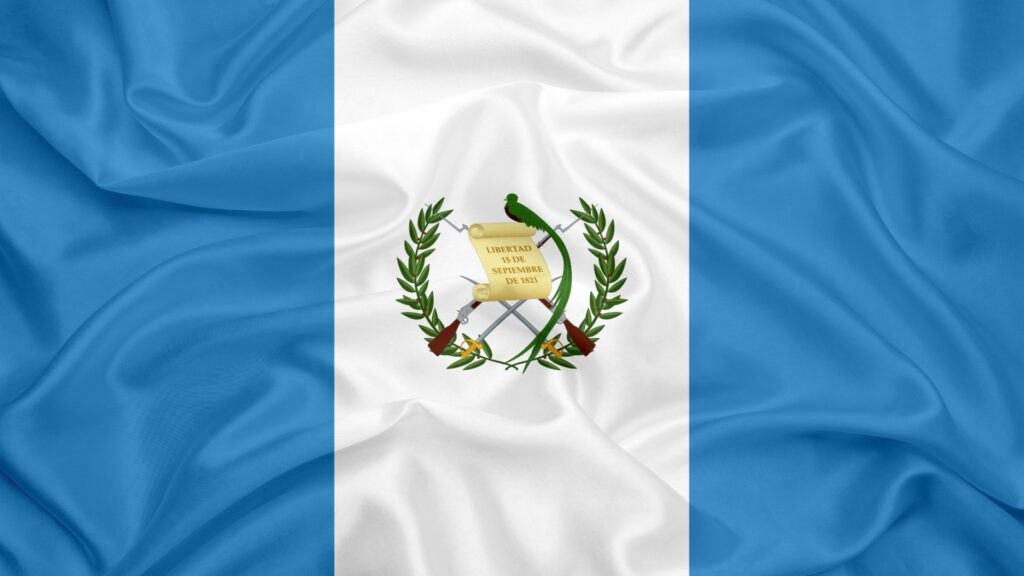
Guatemala occupies a highly volcanic territory in Central America, bridging the Pacific coast with the low-lying tropical plains of the Caribbean littoral. It functioned as a primary cultural heartland for the ancient Maya civilization, hosting massive stone temple networks, sophisticated mathematical and calendar models, and deep hieroglyphic records. Spanish military conquest in the sixteenth century established Antigua Guatemala as a wealthy imperial administrative hub, introducing extensive coffee and indigo economies that completely transformed indigenous land use patterns. Modern state frameworks prioritize cataloging these vast rainforest archaeological ruins alongside the complex textile designs preserved by contemporary Maya communities.
More
| Civilizations / Societies | Olmec Civilization, Pre-Classical and Classical Maya, Spanish Captaincy General |
| Historical Figures | Tecún Umán, Rafael Carrera, Miguel Ángel Asturias |
| Landmarks | Tikal National Park, Historic Antigua Guatemala, Lake Atitlán, Quiriguá Ruins |
| Artifacts | Quiriguá monumental stone stelae, Mayan jade burial masks, Dresden Codex originals (origin) |
Countries That Start With G
🇬🇬 Guernsey
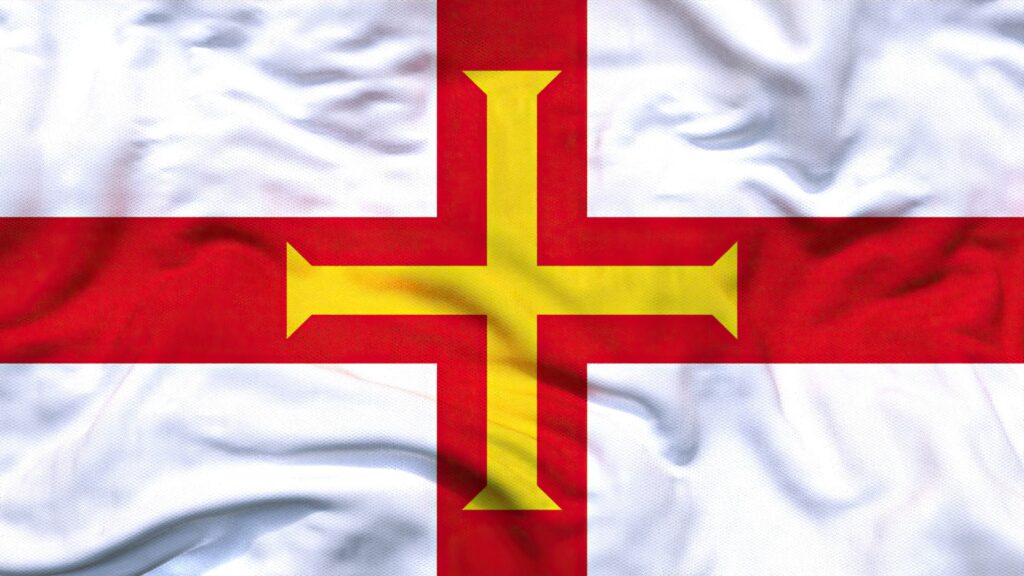
Guernsey is a self-governing British Crown Dependency located in the English Channel off the coast of Normandy, France. Its deep physical archive features exceptionally rare Neolithic passage graves and standing stones that date back over six thousand years. During the medieval period, its strategic location integrated it into the Duchy of Normandy, establishing a unique legal status as a possession of the British Crown that was never formally incorporated into the United Kingdom. Bounded by dramatic coastal cliffs, the island features extensive layers of stone defensive towers built to resist French invasions and twentieth century German occupation fortresses.
More
| Civilizations / Societies | Neolithic Atlantic Societies, Duchy of Normandy, Royal Bailiwick of Guernsey |
| Historical Figures | Major-General Sir Isaac Brock, Victor Hugo, Admiral James de Saumarez |
| Landmarks | Castle Cornet, Les Fouaillages Neolithic Tomb, Fort Grey, Hauteville House |
| Artifacts | Gran’ Mère du Chimquière (prehistoric statue-menhir), Roman shipwreck timbers (Asterix), German occupation bunkers |
Countries That Start With G
🇬🇳 Guinea
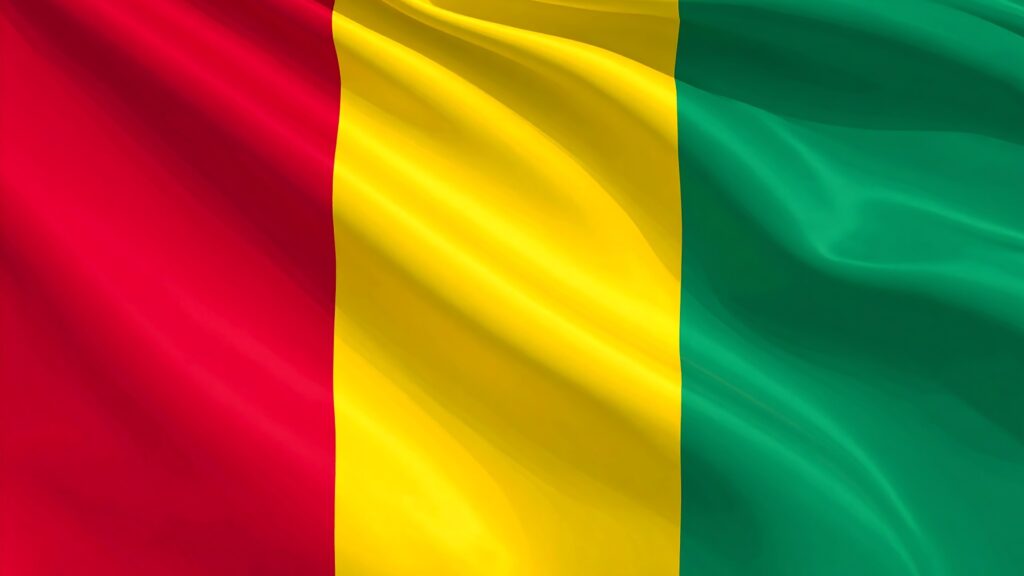
Guinea arcs across the Atlantic coast of West Africa, arching inward to encapsulate the rugged Fouta Djallon highlands, which serve as the primary watershed source for the Niger and Senegal rivers. This strategic geography integrated it directly into wealthy medieval networks, serving as the territorial axis for the expanding Mali Empire and subsequent Islamic states. French colonial administration during the late nineteenth century centralized the territory for rubber and bauxite mining, meeting fierce resistance from local military coalitions. Securing independence in 1958 through an absolute rejection of the French Community framework, Guinea documents its anti-colonial campaigns, regional musical arts, and ancestral blacksmith traditions.
More
| Civilizations / Societies | Mali Empire, Fouta Djallon Imamate, Wassoulou Empire, French Guinea Colony |
| Historical Figures | Samori Ture, Ahmed Sékou Touré, Alpha Yaya of Labé |
| Landmarks | Mount Nimba Strict Nature Reserve, Fouta Djallon Highlands, Loos Islands Fortifications |
| Artifacts | Nimba wooden shoulder masks (Baga culture), traditional balafon instruments, colonial military relics |
Countries That Start With G
🇬🇼 Guinea-Bissau
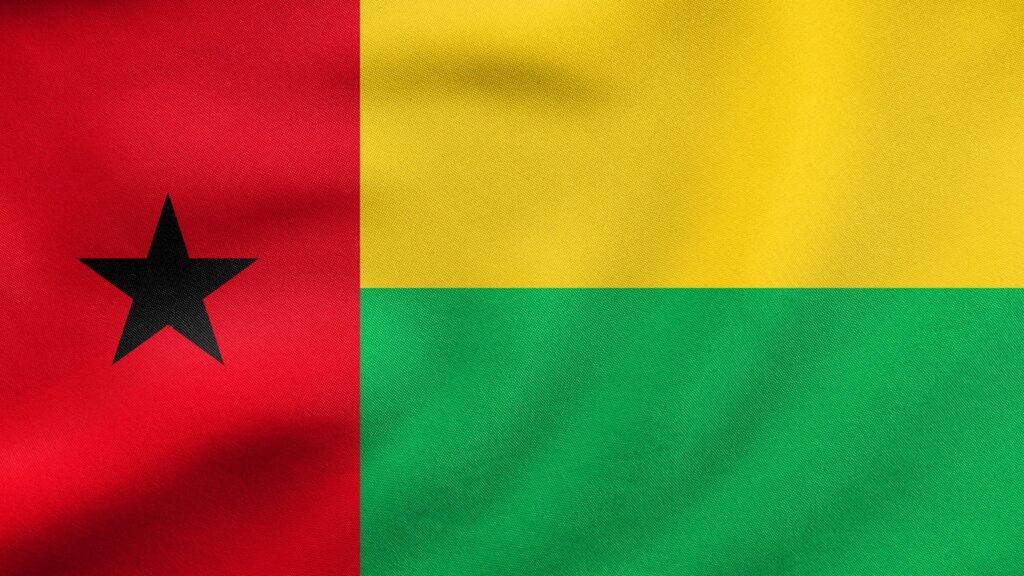
Guinea-Bissau forms a flat, low-lying West African nation highly fragmented by a dense web of coastal rivers, mangrove swamps, and the offshore Bijagós volcanic archipelago. This complex topography allowed localized groups, particularly the matriarchal societies of the Bijagós, to maintain deep operational autonomy against external Islamic states and Portuguese maritime outposts. The territory functioned for centuries as a primary coastal nexus for the transatlantic slave trade and subsequent peanut monoculture under Portuguese corporate administration. Following a prolonged, strategically brilliant guerrilla war for independence in 1973, the state focuses on documenting its liberation archives alongside unique island material arts and carving styles.
More
| Civilizations / Societies | Kaabu Empire, Cacheu and Bissau Captaincies, Portuguese Guinea Colony |
| Historical Figures | Amílcar Cabral, Luís Cabral, Rafael Barbosa |
| Landmarks | Historic Bolama Colonial Quarter, Cacheu Slave Fort, Orango National Park |
| Artifacts | Bijagós ritual zoomorphic masks, traditional panu di pinti textiles, liberation war documentation archives |
Countries That Start With G
🇬🇾 Guyana
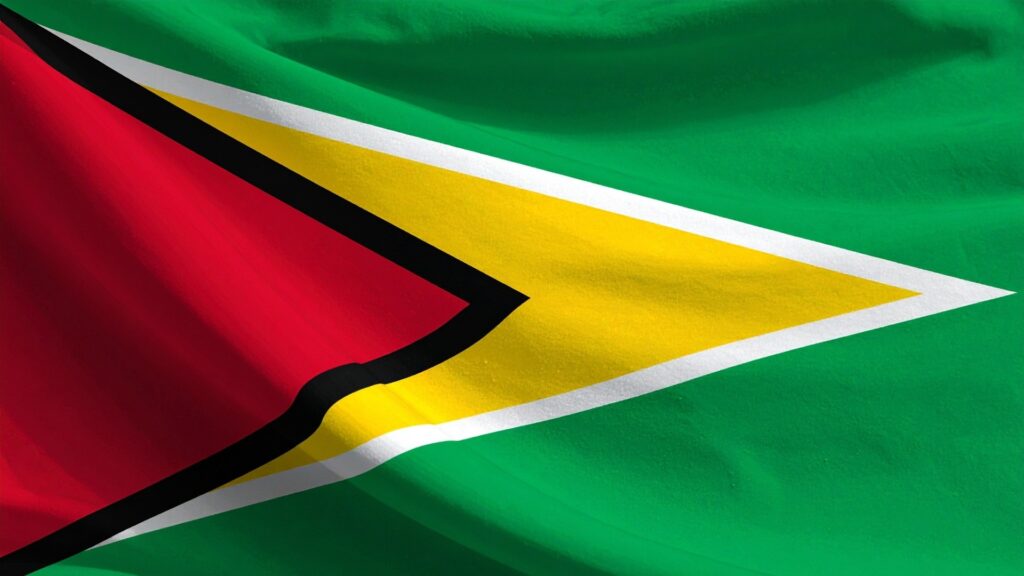
Guyana is situated on the northeastern coast of South America, bounded by Venezuela, Brazil, Suriname, and the Atlantic Ocean, completely integrated into the dense Guiana Shield ecosystem. Inhabited by diverse indigenous groups like the Lokono and Carib peoples, the territory became a highly contested frontier zone colonized sequentially by Dutch and British corporate syndicates. The historic plantation economy relied heavily on enslaved West African labor and subsequent massive waves of indentured workers from India to construct an intricate network of coastal sea walls and drainage canals. Achieving independence in 1966, Guyana balances the economic tracking of its significant offshore mineral wealth with the archival protection of its timber architectural heritage.
More
| Civilizations / Societies | Pre-Columbian Amerindian Tribes, Dutch West India Company, British Guiana Colony |
| Historical Figures | Forbes Burnham, Cheddi Jagan, Walter Rodney |
| Landmarks | Kaieteur Falls, St. George’s Anglican Cathedral (Georgetown), Demerara Harbour Bridge |
| Artifacts | Amerindian woven cassava strainers, colonial Dutch brick drainage sluices, nineteenth-century plantation ledger tokens |
More Countries
Citations & References
Sources
- National Profiles & Geographics: The primary sovereign categorization, geographical borders, and foundational data for nations starting with G—from Gabon to Guyana—are sourced from the global Worldometer G-Country Index.
Sovereign & Territory Status: Geopolitical coordinates, territorial designations, and boundary parameters are verified against tracking metrics hosted on the World Population Review G-Country Master Index and the World Atlas Letter G Geography Registry.
Historical & Material Overviews: Architectural milestones and archeological artifacts—such as Chamorro latte stones, Greenland mummies, and Mayan stelae—are cross-referenced with the digital catalogs of the QuillBot Regional Reference Database and localized historical folders compiled by the U.S. Department of State Office of the Historian.